Temperate rainforest of tree ferns, waterfalls and coastline at the south-western tip of Victoria.
Area
1,030 km²
Designated in
2004
Region
Australia
Temperate myrtle beech and tree fern rainforest
Great Otway National Park was created in 2004 by merging the former Otway National Park with several adjoining state parks and reserves, among them Angahook-Lorne, forming a continuous unit of a little over a thousand square kilometres in south-western Victoria. It extends from the coast of the Great Ocean Road inland, across the Otway Ranges.
The orientation of that range towards the moist southerly winds produces one of the highest rainfalls in Victoria, and the result is a dense temperate rainforest dominated by myrtle beech and by tree ferns that form a closed understorey, crossed by streams and waterfalls such as Erskine, Hopetoun and Triplet Falls. In the more open areas grow tall eucalypt forests, and along the coastal strip, coastal heath and dunes.
The park is one of the best places in Australia to see koalas in the wild, above all around Cape Otway, and it is home to wallabies, platypuses in the watercourses, echidnas and an abundant forest birdlife. In some damp gullies, such as Melba Gully, colonies of glow-worms can be watched at night. At the tip of the cape stands the Cape Otway lighthouse, in operation since 1848, the oldest mainland lighthouse in Australia still standing, built to guide the ships entering through the dangerous Bass Strait.
1 dive site within 300 km is also shown.
Ecosystems found in Australia, where Great Otway lies.
Where can I dive near here?
116 km away
What is worth looking out for this month in Australia?
Now is a good time: The Humpback Highway on Australia's east coast (May to November (northbound May to August, southbound return August to November))
Now is a good time: Red crab migration on Christmas Island (October to January (spawning Nov-Dec))
Which other parks are like this one?
Same country: Australia
Based on what we already know about this park.
Climate
Tropical, Arid / desert, Temperate, Mediterranean
Best season
March to May
Threatened:Great White Shark,Grey-headed Flying Fox
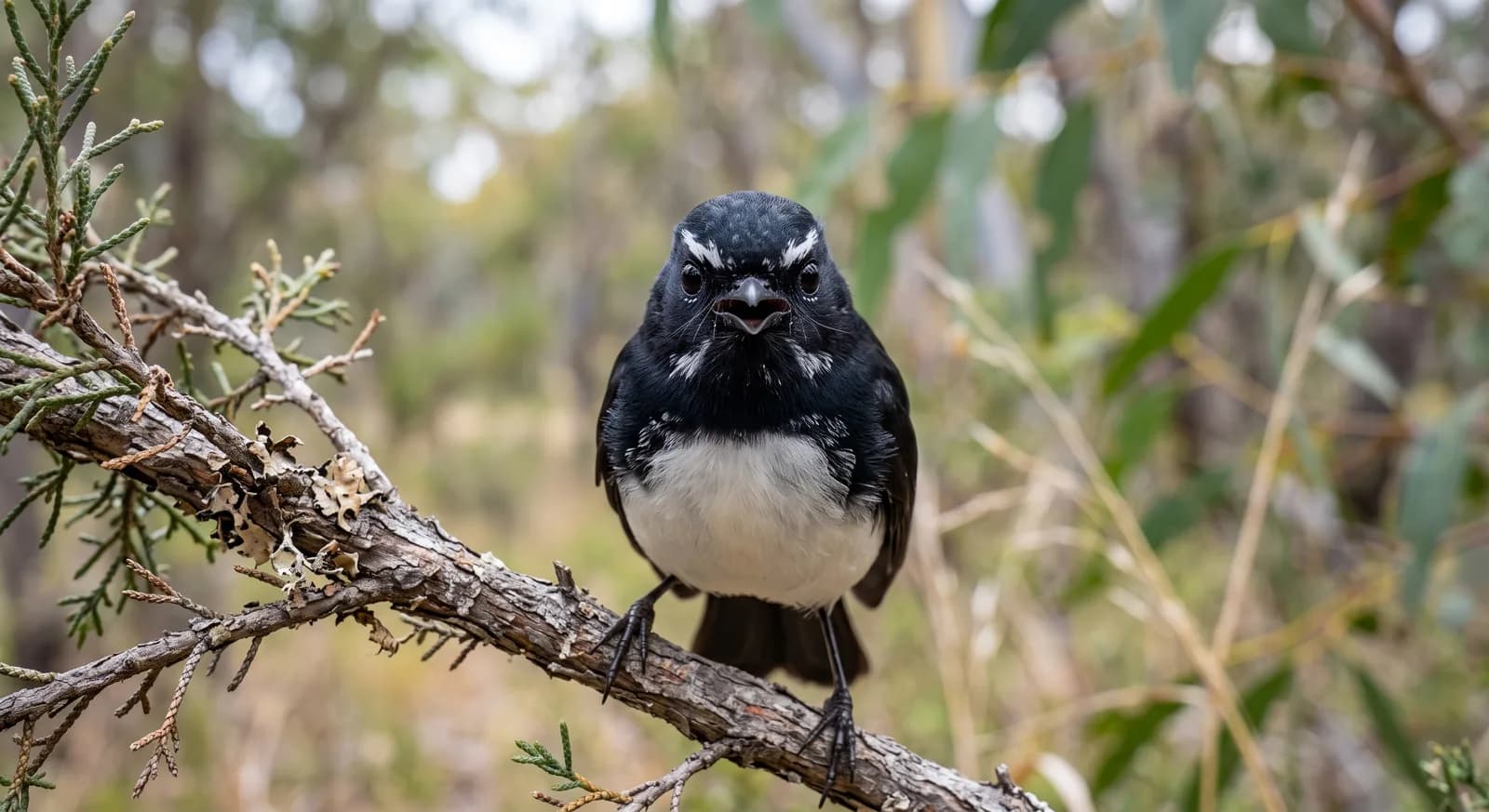
Least ConcernWillie Wagtail
Rhipidura leucophrys
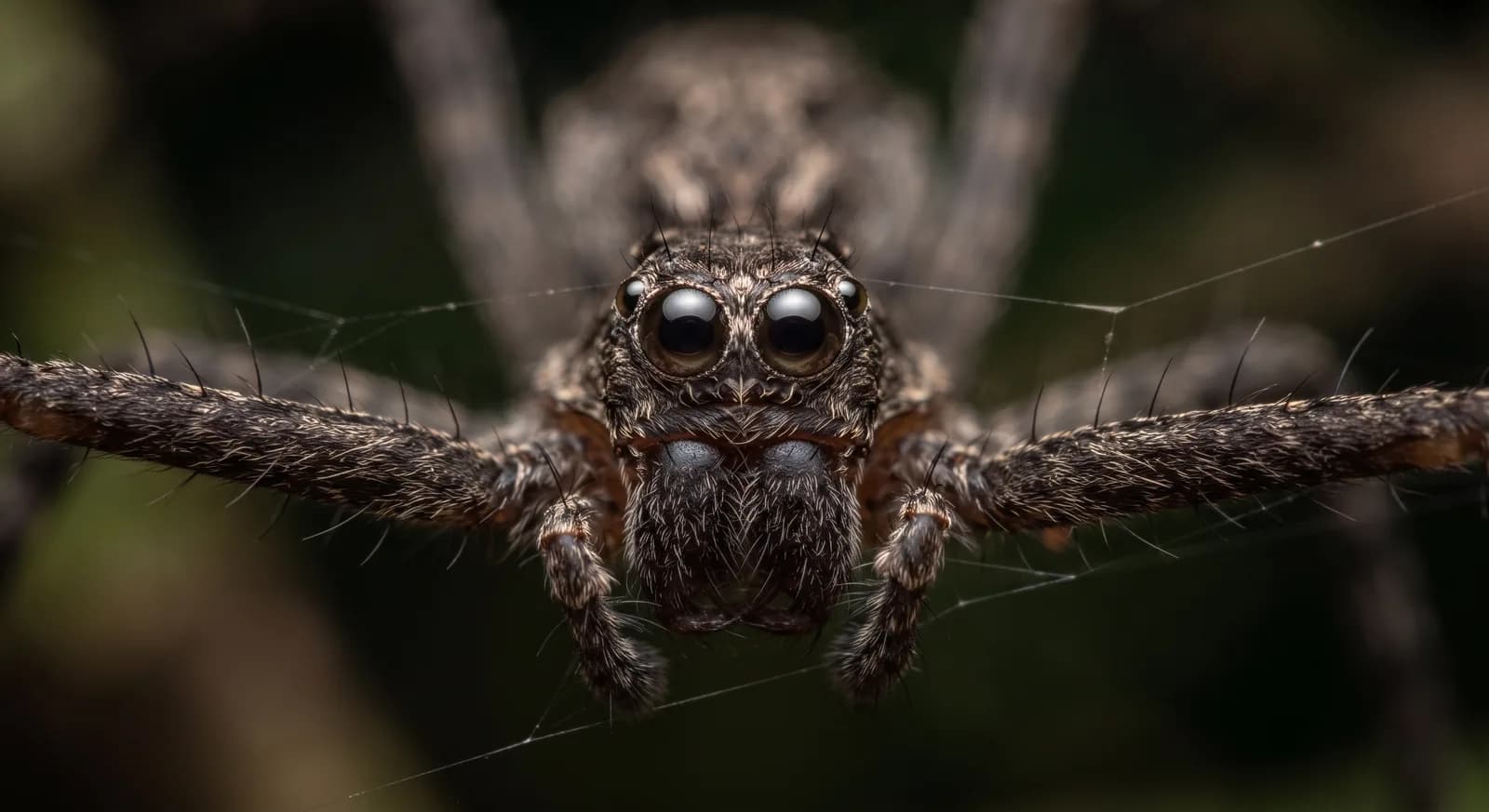
Not EvaluatedOgrefaced Spider
Deinopis spinosa
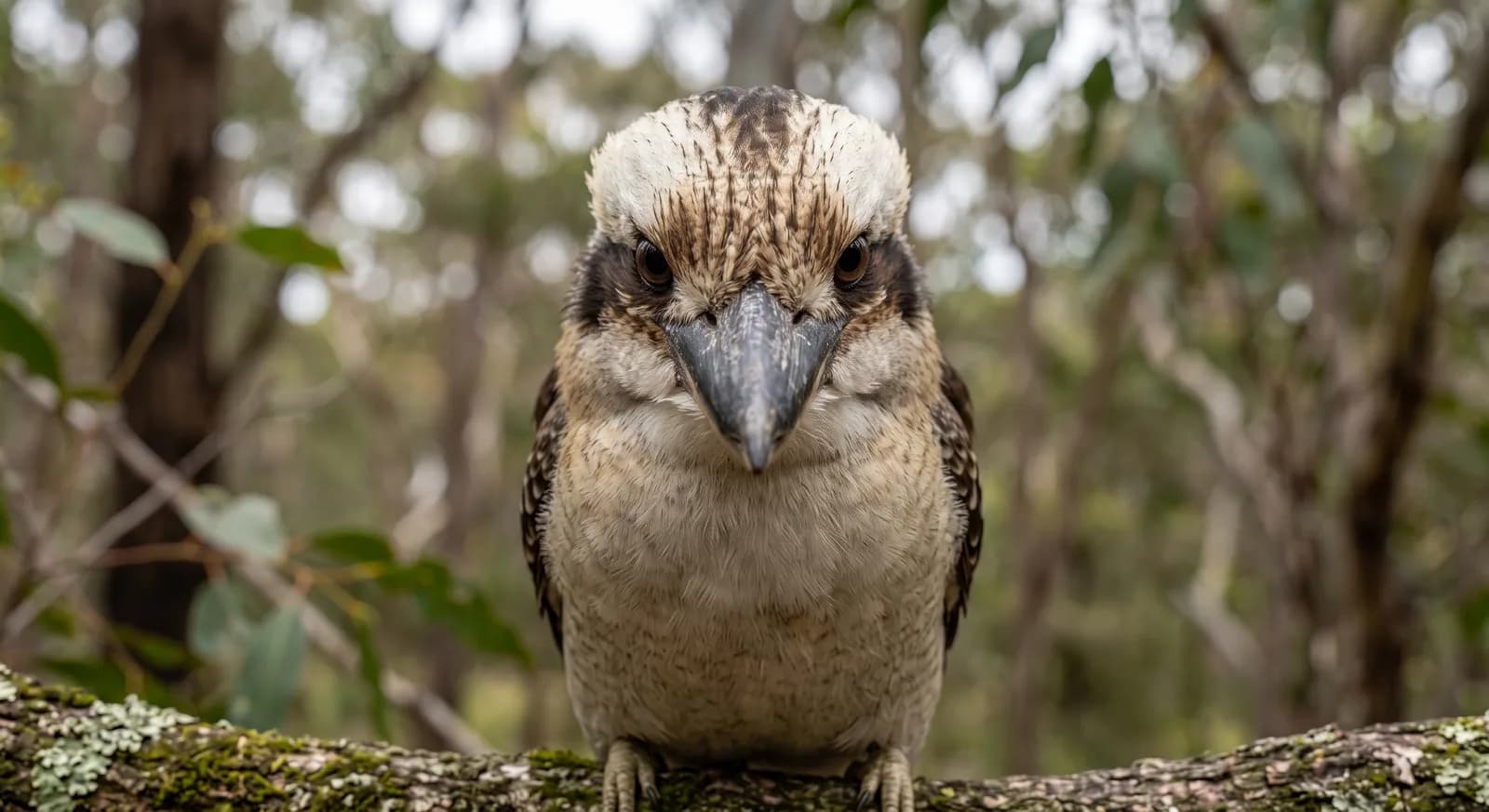
Least ConcernLaughing Kookaburra
Dacelo novaeguineae
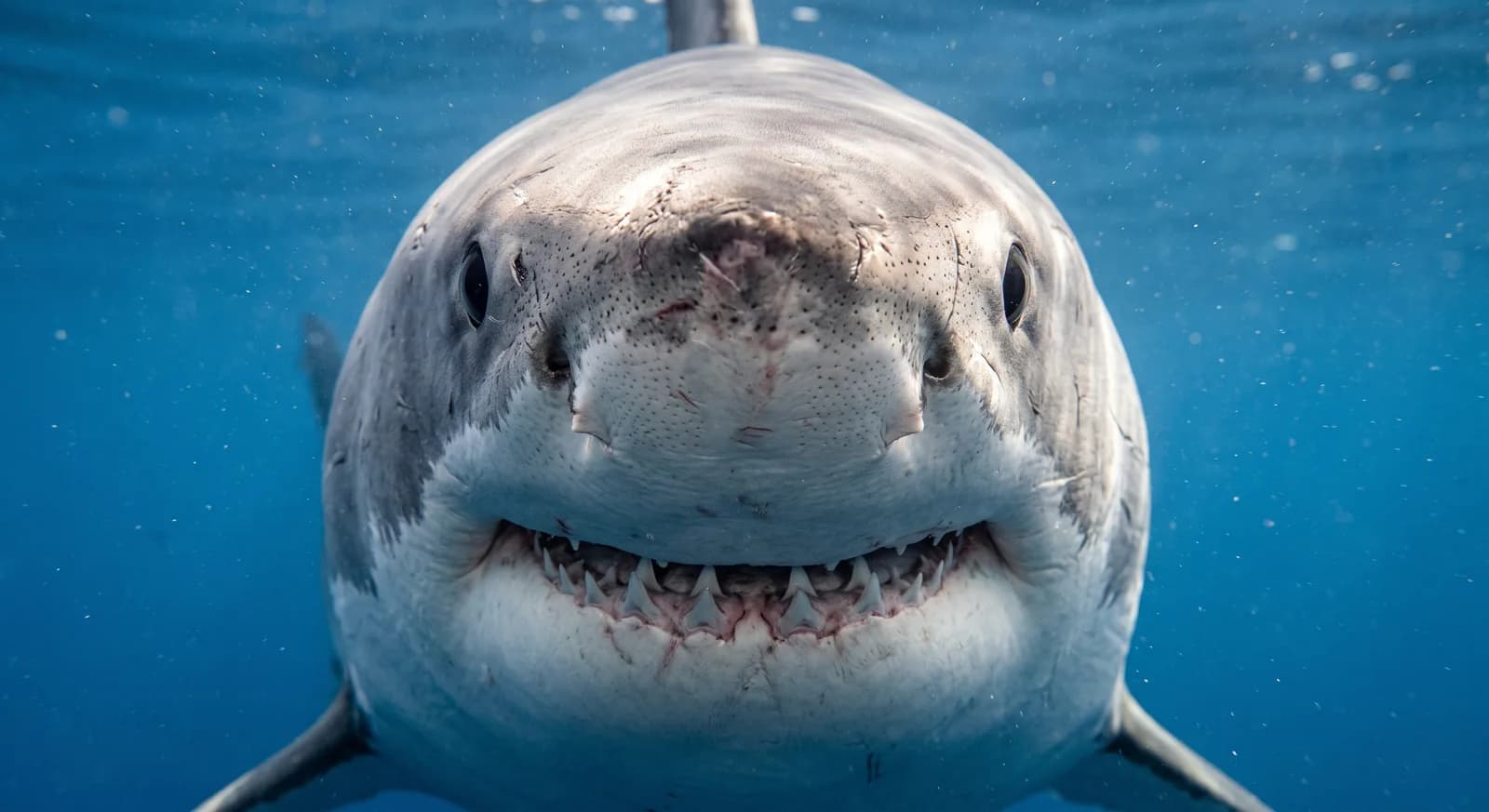
VulnerableGreat White Shark
Carcharodon carcharias
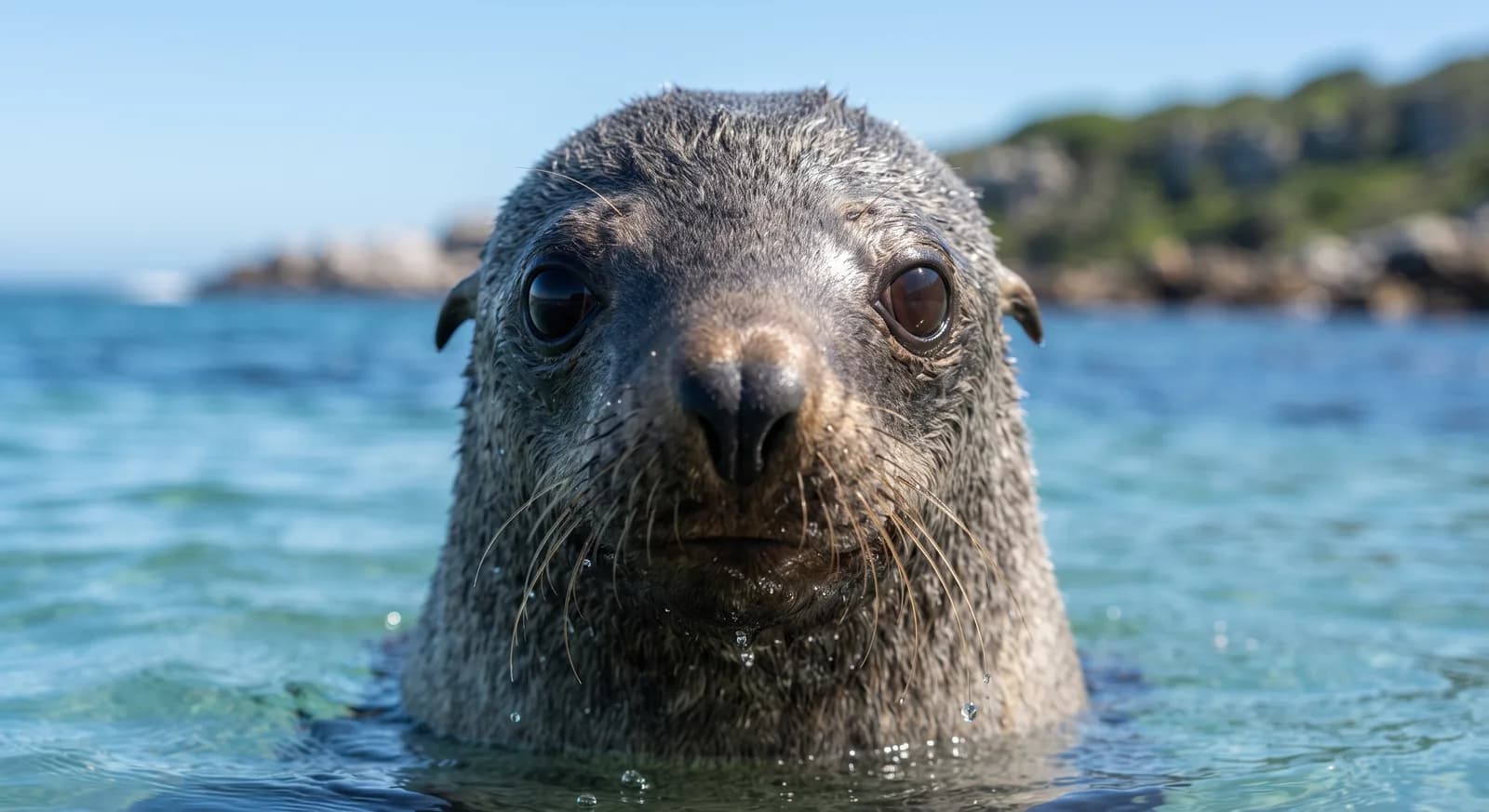
Least ConcernAfro-Australian Fur Seal
Arctocephalus pusillus
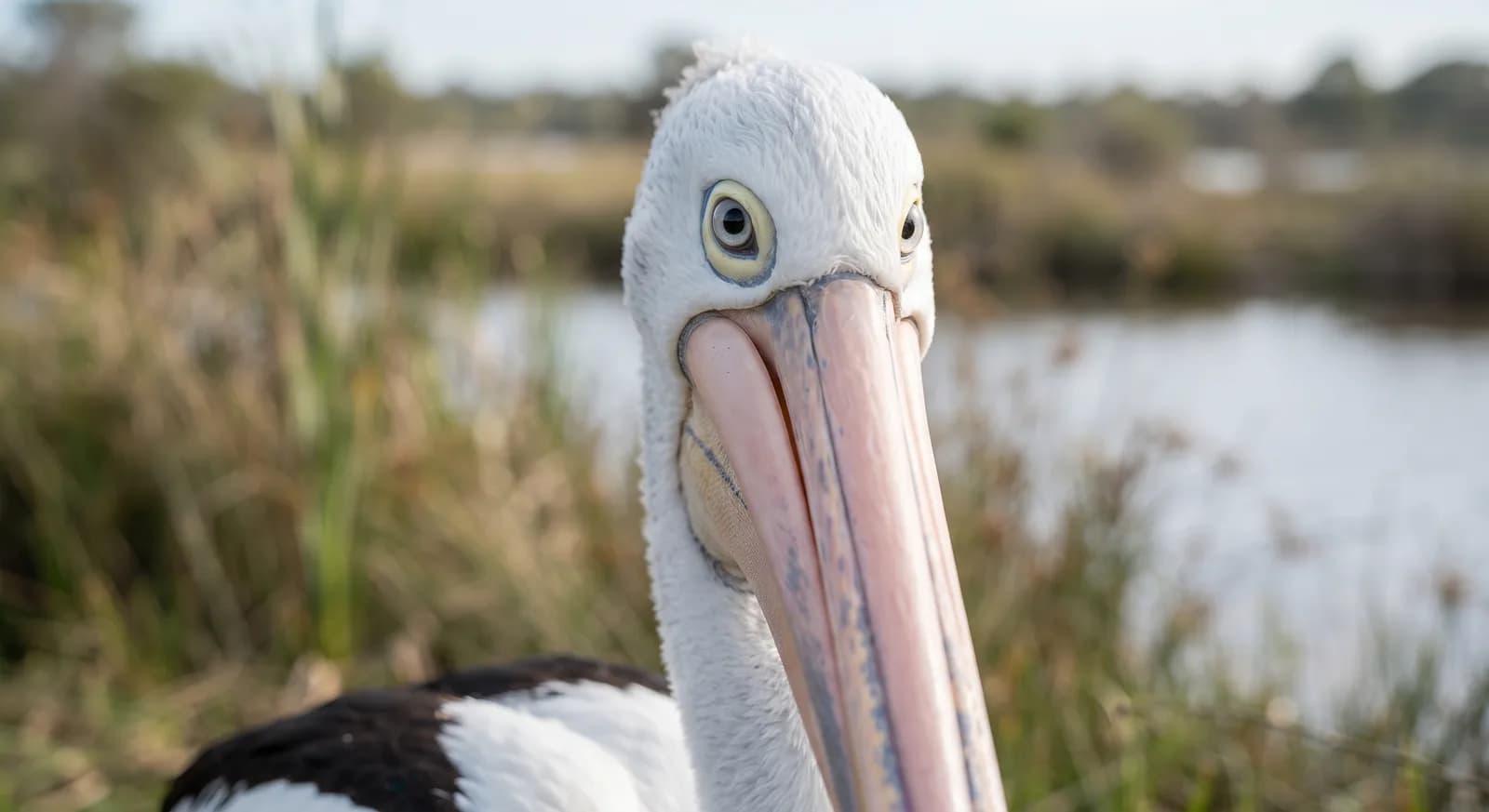
Least ConcernAustralian Pelican
Pelecanus conspicillatus
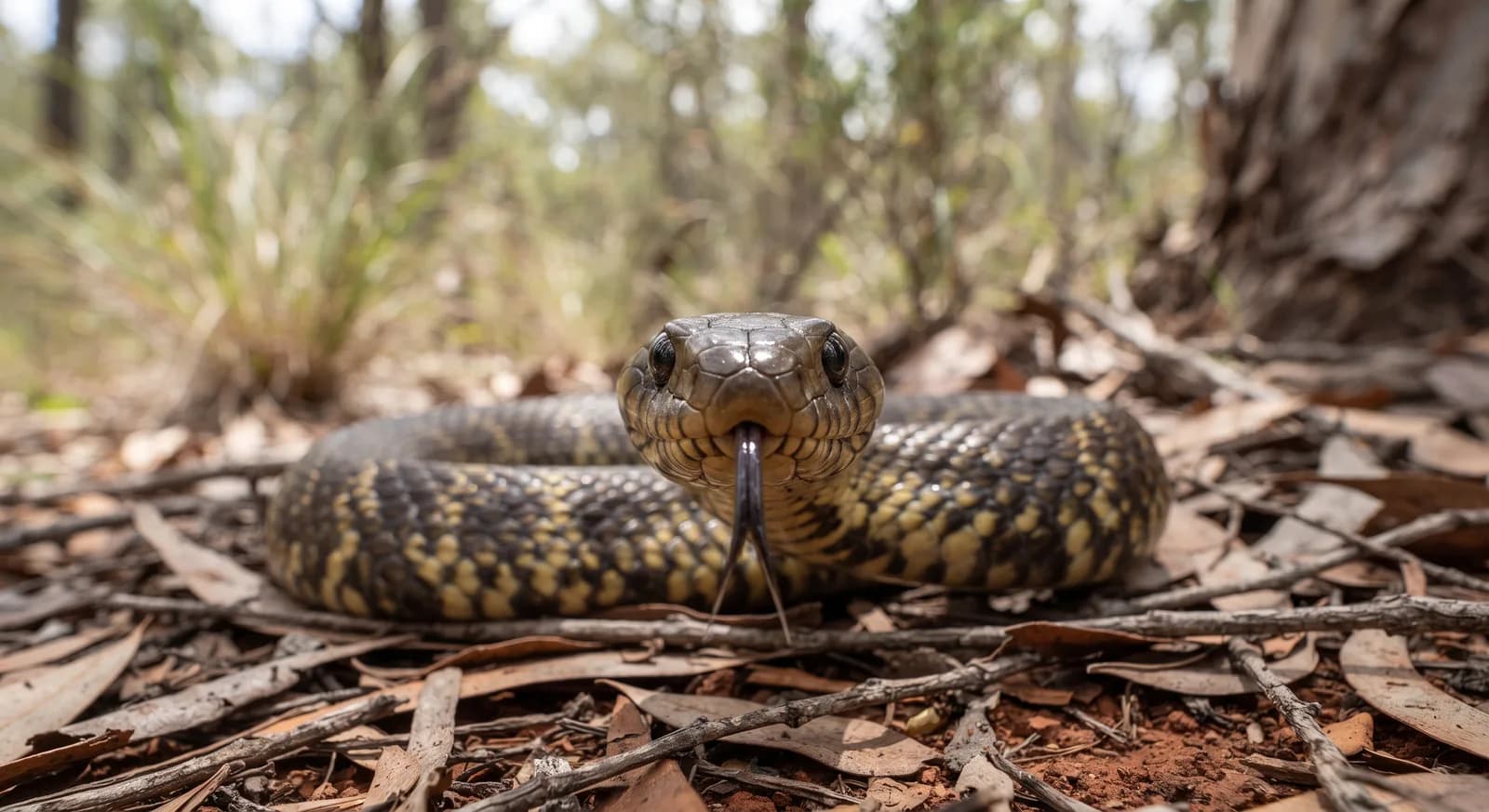
Least ConcernMainland Island Snake
Notechis scutatus
Least ConcernRed-necked Wallaby
Notamacropus rufogriseus
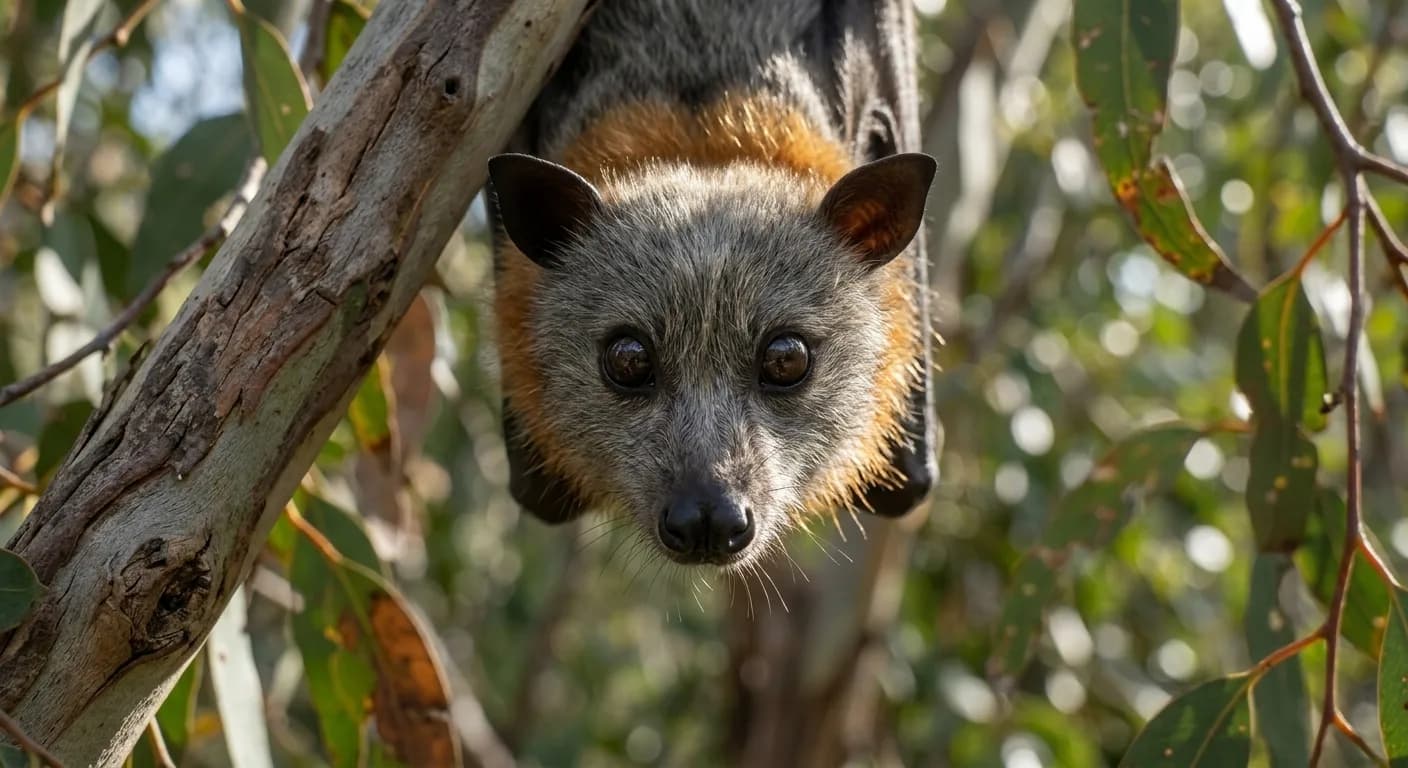
VulnerableGrey-headed Flying Fox
Pteropus poliocephalus
Redback
Latrodectus hasselti
Flying Peacock Spider
Maratus volans
Southern Brown Bandicoot
Isoodon obesulus