Precariously balanced granite formations that seem to defy gravity, the result of more than 200 million years of erosion
Area
117 km²
Protection category
IUCN II
Parque nacional —
Designated in
1932
Declared in 1932, Girraween is celebrated for its precariously balanced granite formations, some of them looking all but impossible, sculpted over more than 200 million years of differential erosion on an exposed granite batholith. Its name comes from an Aboriginal word meaning "place of flowers", after the spectacular flowering of wild heath that covers the park in the southern spring.
3 dive sites within 300 km are also shown.
Ecosystems found in Australia, where Girraween lies.
Where can I dive near here?
167 km away
174 km away
180 km away
What is worth looking out for this month in Australia?
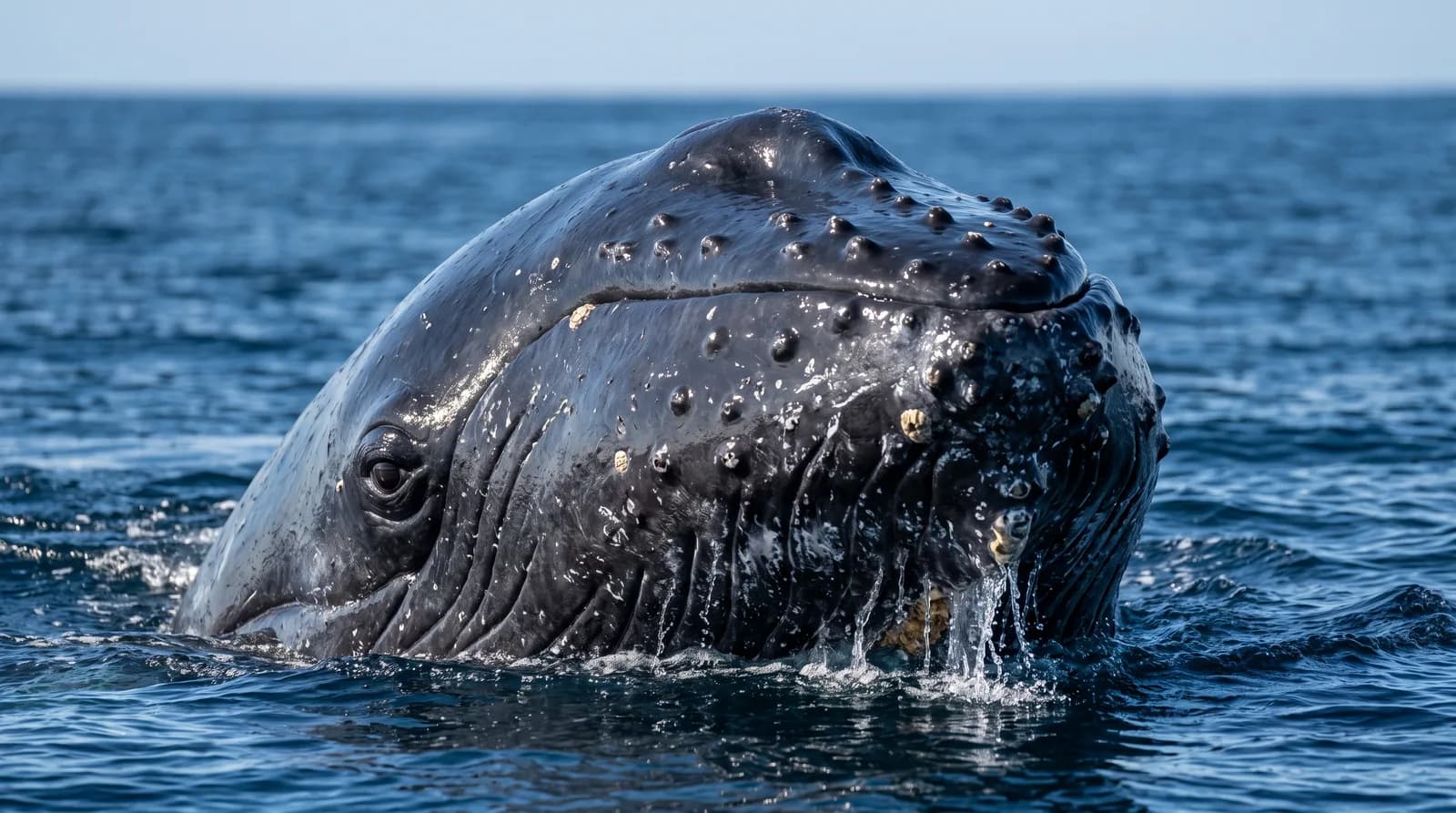
Now is a good time: The Humpback Highway on Australia's east coast (May to November (northbound May to August, southbound return August to November))
Now is a good time: Red crab migration on Christmas Island (October to January (spawning Nov-Dec))
Which other parks are like this one?
Same country: Australia
Based on what we already know about this park.
Share your experience visiting Girraween, or a tip for other travellers.
Be the first to comment.
Region
Queensland
Climate
Tropical, Arid / desert, Temperate, Mediterranean
Best season
March to May
Threatened:Greater Glider,Brush-tailed Rock Wallaby
Endemic species of Australia:Platypus
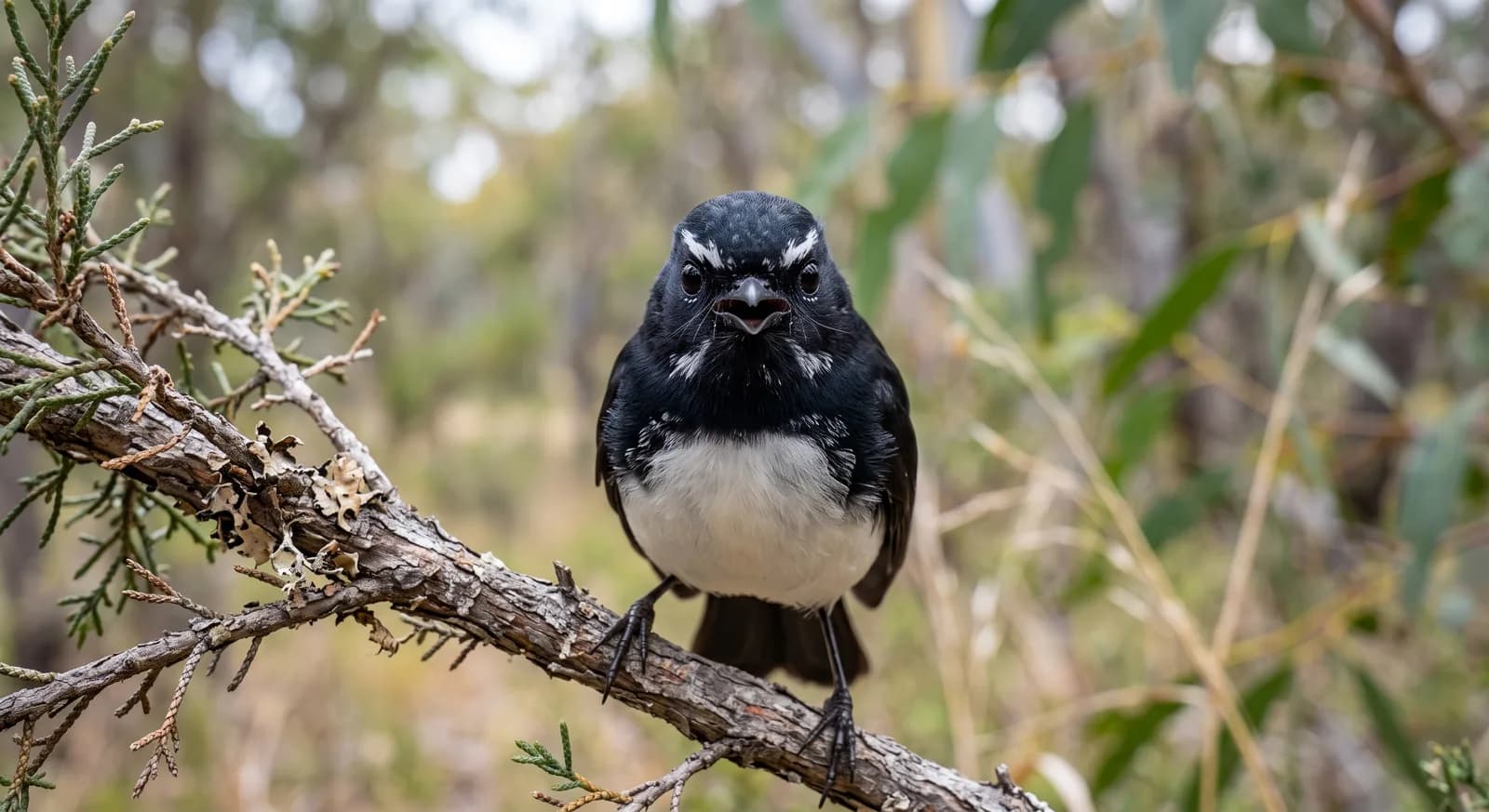
Least ConcernWillie Wagtail
Rhipidura leucophrys
Least ConcernWedge-tailed Eagle
Aquila audax
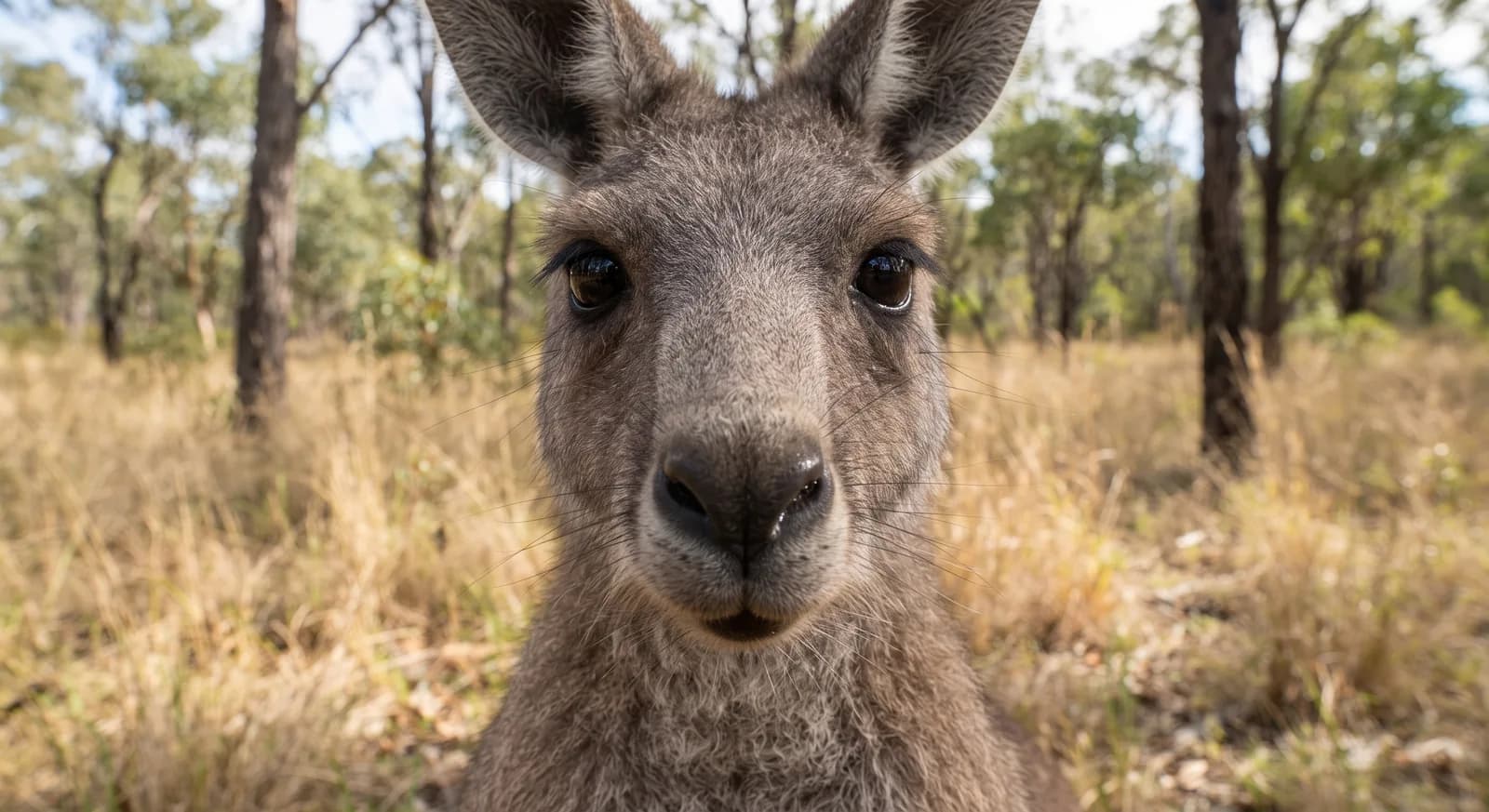
Least ConcernEastern Grey Kangaroo
Macropus giganteus
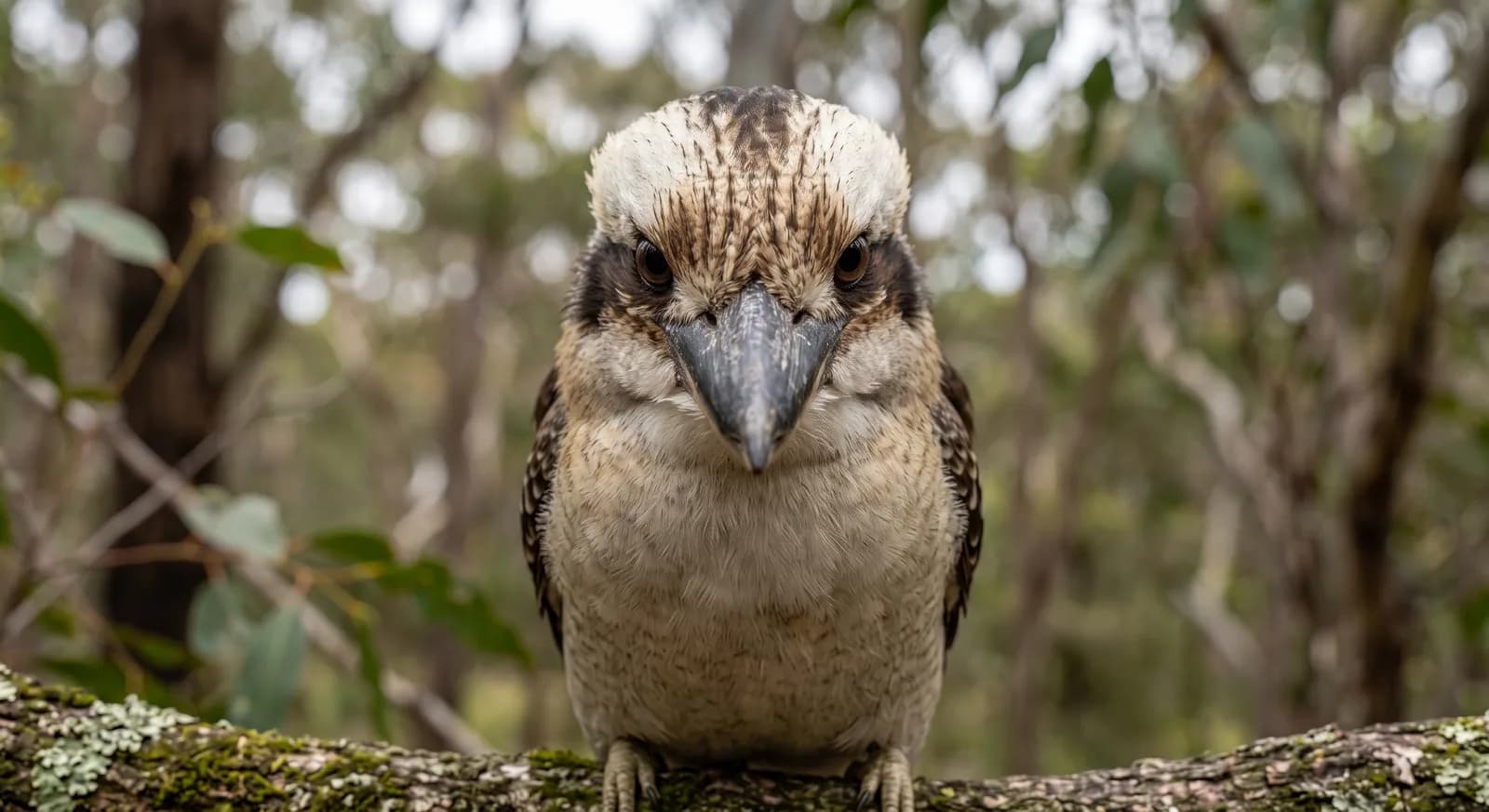
Least ConcernLaughing Kookaburra
Dacelo novaeguineae
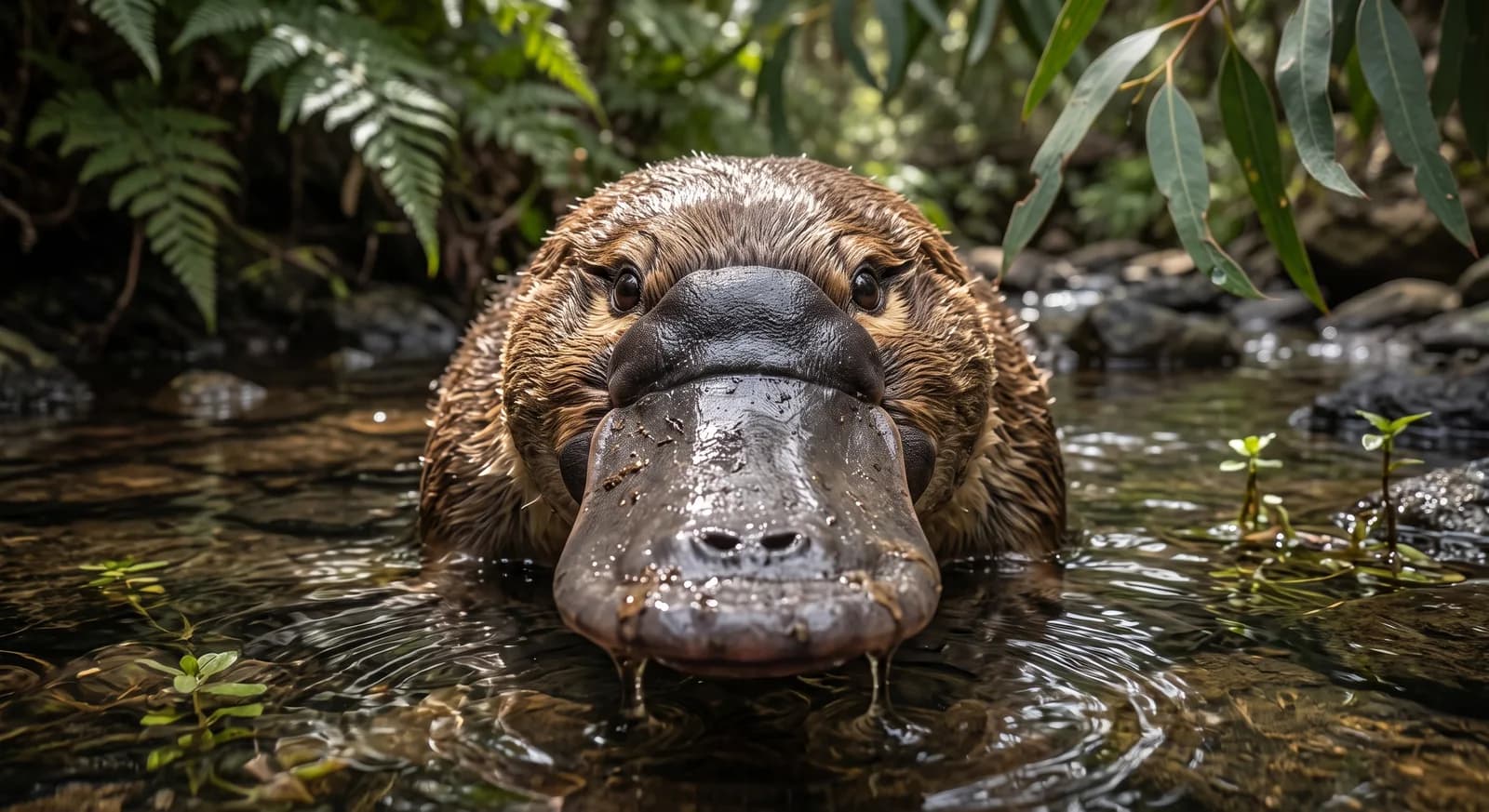
Near ThreatenedPlatypus
Ornithorhynchus anatinus
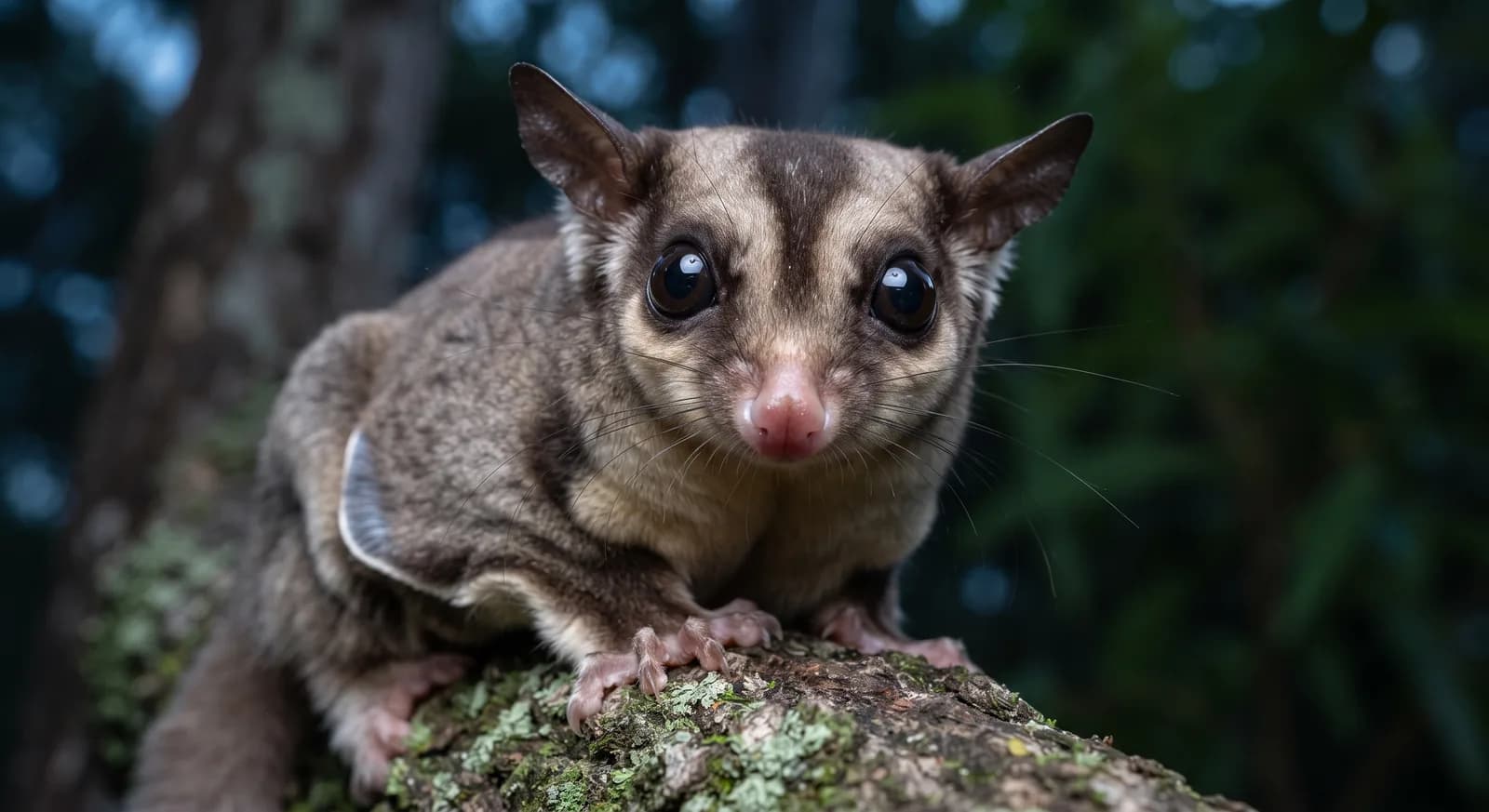
Least ConcernSugar Glider
Petaurus breviceps
Least ConcernRed-necked Wallaby
Notamacropus rufogriseus
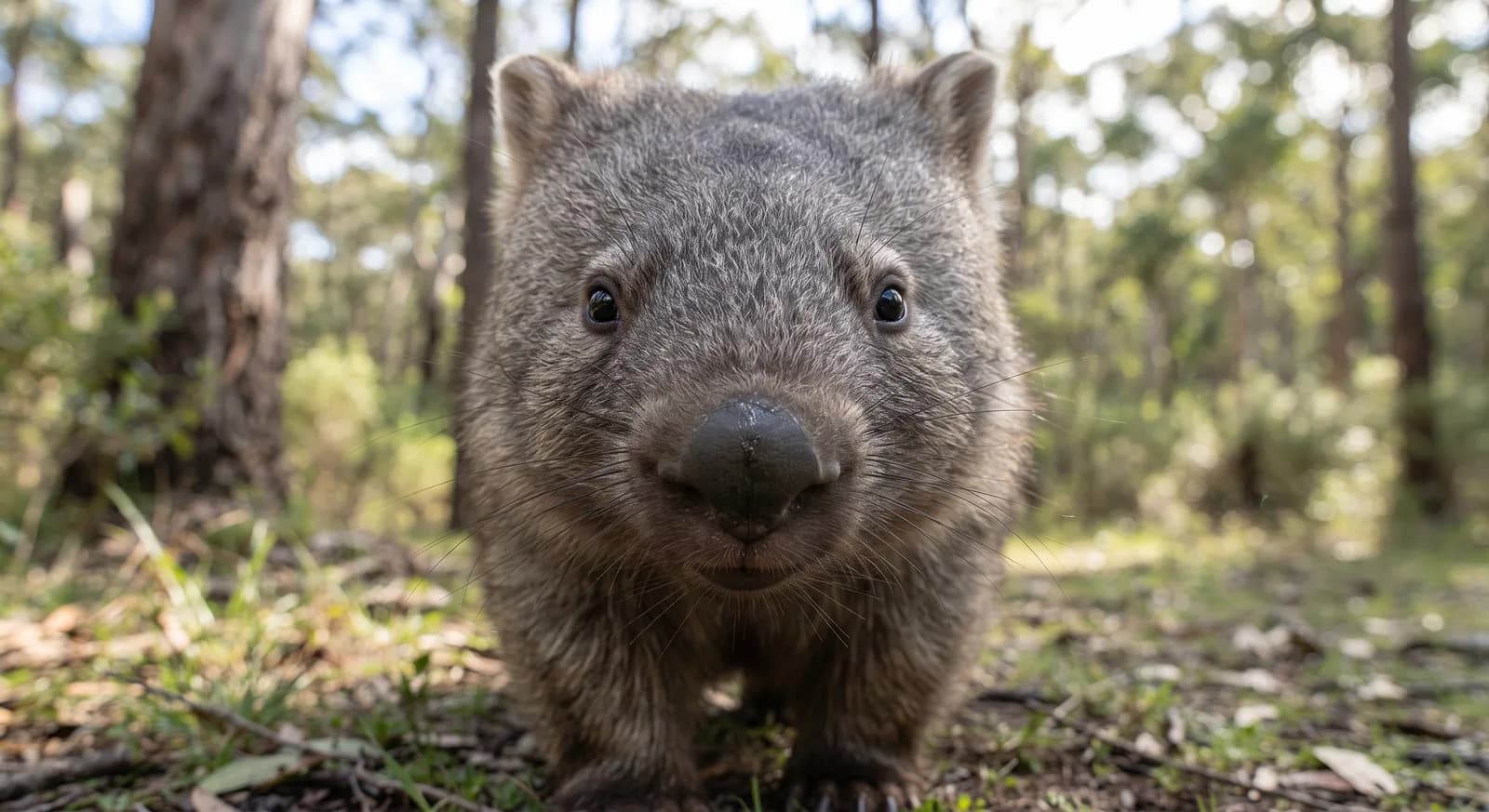
Least ConcernBare-nosed Wombat
Vombatus ursinus
Brown Antechinus
Antechinus stuartii
Redback
Latrodectus hasselti
Long-nosed Bandicoot
Perameles nasuta
Tawny Frogmouth
Podargus strigoides