Skip to content
WAnimals
  • Map
  • Species
  • Parks
  • Diving
Log inCreate account
WAnimals

The guide for travellers and animal lovers: discover, plan and share your wild adventures around the world.

Discover wildlife

  • Species
  • Ecosystems
  • Glossary
  • Tags

Explore places

  • Map
  • Countries
  • Parks
  • Diving

Plan experiences

  • Guides

Learn

  • Blog

Resources

  • Help centre
  • Contact
  • Install the app

Follow us

Account

  • Log in
  • Create account

© 2026 WAnimals. All rights reserved.

About usHow we build our profilesTerms of servicePrivacyLegal notice
MapSpeciesParksDiving
  1. Home
  2. Parks
  3. Australia
  4. Karijini

Karijini

National Park
Western Australia (Pilbara)Designated in 19696,274 km²
Spotted something wrong?

Banded iron gorges more than 2,500 million years old, among the oldest exposed rock on Earth

Area

6,274 km²

Protection category

IUCN II

Parque nacional —

Designated in

1969

Declared in 1969, it is the second largest national park in Western Australia and protects a system of deep gorges cut into banded iron formation more than 2,500 million years old, among the oldest exposed rock known at the Earth's surface, formed when the first photosynthetic organisms began releasing oxygen into the primitive oceans, precipitating the dissolved iron in successive layers that can be read today like a geological book of that era. The surrounding Pilbara region holds some of the largest iron ore deposits in the world, creating a constant tension between the mining industry and the protection of the park and its crystal-clear gorge pools.

Location

Loading map…

Karijini: 27 documented species

Mammals6Birds12Reptiles6Arachnida

Flora and ecosystems

Ecosystems found in Australia, where Karijini lies.

Tropical rainforestSavannahDesertMarine / coastal

Experiences in this park

Birdwatching

Wildlife you can see now

What is worth looking out for this month in Australia?

Now is a good time: The Humpback Highway on Australia's east coast (May to November (northbound May to August, southbound return August to November))

Now is a good time: Red crab migration on Christmas Island (October to January (spawning Nov-Dec))

Similar parks

Which other parks are like this one?

Same country: Australia

Same country: Australia

Same country: Australia

Same country: Australia

Keep exploring

Based on what we already know about this park.

Comments

Share your experience visiting Karijini, or a tip for other travellers.

Be the first to comment.

Region

Western Australia (Pilbara)

Climate

Tropical, Arid / desert, Temperate, Mediterranean

Best season

March to May

Plan your visit

Best season
March to May
Area
6,274 km²
More places in AustraliaSee location
2
Insecta1

Threatened:Dingo

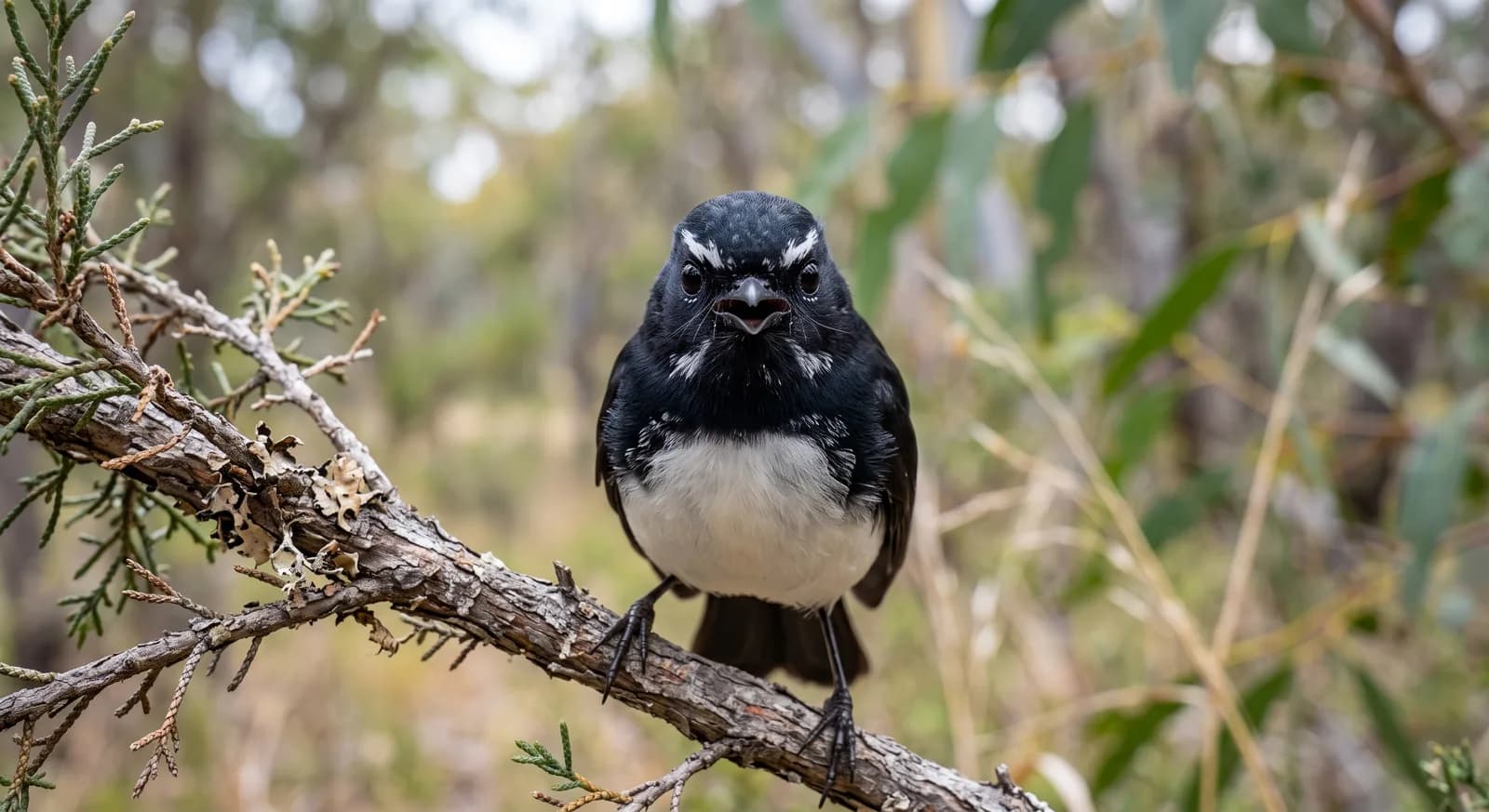
Willie WagtailLeast Concern

Willie Wagtail

Rhipidura leucophrys

Wedge-tailed EagleLeast Concern

Wedge-tailed Eagle

Aquila audax
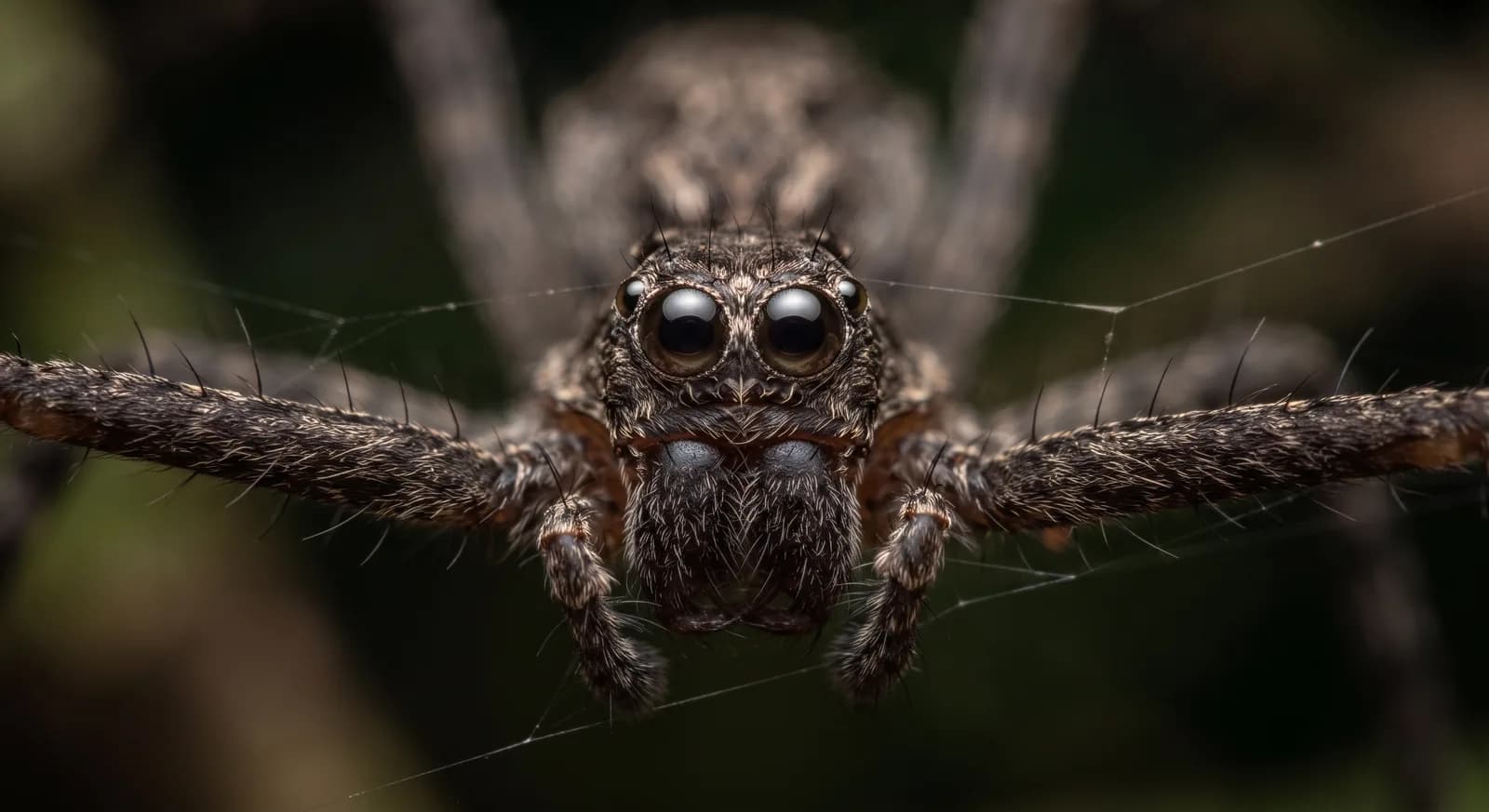
Ogrefaced SpiderNot Evaluated

Ogrefaced Spider

Deinopis spinosa
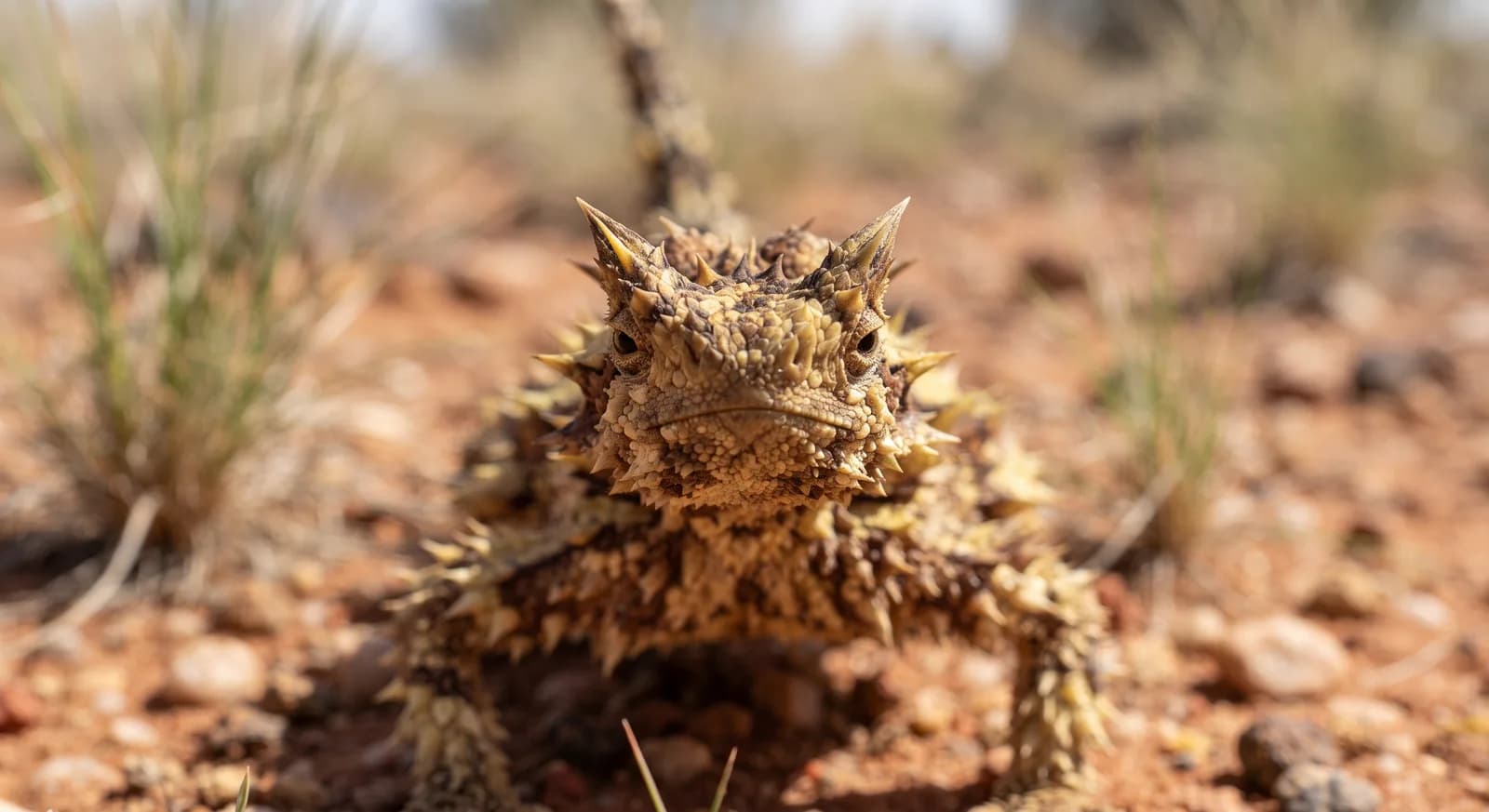
Thorny DevilLeast Concern

Thorny Devil

Moloch horridus

DingoVulnerable

Dingo

Canis lupus dingo

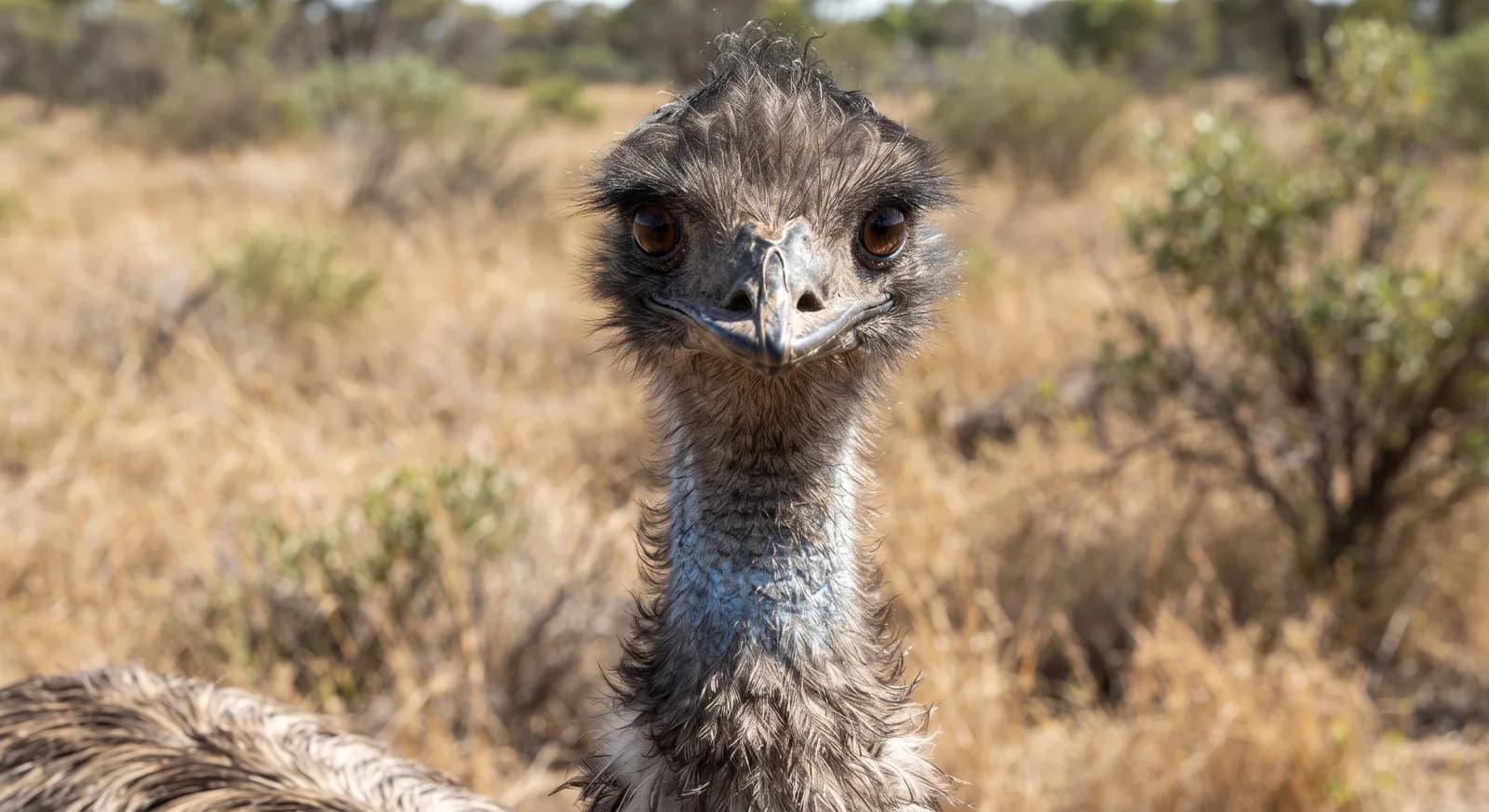
EmuLeast Concern

Emu

Dromaius novaehollandiae
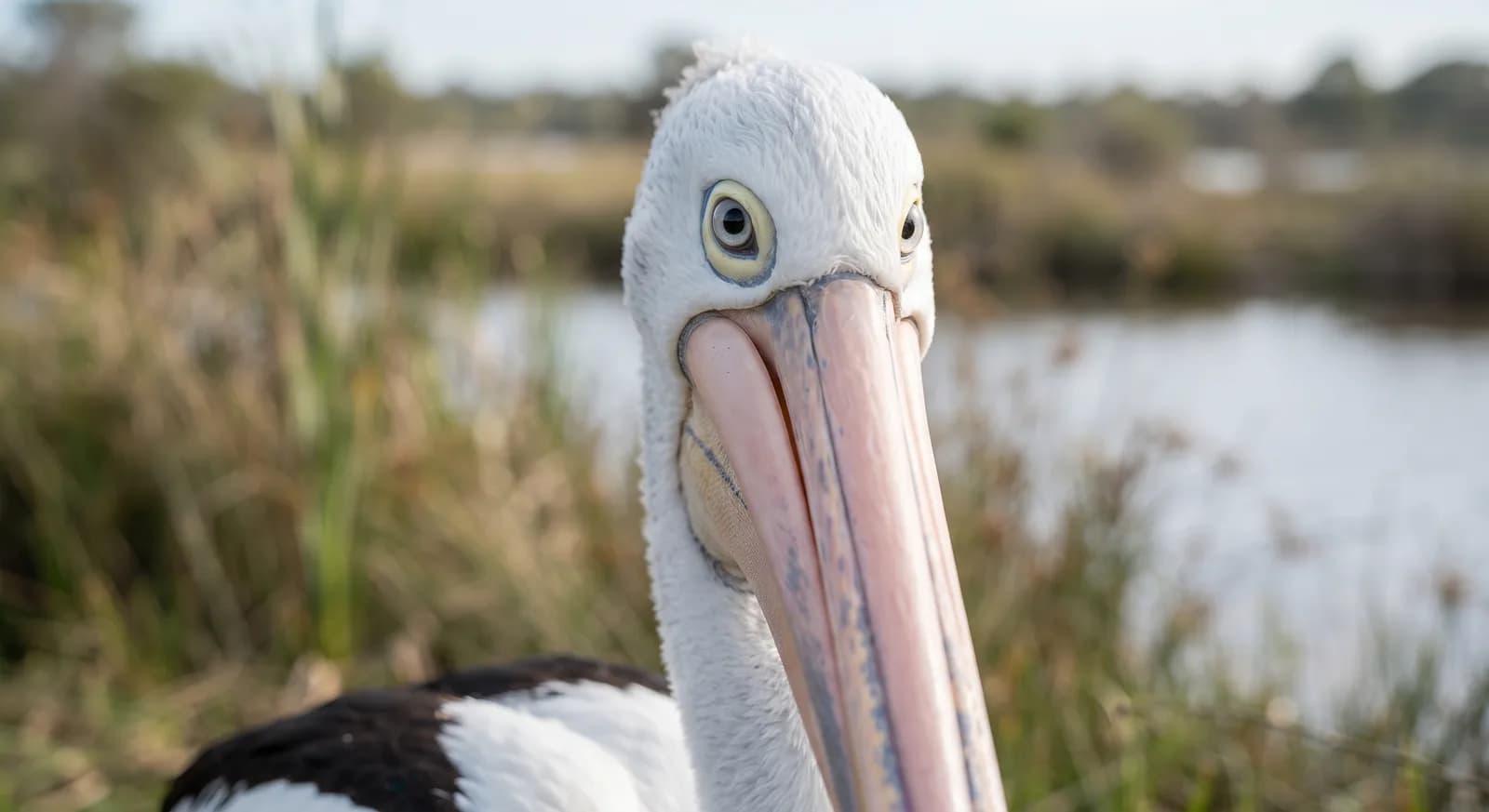
Australian PelicanLeast Concern

Australian Pelican

Pelecanus conspicillatus

Not Evaluated

Redback

Latrodectus hasselti

Least Concern

Tawny Frogmouth

Podargus strigoides

Least Concern

Galah

Eolophus roseicapilla

Least Concern

Red Kangaroo

Osphranter rufus

Least Concern

Black Swan

Cygnus atratus
See all 27 species found here

Australia · Western Australia (Pilbara)
what the IUCN categories mean
See on the interactive map→
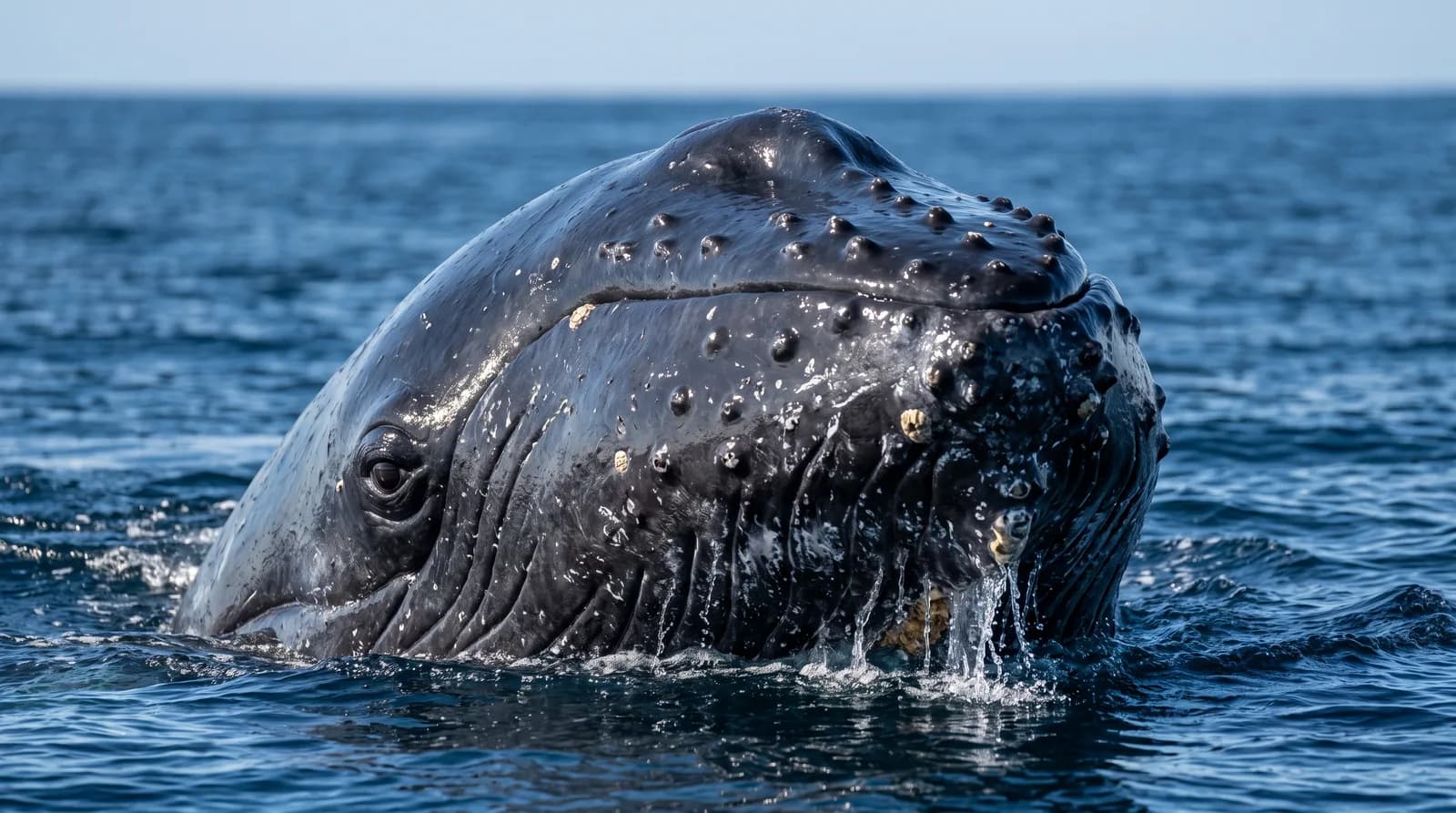
Humpback WhaleLeast Concern

Humpback Whale

Megaptera novaeangliae

Christmas Island Red CrabNot Evaluated

Christmas Island Red Crab

Gecarcoidea natalis

National Park

Maria Island

Australia

Bare-nosed Wombat · Cape Barren Goose

March to May

See park
National Park

Freycinet

Australia

Tasmanian devil · Bennett's wallaby

March to May

See park
UNESCO
National Park

Cradle Mountain-Lake St Clair

Australia

Wombat · Tasmanian Devil

March to May

See park
National Park

Flinders Ranges

Australia

Yellow-footed Rock Wallaby · Emu

March to May

See park
CountryAustralia
This page in other languages: Español · Deutsch · Français · Português · Italiano