- Skeleton type
- Vertebrate - internal bony skeleton (marsupial mammal)
- Habitat and environment
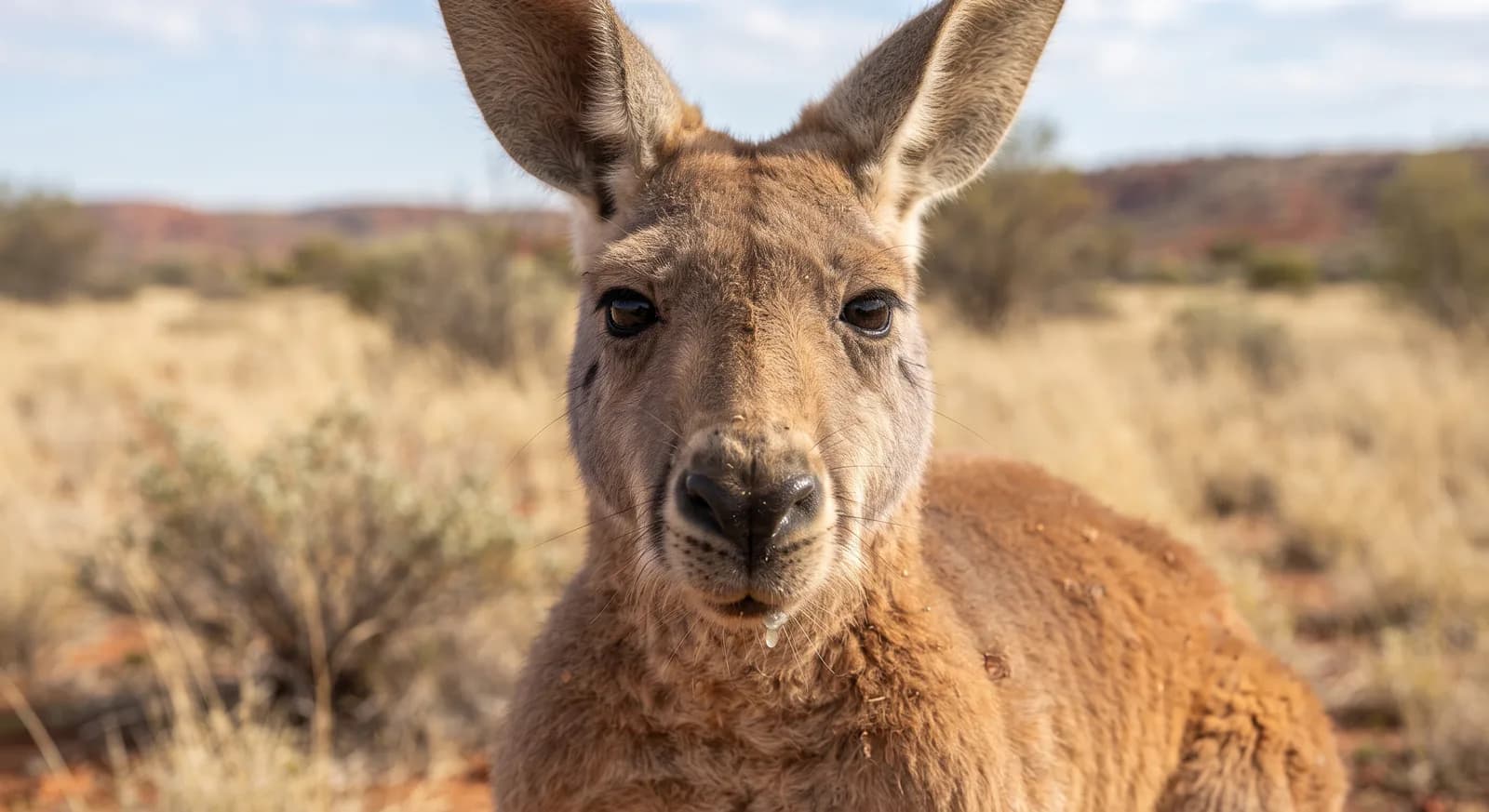
- Open plains, desert and arid scrub of inland Australia
- Birth weight
- ~0.75-0.8 grams (the size of a grain of rice)
- Size at birth
- 2.5 cm long at birth, wholly helpless and blind
- Sexual maturity
- Female: 15-24 months | Male: ~26 months (though he cannot breed effectively until he gains dominance)
- Gestation / incubation
- 30-34 days
- Litter / clutch size
- 1 young, with embryonic diapause able to hold a second embryo back
- Life expectancy in captivity
- Documented record of up to 25-30 years in captivity
Sources consulted: Pueblo Zoo · Bright's Zoo · AnAge (genomics.senescence.info) · Animal Corner · Animal Diversity Web · Australian Museum · Caversham Wildlife · PMC (juvenile feeding biology study) · IUCN Red List (Preocupación menor): especie ampliamente distribuida y abundante en la Australia árida y semiárida, con números que fluctúan con las lluvias · Departamento de Medio Ambiente de Australia, estimaciones de abundancia de macropódidos · IUCN Red List