Australia's first internationally certified Dark Sky Park, home of the country's principal astronomical observatory
Area
233 km²
Protection category
IUCN II
Parque nacional —
Designated in
1953
Declared in 1953, it protects a volcanic landscape of rock spires formed some 13-17 million years ago by the differential erosion of ancient lava flows. In 2016 it became Australia's first internationally certified Dark Sky Park, recognising the exceptional absence of light pollution that had already led in 1982 to the siting here of Siding Spring Observatory, Australia's principal centre for ground-based optical astronomical research.
Ecosystems found in Australia, where Warrumbungle lies.
What is worth looking out for this month in Australia?
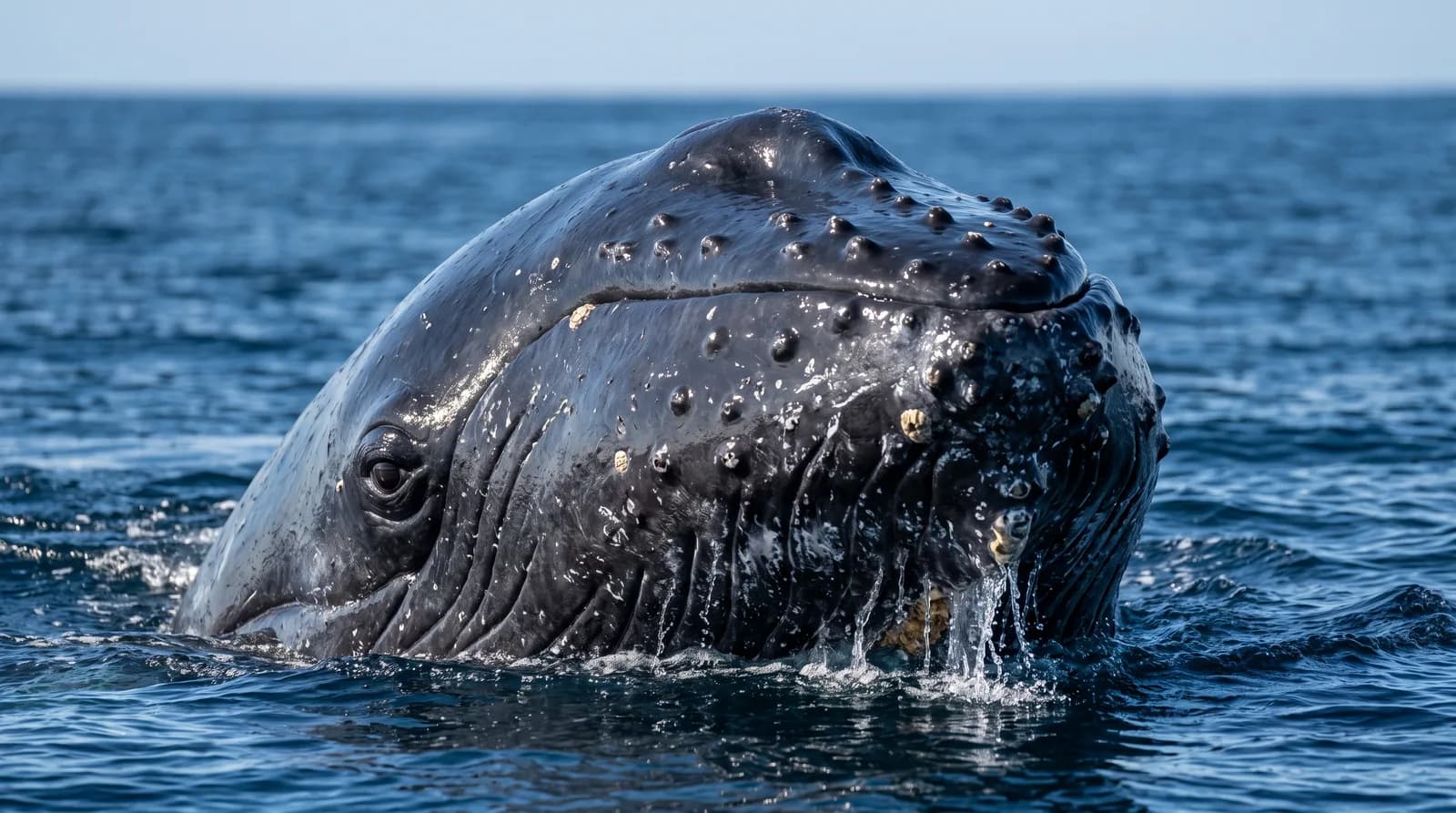
Now is a good time: The Humpback Highway on Australia's east coast (May to November (northbound May to August, southbound return August to November))
Now is a good time: Red crab migration on Christmas Island (October to January (spawning Nov-Dec))
Which other parks are like this one?
Same country: Australia
Based on what we already know about this park.
Share your experience visiting Warrumbungle, or a tip for other travellers.
Be the first to comment.
Region
New South Wales
Climate
Tropical, Arid / desert, Temperate, Mediterranean
Best season
March to May
Threatened:Koala,Brush-tailed Rock Wallaby
Endemic species of Australia:Koala
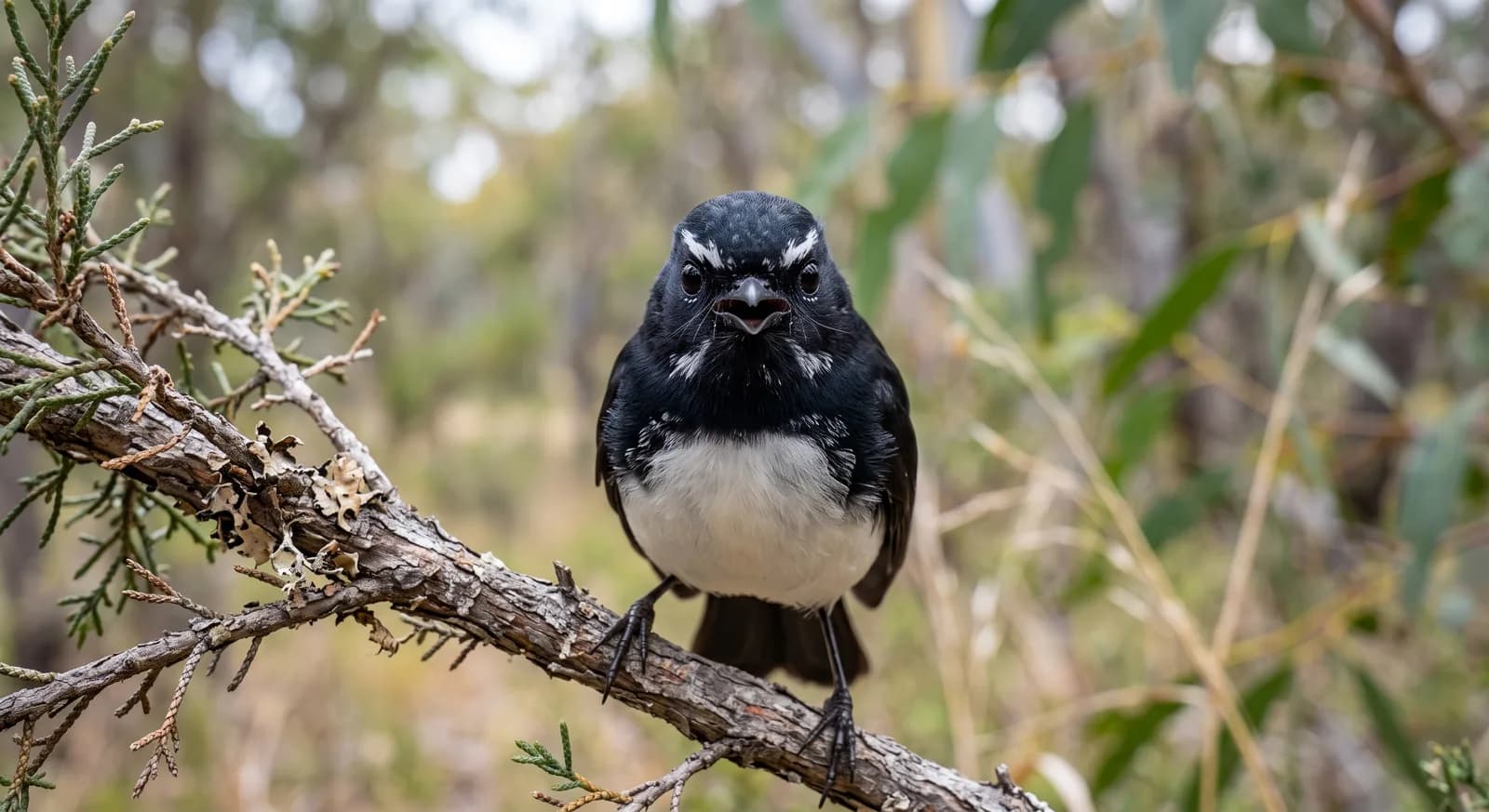
Least ConcernWillie Wagtail
Rhipidura leucophrys
Least ConcernWedge-tailed Eagle
Aquila audax
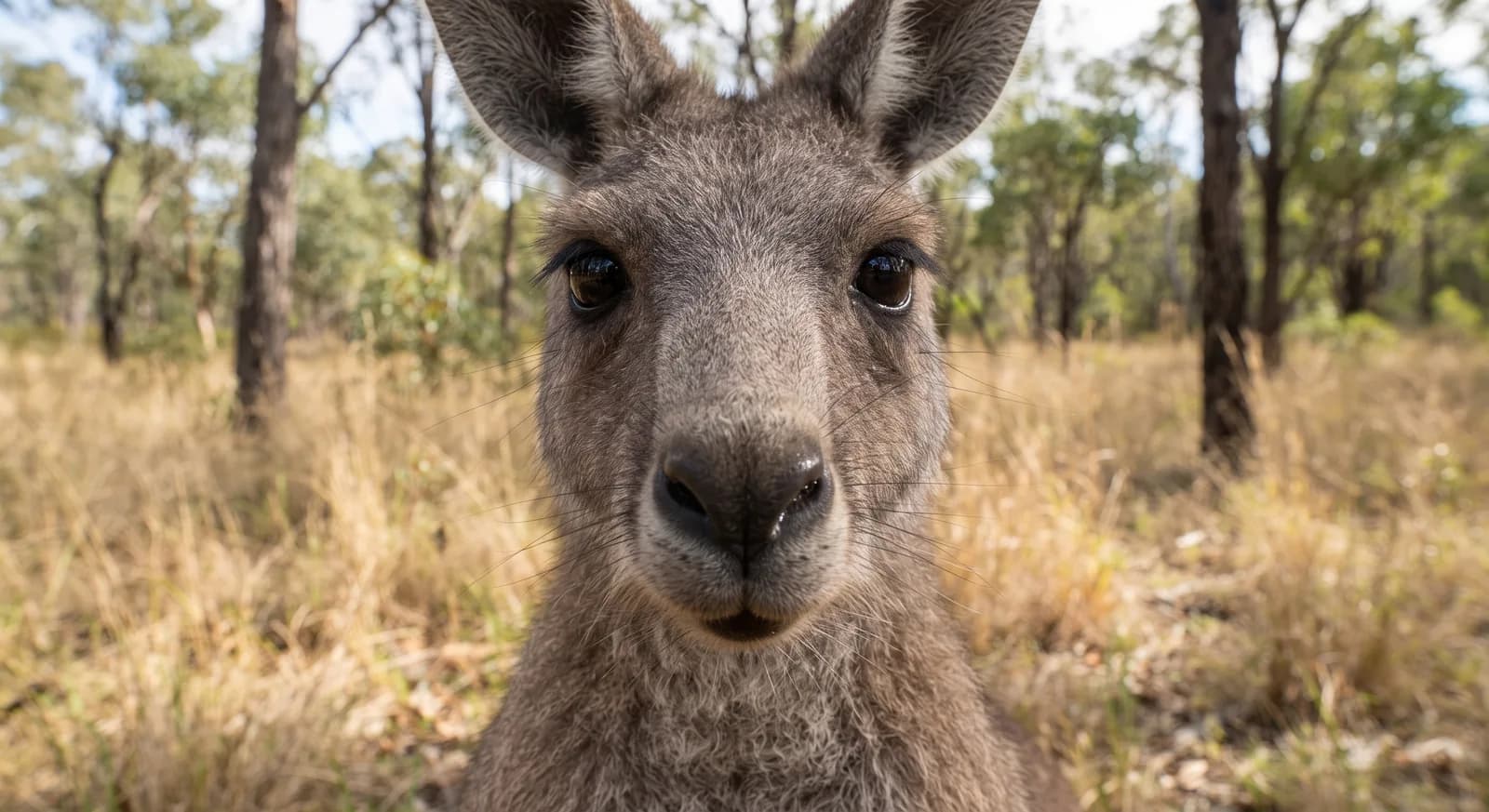
Least ConcernEastern Grey Kangaroo
Macropus giganteus
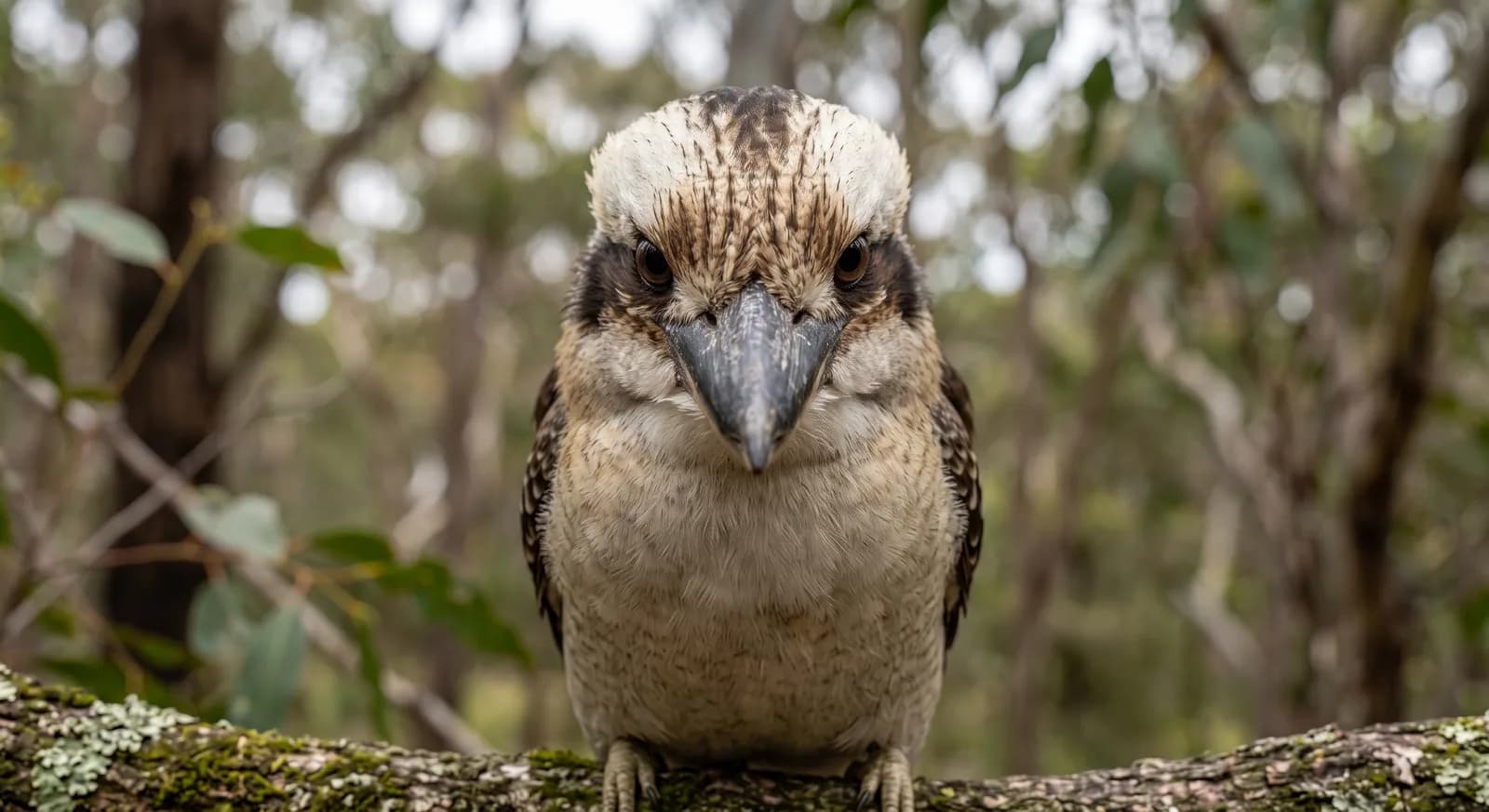
Least ConcernLaughing Kookaburra
Dacelo novaeguineae
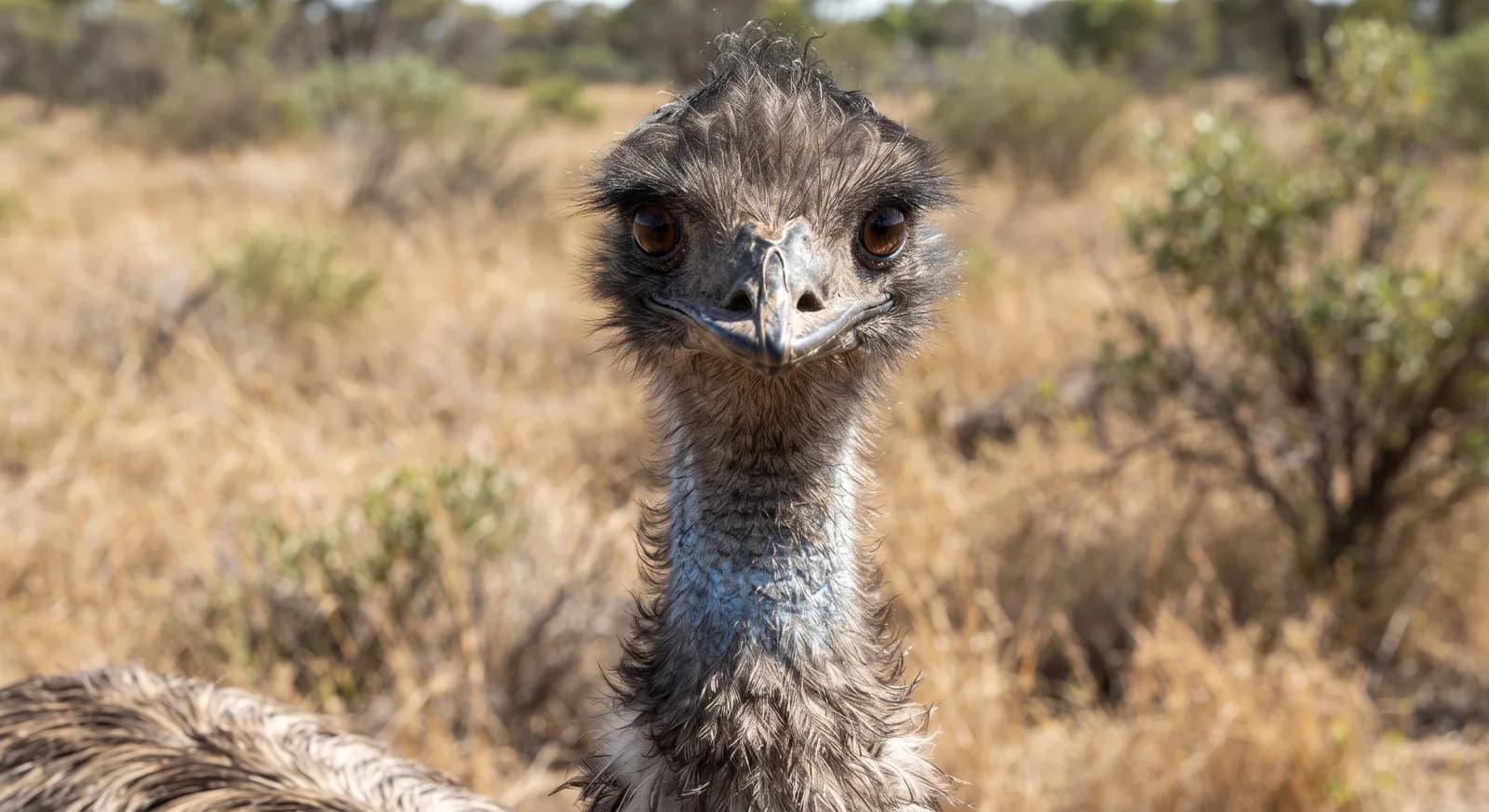
Least ConcernEmu
Dromaius novaehollandiae
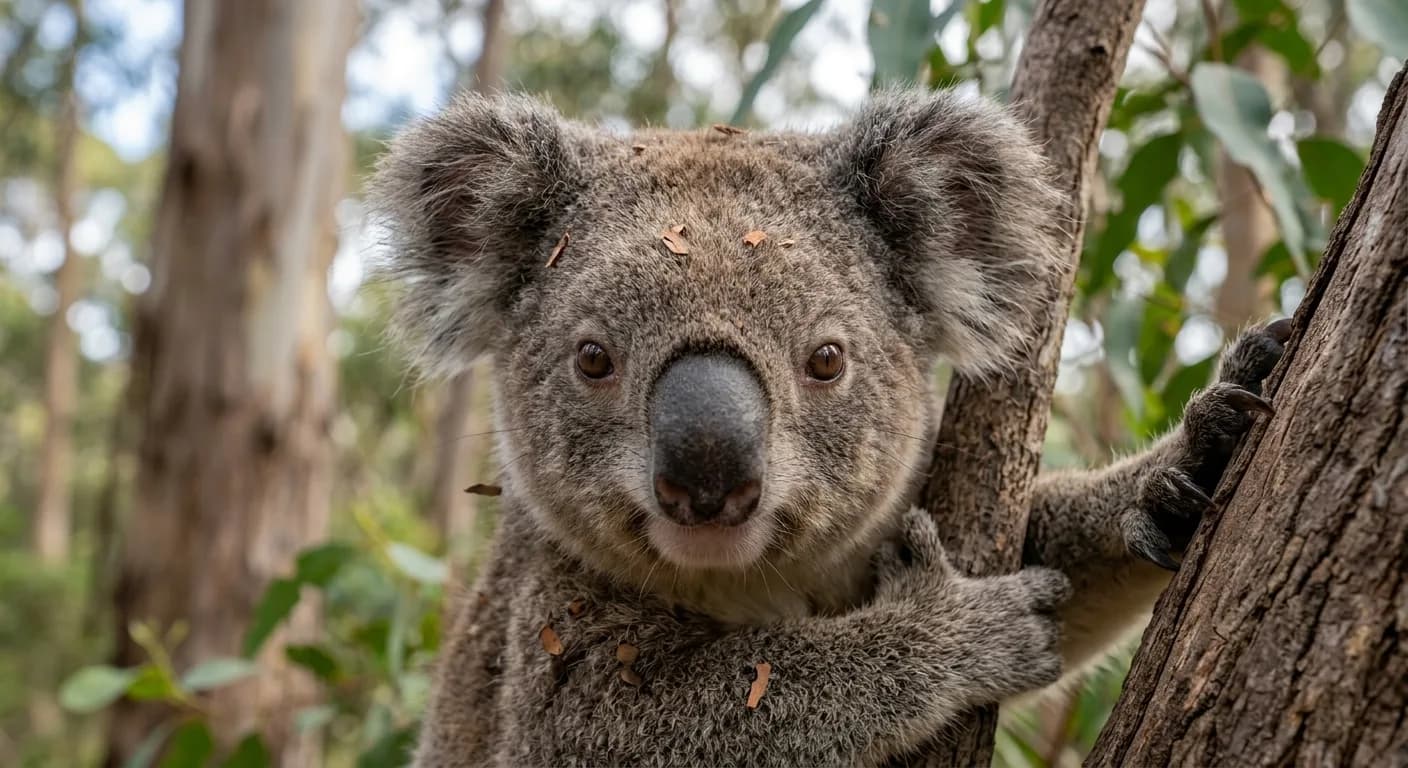
VulnerableKoala
Phascolarctos cinereus
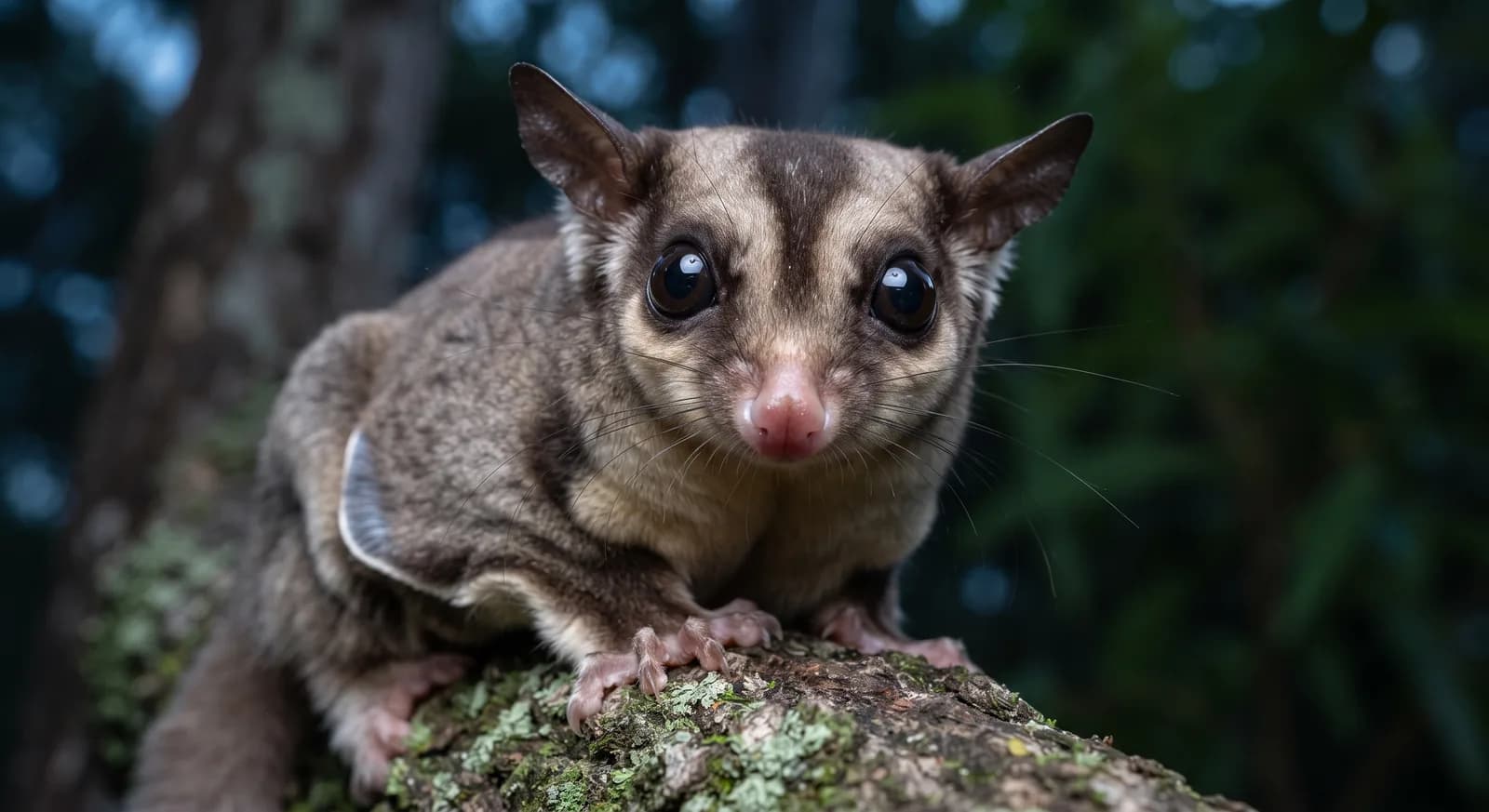
Least ConcernSugar Glider
Petaurus breviceps
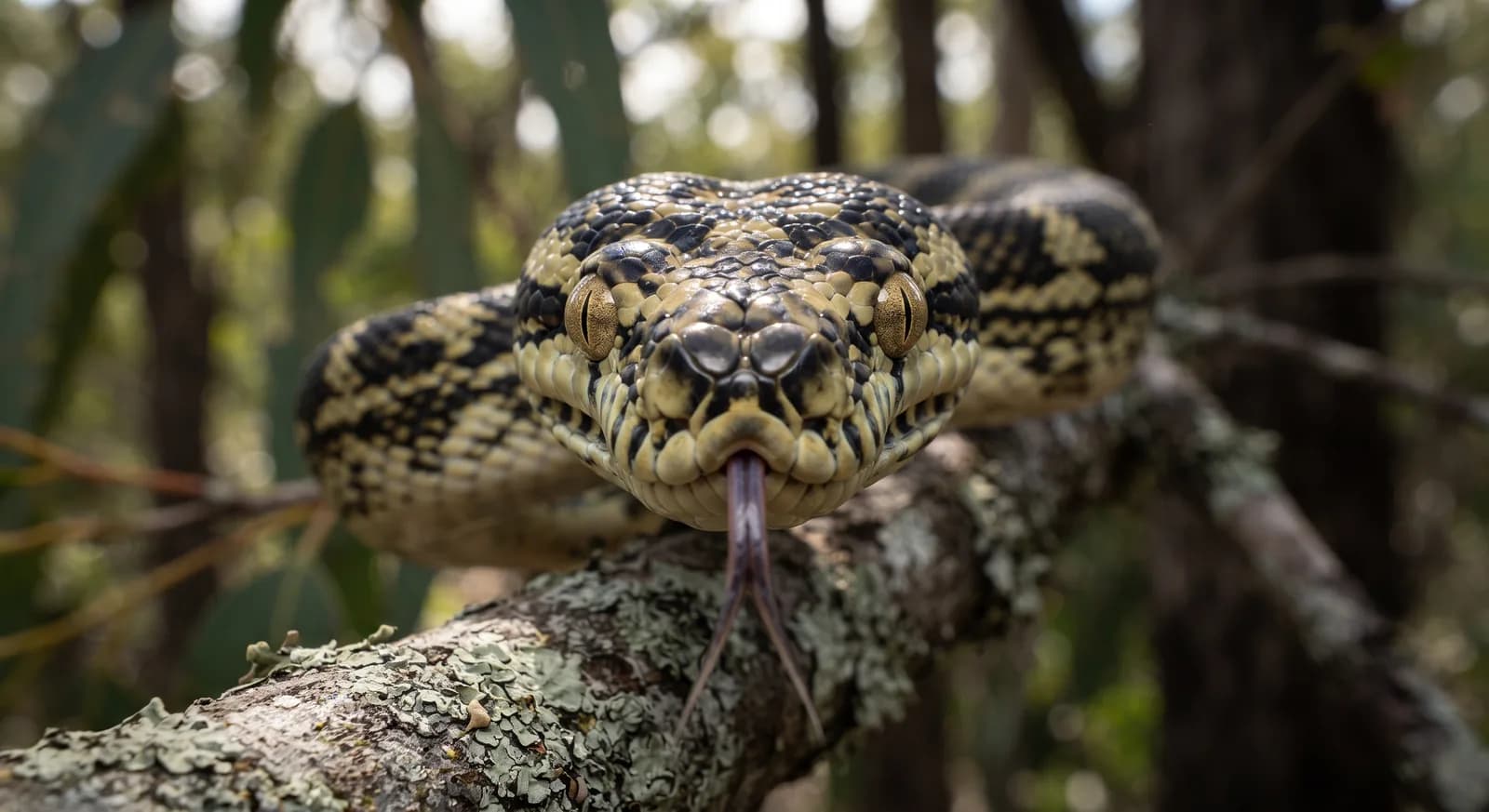
Least ConcernCarpet Python
Morelia spilota
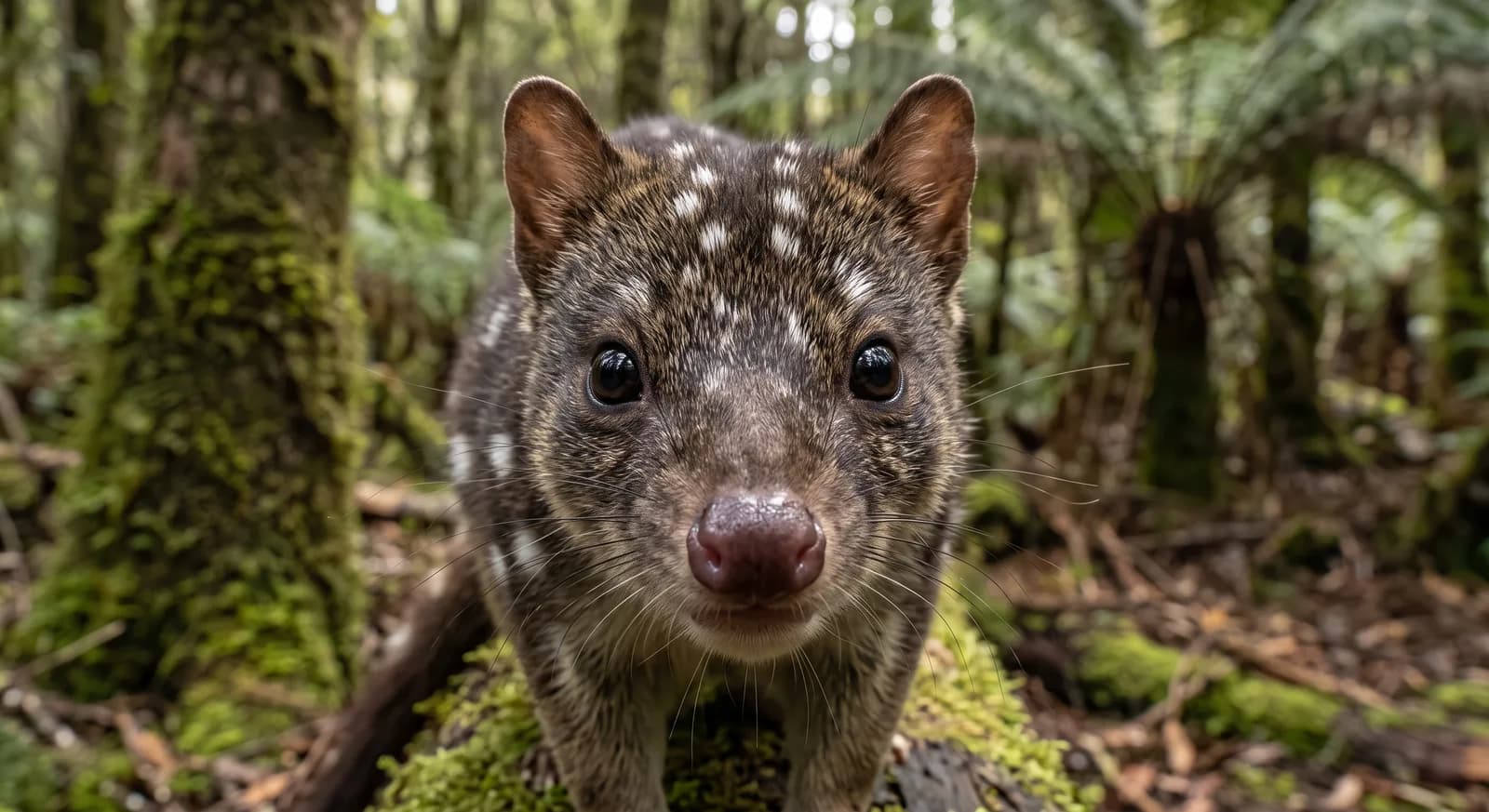
Near ThreatenedSpotted-tailed Quoll
Dasyurus maculatus
Least ConcernRed-necked Wallaby
Notamacropus rufogriseus
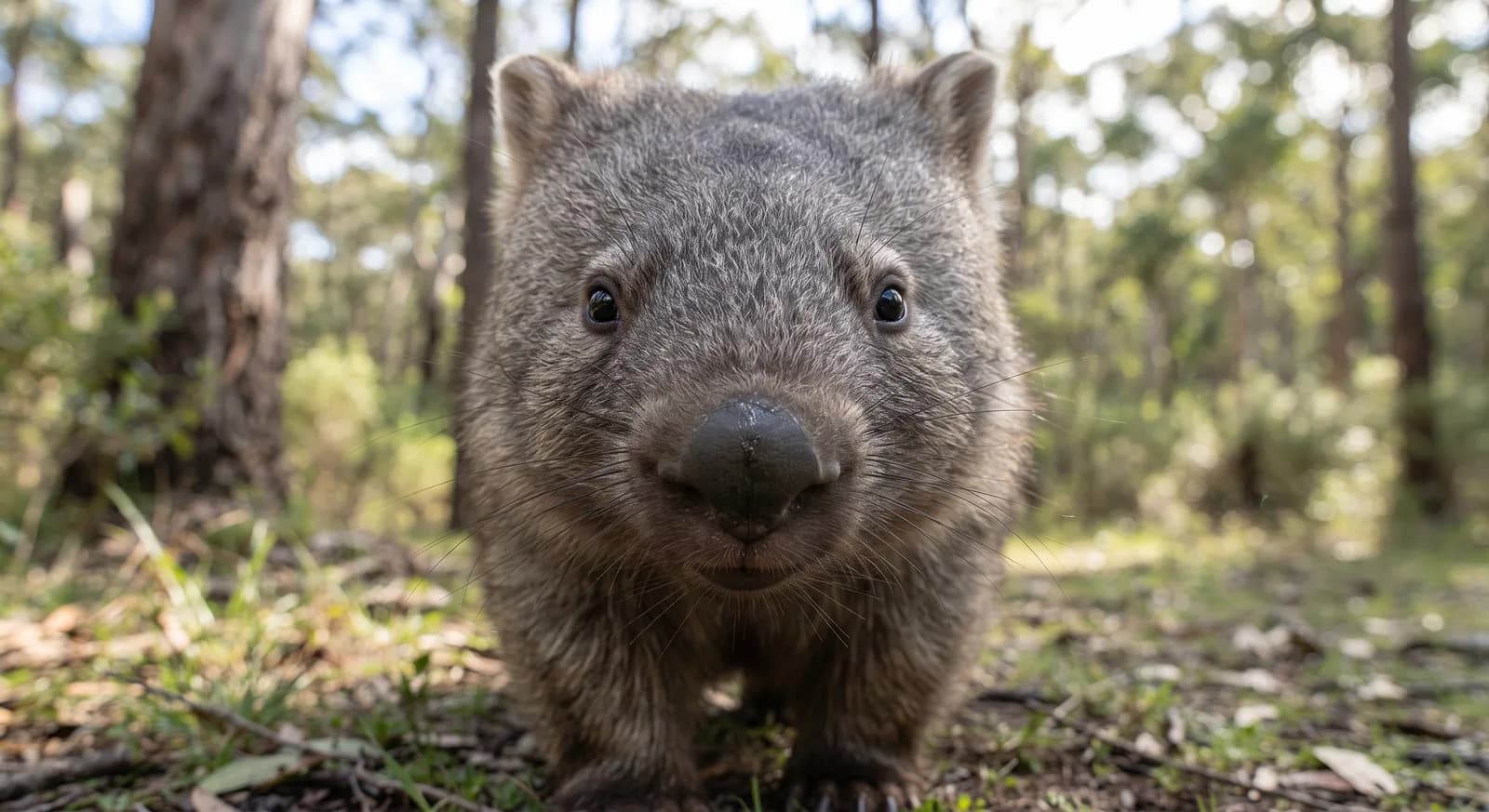
Least ConcernBare-nosed Wombat
Vombatus ursinus
Redback
Latrodectus hasselti