Skip to content
WAnimals
  • Map
  • Species
  • Parks
  • Diving
Log inCreate account
WAnimals

The guide for travellers and animal lovers: discover, plan and share your wild adventures around the world.

Discover wildlife

  • Species
  • Ecosystems
  • Glossary
  • Tags

Explore places

  • Map
  • Countries
  • Parks
  • Diving

Plan experiences

  • Guides

Learn

  • Blog

Resources

  • Help centre
  • Contact
  • Install the app

Follow us

Account

  • Log in
  • Create account

© 2026 WAnimals. All rights reserved.

About usHow we build our profilesTerms of servicePrivacyLegal notice
MapSpeciesParksDiving
  1. Home
  2. Species
  3. Galah

One of the 4 cockatoos on WAnimals

Birds · Psittaciformes · Cacatuidae

Galah

Eolophus roseicapilla

Least Concern

The species is abundant and widely distributed; it faces no significant short-term risk.

Spotted something wrong?

The galah, or rose-breasted cockatoo, is one of the most abundant and most recognisable birds in Australia: deep pink on the breast and head, grey on the back, with a pale pink crest. It forms noisy flocks of hundreds of birds that feed on seeds in crops and grassland. It has benefited enormously from farming and from stock watering points, and its range and numbers have increased since European settlement.

Weight

270 g – 350 g

Size

34 cm – 38 cm

Life expectancy

40 years

Diet

Herbivore

Feeds mainly on plants.

Activity

Diurnal

Active mainly during the day.

Social structure

Colony

Lives in large concentrations, often for breeding reasons.

Sighting difficulty

Easy

SavannaTemperate forestDesertGrassland
1countries31parks3same family

Fun facts

  • GeneralIt forms noisy flocks of hundreds and can live over 70 years.
  • Its name, galah, is used in Australian slang to mean a fool, after its apparently absurd acrobatic games: they hang upside down from wires, spin round and drop into dives for no apparent reason.
  • It deliberately chews the bark around the hollow where it nests, leaving a pale mark that flags the nest from a distance and whose function is still debated.

Life cycle and biology

Skeleton type
Vertebrate - internal bony skeleton (bird)
Habitat and environment
Grassland, cereal crops, wooded savannah and city parks across almost the whole of Australia
Sexual maturity
11.9 months
Gestation / incubation
25 days of incubation
Litter / clutch size
4 eggs

Sources consulted: https://es.wikipedia.org/wiki/Eolophus_roseicapilla

Where to find it

Loading map…

The pins mark the parks where its presence is documented.

Where to see it

Parks and dive sites where this species has been documented — showing 10 of 31.

Related species

Other species in the catalogue with the most in common with Galah — same habitat, park, country, tags or family.

Same taxonomic family
Shares a park
Shares a park
Shares a park

Keep exploring

Based on what we already know about galah.

Comments

Share an experience, a fun fact or a tip for seeing the galah.

Be the first to comment.
See full glossary
This page in other languages: Español · Deutsch · Français · Português · Italiano
See its range on the interactive map→
KakaduAustralia
Uluru-Kata TjutaAustralia
Blue MountainsAustralia
Purnululu (Bungle Bungle)Australia
KosciuszkoAustralia
Nitmiluk (Katherine Gorge)Australia
LitchfieldAustralia
Grampians (Gariwerd)Australia
Ikara-Flinders RangesAustralia
Shark BayAustralia
See all 31 parks
Least Concern

Sulphur-crested Cockatoo

Cacatua galerita

Near Threatened

Palm Cockatoo

Probosciger aterrimus

Least Concern

Cockatiel

Nymphicus hollandicus

Western Gray KangarooLeast Concern

Western Gray Kangaroo

Macropus fuliginosus

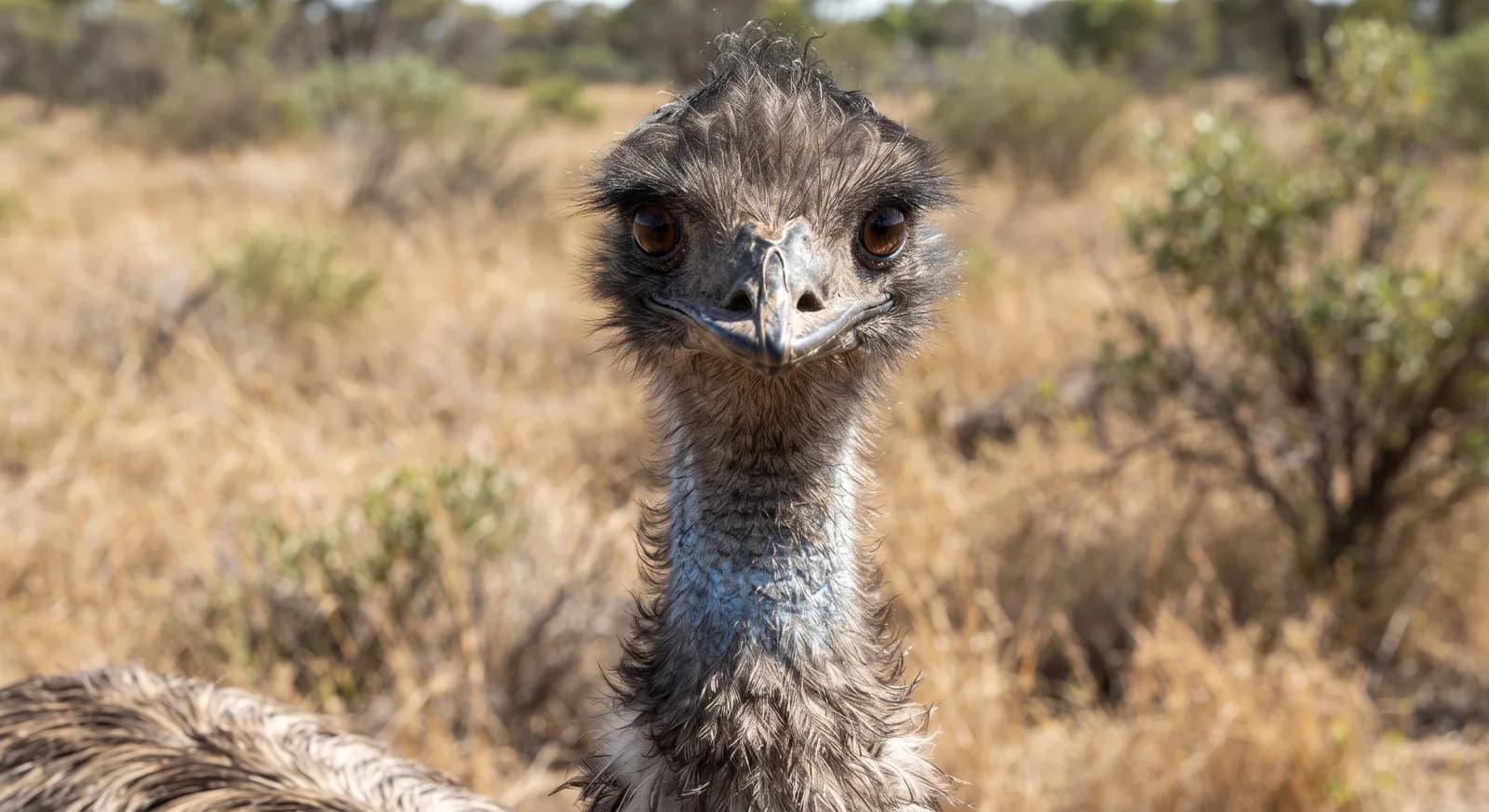
EmuLeast Concern

Emu

Dromaius novaehollandiae

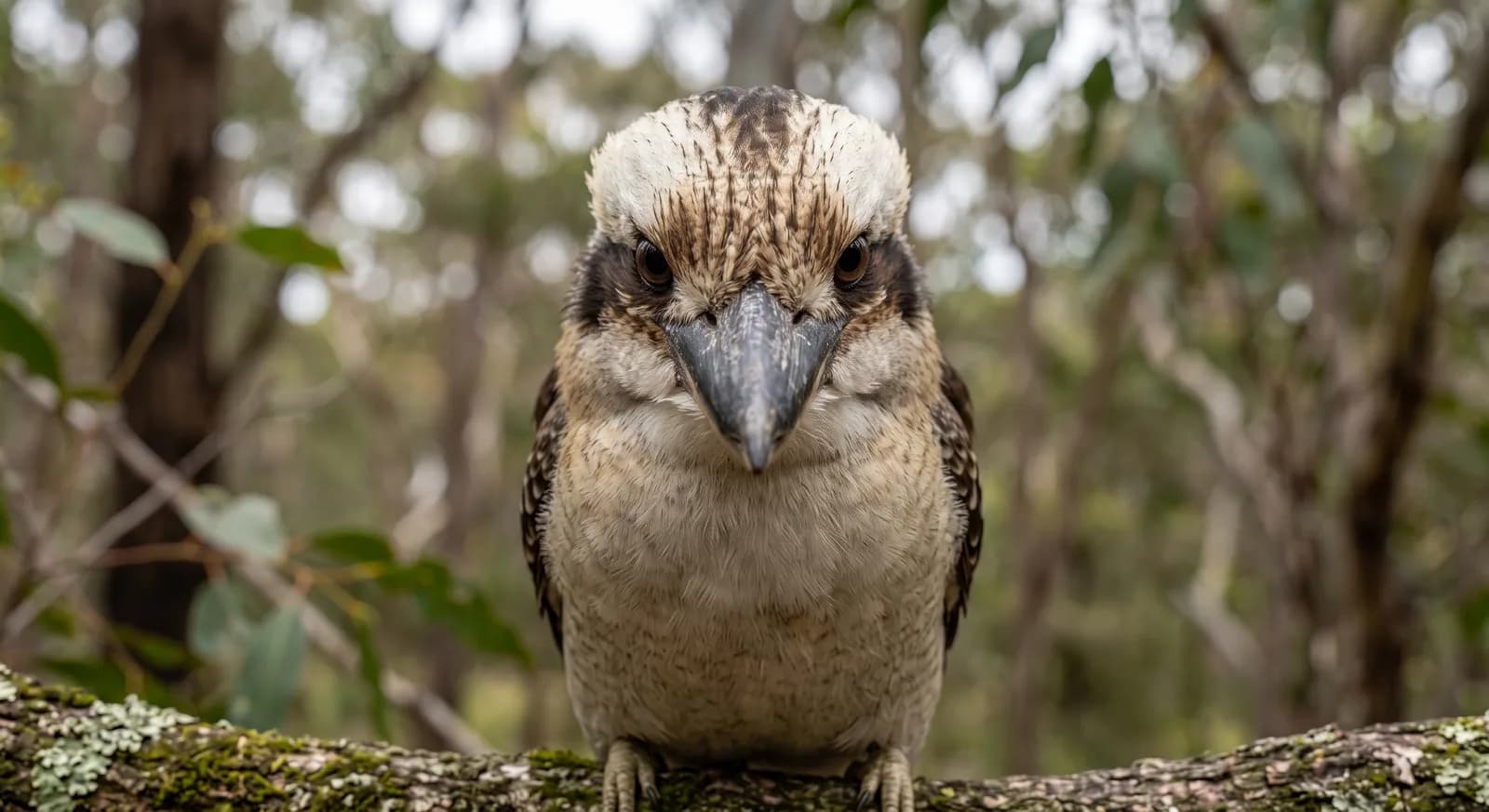
Laughing KookaburraLeast Concern

Laughing Kookaburra

Dacelo novaeguineae

CountriesAustralia
ParksKakaduAustralia
TagsHerbivore
Herbivore
Diurnal
Colonial
Bird
Savanna
Temperate forest
Desert
Grassland
Australia