The southernmost coral reef in the world, on a volcanic island left over from a sunken seven-million-year-old volcano
Area
1,455 km²
Designated in
1981
Region
Tasman Sea (Australian territory)
Protected across most of its area since 1981 and a UNESCO World Heritage Site since 1982, Lord Howe Island is the eroded remnant of a sunken seven-million-year-old volcano and holds the southernmost coral reef on the planet. It is celebrated in scientific circles for the extraordinary story of the Lord Howe stick insect, given up as extinct after rats were accidentally introduced in 1918, until in 2001 a small party of climbers rediscovered a surviving population of barely a few dozen clinging to a single shrub on the volcanic stack of Ball's Pyramid, 23 km from the main island; since then a captive breeding programme in Australian zoos has brought the species back and made it possible to plan its eventual reintroduction, after the island's invasive rats were completely eradicated in 2019.
Threatened:
Ecosystems found in Australia, where Lord Howe Island lies.
What is worth looking out for this month in Australia?
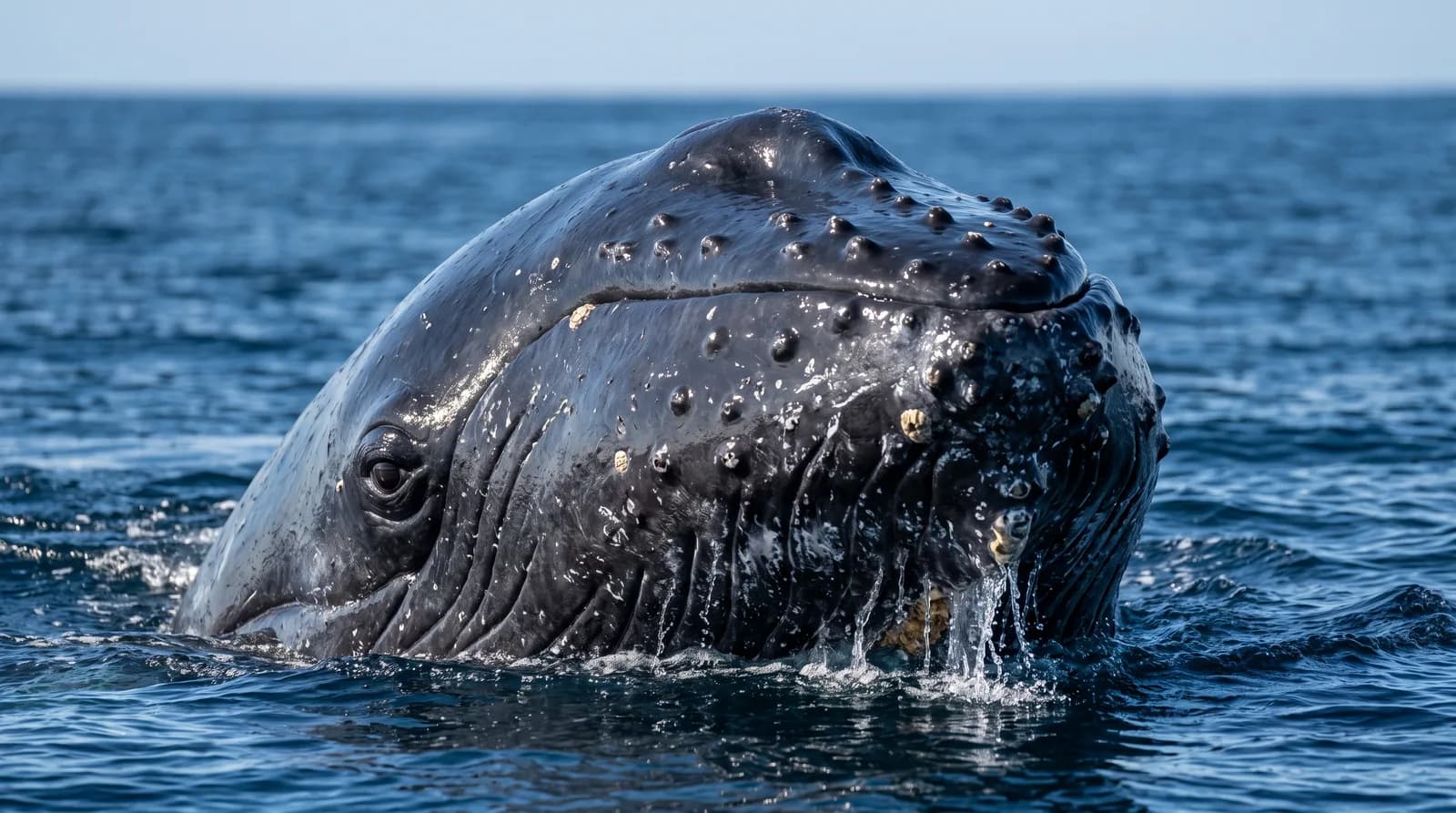
Now is a good time: The Humpback Highway on Australia's east coast (May to November (northbound May to August, southbound return August to November))
Now is a good time: Red crab migration on Christmas Island (October to January (spawning Nov-Dec))
Which other parks are like this one?
Same country: Australia
Same country: Australia
Same country: Australia
Same country: Australia
Based on what we already know about this park.
Share your experience visiting Lord Howe Island, or a tip for other travellers.
Be the first to comment.
Climate
Tropical, Arid / desert, Temperate, Mediterranean
Best season
March to May

 Australia