One of the 2 hornets on WAnimals
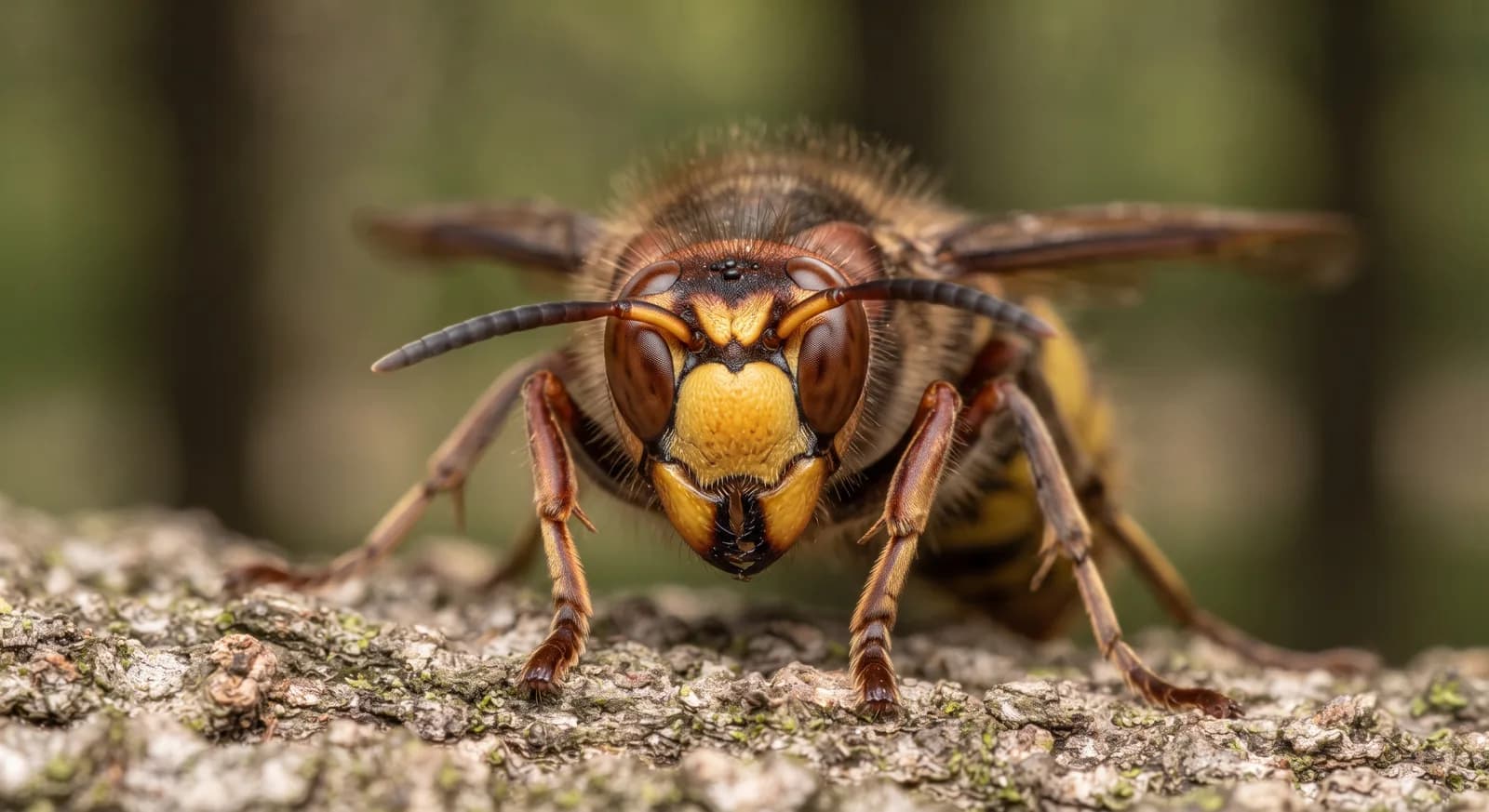
Insects · Hymenoptera · Vespidae
Vespa crabro
It has not yet been assessed against the IUCN criteria.
Its colony runs on a strictly annual cycle: in autumn the founding queen, all the workers and the males die, and only the newly mated queens survive, in hibernation.
Size
1.8 cm – 3.5 cm
Life expectancy
1 year
Diet
Carnivore
Feeds mainly on other animals.
Activity
Nocturnal
Active mainly at night.
Social structure
Colony
Lives in large concentrations, often for breeding reasons.
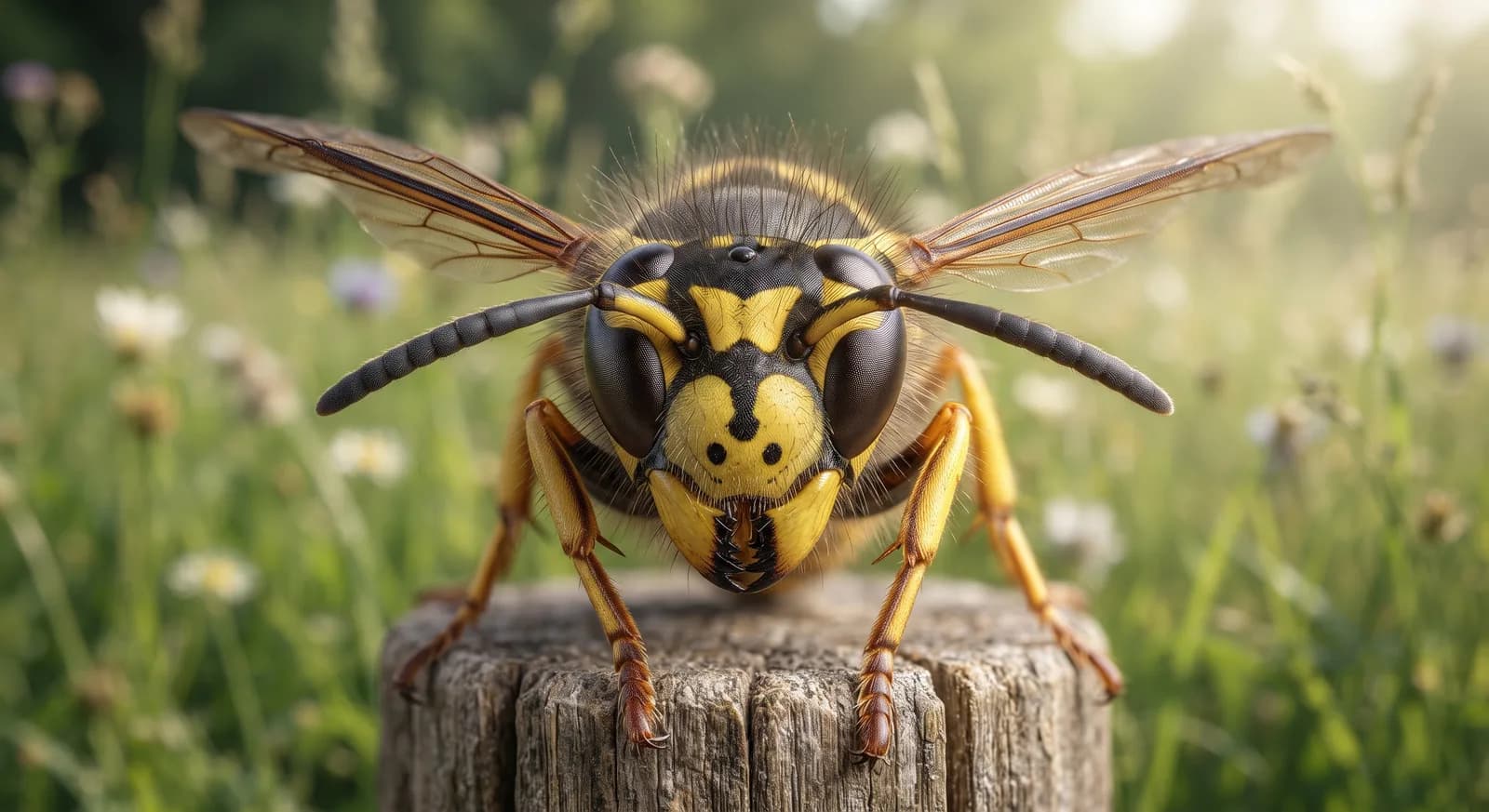
AI-generated images: illustrations, not photographs.
Sources consulted: Dimensions.com · Buglife · Animal Kingdom · BugBrief · Spiderzoon · Wasp-Removal.com · iNaturalist · Animalia.bio · Springer (captive rearing study) · Atlas de Animales, ficha Avispon europeo · ficha de especie de Vespa crabro
Best time: The queen mated the previous autumn emerges in April or May and founds the nest alone; the first workers appear around June and in July and August the colony grows to 300-700 workers, with maxima of 1,000. The nest reaches its fullest development in September in southern countries and the whole colony dies with the first frosts, except the young mated queens
Parks and dive sites where this species has been documented — showing 10 of 152.
Other species in the catalogue with the most in common with Hornet — same habitat, park, country, tags or family.
Based on what we already know about hornet.
The pins mark the parks where its presence is documented.