Skip to content
WAnimals
  • Map
  • Species
  • Parks
  • Diving
Log inCreate account
WAnimals

The guide for travellers and animal lovers: discover, plan and share your wild adventures around the world.

Discover wildlife

  • Species
  • Ecosystems
  • Glossary
  • Tags

Explore places

  • Map
  • Countries
  • Parks
  • Diving

Plan experiences

  • Guides

Learn

  • Blog

Resources

  • About us
  • How we build our profiles
  • Help centre
  • Contact
  • Install the app

Follow us

Account

  • Log in
  • Create account

© 2026 WAnimals. All rights reserved.

Terms of servicePrivacyCookiesLegal notice
MapSpeciesParksDiving
  1. Home
  2. Species
  3. Jersey Tiger

Insects · Lepidoptera · Erebidae

Jersey Tiger

Euplagia quadripunctaria

Least Concern

The species is abundant and widely distributed; it faces no significant short-term risk.

Spotted something wrong?

The Jersey tiger is a moth with black forewings striped in cream zigzags and hindwings of a vivid orange-red that show only in flight. It is active by day and by night, and in summer it gathers in damp gorges and ravines.

Size

5.2 cm – 6.5 cm

Life expectancy

1 year

Diet

Herbivore

Feeds mainly on plants.

Activity

Nocturnal

Active mainly at night.

Social structure

Solitary

Lives and hunts alone, joining others only to breed.

Temperate forest
40countries96parks2same family

Fun facts

  • It is a priority species in Annex II of the European Union Habitats Directive, a category reserved for a small number of species.
  • In the Valley of the Butterflies on Rhodes, in Greece, hundreds of thousands gather every summer on the trunks of the sweetgum trees, drawn by the damp and the resin; noise from visitors that puts them to flight exhausts them and reduces their breeding success.
  • The contrast between the cryptic forewings and the red hindwings is a startle defence: opening suddenly, the flash disconcerts the predator.
  • It flies by day despite being a moth, which is unusual, and visits flowers like a butterfly.
  • Its most striking behaviour is its summer aggregation. In the Valley of the Butterflies on Rhodes, in Greece, hundreds of thousands of individuals gather every summer on the trunks of the storax trees, drawn by their resin, and remain almost motionless while they wait out the heat.
  • Those aggregations are a huge tourist attraction, and also a problem: noise and disturbance make the moths take flight, burning reserves they need for breeding.
  • Like the garden tiger moth, it hides red hindwings with black spots beneath cryptic forewings striped in cream and black.
  • It is a species of Community interest under the European Union's Habitats Directive, the only moth listed as a priority species.

Life cycle and biology

Skeleton type
Invertebrate - chitin exoskeleton (insect)
Habitat and environment
Damp ravines, forest edges and shaded watercourses of Europe
Sexual maturity
The female releases pheromones to attract males when the temperature rises above 15 °C
Gestation / incubation
The eggs hatch after about two weeks; the caterpillar feeds from September to May, overwinters while it is still small among the dead leaves and pupates in spring
Litter / clutch size
Clutches that often exceed 500 eggs

Sources consulted: Directiva Hábitats de la UE · Butterfly Conservation Europe · estudios sobre la agregación de Petaloudes, Rodas · Wellcome Open Research, genoma de Euplagia quadripunctaria · Directiva Habitats 92/43/CEE, anexo II · fichas de especie · ScienceDirect (Hughes 1989) · Science Advances, How colonial animals evolve · Wikipedia, Zooid · Wellcome Open Research, genoma de Euplagia quadripunctaria (Waring et al. 2017) · Ficha de especie de Euplagia quadripunctaria · UKmoths · Wellcome Open Research (Brakefield & Liebert 1985) · Monaco Nature Encyclopedia

Where to find it

Best time: Flies from July to September depending on the locality, along damp paths in broadleaf woodland, riverbanks and shaded ravines, often in large numbers on hemp-agrimony (Eupatorium cannabinum)

Loading map…

Where to see it

Parks and dive sites where this species has been documented — showing 10 of 96.

Related species

Other species in the catalogue with the most in common with Jersey Tiger — same habitat, park, country, tags or family.

Shares a park
Shares a park
Shares a park
Shares a park
Shares a park
Shares a park

Keep exploring

Based on what we already know about jersey tiger.

Share an experience, a fun fact or a tip for seeing the jersey tiger.
See full glossary
This page in other languages: Español · Deutsch · Français · Português · Italiano

The pins mark the parks where its presence is documented.
See its range on the interactive map→
Picos de EuropaSpain
Ordesa y Monte PerdidoSpain
Aigüestortes i Estany de Sant MauriciSpain
Peneda-GerêsPortugal
CévennesFrance
CalanquesFrance
Abruzzo, Lazio and MoliseItaly
Cinque TerreItaly
Alta MurgiaItaly
Mount OlympusGreece
See all 96 parks
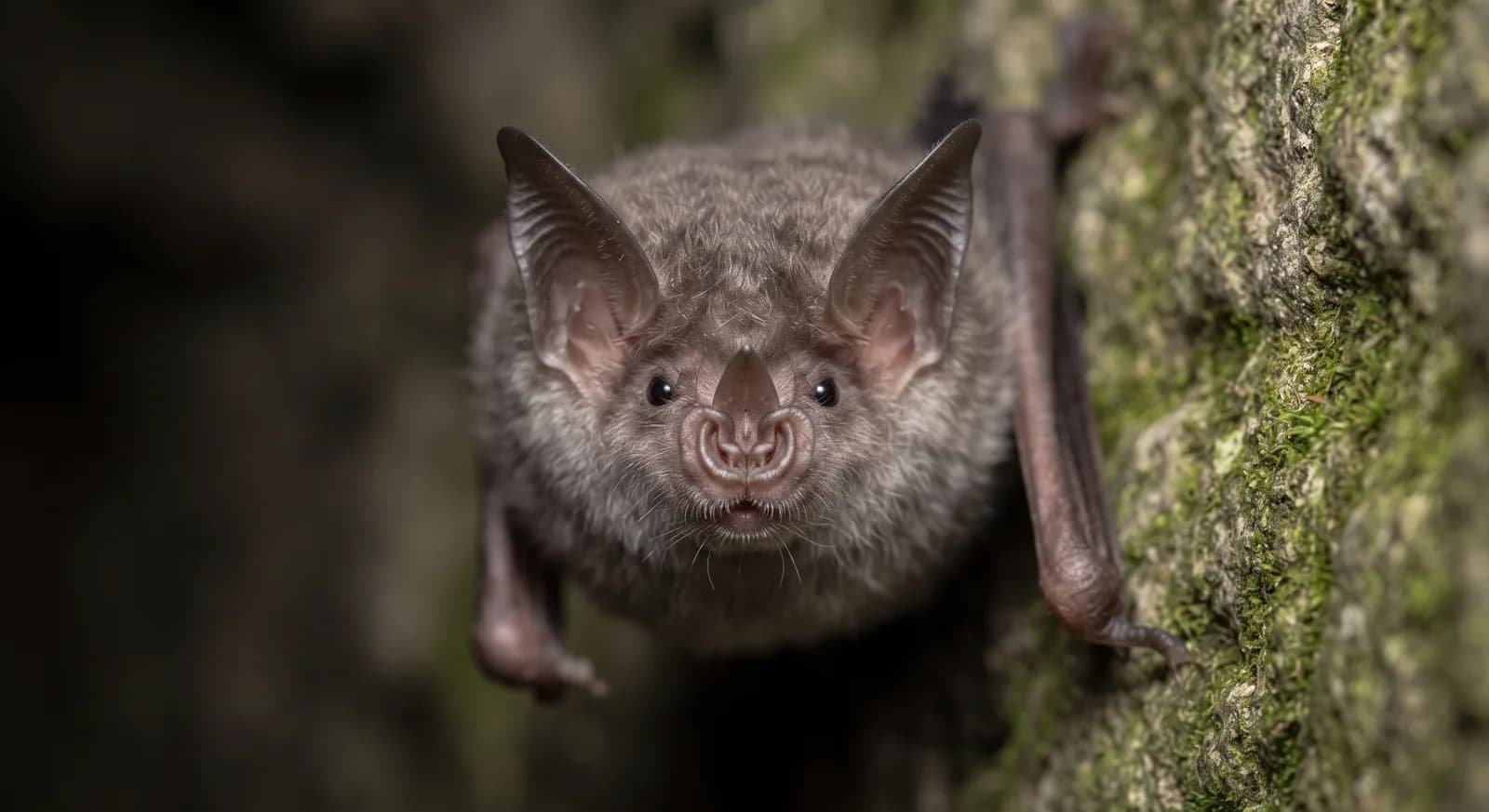
Greater Horseshoe BatLeast Concern

Greater Horseshoe Bat

Rhinolophus ferrumequinum

Least Concern

Common Pipistrelle

Pipistrellus pipistrellus

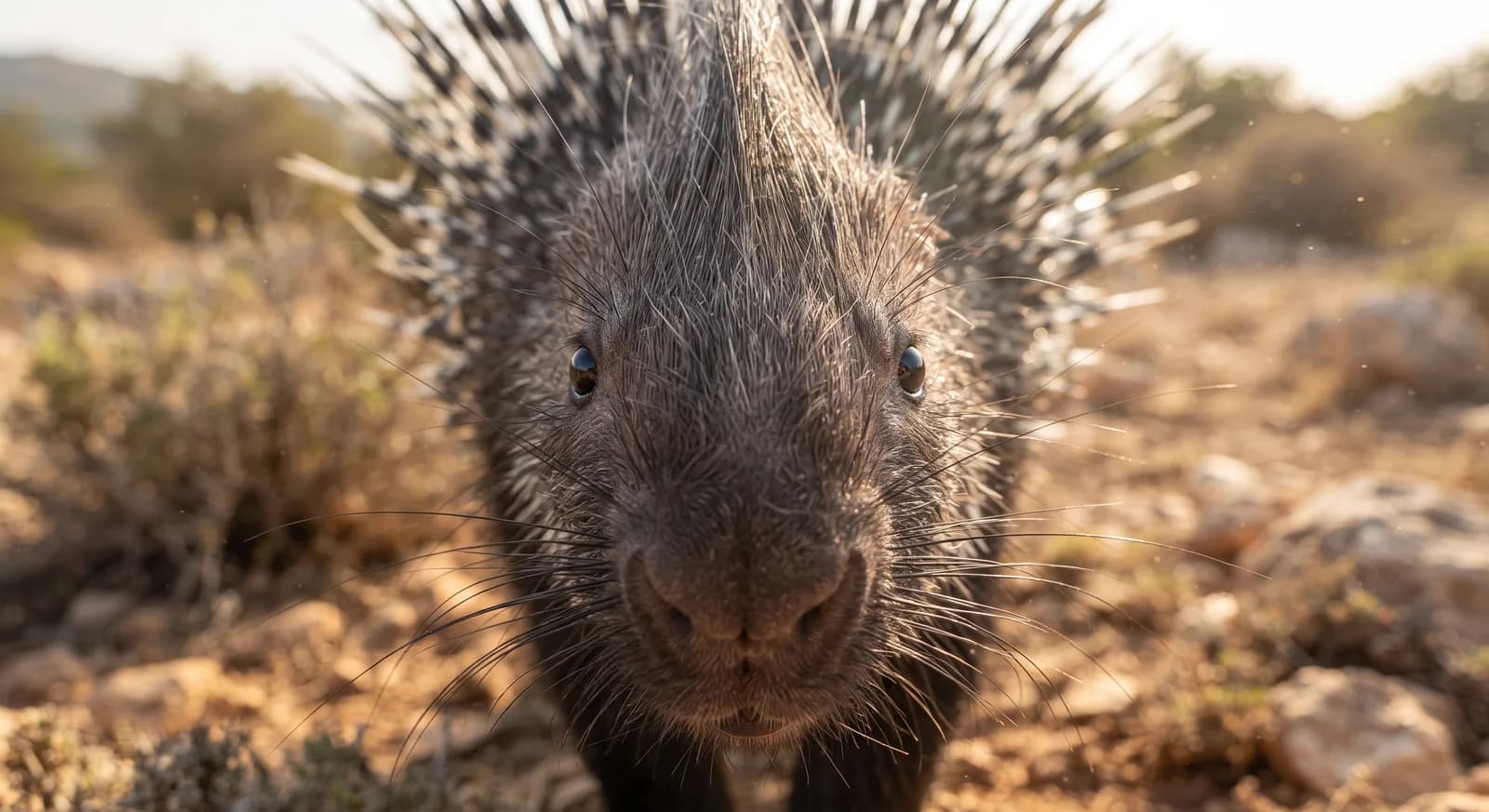
Crested PorcupineLeast Concern

Crested Porcupine

Hystrix cristata

Vulnerable

Greater Capricorn Beetle

Cerambyx cerdo

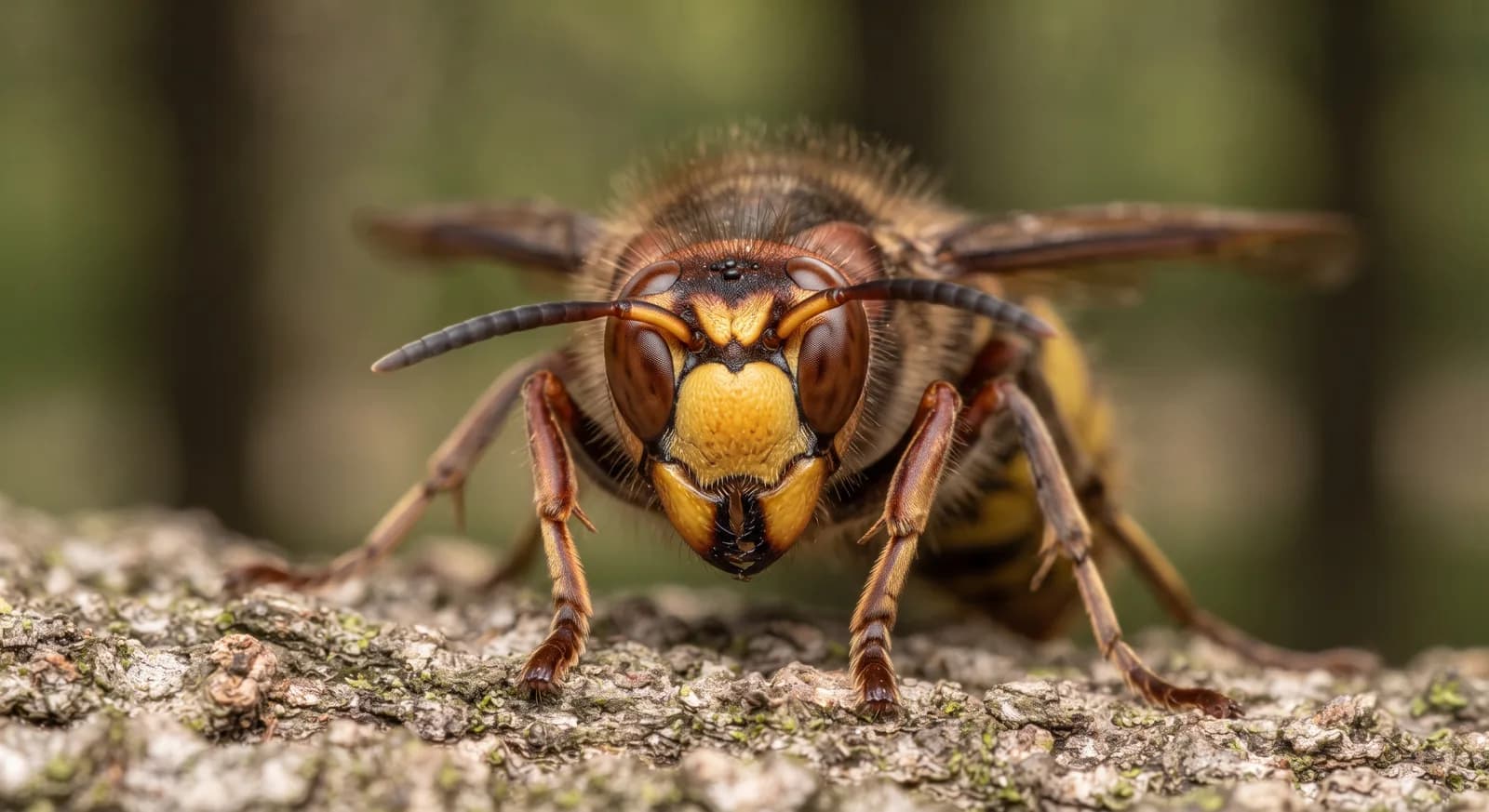
European HornetNot Evaluated

European Hornet

Vespa crabro

Least Concern

Common Noctule

Nyctalus noctula

CountriesSpain
ParksPicos de EuropaSpain
TagsHerbivore
Herbivore
Nocturnal
Colonial
Insect
Temperate forest

Europe39

Asia1

Spain
Italy
Greece
Croatia
France
Portugal
Albania
Andorra
Austria
Belarus
Belgium
Bosnia and Herzegovina
Bulgaria
Croatia
Czechia
Denmark
Estonia
Finland
France
Germany
Greece
Hungary
Ireland
Italy
Latvia
Liechtenstein
Lithuania
Luxembourg
Moldova
Monaco
Montenegro
Netherlands
North Macedonia
Norway
Poland
Portugal
Romania
Serbia
Slovakia
Slovenia
Spain
Sweden
Switzerland
Ukraine
United Kingdom
Russia