 Vulnerable
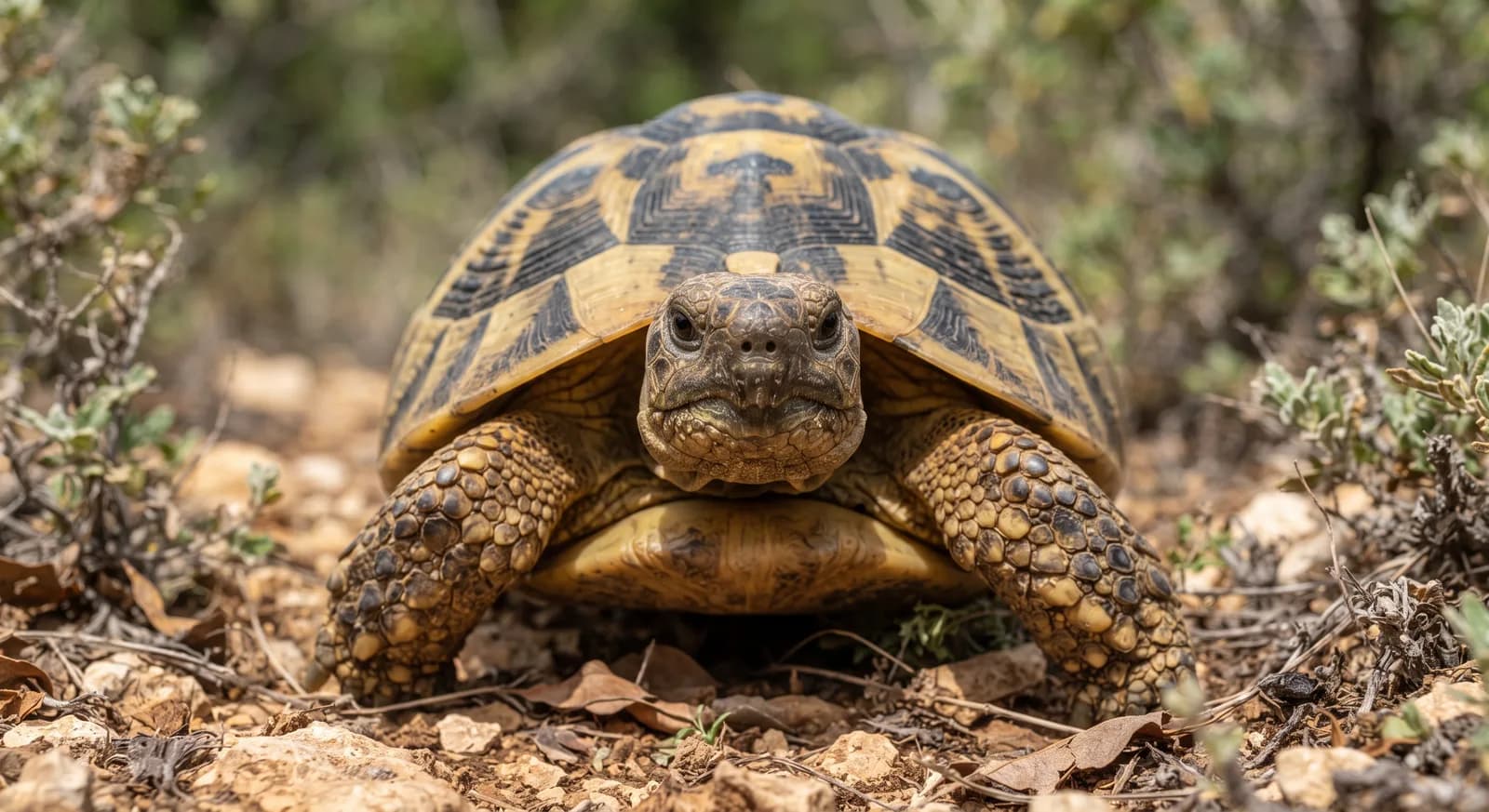
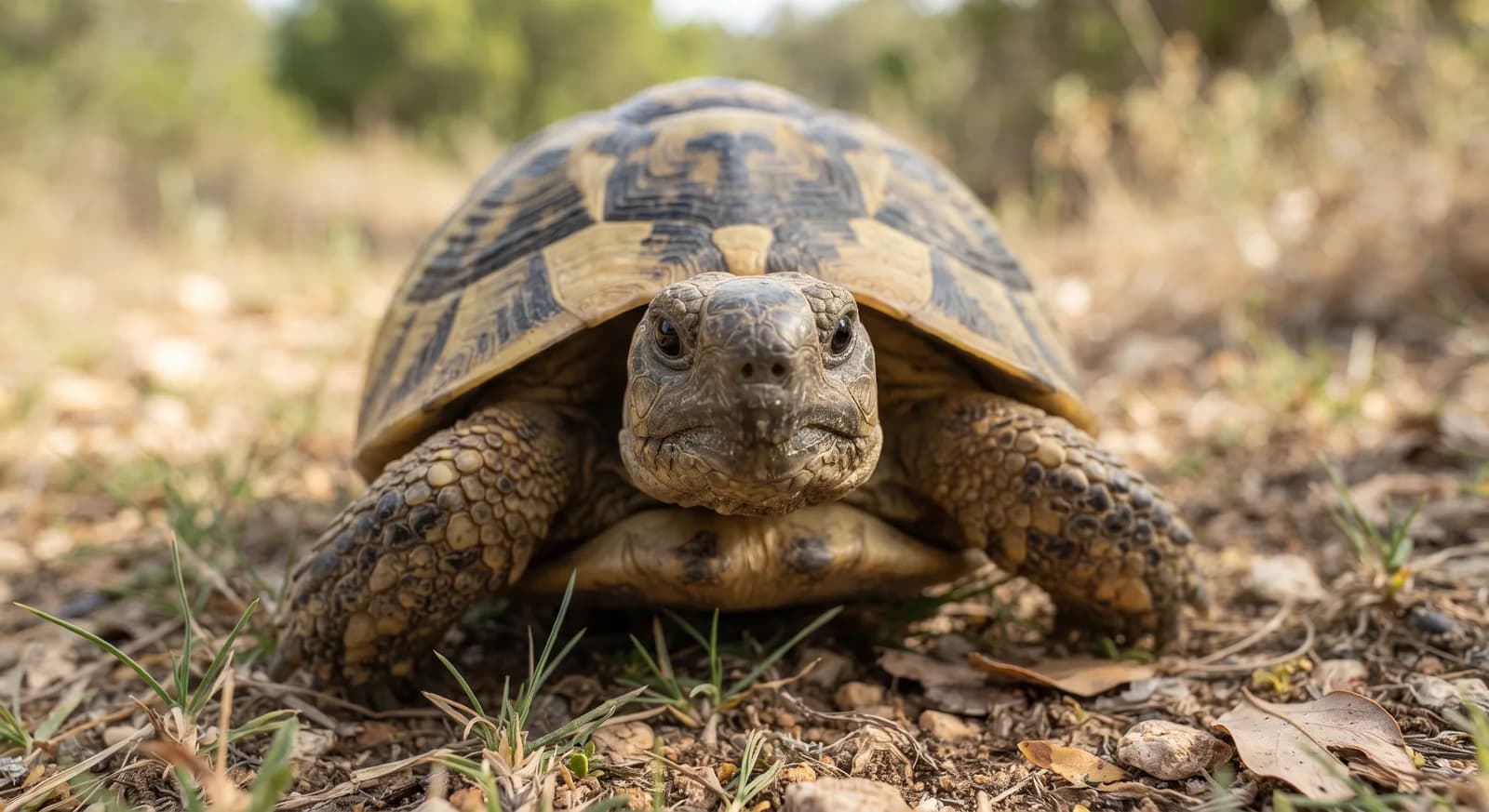
Common Tortoise
Testudo graeca
Insects · Coleoptera · Cerambycidae
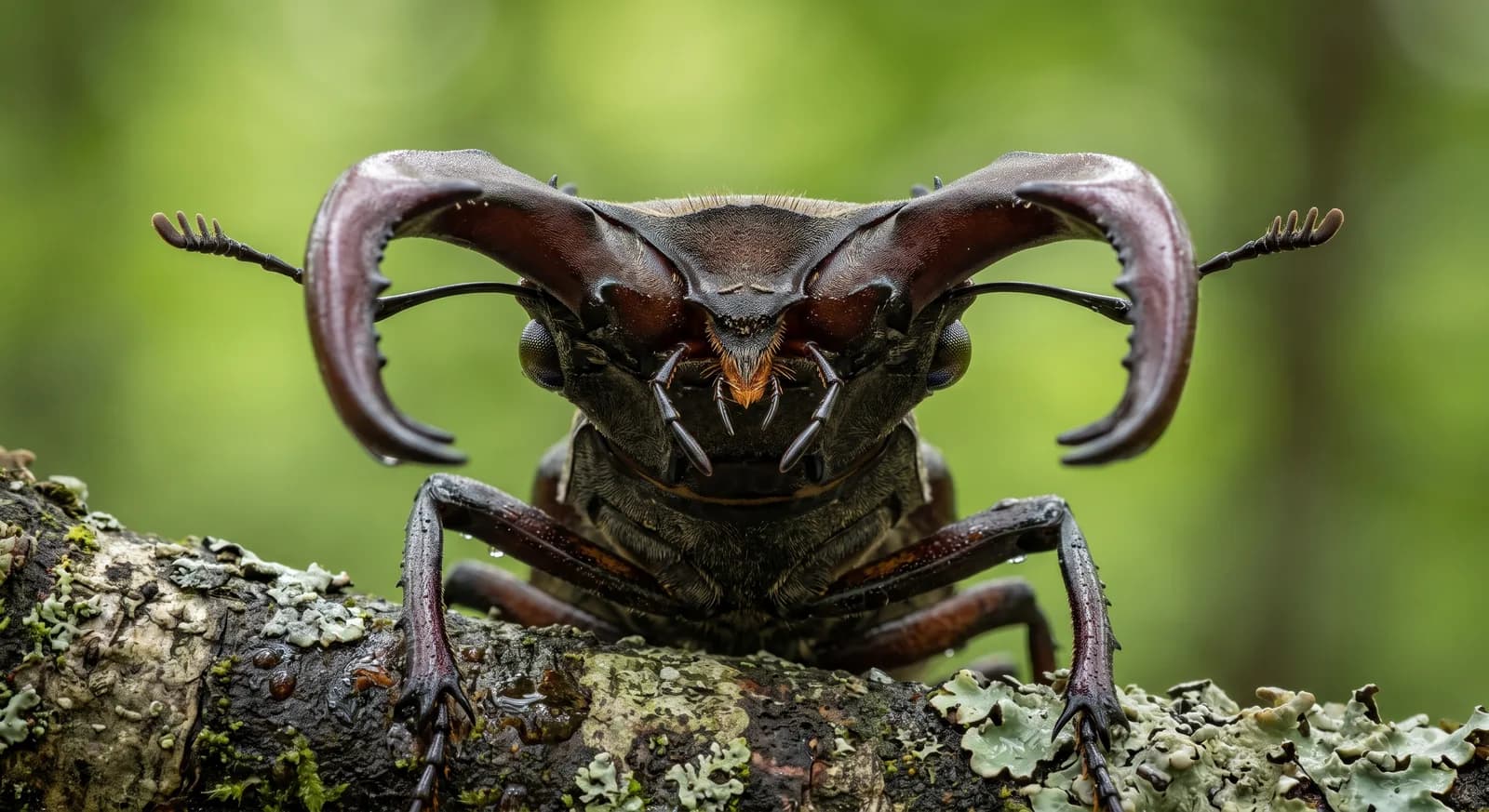
Cerambyx cerdo
At high risk of extinction in the wild over the medium term.
Its larvae spend as much as five years tunnelling through the wood of century-old oaks, so its survival depends on very old trees being left standing — ever scarcer across Europe.
Size
4.1 cm – 5.5 cm
Life expectancy
5 years
Diet
Herbivore
Feeds mainly on plants.
Activity
Nocturnal
Active mainly at night.
Social structure
Solitary
Lives and hunts alone, joining others only to breed.
Sources consulted: Cambridge Bulletin of Entomological Research · PubMed (reproductive biology study) · Insect Wiki Fandom · Nordens Ark · Natural History Museum · University of Freiburg Forest Entomology · Forest Pests EU · Grokipedia · Wikipedia (Cerambyx cerdo)
Parks and dive sites where this species has been documented — showing 10 of 50.
Other species in the catalogue with the most in common with Greater Capricorn Beetle — same habitat, park, country, tags or family.
The greater capricorn beetle is classified as vulnerable. Organisations such as the IUCN, WWF and the Wildlife Conservation Society work specifically on its conservation and that of its habitat; looking into their programmes is a good starting point if you want to get involved.
It's documented in 10 protected areas — one reason why protecting these places matters for its conservation.
Based on what we already know about greater capricorn beetle.
The pins mark the parks where its presence is documented.