 Least Concern
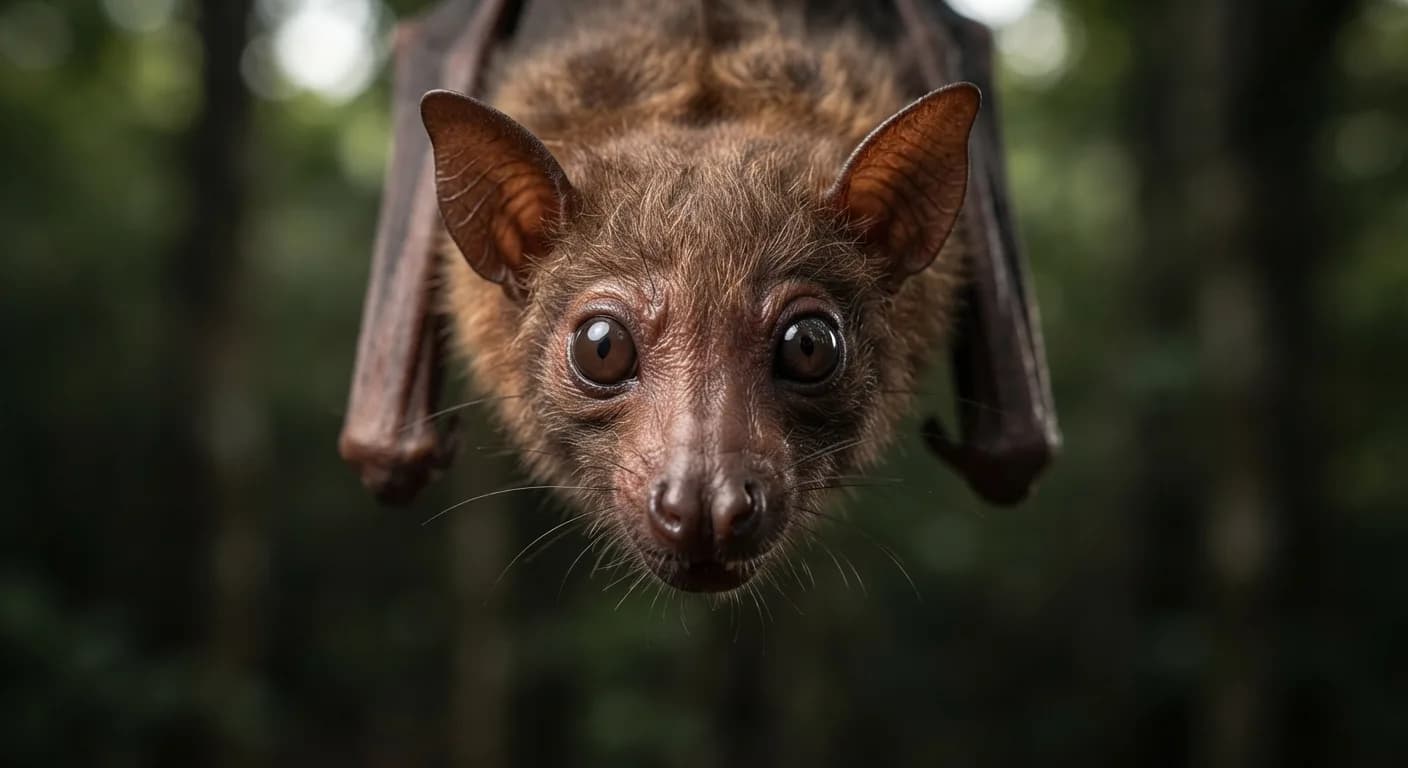
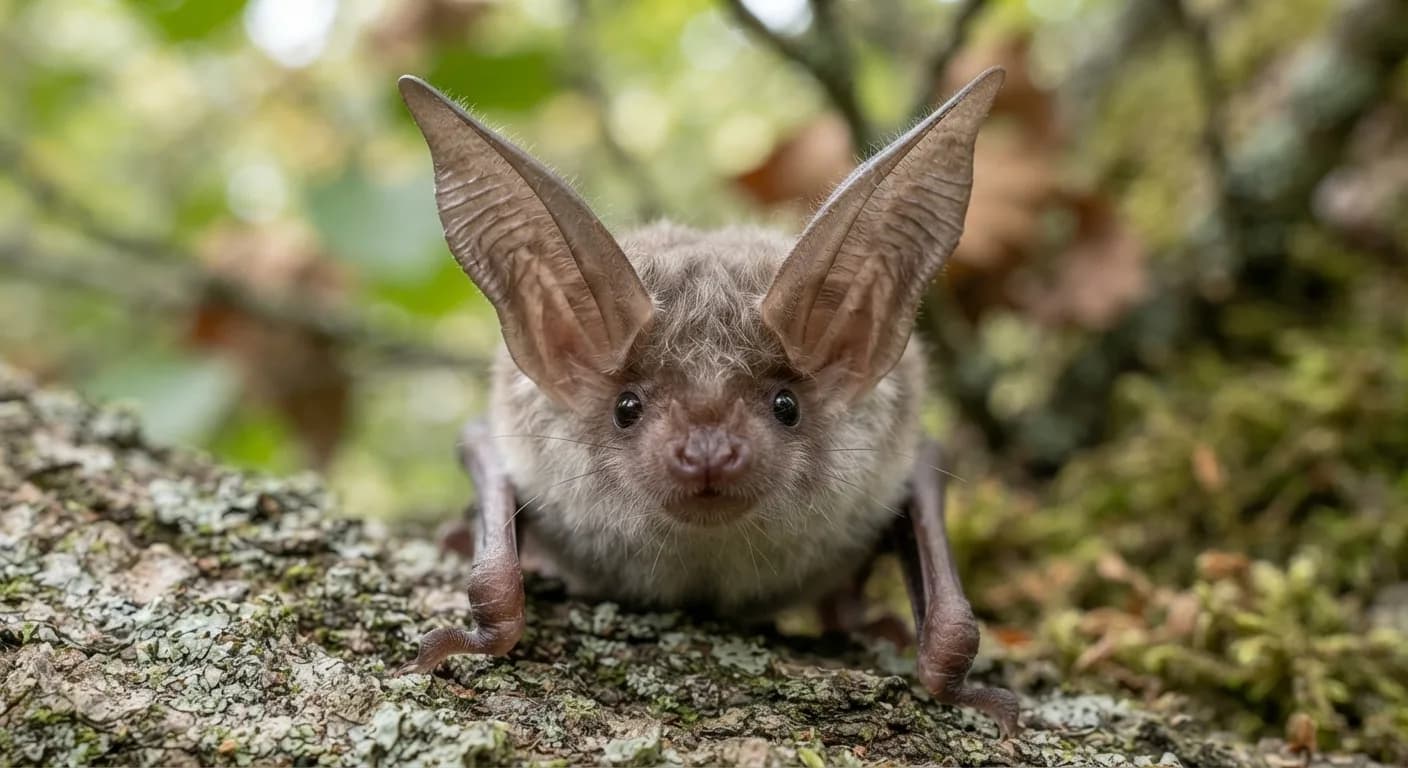
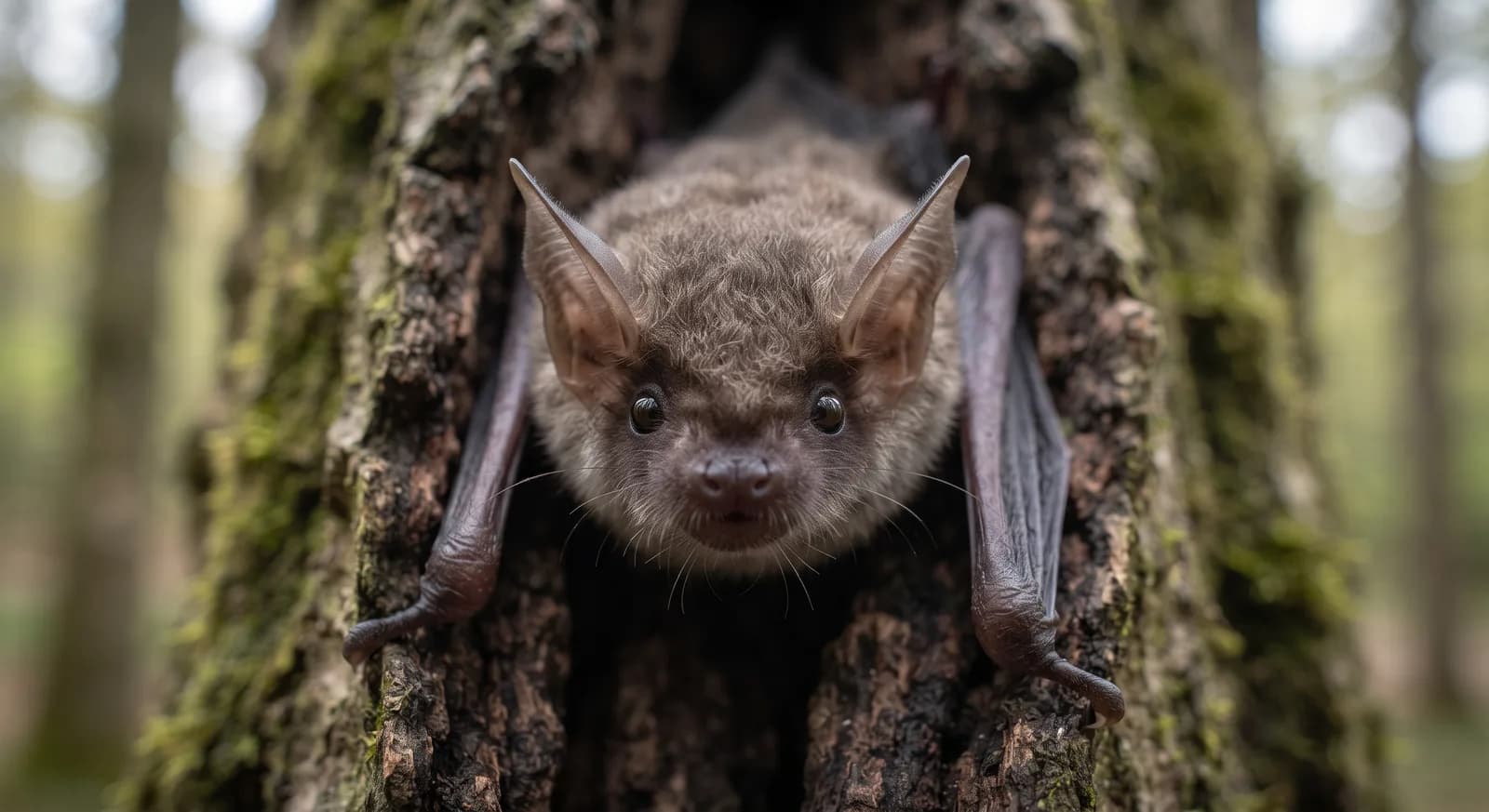
Natterer's Bat
Myotis nattereri
One of the 29 bats on WAnimals
Mammals · Chiroptera · Vespertilionidae
Pipistrellus pipistrellus
The species is abundant and widely distributed; it faces no significant short-term risk.
In 1999 it was formally split into two species purely on the frequency of their echolocation calls, despite being almost identical in form. Females delay fertilisation by storing sperm through hibernation.
Weight
3 g – 8 g
Size
3.5 cm – 5.2 cm
Life expectancy
5 years
Diet
Insectivore
Feeds mainly on insects and other invertebrates.
Activity
Nocturnal
Active mainly at night.
Social structure
Colony
Lives in large concentrations, often for breeding reasons.
Sighting difficulty
Easy
Sources consulted: AnAge (genomics.senescence.info); iBats.org.uk; Animalia.bio; Animal Diversity Web; Wikipedia (Common pipistrelle)
Best time: From April to October, just at dusk; it is the commonest bat in European towns and cities and hunts around street lamps.
Parks and dive sites where this species has been documented — showing 10 of 145.
Other species in the catalogue with the most in common with Common Pipistrelle — same habitat, park, country, tags or family.
Based on what we already know about common pipistrelle.
Share an experience, a fun fact or a tip for seeing the common pipistrelle.
Be the first to comment.
The pins mark the parks where its presence is documented.