 Critically Endangered
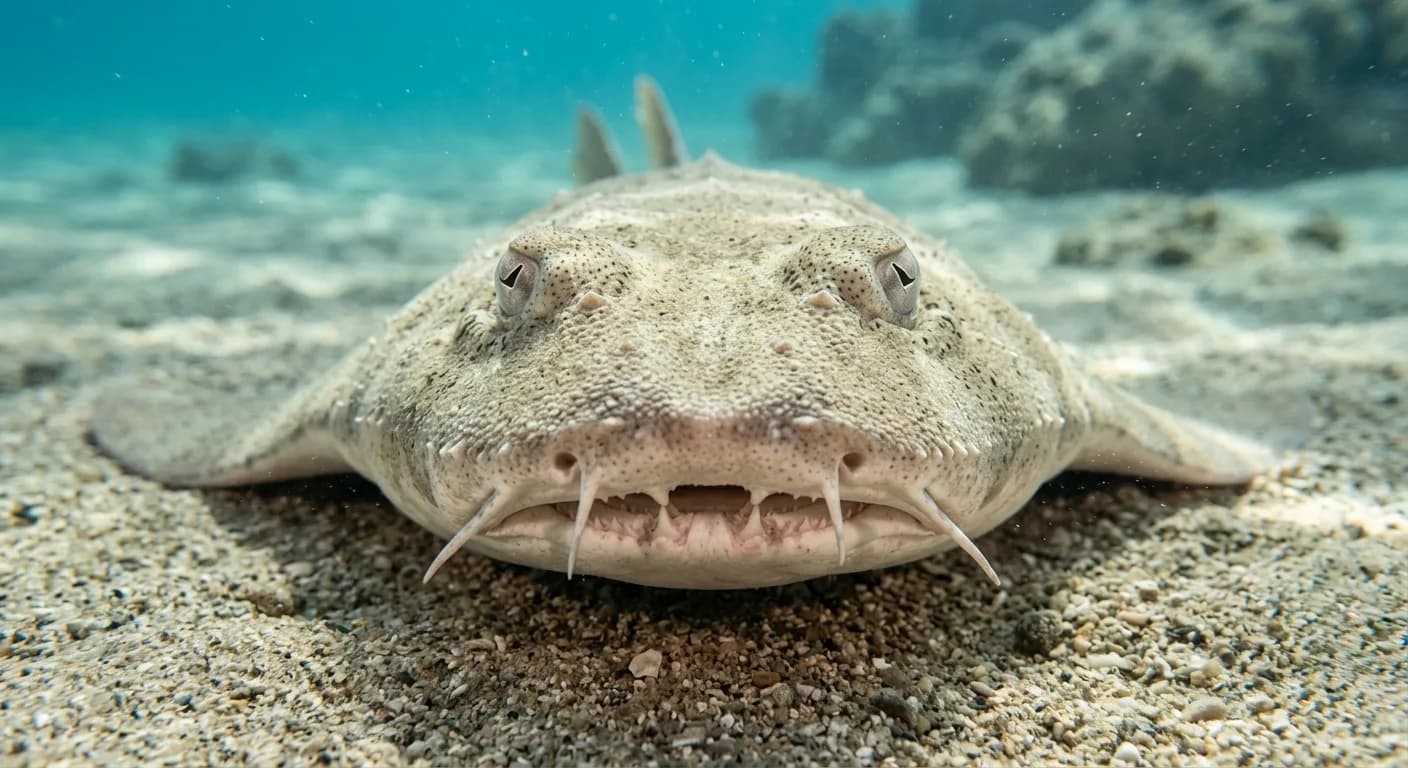
Angelshark
Squatina squatina
Europe
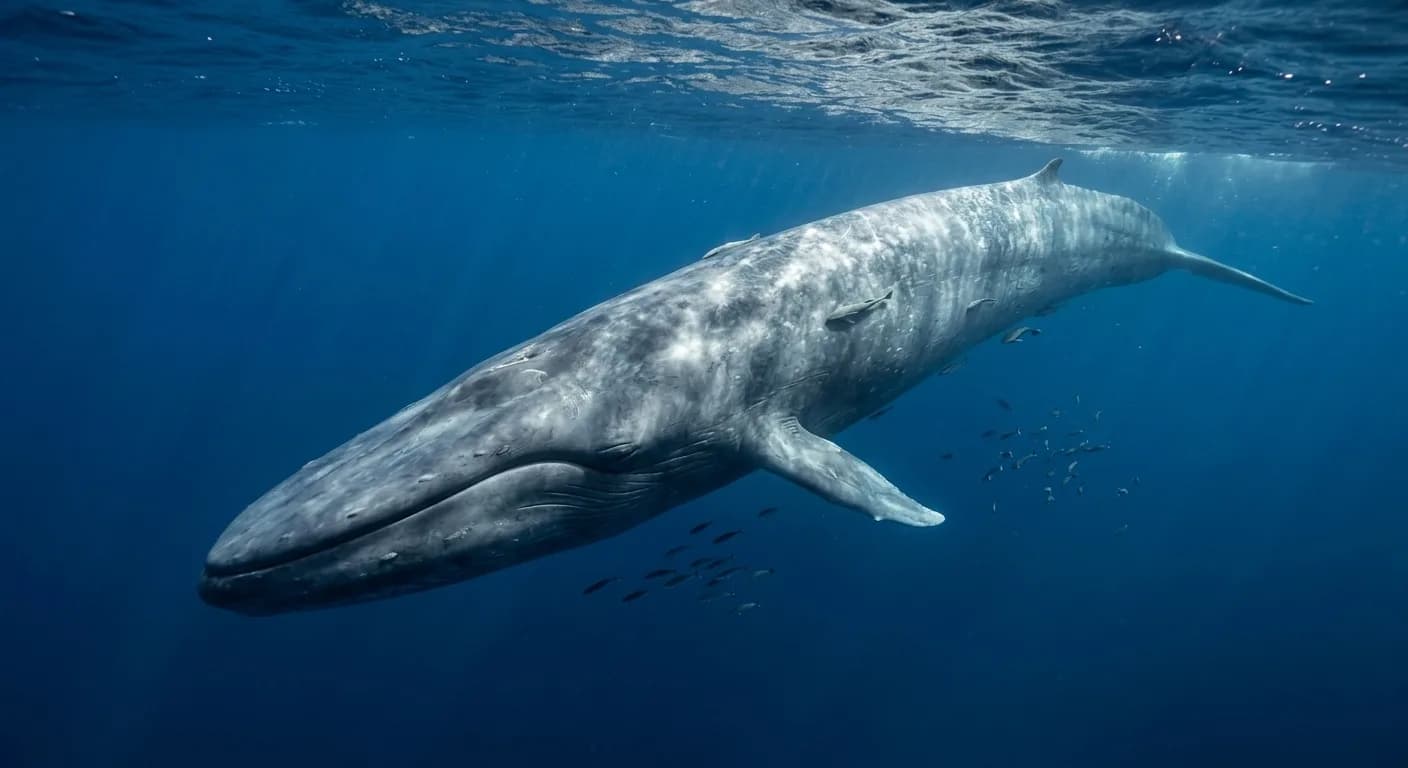
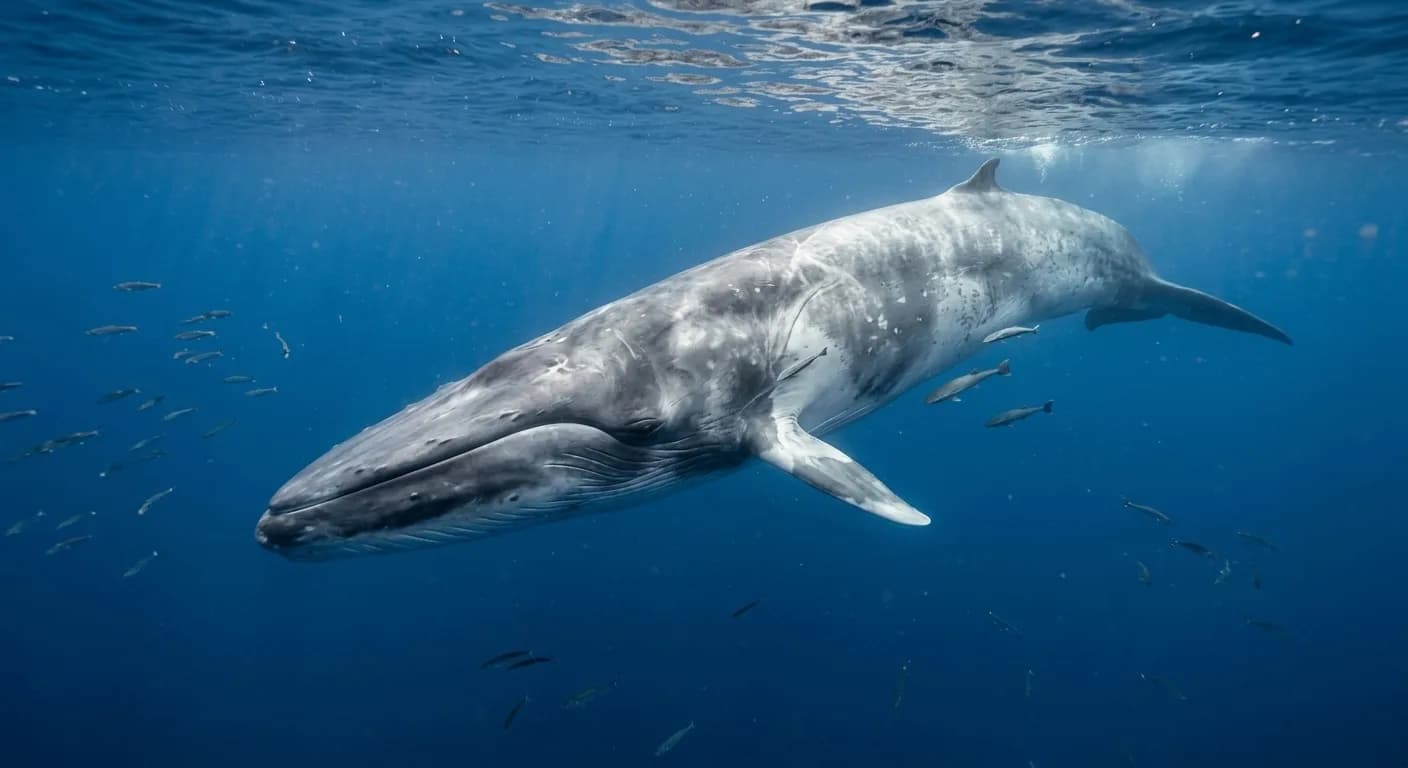
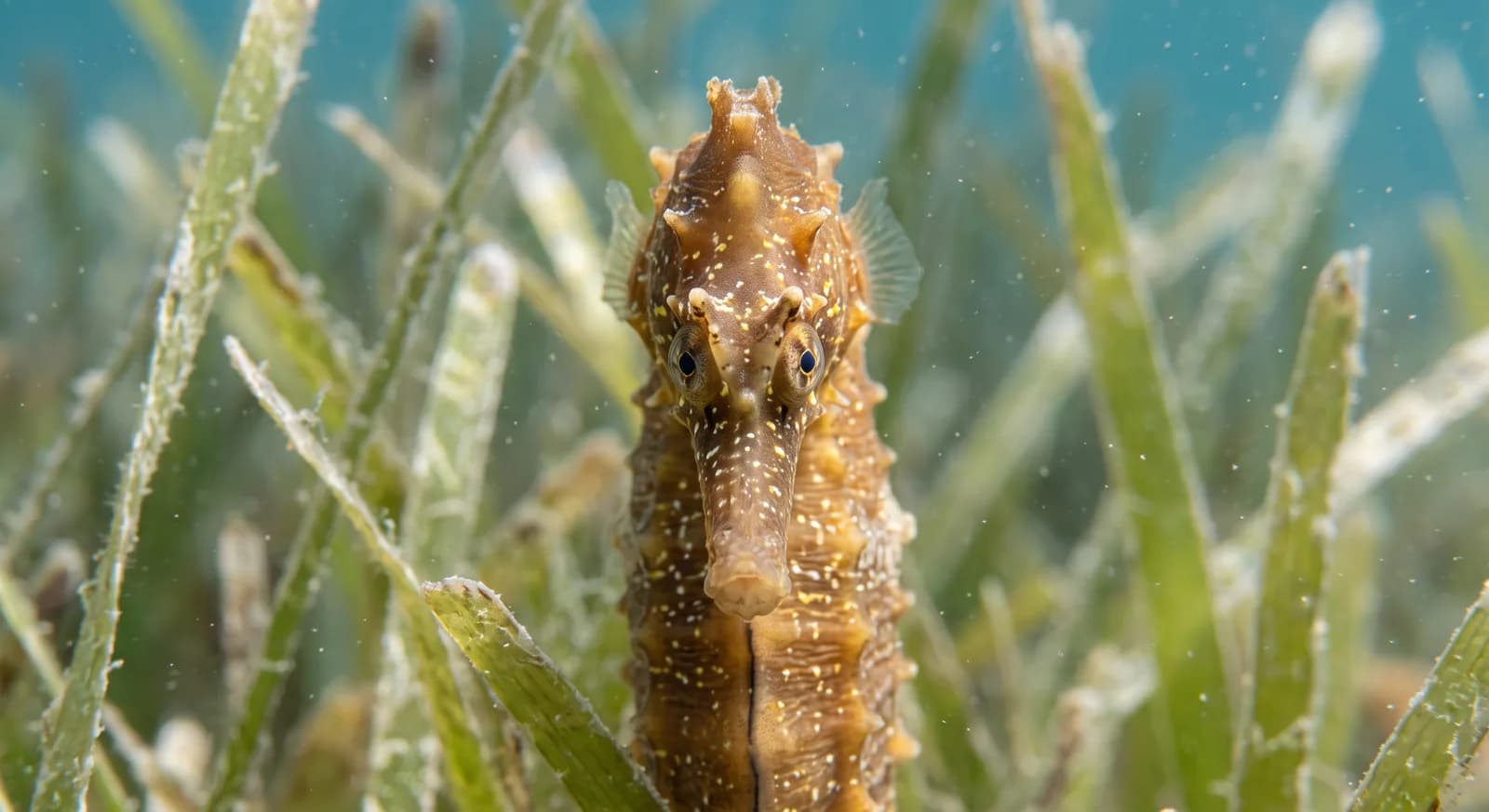
Monaco is the second smallest state in the world and virtually all its territory is built up, so its natural heritage is essentially marine. Its waters form part of the Pelagos Sanctuary, a protected area created in 1999 together with France and Italy for the conservation of the marine mammals of the northwestern Mediterranean, where fin whales, sperm whales, pilot whales and striped dolphins gather, drawn by the productivity of the Ligurian Sea currents. Off the coast, the marine reserves of Larvotto and the Tombant des Spélugues protect meadows of Posidonia oceanica, a marine plant that forms genuine underwater forests, oxygenates the water, binds the sediment and serves as a nursery for fish and invertebrates. The Principality also has a historic institutional relationship with marine science through its oceanographic museum, opened in 1910.
National animal: No official national animal
One of the founding discoveries of immunology was made aboard the yacht of Prince Albert I of Monaco. Studying the venom of the Portuguese man o' war collected during his oceanographic campaigns, the physiologists Charles Richet and Paul Portier observed that a second, minimal dose could kill an animal that had survived the first. They named that phenomenon anaphylaxis, and the finding earned Richet the Nobel Prize in 1913.
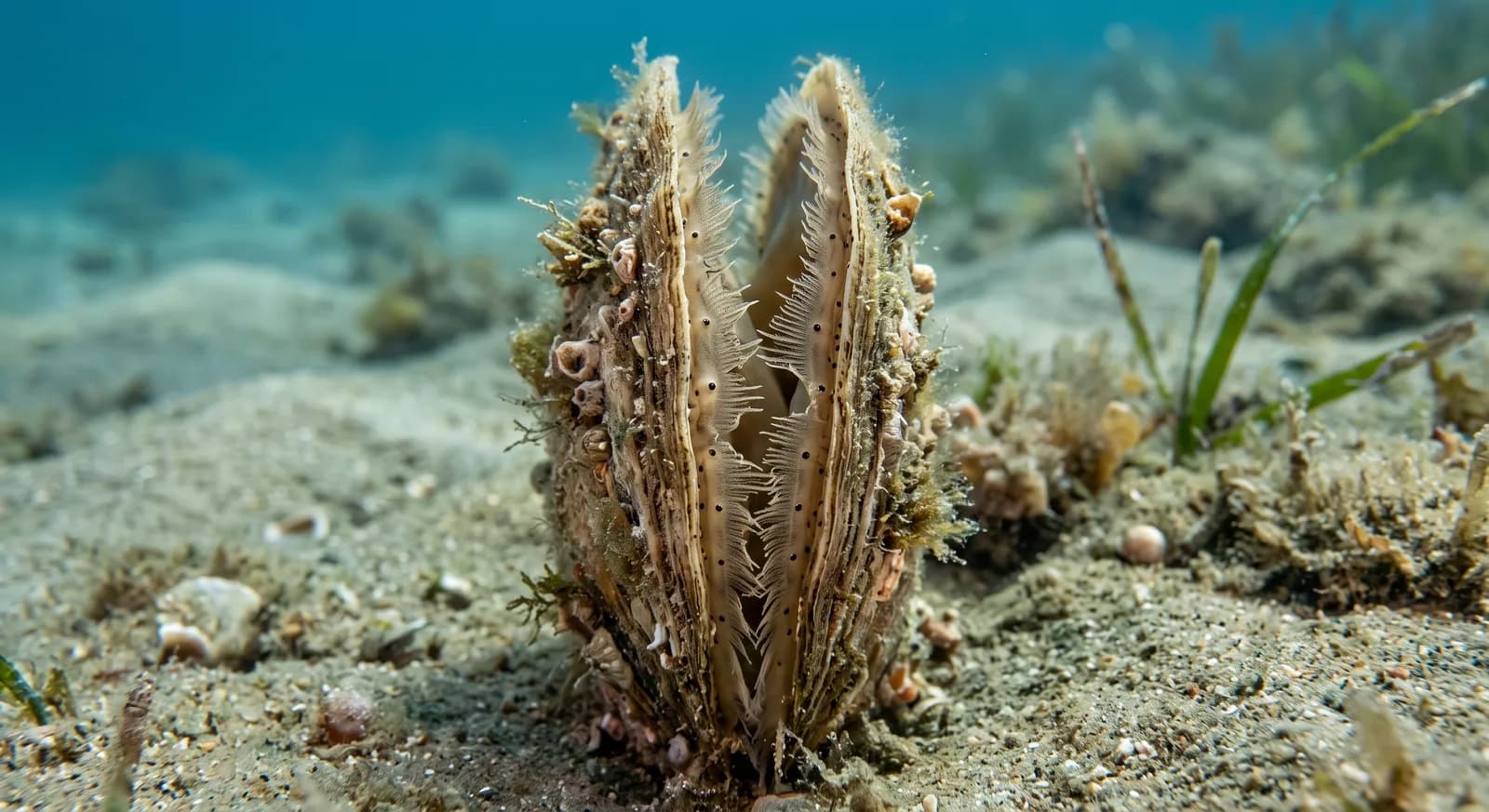
The Principality funds Mediterranean marine conservation programmes through its environmental foundation. The noble pen shell, the largest bivalve in the Mediterranean, has suffered mass mortality since 2016 from a parasite and is critically endangered.
Watching trips across the Pelagos Sanctuary between June and September for fin whale and striped dolphin. Diving at Larvotto for the Posidonia meadow.
Where else might I want to travel?
Same region: Western Europe
Same region: Western Europe
Same region: Western Europe
Same region: Western Europe
276 species found
Based on what we already know about Monaco.