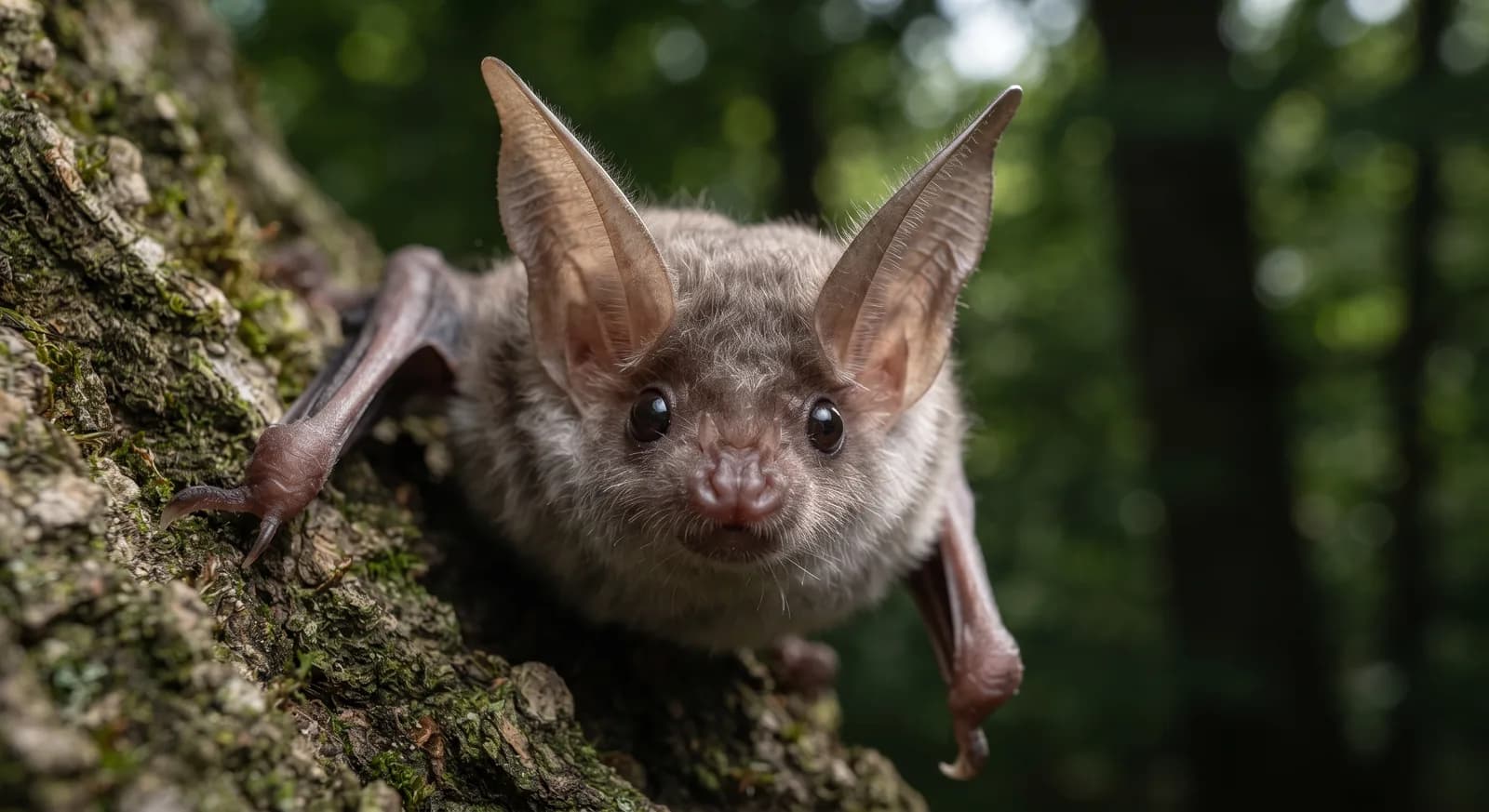
One of the 29 bats on WAnimals
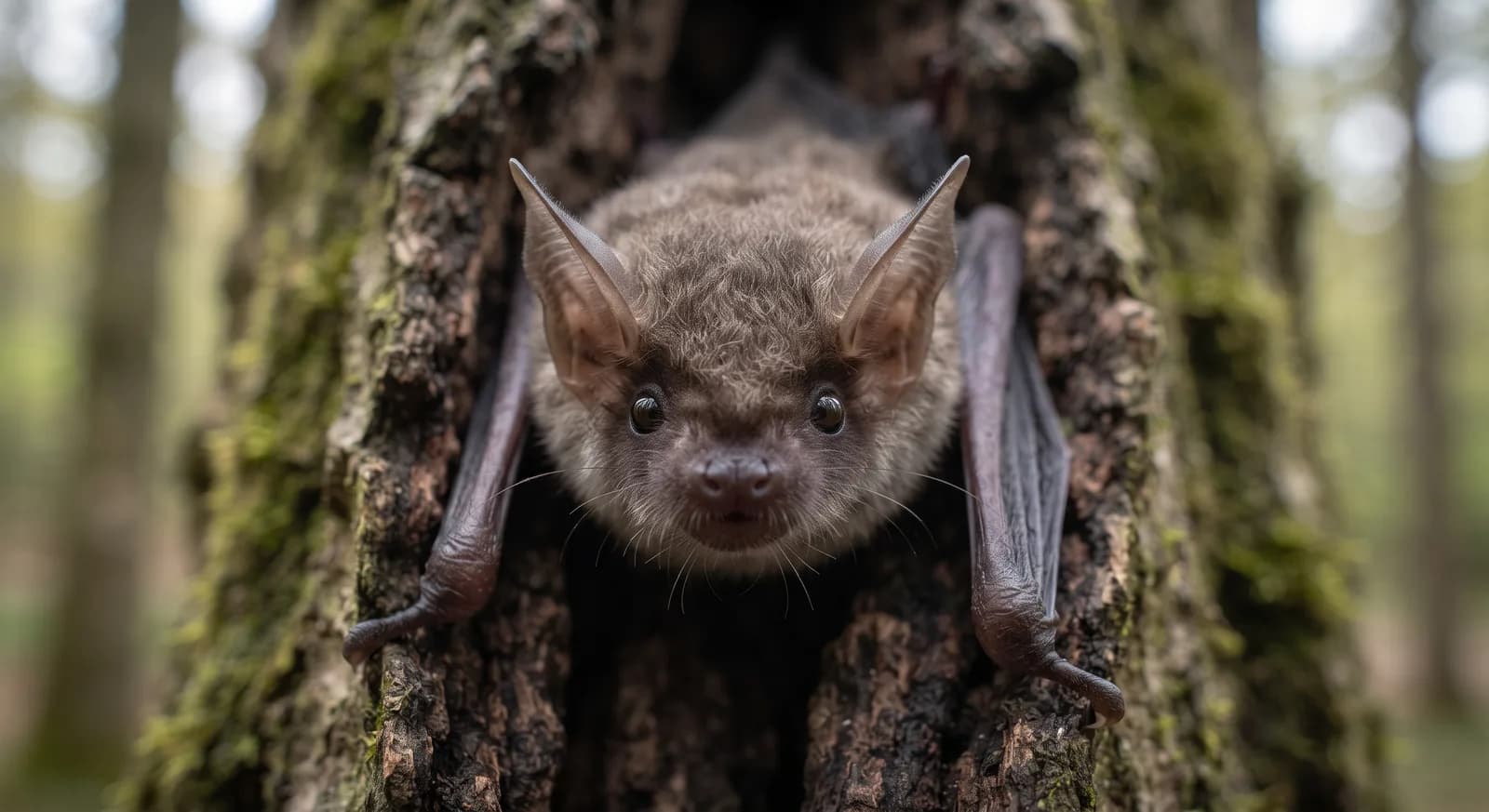
Mammals · Chiroptera · Vespertilionidae
Myotis nattereri
The species is abundant and widely distributed; it faces no significant short-term risk.
A small to medium-sized myotis bat, with long, silky greyish-brown fur and a whitish belly, the two strongly contrasting. Long ears that extend beyond the muzzle when stretched out, and a pointed tragus. The edge of the uropatagium carries a dense fringe of short, stiff hairs.
Weight
5 g – 12 g
Size
3.7 cm – 5.2 cm
Life expectancy
17 years
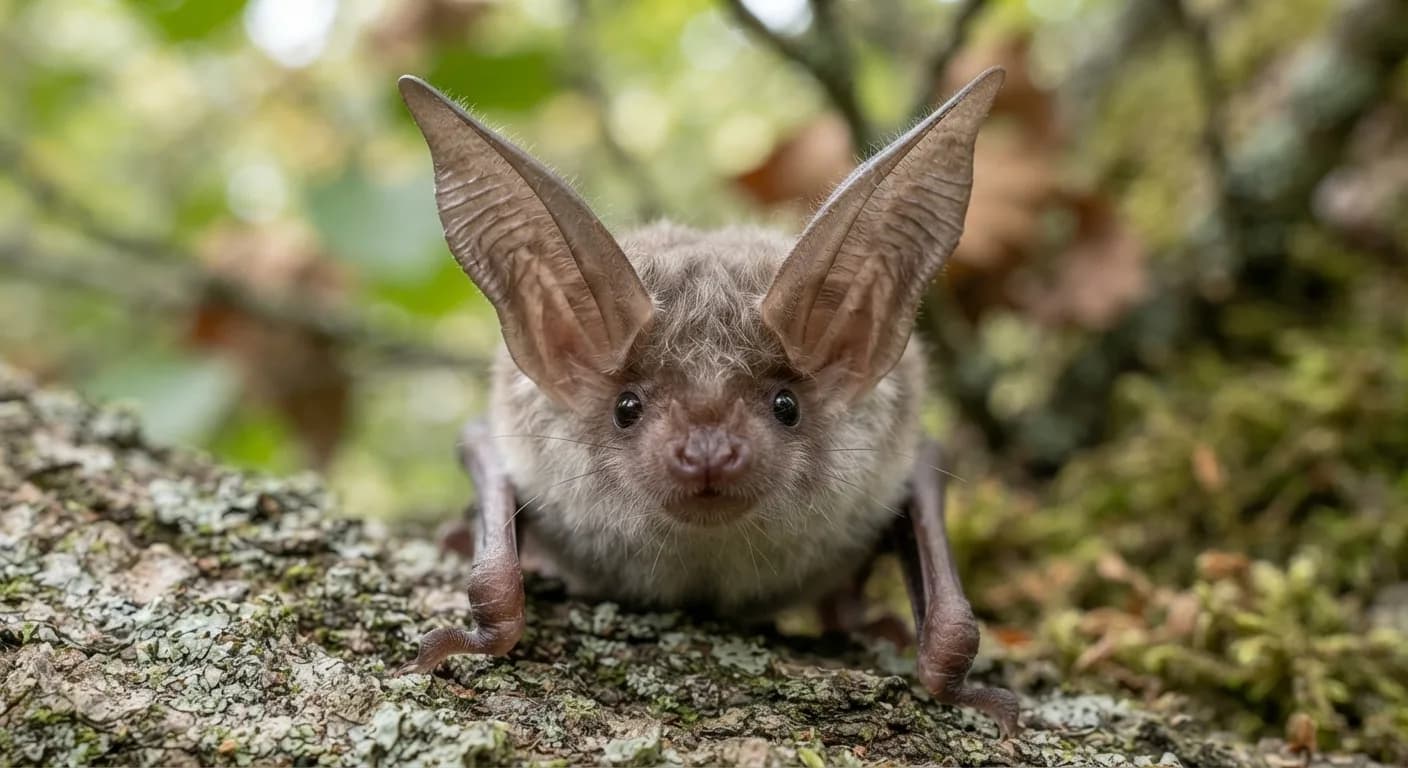
Diet
Insectivore
Feeds mainly on insects and other invertebrates.
Activity
Nocturnal
Active mainly at night.
Social structure
Colony
Lives in large concentrations, often for breeding reasons.
Sighting difficulty
Easy
AI-generated images: illustrations, not photographs.
Sources consulted: IUCN Red List; SECEM - Atlas de los mamíferos terrestres de España; Juste et al. 2018, Acta Chiropterologica 20(2); Dietz y Kiefer 2016, Bats of Britain and Europe; Enciclopedia Virtual de los Vertebrados Españoles (MNCN-CSIC)
Best time: From spring to autumn, outside the hibernation period
Parks and dive sites where this species has been documented — showing 10 of 187.
Other species in the catalogue with the most in common with Natterer's Bat — same habitat, park, country, tags or family.
Based on what we already know about natterer's bat.
Share an experience, a fun fact or a tip for seeing the natterer's bat.
Be the first to comment.
The pins mark the parks where its presence is documented.