Skip to content
WAnimals
  • Map
  • Species
  • Parks
  • Diving
Log inCreate account
WAnimals

The guide for travellers and animal lovers: discover, plan and share your wild adventures around the world.

Discover wildlife

  • Species
  • Ecosystems
  • Glossary
  • Tags

Explore places

  • Map
  • Countries
  • Parks
  • Diving

Plan experiences

  • Guides

Learn

  • Blog

Resources

  • Help centre
  • Contact
  • Install the app

Follow us

Account

  • Log in
  • Create account

© 2026 WAnimals. All rights reserved.

About usHow we build our profilesTerms of servicePrivacyLegal notice
MapSpeciesParksDiving
  1. Home
  2. Species
  3. Greater Mouse-eared Bat

One of the 29 bats on WAnimals

Mammals · Chiroptera · Vespertilionidae

Greater Mouse-eared Bat

Myotis myotis

Least Concern

The species is abundant and widely distributed; it faces no significant short-term risk.

Spotted something wrong?

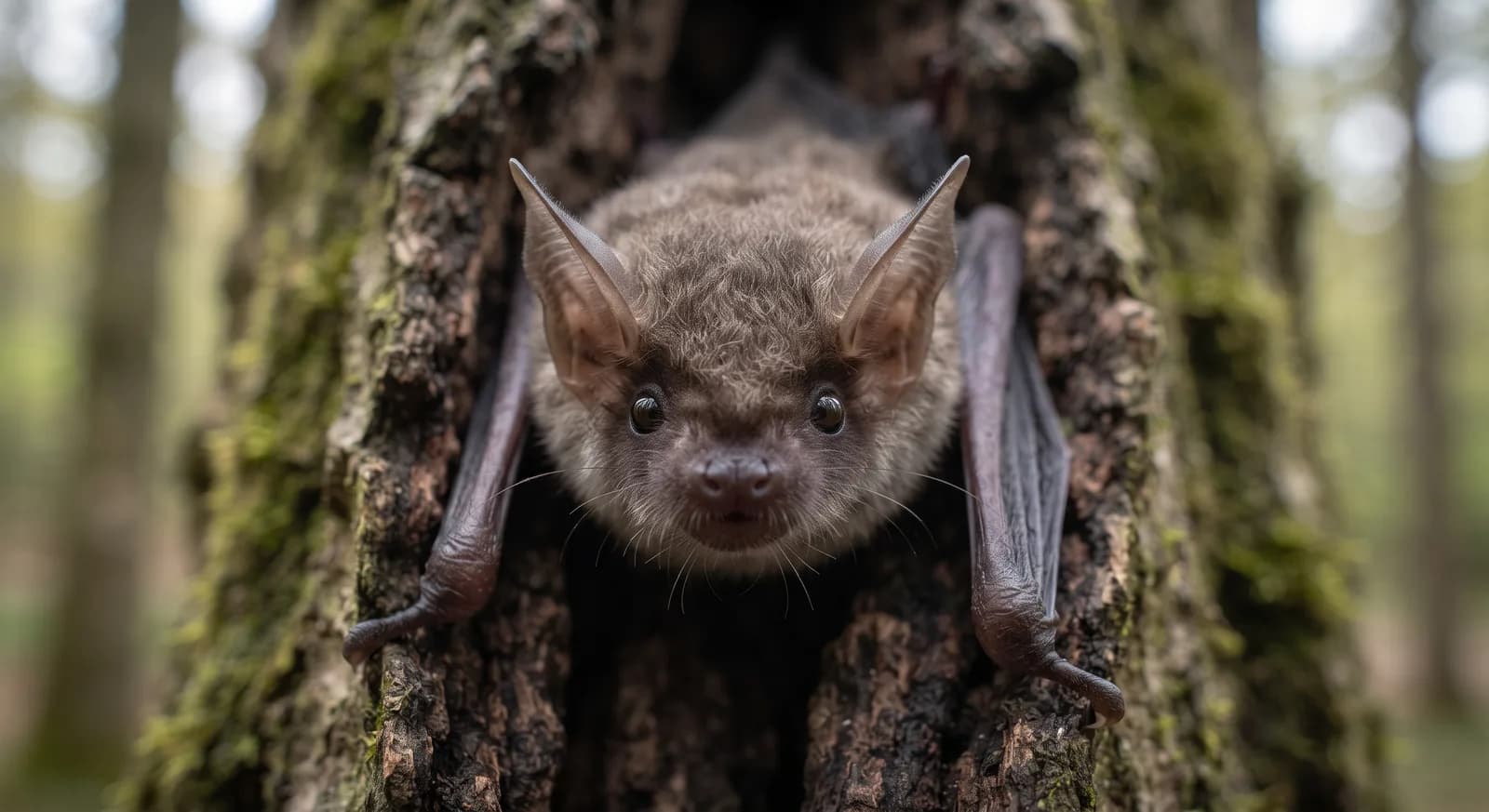
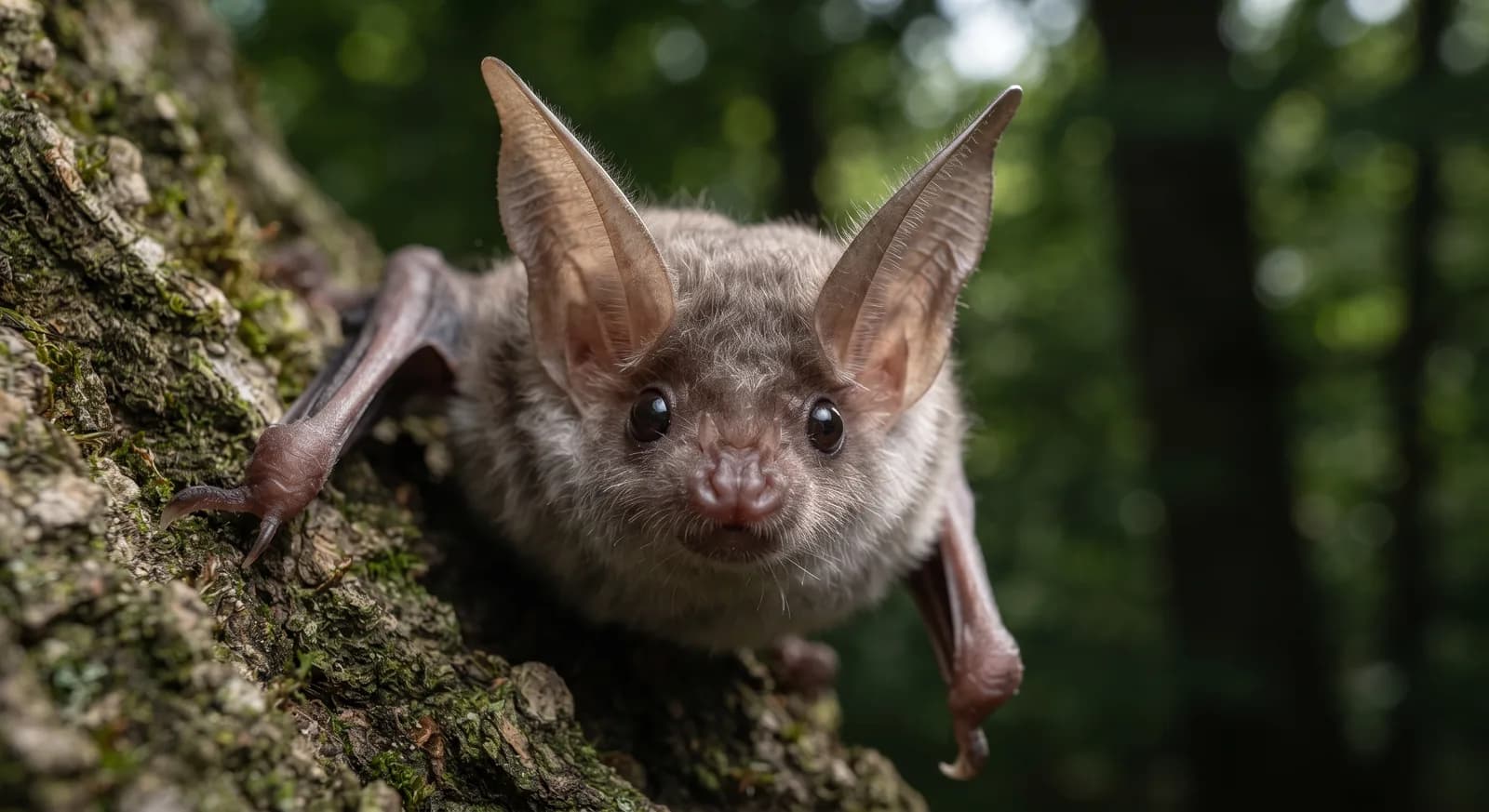
Unlike most bats it hunts chiefly by listening for the footsteps of its prey on the forest floor rather than relying on echolocation in flight.

Weight

20 g – 45 g

Size

6.5 cm – 9 cm

Life expectancy

5 years

Diet

Insectivore

Feeds mainly on insects and other invertebrates.

Activity

Nocturnal

Active mainly at night.

Social structure

Colony

Lives in large concentrations, often for breeding reasons.

Sighting difficulty

Easy

Temperate forestMountain
46countries139parks14same family

Fun facts

  • It hunts by listening for the footsteps of its prey on the ground rather than by echolocation.
  • One individual holds the highest documented longevity of any European bat: 37.1 years.
  • It roosts in caves, mines, churches and large attics in karst country.

Life cycle and biology

Skeleton type
Vertebrate - internal bony skeleton (mammal)
Habitat and environment
Deciduous woodland and karst country across much of Europe, roosting in caves, mines, churches and large attics
Birth weight
Exact weight at birth not found as a precise figure
Size at birth
The young naked and helpless at birth, clinging to its mother for the first 2 weeks
Sexual maturity
3 months to over a year depending on the study (the sources differ markedly)
Gestation / incubation
60-70 days
Litter / clutch size
1 young per litter

Sources consulted: People's Trust for Endangered Species; ResearchGate (Bat of the Year fact sheet); AnAge (genomics.senescence.info); CESON fact sheet; Picture Nature; Animal Diversity Web; Wikipedia (Greater mouse-eared bat)

Where to find it

Best time: From May to August, when it occupies breeding colonies in caves and lofts; from November to March it hibernates in underground cavities.

Loading map…

Where to see it

Parks and dive sites where this species has been documented — showing 10 of 139.

Related species

Other species in the catalogue with the most in common with Greater Mouse-eared Bat — same habitat, park, country, tags or family.

Same taxonomic family

Keep exploring

Based on what we already know about greater mouse-eared bat.

Comments

Share an experience, a fun fact or a tip for seeing the greater mouse-eared bat.

Be the first to comment.

See full glossary
This page in other languages: Español · Deutsch · Français · Português · Italiano

The pins mark the parks where its presence is documented.
See its range on the interactive map→
Picos de EuropaSpain
Ordesa y Monte PerdidoSpain
Aiguestortes i Estany de Sant MauriciSpain
Peneda-GeresPortugal
Abruzzo, Lazio and MoliseItaly
Alta MurgiaItaly
Mount OlympusGreece
PlitviceCroatia
DurmitorMontenegro
RetezatRomania
See all 139 parks
Least Concern

Serotine

Eptesicus serotinus

Least Concern

Common Pipistrelle

Pipistrellus pipistrellus

Least Concern

Common Noctule

Nyctalus noctula

Natterer's BatLeast Concern

Natterer's Bat

Myotis nattereri

Bechstein's BatNear Threatened

Bechstein's Bat

Myotis bechsteinii

Near Threatened

Western Barbastelle

Barbastella barbastellus

CountriesSpain
ParksPicos de EuropaSpain
TagsInsectivore
Insectivore
Nocturnal
Colonial
Temperate forest
Mountain
Mammal
SpainPolandItalyRomaniaGermanySlovakia

Europe41

AlbaniaAndorraAustriaBelarusBelgiumBosnia and HerzegovinaBulgariaCroatiaCyprusCzechiaDenmarkEstoniaFinlandFranceGermanyGreeceHungaryIrelandItalyKosovoLatviaLiechtensteinLithuaniaLuxembourgMoldovaMontenegroNetherlandsNorth MacedoniaNorwayPolandPortugalRomaniaSan MarinoSerbiaSlovakiaSloveniaSpainSwedenSwitzerlandUkraineUnited Kingdom

Asia5

ArmeniaAzerbaijanGeorgiaRussiaTürkiye