One of the 29 bats on WAnimals
Mammals · Chiroptera · Vespertilionidae
Plecotus austriacus
It could become threatened in the near future if current threats go unchecked.
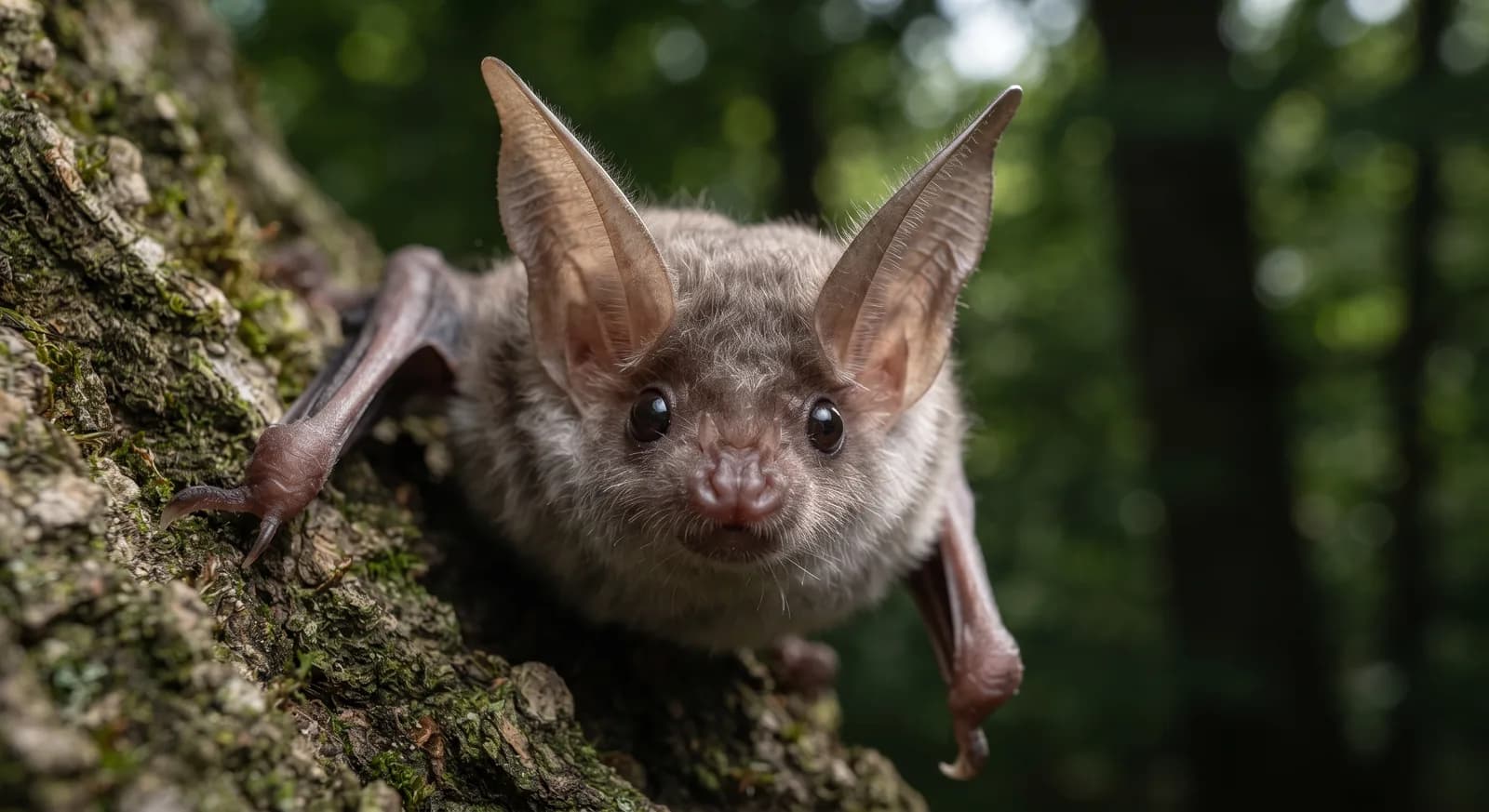
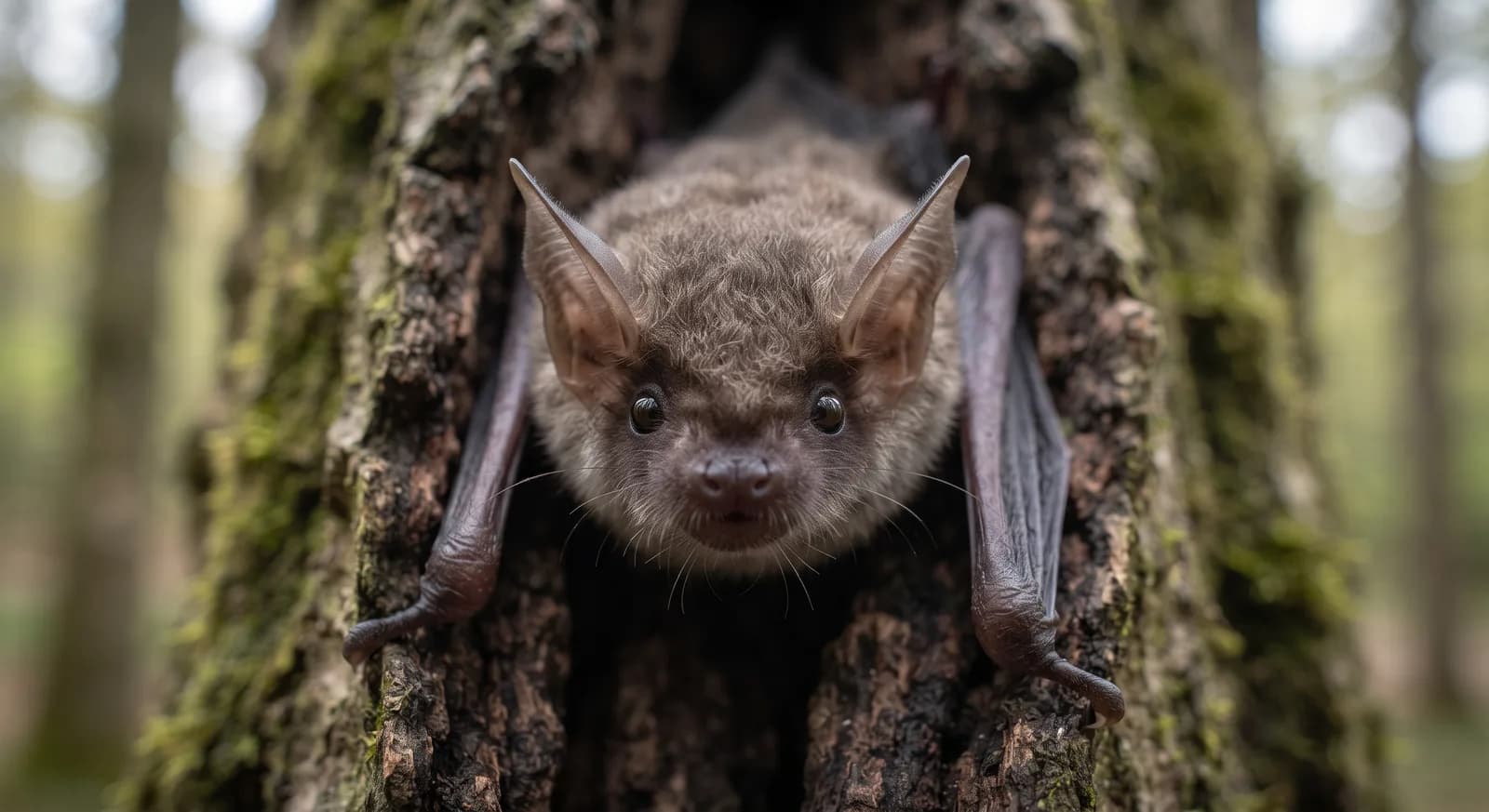
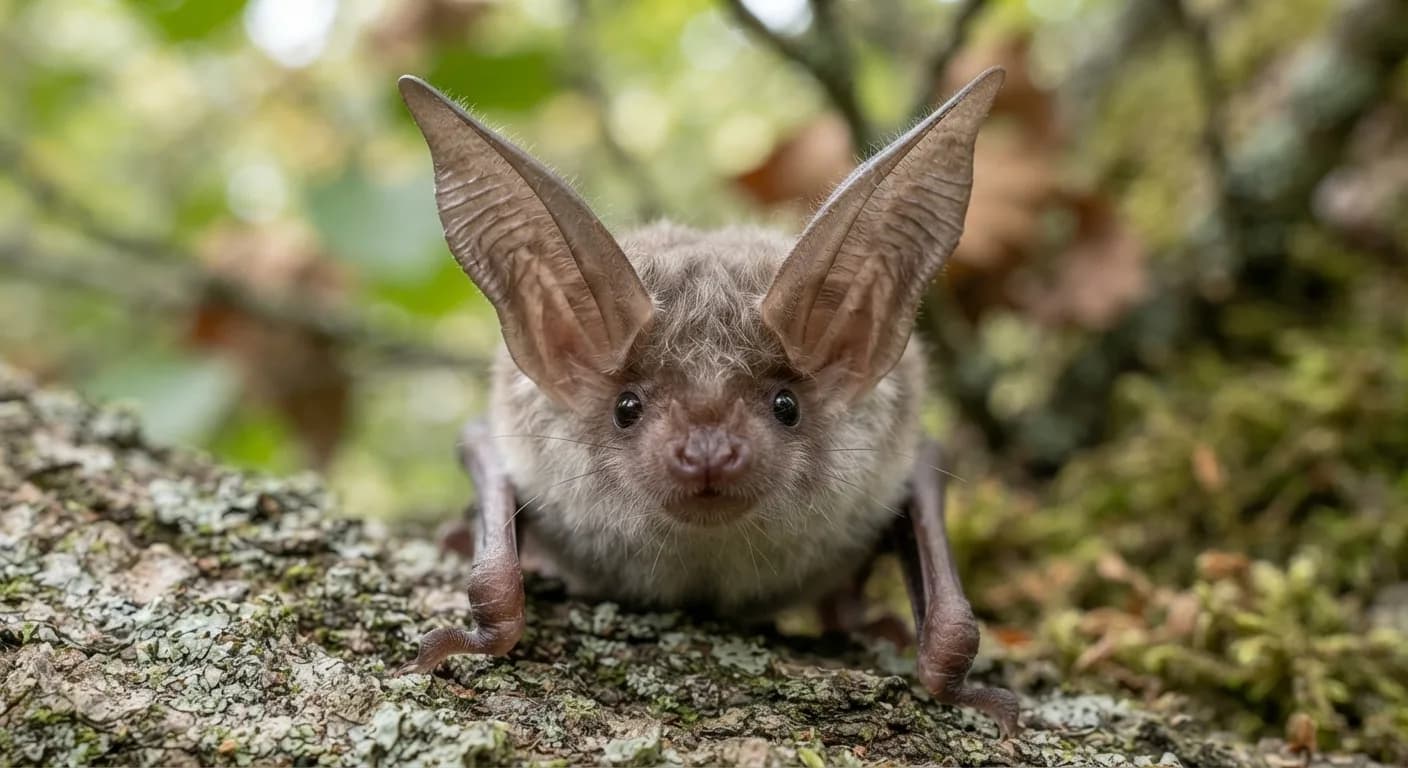
A medium-sized bat with enormous ears, almost as long as its forearm and joined to each other along their inner edges. A dark grey back and whitish belly, with a dark mask around the eyes that tells it apart from the brown long-eared bat. At rest it curls its ear pinnae like a ram's horns.
Weight
7 g – 15 g
Size
4 cm – 5.8 cm
Life expectancy
12 years
Diet
Insectivore
Feeds mainly on insects and other invertebrates.
Activity
Nocturnal
Active mainly at night.
Social structure
Colony
Lives in large concentrations, often for breeding reasons.
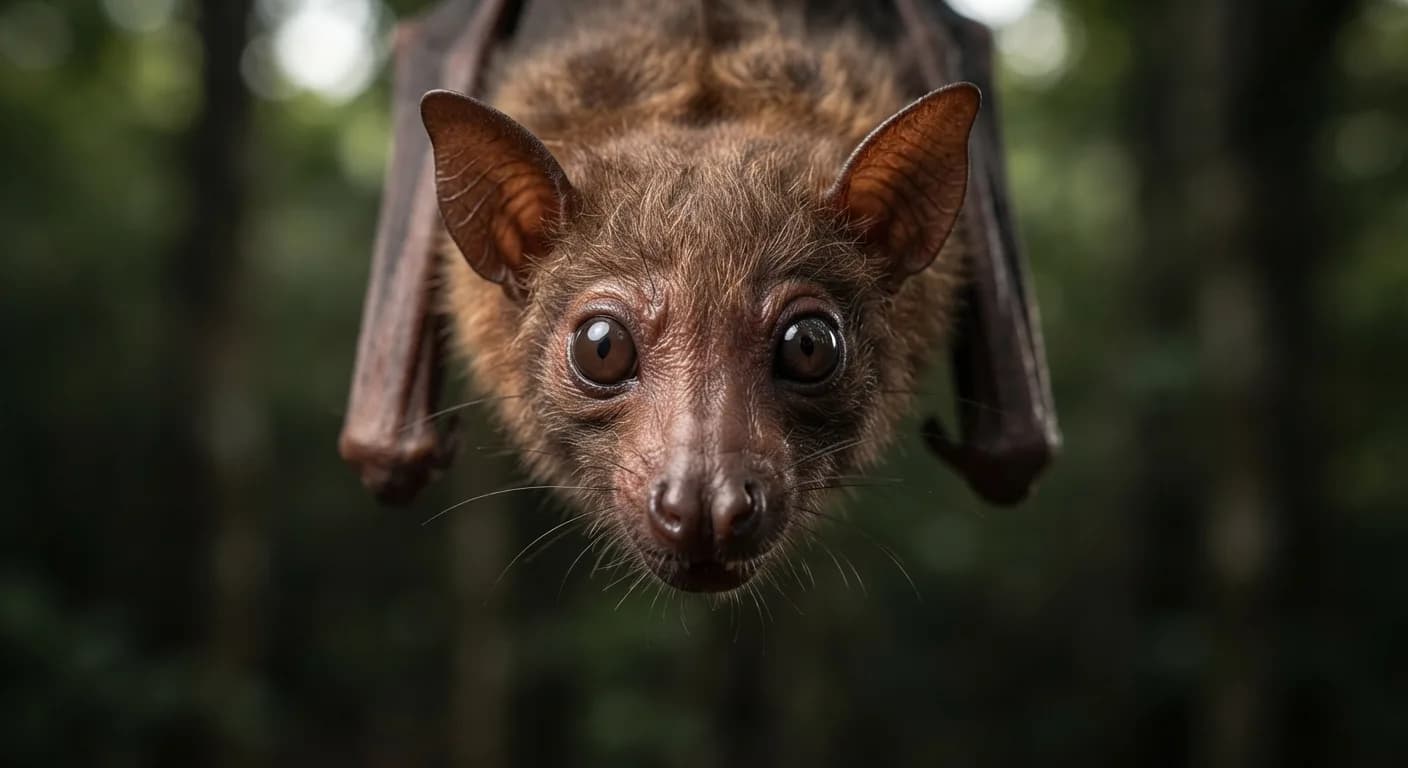
AI-generated images: illustrations, not photographs.
Sources consulted: IUCN Red List (e.T85533333A85533603) · SECEM - Atlas de los mamíferos terrestres de España · MITECO · Región de Murcia Digital (ficha Plecotus austriacus) · Dietz y Kiefer 2016
Best time: From spring to autumn; it hibernates from September-October to March-April
Parks and dive sites where this species has been documented — showing 10 of 122.
Other species in the catalogue with the most in common with Grey Long-Eared Bat — same habitat, park, country, tags or family.
Based on what we already know about grey long-eared bat.
The pins mark the parks where its presence is documented.