 Least Concern
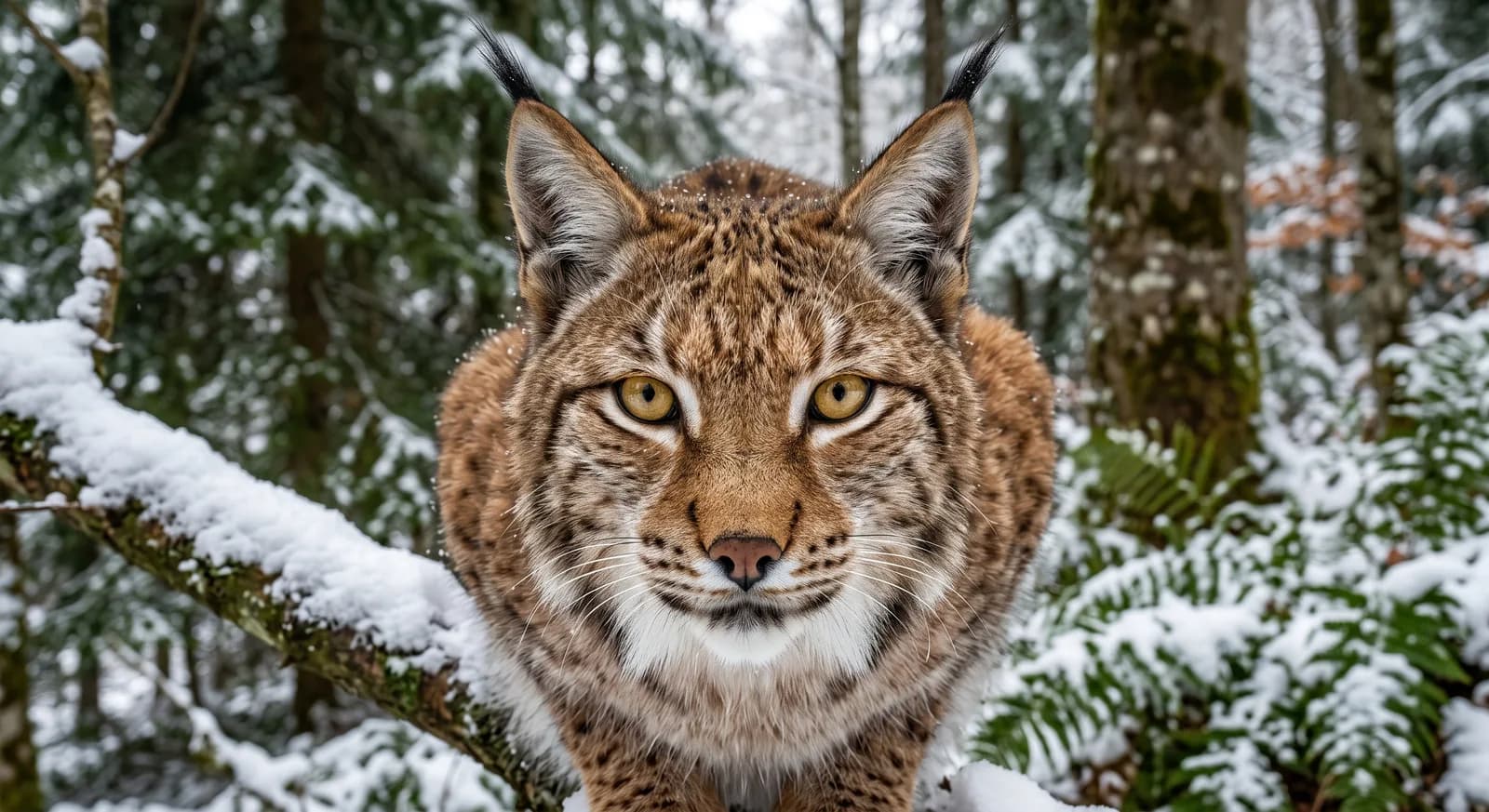
Eurasian Lynx
Lynx lynx
One of the 13 ants on WAnimals
Insects · Neuroptera · Myrmeleontidae
Myrmeleon formicarius
It has not yet been assessed against the IUCN criteria.
The common antlion is an antlion of the order Neuroptera. It is distributed across Europe and northern Asia. The name antlion, given to the members of this family, comes from the fact that in the larval stage their main prey is ants that fall into the pits they build in sandy soil; and, given their appetite, their voracity is popularly likened to a lion's.
Size
3 cm – 4 cm
Life expectancy
3 years
Diet
Carnivore
Feeds mainly on other animals.
Activity
Nocturnal
Active mainly at night.
Social structure
Solitary
Lives and hunts alone, joining others only to breed.
Sighting difficulty
Unknown
Sources consulted: https://es.wikipedia.org/wiki/Myrmeleon_formicarius; Recopilacion de biologia del genero Myrmeleon; Britannica, ficha Antlion; NCBI PMC3066215, aprendizaje en hormigas leon; fichas divulgativas de Myrmeleontidae; fichas de habitat de Myrmeleon formicarius
Best time: Myrmeleon formicarius matures in late summer; it is distributed across North America and Europe but does not reach England. The adults are nocturnal and come to lights; what is almost always seen is not the insect but its pits in fine sand, at the foot of banks, riverbanks and places sheltered from the rain
Parks and dive sites where this species has been documented — showing 10 of 119.
Other species in the catalogue with the most in common with Ant-lion — same habitat, park, country, tags or family.
Based on what we already know about ant-lion.
Share an experience, a fun fact or a tip for seeing the ant-lion.
Be the first to comment.
The pins mark the parks where its presence is documented.