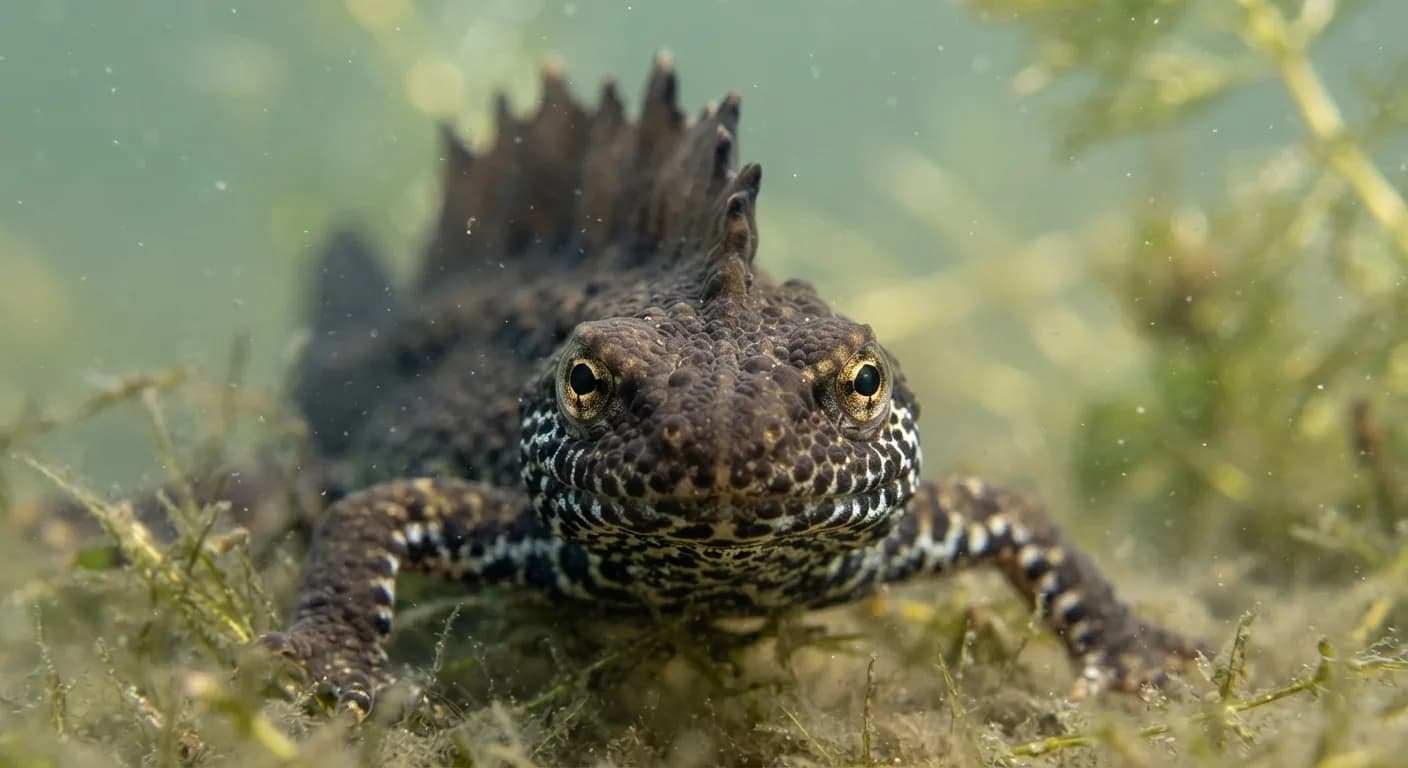
One of the 14 salamanders on WAnimals
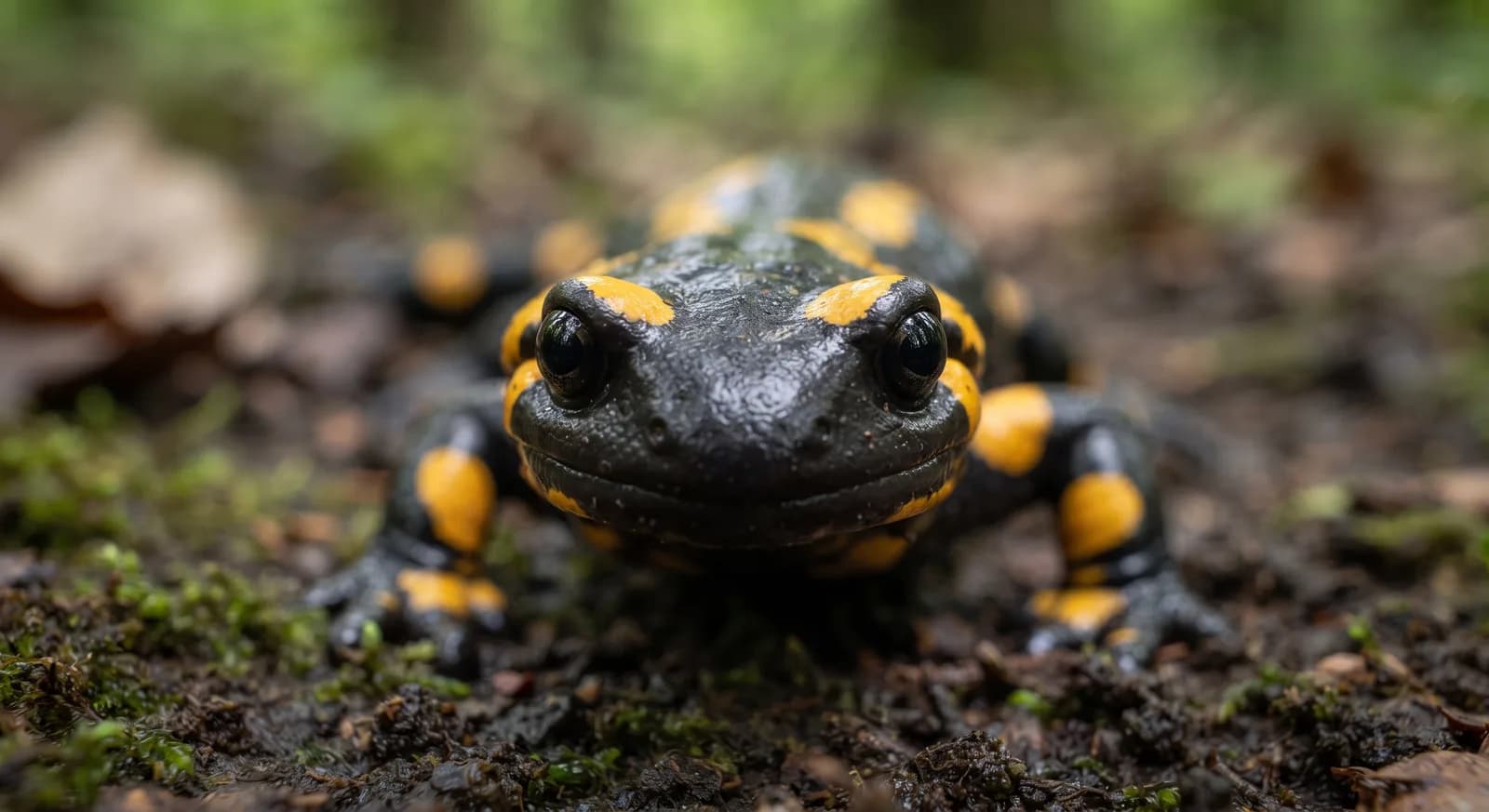
Amphibians · Caudata · Salamandridae
Salamandra salamandra
The species is abundant and widely distributed; it faces no significant short-term risk.
Unlike most amphibians it is ovoviviparous or viviparous depending on the subspecies: it holds the eggs internally and gives birth to fully formed larvae.
Weight
16 g – 56 g
Size
14 cm – 30 cm
Life expectancy
22 years
Diet
Carnivore
Feeds mainly on other animals.
Activity
Nocturnal
Active mainly at night.
Social structure
Solitary
Lives and hunts alone, joining others only to breed.
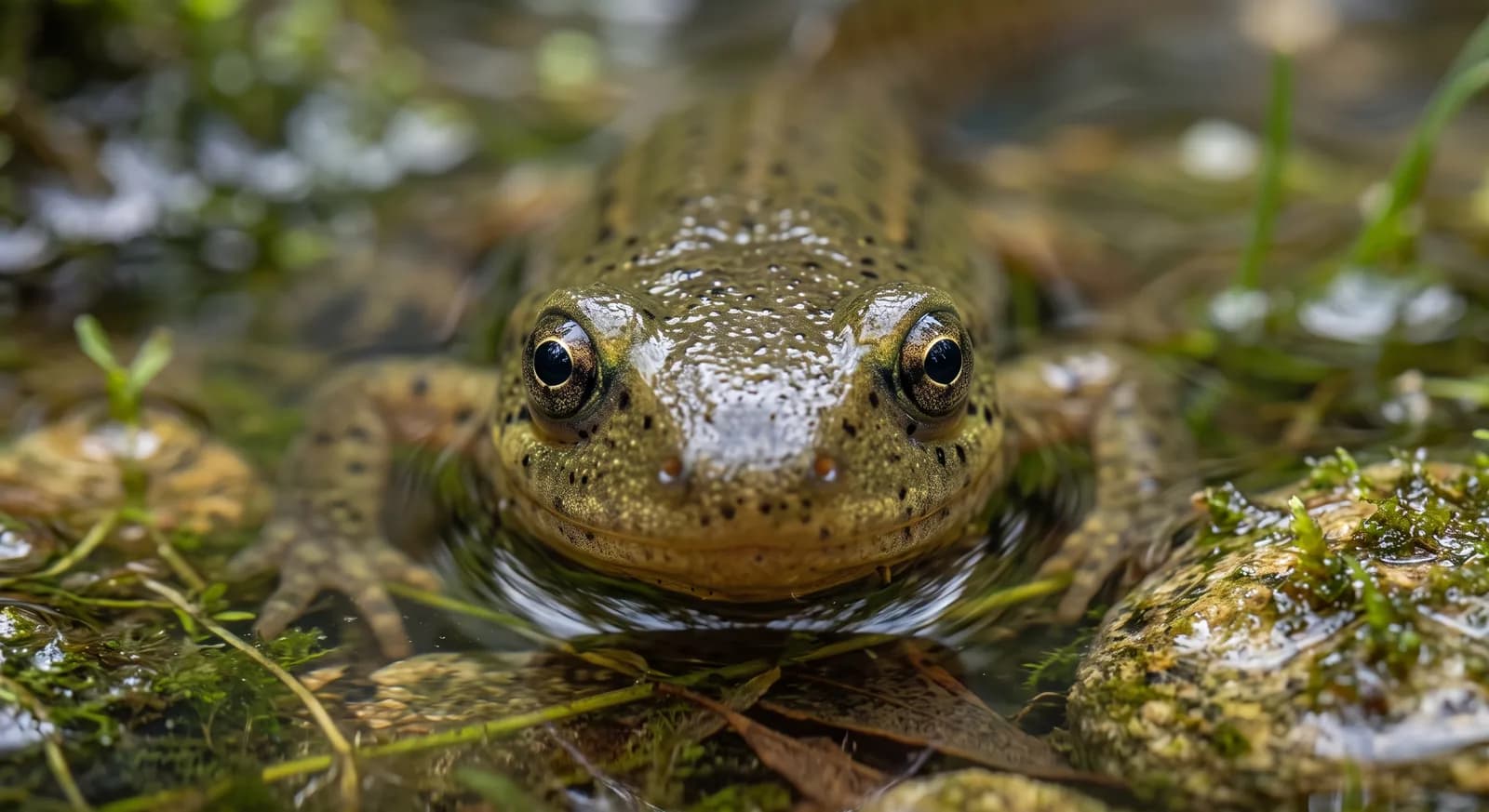
AI-generated images: illustrations, not photographs.
Sources consulted: Amphibienschutz · Animal Diversity Web · Inside Ecology · Animalia.bio · AnAge (genomics.senescence.info) · PMC (environmental drivers demography study) · Britannica
Parks and dive sites where this species has been documented — showing 10 of 18.
Other species in the catalogue with the most in common with Fire Salamander — same habitat, park, country, tags or family.
Based on what we already know about fire salamander.
The pins mark the parks where its presence is documented.