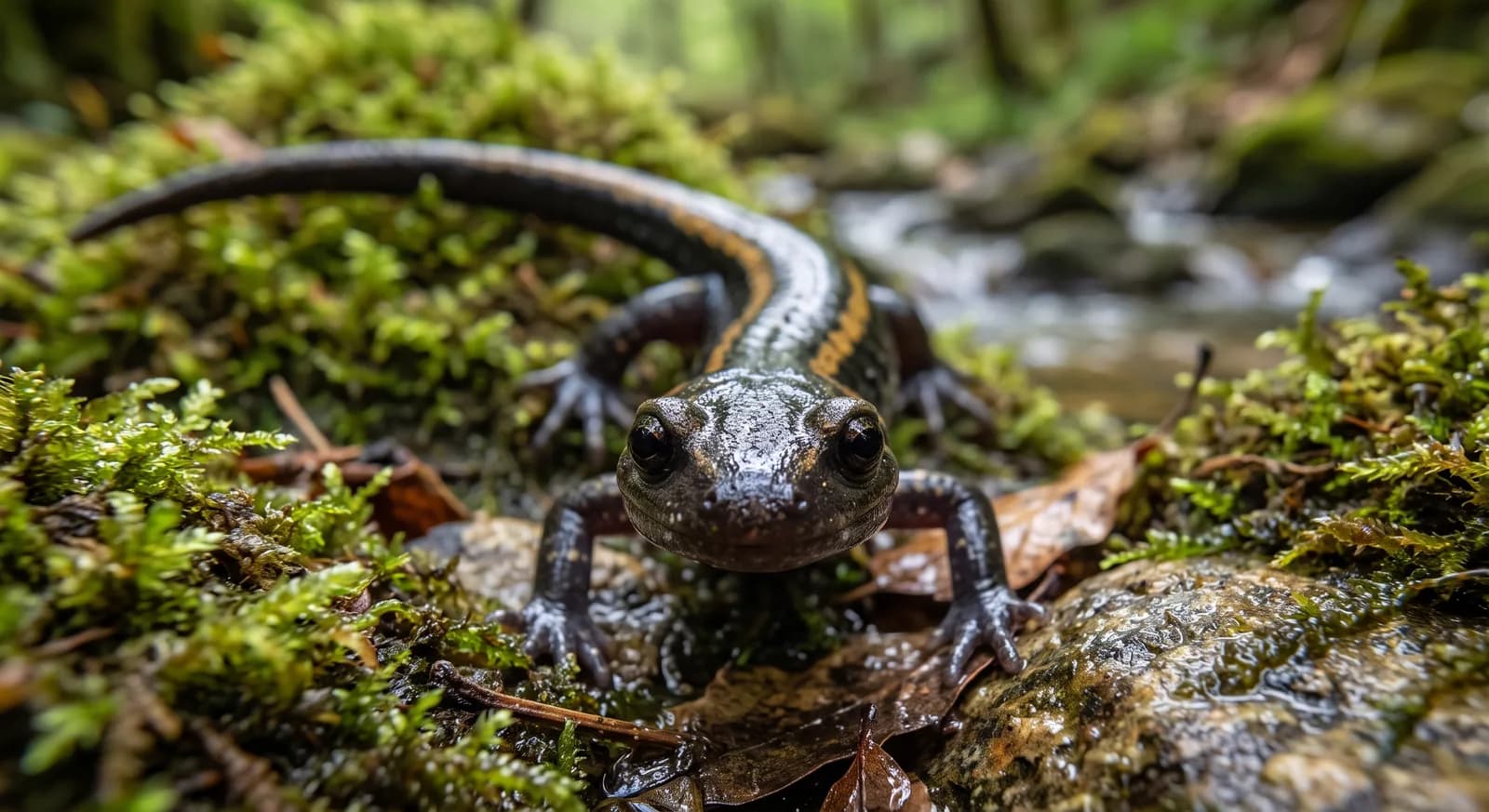
One of the 10 newts on WAnimals
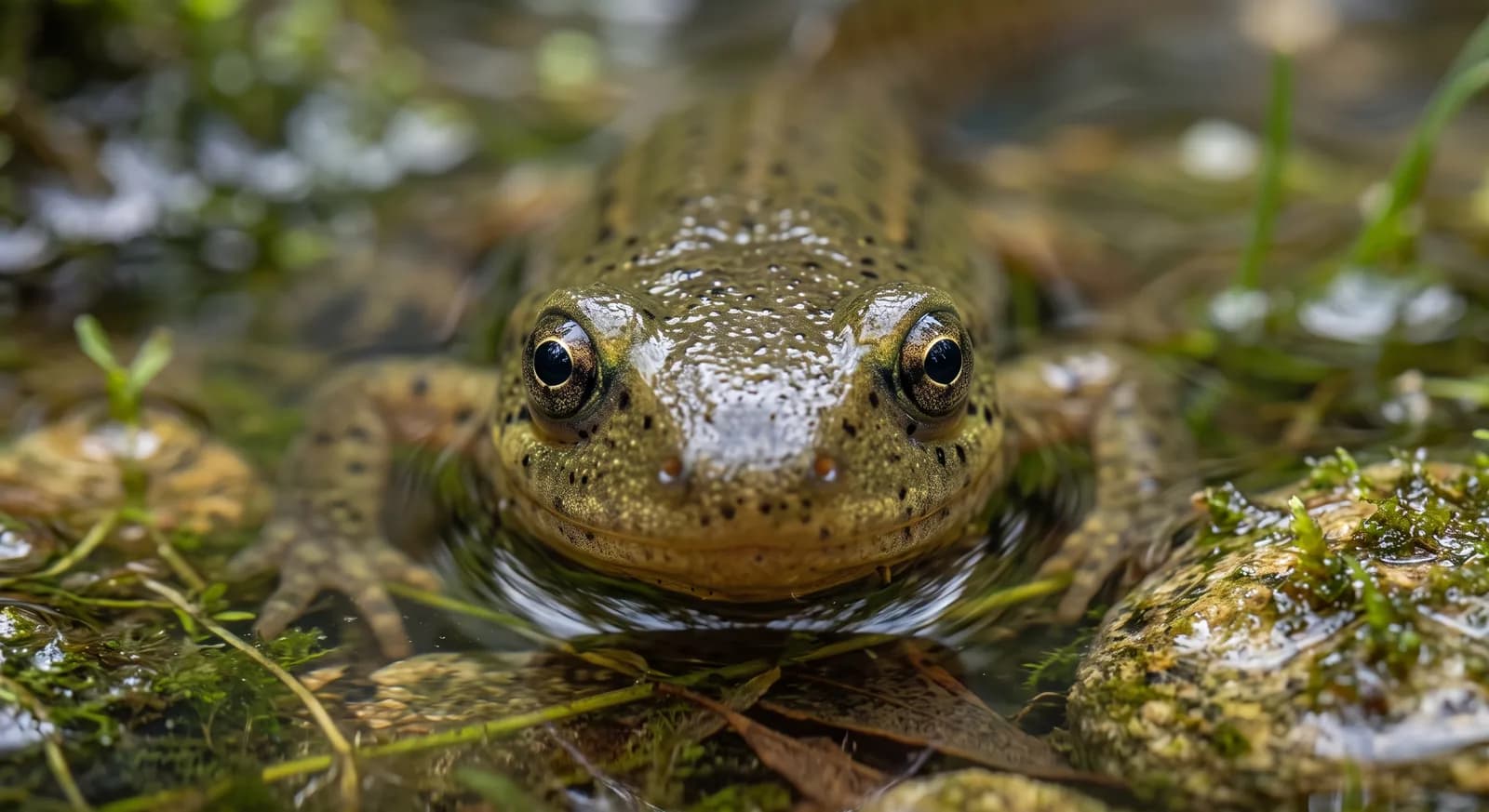
Amphibians · Caudata · Salamandridae
Lissotriton boscai
The species is abundant and widely distributed; it faces no significant short-term risk.
Bosca's newt is a small urodele endemic to the Iberian Peninsula, brown above with an orange belly speckled with black. It is the most widespread newt in the west of the peninsula and occupies everything from dehesa pools to cattle troughs and mountain springs. It depends on small waterbodies that farming is doing away with.
Weight
1 kg – 3 kg
Size
6 cm – 10 cm
Life expectancy
10 years
Diet
Carnivore
Feeds mainly on other animals.
Activity
Nocturnal
Active mainly at night.
Social structure
Solitary
Lives and hunts alone, joining others only to breed.
Sighting difficulty
Easy
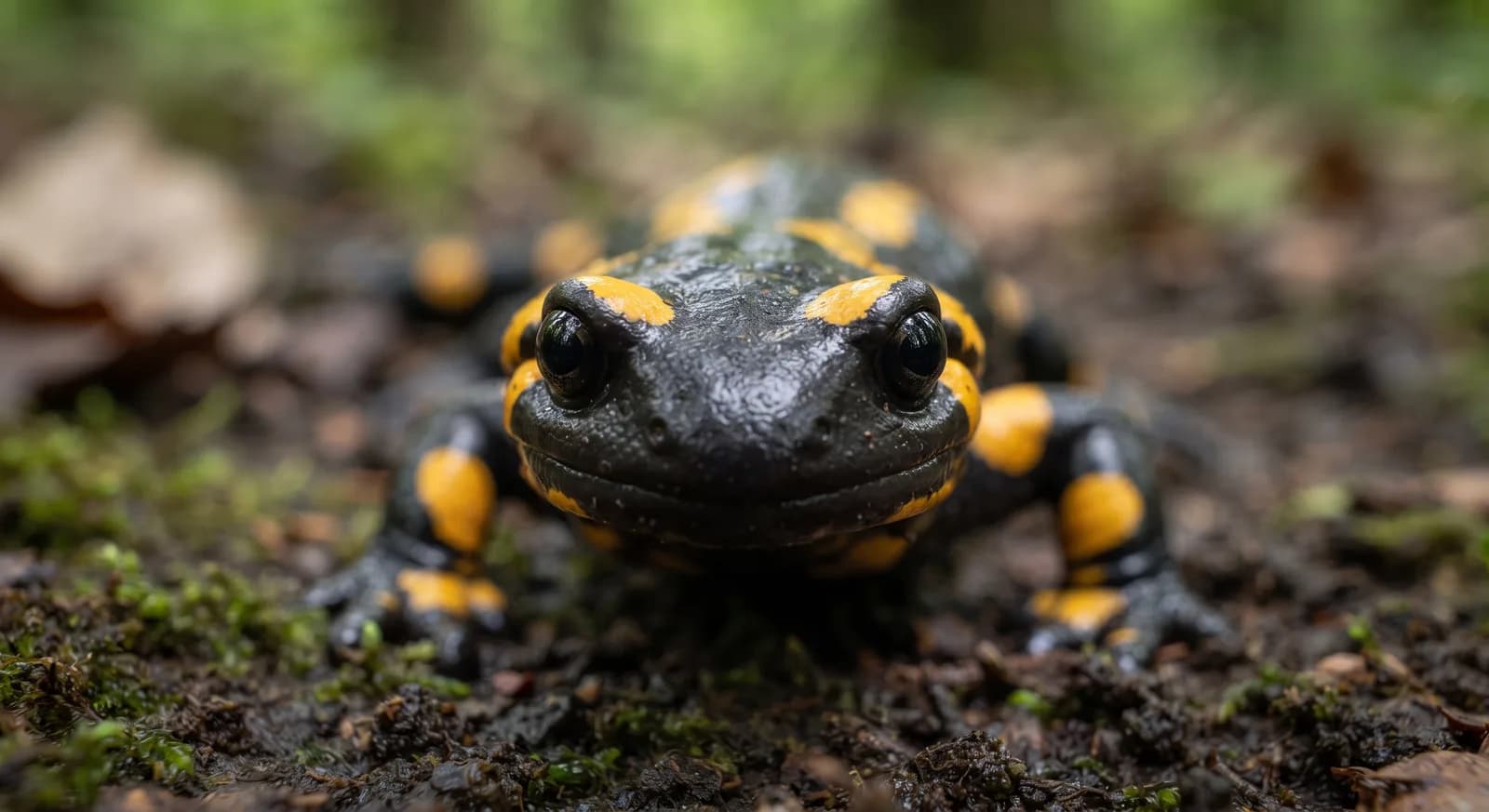
AI-generated images: illustrations, not photographs.
Sources consulted: https://www.iucnredlist.org/ | https://animaldiversity.org/ | https://es.wikipedia.org/
Best time: From October to May in ponds, springs and streams of western Iberia, when it enters its aquatic phase to breed.
The pins mark the parks where its presence is documented.
Parks and dive sites where this species has been documented — showing 10 of 23.
Other species in the catalogue with the most in common with Bosca's Newt — same habitat, park, country, tags or family.
Based on what we already know about bosca's newt.
Share an experience, a fun fact or a tip for seeing the bosca's newt.
Be the first to comment.