Skip to content
WAnimals
  • Map
  • Species
  • Parks
  • Diving
Log inCreate account
WAnimals

The guide for travellers and animal lovers: discover, plan and share your wild adventures around the world.

Discover wildlife

  • Species
  • Ecosystems
  • Glossary
  • Tags

Explore places

  • Map
  • Countries
  • Parks
  • Diving

Plan experiences

  • Guides

Learn

  • Blog

Resources

  • Help centre
  • Contact
  • Install the app

Follow us

Account

  • Log in
  • Create account

© 2026 WAnimals. All rights reserved.

About usHow we build our profilesTerms of servicePrivacyLegal notice
MapSpeciesParksDiving
  1. Home
  2. Species
  3. Marbled Newt

One of the 10 newts on WAnimals

Amphibians · Caudata · Salamandridae

Marbled Newt

Triturus marmoratus

Least Concern

The species is abundant and widely distributed; it faces no significant short-term risk.

Spotted something wrong?

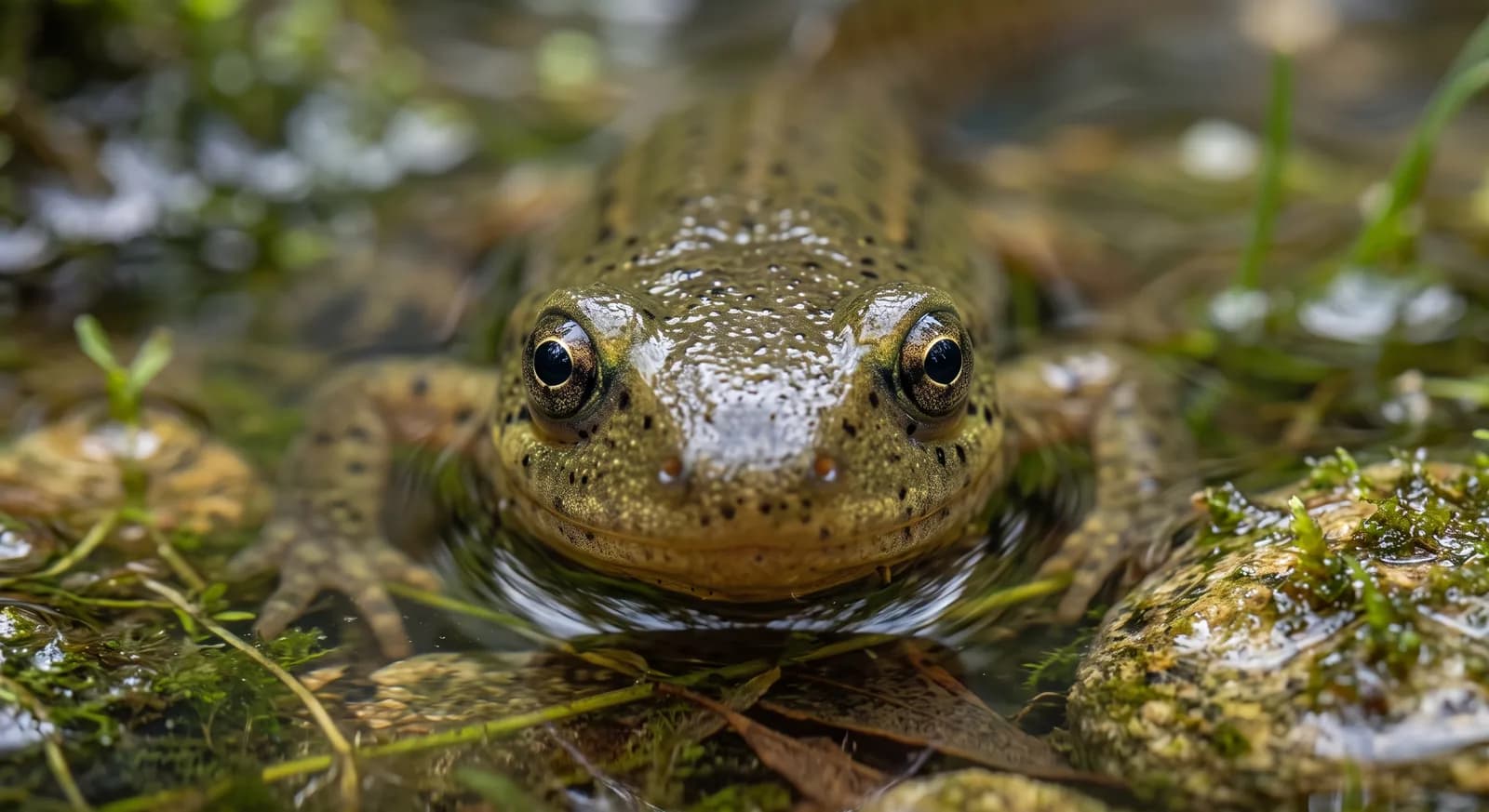
Its striking green-and-black marbled pattern gives it its name, and in the breeding season the male grows a smooth dorsal crest with a distinctive black-and-white banding.

Size

13 cm – 17 cm

Life expectancy

16 years

Diet

Carnivore

Feeds mainly on other animals.

Activity

Nocturnal

Active mainly at night.

Social structure

Solitary

Lives and hunts alone, joining others only to breed.

Sighting difficulty

Easy

MountainFreshwater
3countries26parks13same family

Fun facts

  • It is the largest newt of its genus in Europe.
  • It eats aquatic insect larvae, worms, small crustaceans and occasionally the eggs or larvae of other amphibians.
  • It lives in mountain and wooded country of the Iberian Peninsula and France, breeding in temporary ponds.

Life cycle and biology

Skeleton type
Vertebrate - internal bony skeleton (amphibian)
Habitat and environment
Mountain and wooded country of the Iberian Peninsula and France, with temporary ponds for breeding
Birth weight
An egg of ~2 mm that swells to 4 mm
Size at birth
An egg ~2 mm across
Sexual maturity
3 years
Litter / clutch size
200 to 400 eggs per female, laid singly and stuck to water plants
Life expectancy in captivity
Documented record of up to 25 years

Sources consulted: Salamanderland; Infoanimales; AnAge (genomics.senescence.info); Wikipedia (Marbled newt); Inside Ecology; Grokipedia (Marbled newt)

Where to find it

Loading map…

The pins mark the parks where its presence is documented.

Where to see it

Parks and dive sites where this species has been documented — showing 10 of 26.

Related species

Other species in the catalogue with the most in common with Marbled Newt — same habitat, park, country, tags or family.

Same taxonomic family

Keep exploring

Based on what we already know about marbled newt.

Comments

Share an experience, a fun fact or a tip for seeing the marbled newt.

Be the first to comment.

See full glossary
This page in other languages: Español · Deutsch · Français · Português · Italiano
See its range on the interactive map→
Picos de EuropaSpain
Ordesa y Monte PerdidoSpain
Aiguestortes i Estany de Sant MauriciSpain
Peneda-GeresPortugal
CabañerosSpain
Pyrenees National ParkFrance
MonfragueSpain
Sierra de GuadarramaSpain
SomiedoSpain
RedesSpain
See all 26 parks
Least Concern

Palmate Newt

Lissotriton helveticus

Least Concern

Sharp-ribbed Salamander

Pleurodeles waltl

Bosca's NewtLeast Concern

Bosca's Newt

Lissotriton boscai

Pyrenean Brook SalamanderNear Threatened

Pyrenean Brook Salamander

Calotriton asper

Golden-striped SalamanderVulnerable

Golden-striped Salamander

Chioglossa lusitanica

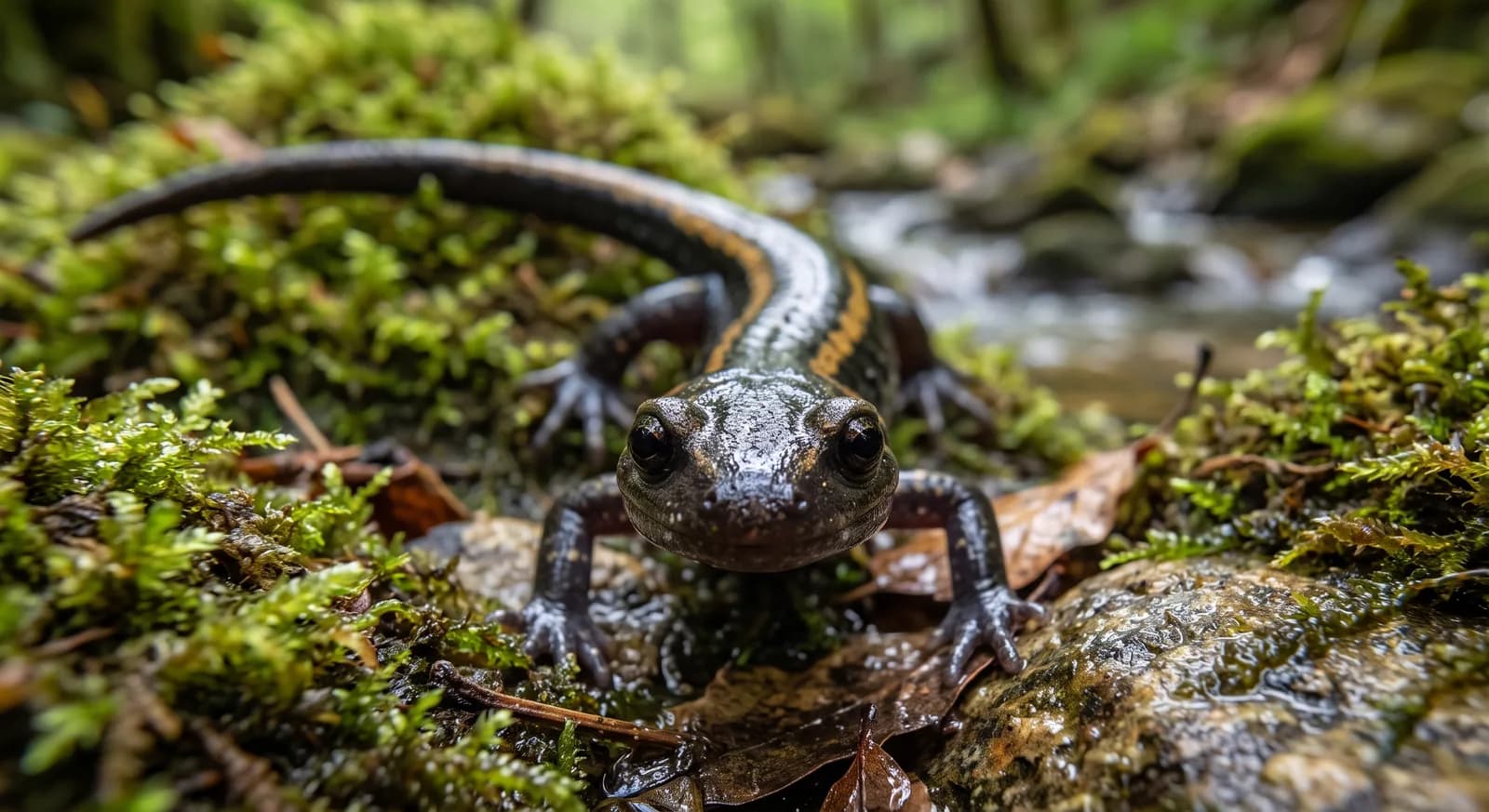
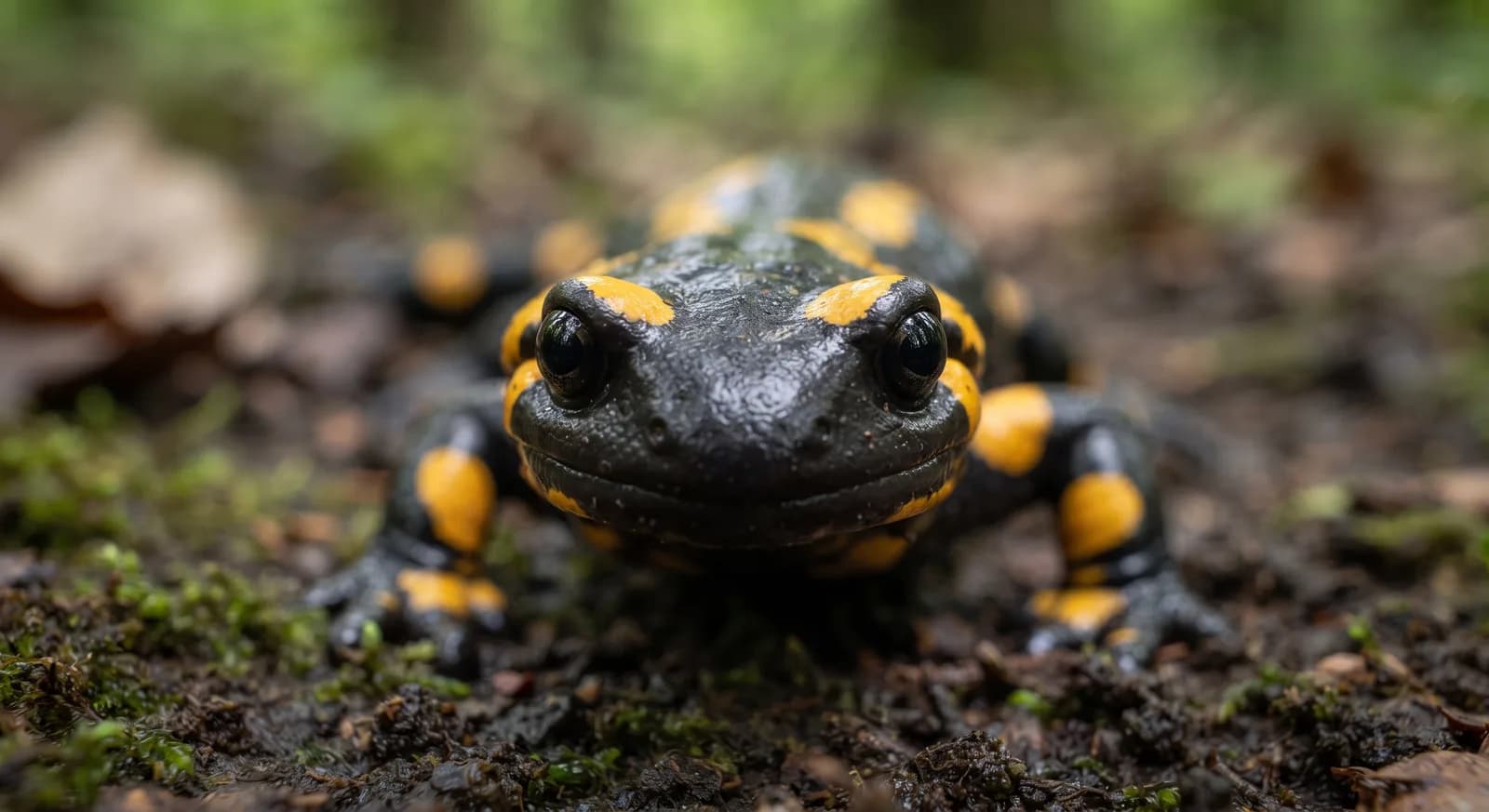
Fire SalamanderLeast Concern

Fire Salamander

Salamandra salamandra

CountriesSpain
ParksPicos de EuropaSpain
TagsCarnivore
Carnivore
Nocturnal
Solitary
Vulnerable
Amphibian
Mountain
Freshwater
Spain
Portugal
France