Skip to content
WAnimals
  • Map
  • Species
  • Parks
  • Diving
Log inCreate account
WAnimals

The guide for travellers and animal lovers: discover, plan and share your wild adventures around the world.

Discover wildlife

  • Species
  • Ecosystems
  • Glossary
  • Tags

Explore places

  • Map
  • Countries
  • Parks
  • Diving

Plan experiences

  • Guides

Learn

  • Blog

Resources

  • Help centre
  • Contact
  • Install the app

Follow us

Account

  • Log in
  • Create account

© 2026 WAnimals. All rights reserved.

About usHow we build our profilesTerms of servicePrivacyLegal notice
MapSpeciesParksDiving
  1. Home
  2. Species
  3. Pyrenean Brook Salamander

One of the 10 newts on WAnimals

Pyrenean Brook Salamander (Calotriton asper)

Amphibians · Caudata · Salamandridae

Pyrenean Brook Salamander

Calotriton asper

Near Threatened

It could become threatened in the near future if current threats go unchecked.

Spotted something wrong?

The Pyrenean brook salamander is a robust, granular-skinned urodele endemic to the Pyrenees, adapted to cold, fast mountain torrents. Unlike most newts it has no dorsal crest and its tail is laterally compressed, and it can live in water all year round. Fish introduced into the mountain lakes are its main threat.

Size

10 cm – 16 cm

Life expectancy

15 years

Diet

Carnivore

Feeds mainly on other animals.
Activity

Nocturnal

Active mainly at night.

Social structure

Solitary

Lives and hunts alone, joining others only to breed.

Sighting difficulty

Moderate

MountainFreshwater
3countries4parks13same family

AI-generated images: illustrations, not photographs.

Fun facts

  • GeneralIt lives in water below 15°C and its larvae can take two years to develop.
  • It is a strict Pyrenean endemic: it exists only in the Pyrenees and some pre-Pyrenean ranges of Spain, France and Andorra, and much of its world population is on Spanish soil.
  • It can spend its whole life in water, which is uncommon among European newts, most of which alternate aquatic and terrestrial phases.
  • The introduction of trout and other fish into the Pyrenean glacial lakes, many of which naturally held no fish at all, has wiped out its larvae from numerous high-mountain lakes.

Life cycle and biology

Skeleton type
Vertebrate - internal bony skeleton (amphibian)
Habitat and environment
Cold torrents, tarns and high-mountain lakes of the Pyrenees and the Pre-Pyrenean ranges
Size at birth
An aquatic larva with external gills; in cold water metamorphosis can take more than a year
Sexual maturity
3 years
Gestation / incubation
Larval development in mountain torrents and lakes
Litter / clutch size
40 eggs

Sources consulted: https://es.wikipedia.org/wiki/Calotriton_asper

Where to find it

Best time: From May to September in mountain streams and lakes of the Pyrenees, among the stones of the channel itself.

Loading map…

The pins mark the parks where its presence is documented.

Where to see it

Parks and dive sites where this species has been documented.

Related species

Other species in the catalogue with the most in common with Pyrenean Brook Salamander — same habitat, park, country, tags or family.

Same taxonomic family
Shares a park
Shares a park
Shares a park
Shares a park

Keep exploring

Based on what we already know about pyrenean brook salamander.

Comments

Share an experience, a fun fact or a tip for seeing the pyrenean brook salamander.

Be the first to comment.

See full glossary
This page in other languages: Español · Deutsch · Français · Português · Italiano
See its range on the interactive map→
Ordesa y Monte PerdidoSpain
Aiguestortes i Estany de Sant MauriciSpain
Pyrenees National ParkFrance
Cadí-MoixeróSpain
Least Concern

Marbled Newt

Triturus marmoratus

Least Concern

Palmate Newt

Lissotriton helveticus

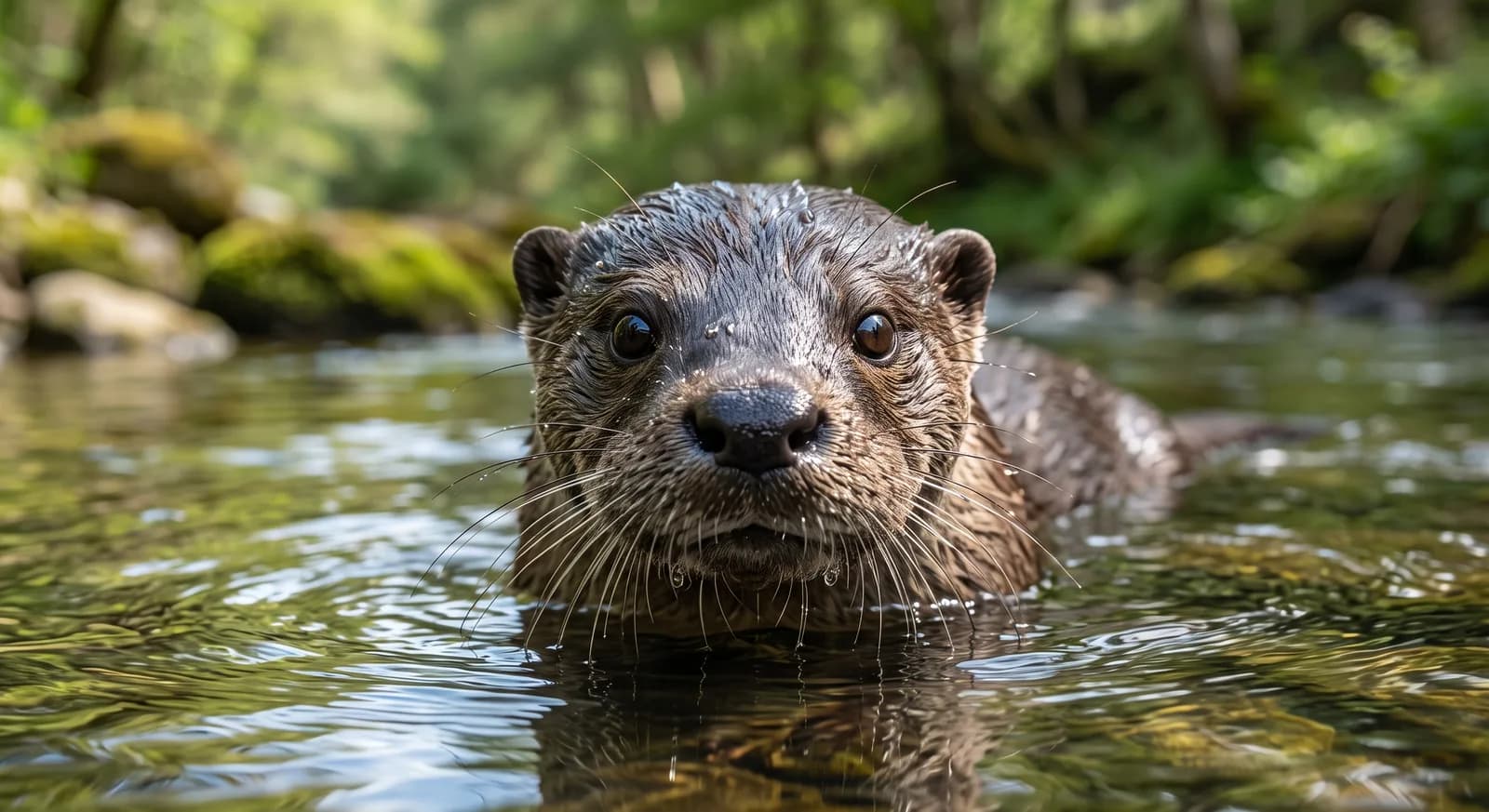
European OtterNear Threatened

European Otter

Lutra lutra

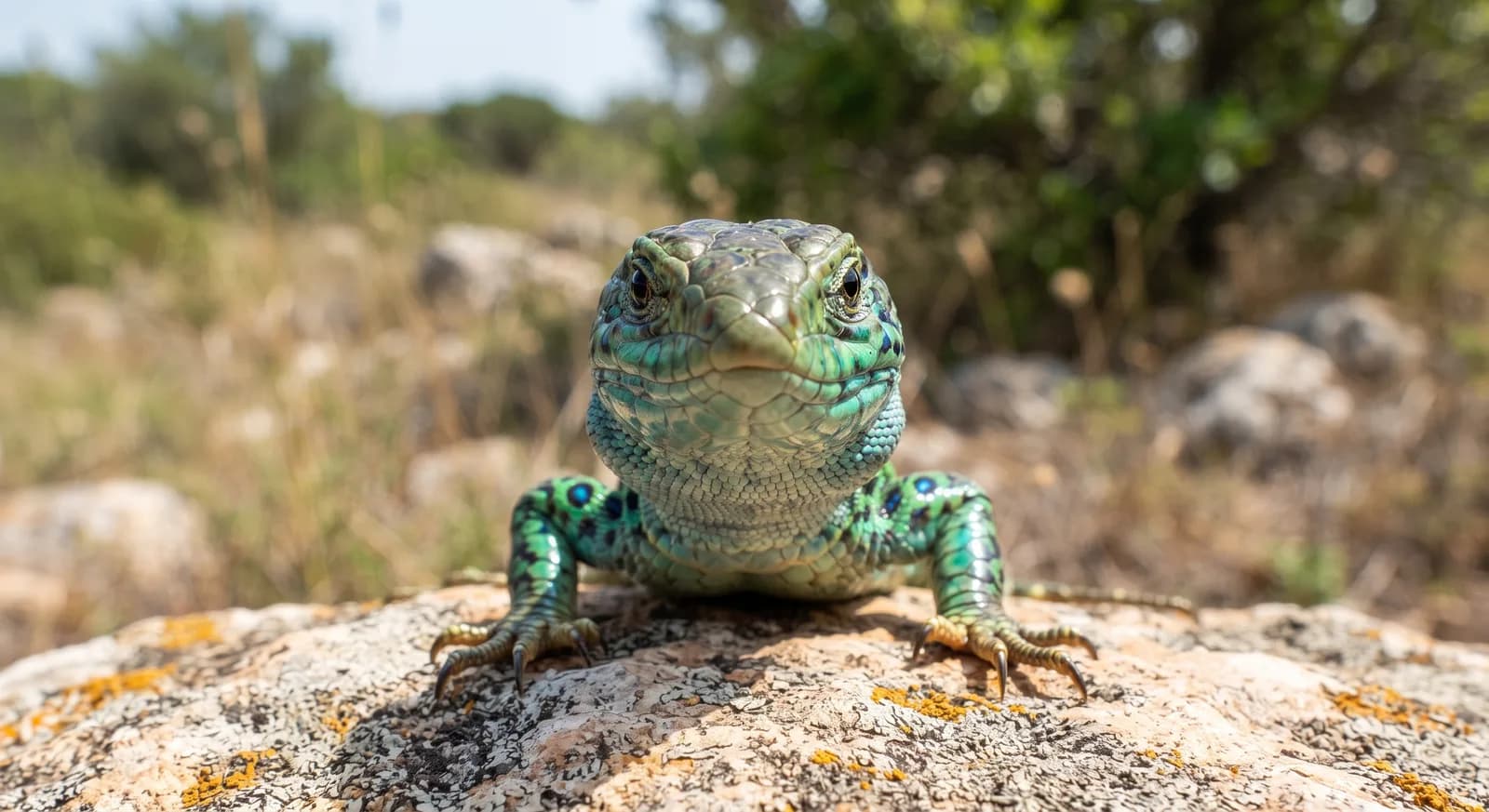
Ocellated LizardNear Threatened

Ocellated Lizard

Timon lepidus

Near Threatened

Four-lined Snake

Elaphe quatuorlineata

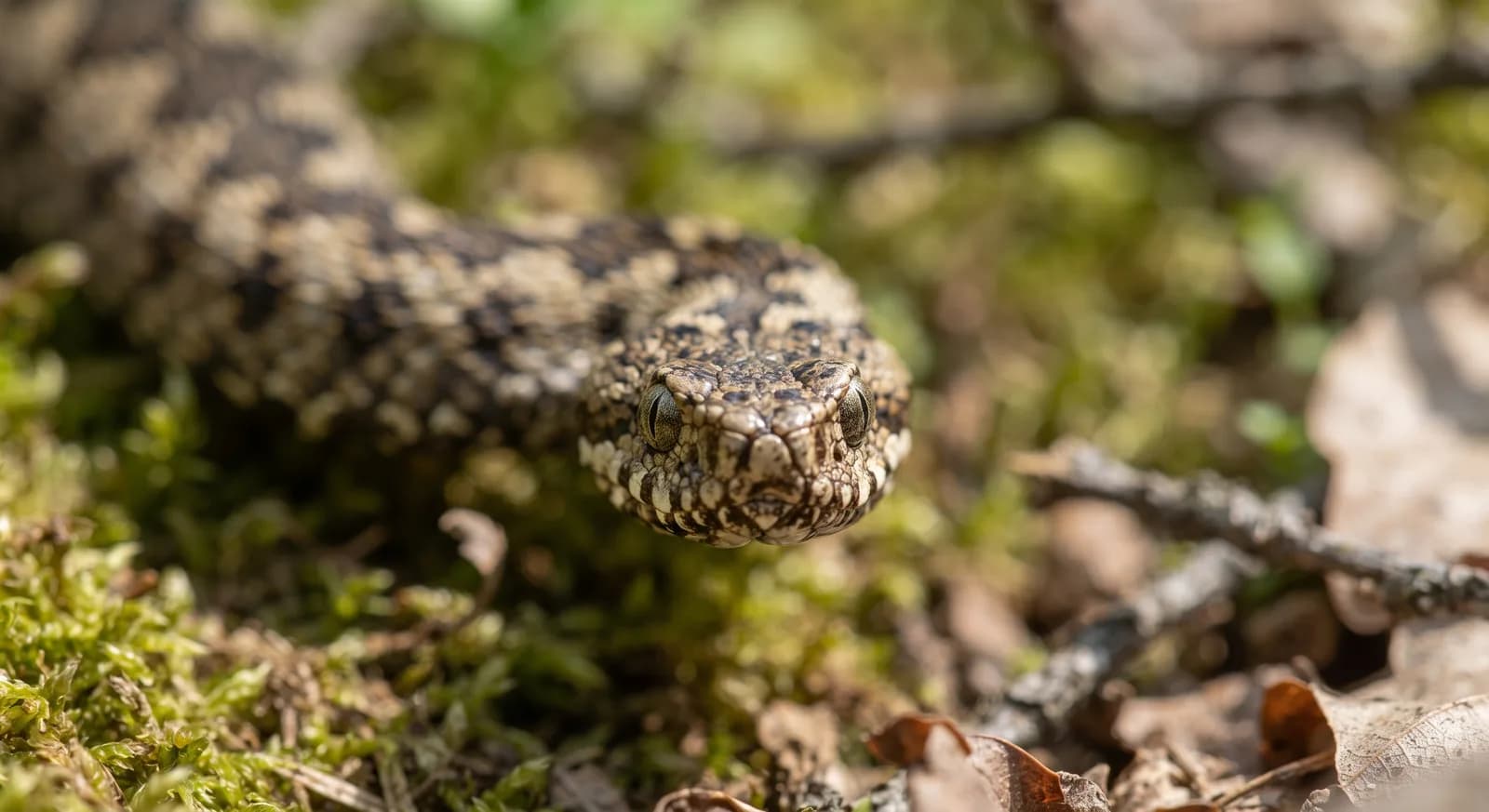
Seoane's ViperNear Threatened

Seoane's Viper

Vipera seoanei

CountriesSpain
ParksOrdesa y Monte PerdidoSpain
TagsCarnivore
Carnivore
Nocturnal
Solitary
Near Threatened
Amphibian
Mountain
Freshwater
Spain
France
Andorra