 Least Concern
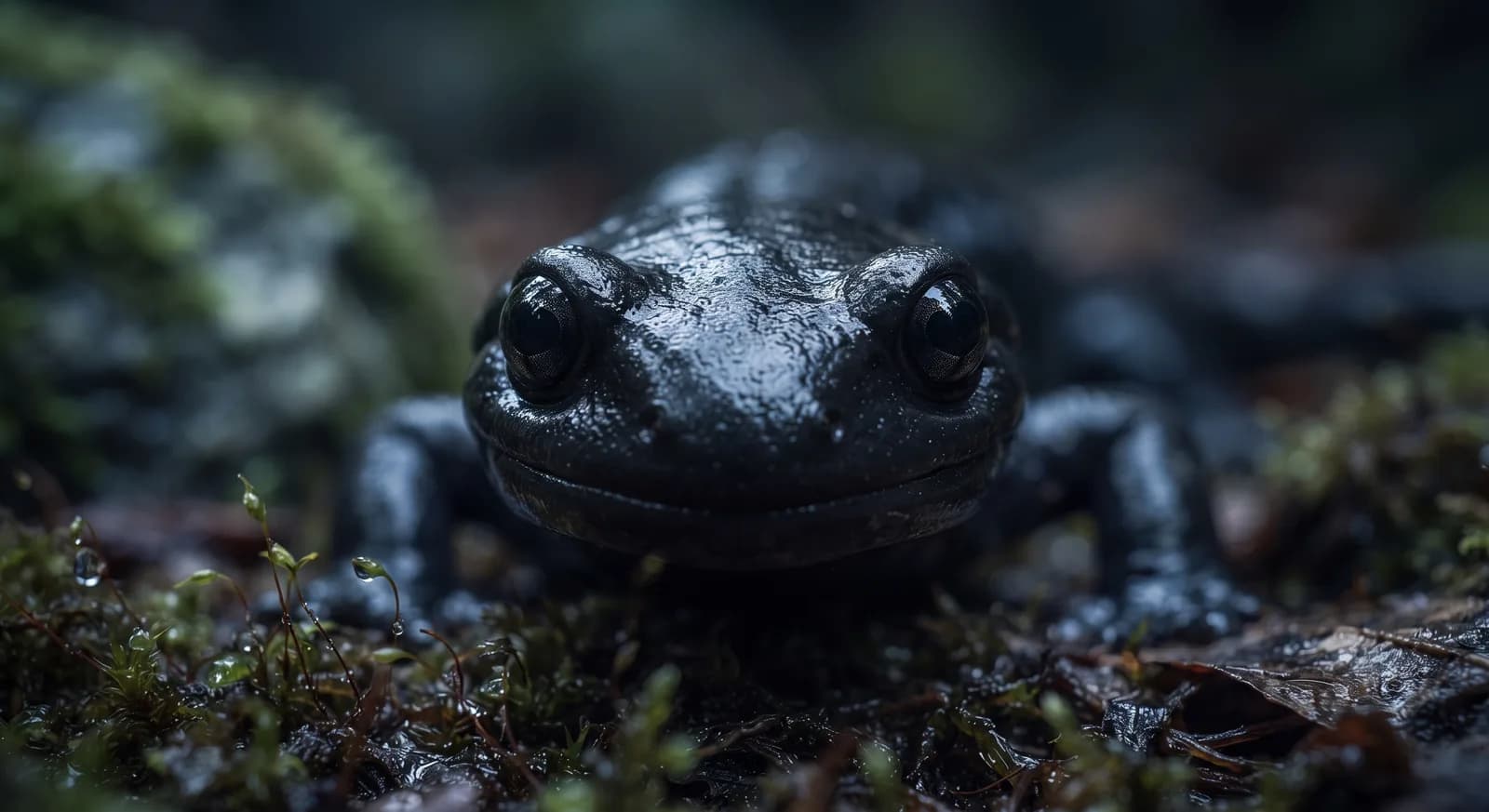
Alpine Salamander
Salamandra atra
12 countries8 parks
Species group · Amphibians
WAnimals has 14 species of salamander, spread across 6 families (Ambystomatidae, Cryptobranchidae, Dicamptodontidae, Hynobiidae, Plethodontidae, Salamandridae).
Each one has its own full profile. This group does not replace them: it brings them together.
5 species in this group are in a threatened category according to the IUCN.
Recorded in 58 countries. The ones with the most species in the group:
It lays no eggs: it gives birth to two fully formed young after a gestation of up to three years.
From
It has the longest gestation of any land vertebrate: two to three years depending on altitude, longer than any elephant or whale, and only one or two fully formed young are born.
From
It needs no water to breed: the embryos develop entirely inside the mother, feeding on the unfertilised eggs and on uterine secretions, an adaptation to high mountains where standing water freezes.
From
Unlike most amphibians, it holds its eggs internally and gives birth to fully formed larvae.
From
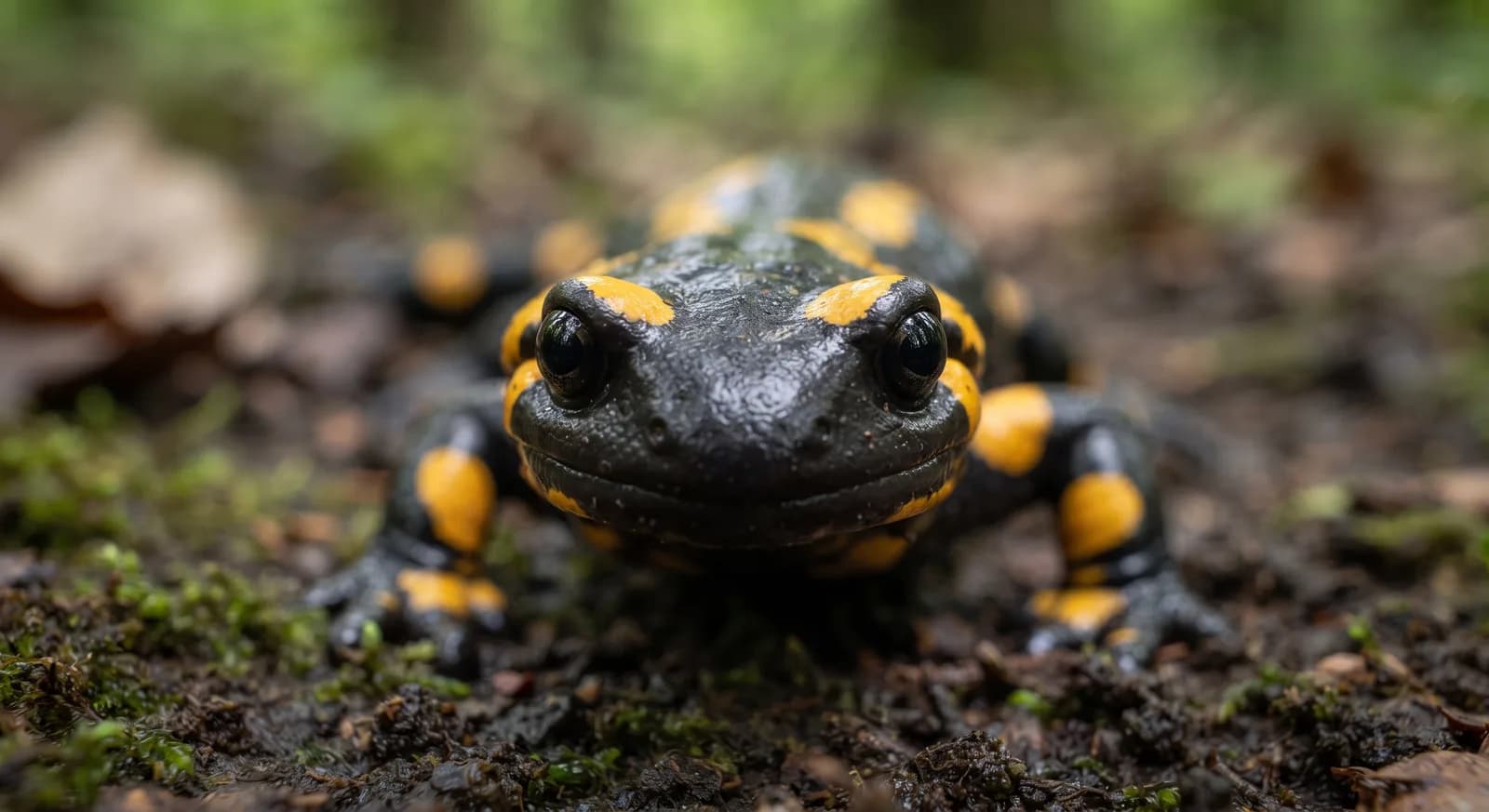
Its black and yellow pattern is a warning about the toxins it secretes through its skin.
From
It can live for over 50 years in captivity, an exceptional record for an amphibian.
From
Individuals have been found frozen in the Siberian permafrost that revived on thawing, some after decades trapped in the ice, and cases of survival after much longer periods have been published that are still debated.
From
·
Ranges calculated from the profiles that record the figure, not from all 14.
It withstands temperatures down to forty-five degrees below zero thanks to the glycerol it builds up in its tissues, a biological antifreeze that stops crystals forming inside the cells.
From