 Near Threatened
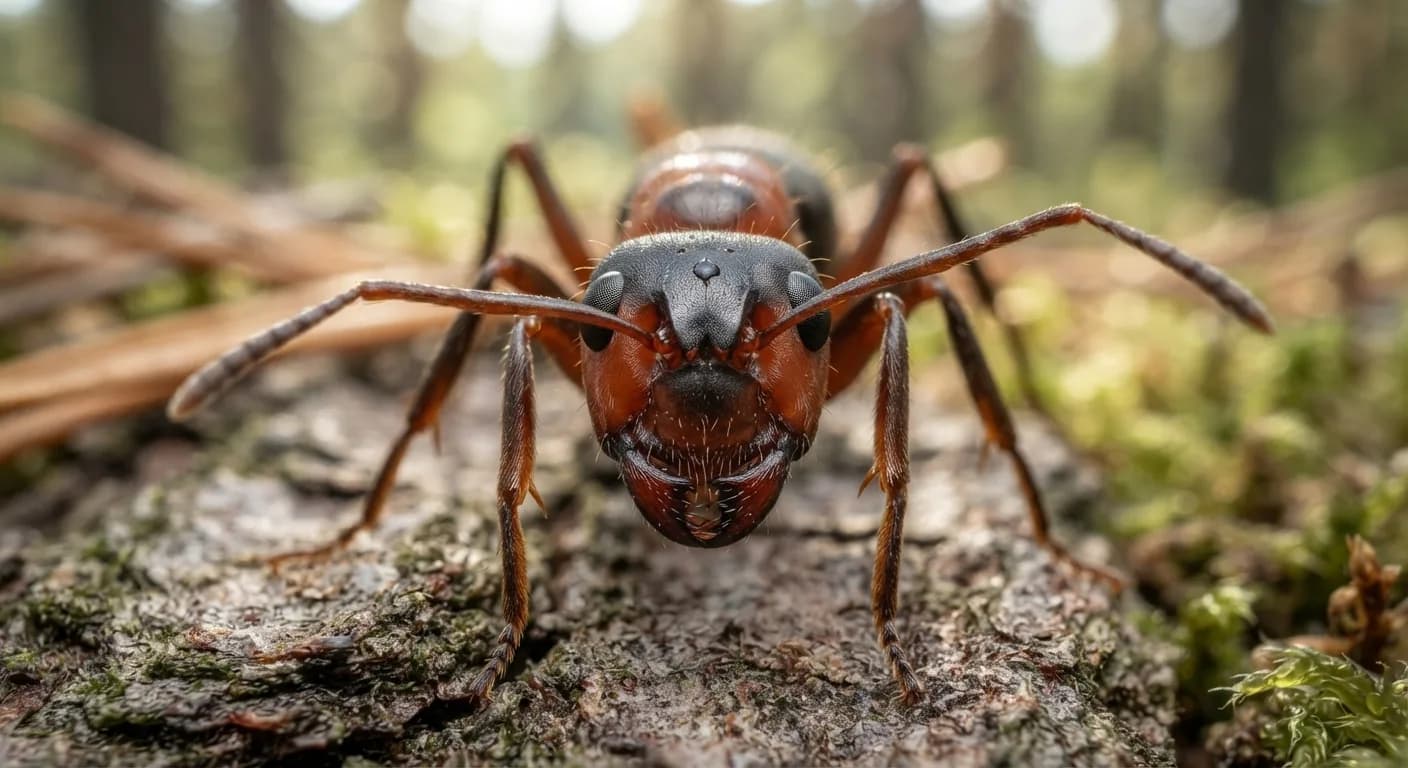
Red Wood Ant
Formica rufa
45 countries196 parks
Species group · Insects
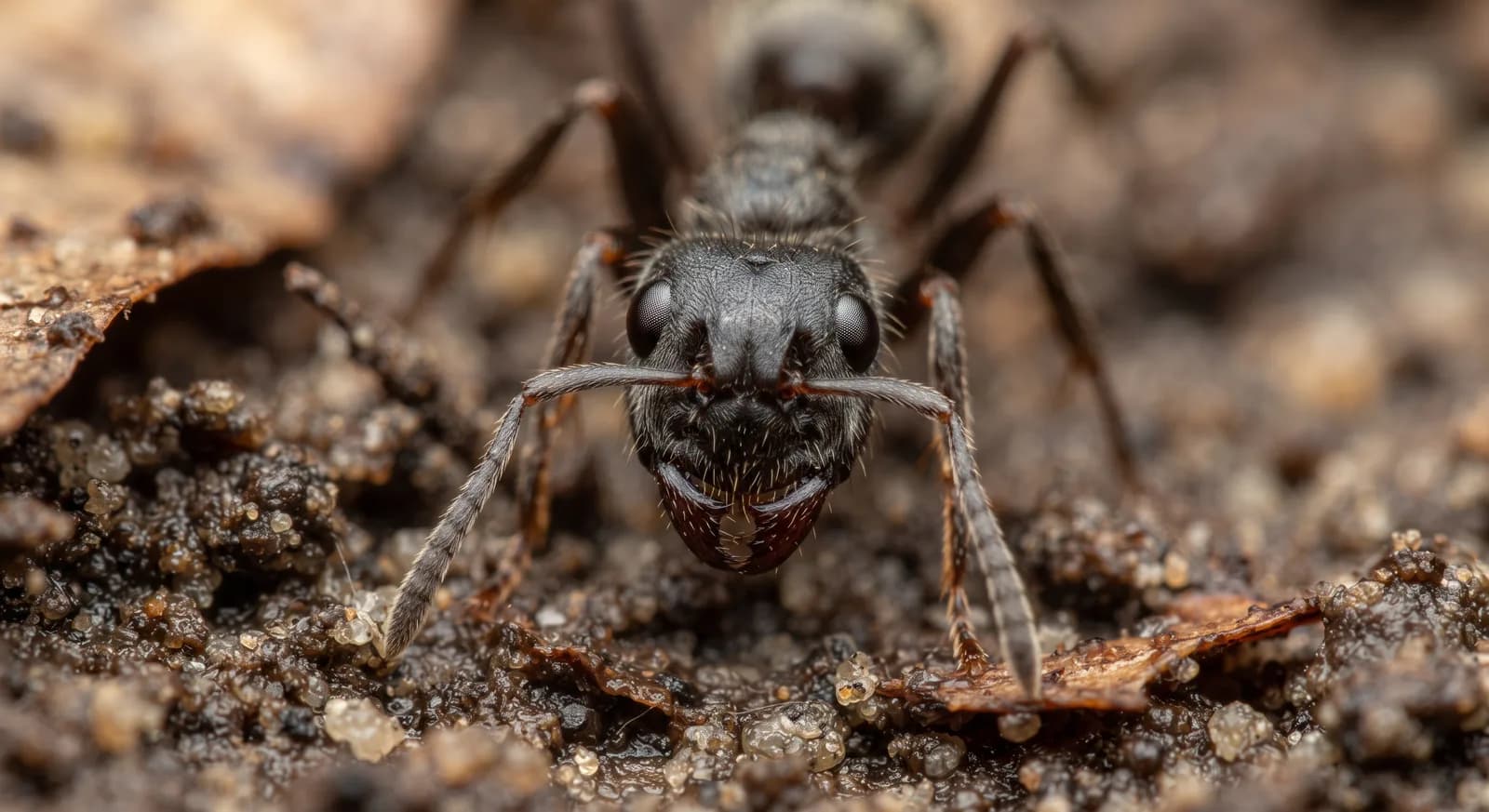
WAnimals has 13 species of ant, spread across 3 families (Formicidae, Mutillidae, Myrmeleontidae).
Ranges calculated from the profiles that record the figure, not from all 13.
Each one has its own full profile. This group does not replace them: it brings them together.
No species documented in this group is genuinely at risk according to the IUCN, with the data available today.
Recorded in 107 countries. The ones with the most species in the group:
It eats other insects and invertebrates, supplemented with honeydew from aphids it actively milks.
From
It builds large mound nests in the coniferous and broadleaf woodland of Europe.
From
New queens practise social parasitism: they slip into the nest of another ant species, kill its queen and take over the existing workers.
From
It forms supercolonies thousands of kilometres across, within which the workers never fight one another.
From
It is unicolonial: workers from nests hundreds of kilometres apart do not attack one another, and that lack of internal competition is what makes it so dominant.
From
The main European supercolony stretches some 6,000 km along the Mediterranean coast, from Portugal and Spain to Italy; in eastern Spain there is a second supercolony, the Catalan one, and workers from the two do fight to the death.
From
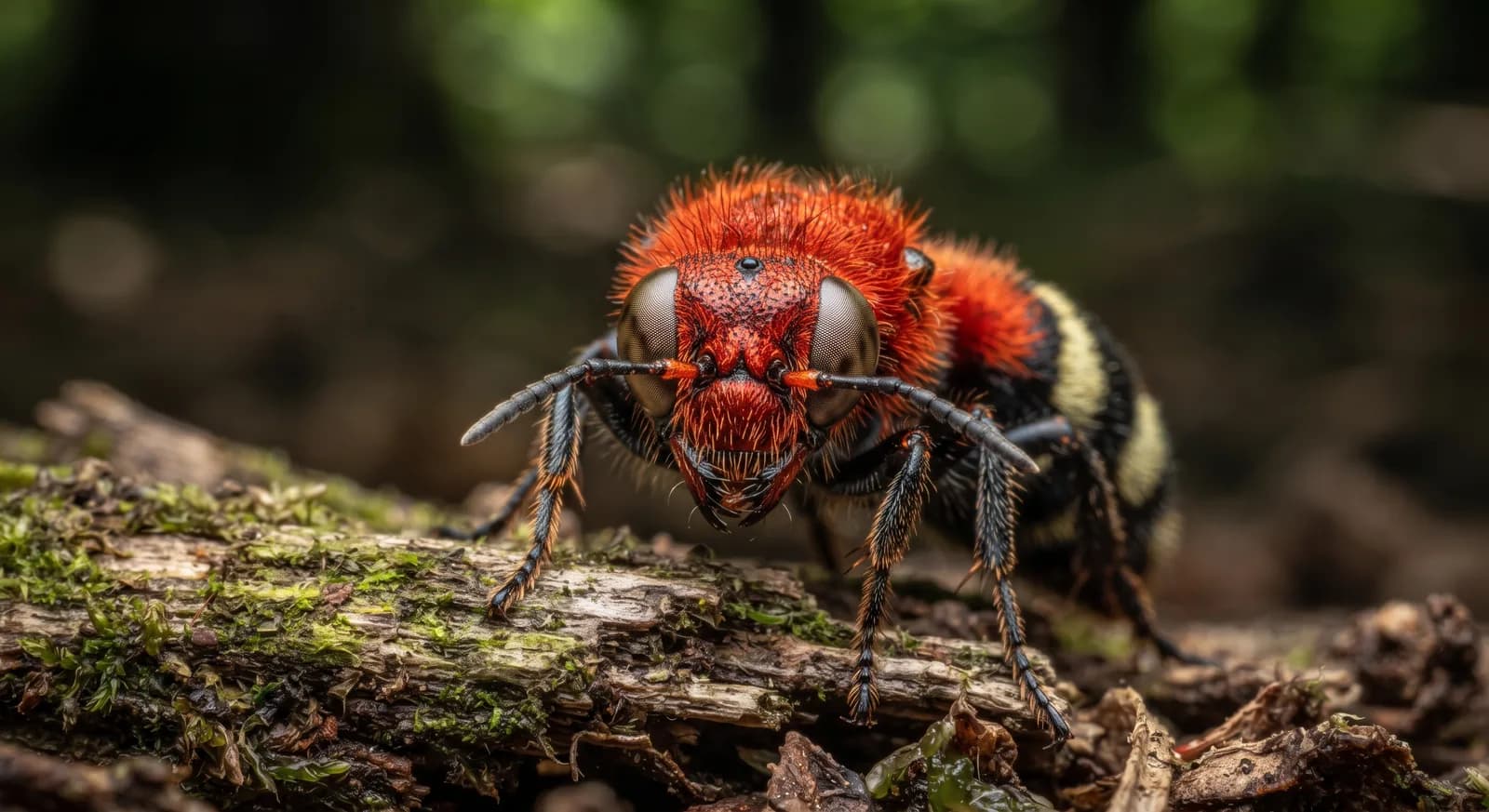
It is not an ant but a wingless wasp; its sting is intensely painful.
From
·
Male and female are so different that for a long time they were described as separate species; they could only be linked by watching them mate.
From