Skip to content
WAnimals
  • Map
  • Species
  • Parks
  • Diving
Log inCreate account
WAnimals

The guide for travellers and animal lovers: discover, plan and share your wild adventures around the world.

Discover wildlife

  • Species
  • Ecosystems
  • Glossary
  • Tags

Explore places

  • Map
  • Countries
  • Parks
  • Diving

Plan experiences

  • Guides

Learn

  • Blog

Resources

  • About us
  • How we build our profiles
  • Help centre
  • Contact
  • Install the app

Follow us

Account

  • Log in
  • Create account

© 2026 WAnimals. All rights reserved.

Terms of servicePrivacyCookiesLegal notice
MapSpeciesParksDiving
  1. Home
  2. Species
  3. Large Velvet Ant

One of the 13 ants on WAnimals
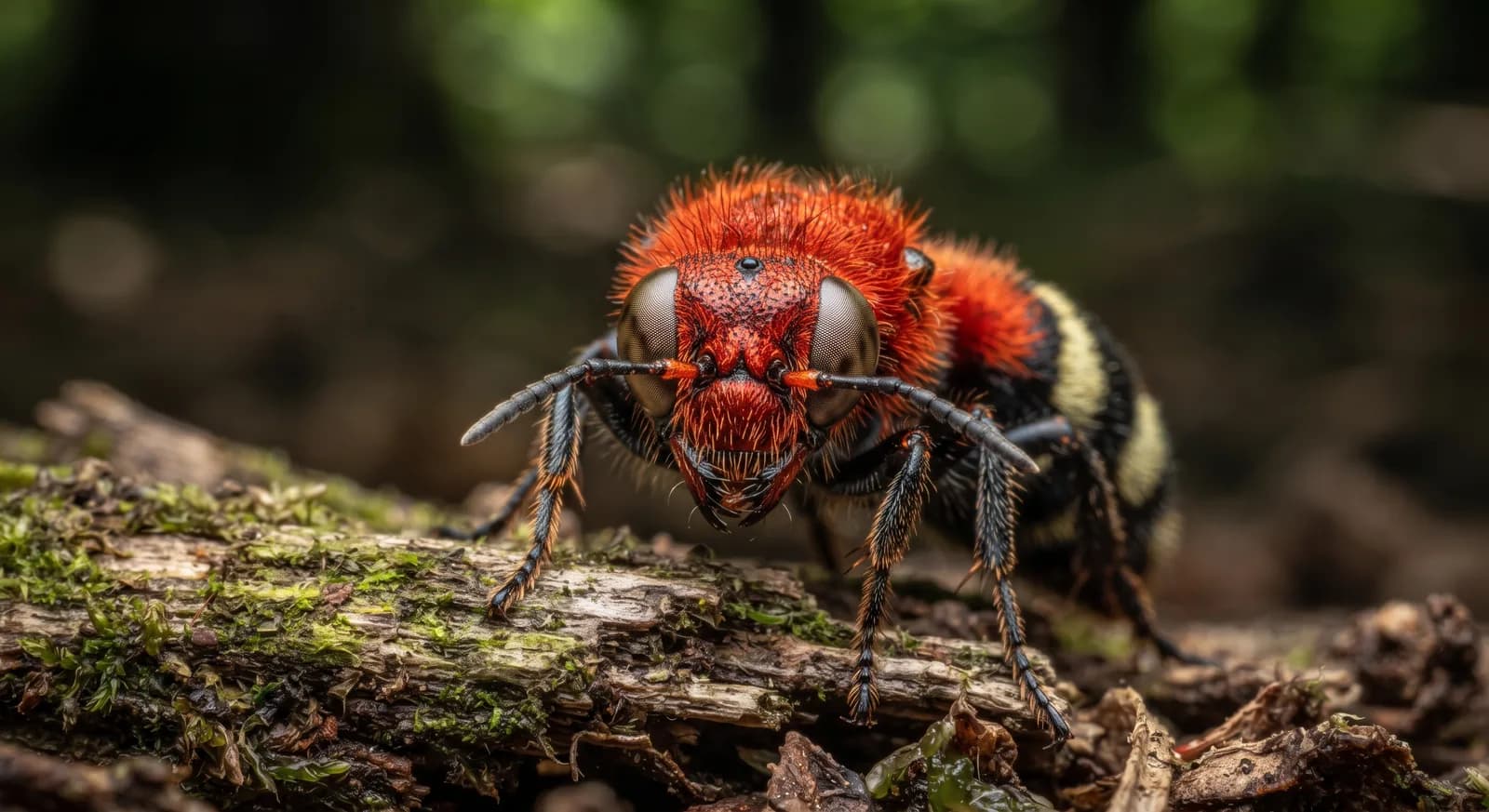
Large Velvet Ant (Mutilla europaea)

Insects · Hymenoptera · Mutillidae

Large Velvet Ant

Mutilla europaea

Not Evaluated

It has not yet been assessed against the IUCN criteria.

Spotted something wrong?

Known as the velvet ant, it is not an ant but a wasp: the female is wingless and runs across the ground covered in dense red-and-black fur, while the male flies and looks completely different. It parasitises bumblebee nests.

Size

1 cm – 1.5 cm

Diet

Carnivore

Feeds mainly on other animals.

Activity

Diurnal

Active mainly during the day.
Social structure

Solitary

Lives and hunts alone, joining others only to breed.

Grassland
41countries

AI-generated images: illustrations, not photographs.

Fun facts

  • GeneralIt is not an ant but a wingless wasp; its sting is intensely painful.
  • Male and female are so different that for a long time they were described as separate species; they could only be linked by watching them mate.
  • The female enters the bumblebee nest, opens the cells and lays an egg on the pupae, which her larva will devour.
  • Its cuticle is extraordinarily hard and resistant to the stings and bites of the bumblebees defending the nest, and it also stridulates, producing an audible squeak when disturbed.
  • It is not an ant despite the name: it is a wasp with extreme sexual dimorphism, the female wingless and covered in velvety hair and the male winged.
  • The female enters bumblebee nests and lays her eggs on the pupae; the larva develops as an ectoparasite, eating the pupa from the outside.
  • It parasitises mostly male pupae, and under experimental conditions it has been recorded dispersing up to twenty metres in a week and invading nests of different species.
  • The sting of females in this family is proverbially painful, and their cuticle is so tough that it resists being crushed.

Life cycle and biology

Skeleton type
Invertebrate - chitin exoskeleton (insect)
Habitat and environment
Meadows and sandy ground with bumblebee nests
Sexual maturity
Extreme sexual dimorphism: the female is wingless and searches for host nests on foot, while the male is winged and flies in search of females
Gestation / incubation
The larva develops as an idiobiont ectoparasitoid on the host's prepupa or pupa and kills it within one or two weeks
Litter / clutch size
The female pierces the wax wall of the bumblebee nest and lays the eggs on the surface of the prepupa; up to two eggs have been observed in a single cell

Sources consulted: Insects (2019), primer registro de parasitación sobre Bombus breviceps · revisiones de biología de Mutillidae · NCBI PMC6523353, parasitismo de Mutilla europaea sobre Bombus breviceps · NCBI PMC6523353, parasitismo de Mutilla europaea sobre Bombus · ficha de la familia Mutillidae · NCBI PMC6523353 · NCBI PMC7485775, revision global de hospedadores de mutilidos

Where to find it

Best time: The females patrol ground with a high density of host nests, mainly in the early morning and late afternoon to avoid the overheated soil of midday

Loading map…

Related species

Other species in the catalogue with the most in common with Large Velvet Ant — same habitat, park, country, tags or family.

Related to
Related to
Related to
Related to
Related to
Related to

Keep exploring

Based on what we already know about large velvet ant.

Share an experience, a fun fact or a tip for seeing the large velvet ant.
See full glossary
This page in other languages: Español · Deutsch · Français · Português · Italiano
See its range on the interactive map→
Common BuzzardLeast Concern

Common Buzzard

Buteo buteo

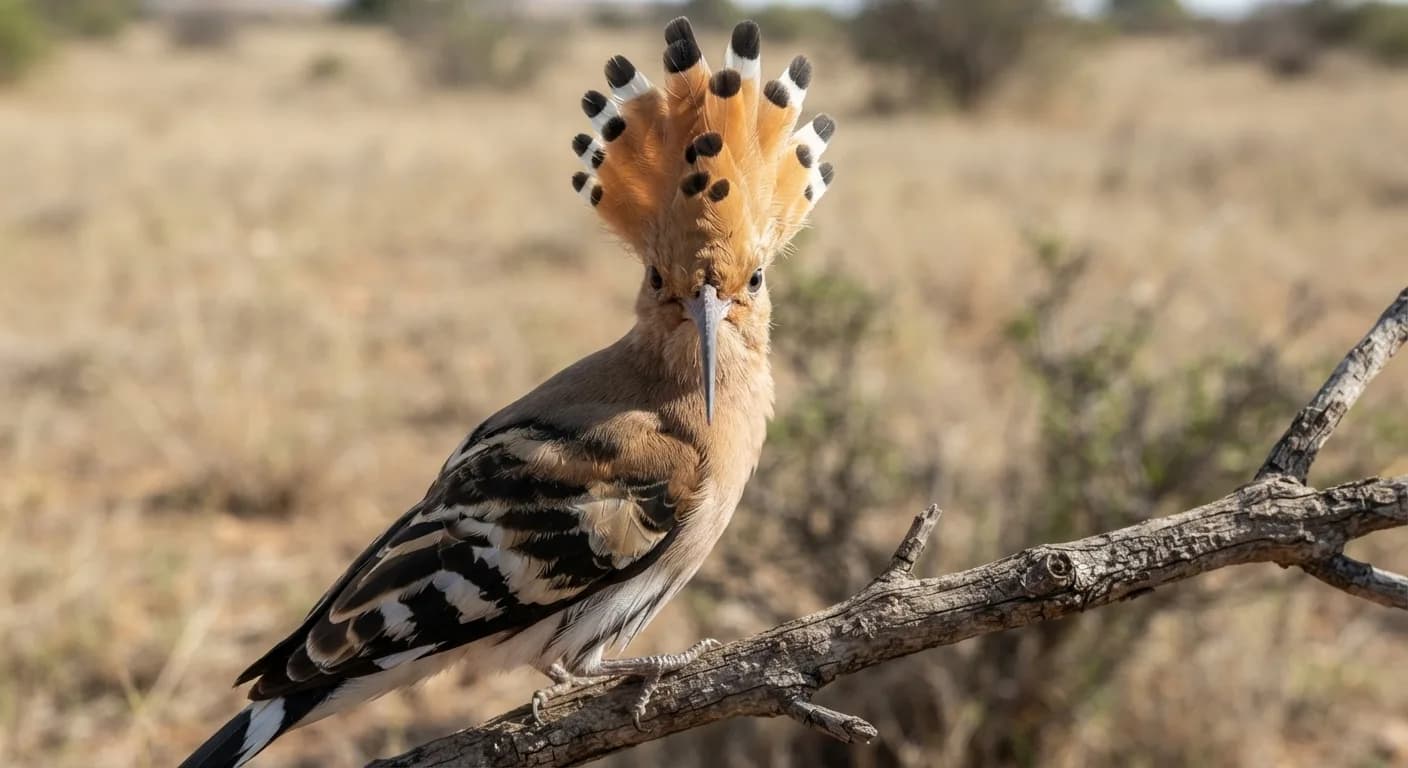
Eurasian HoopoeLeast Concern

Eurasian Hoopoe

Upupa epops

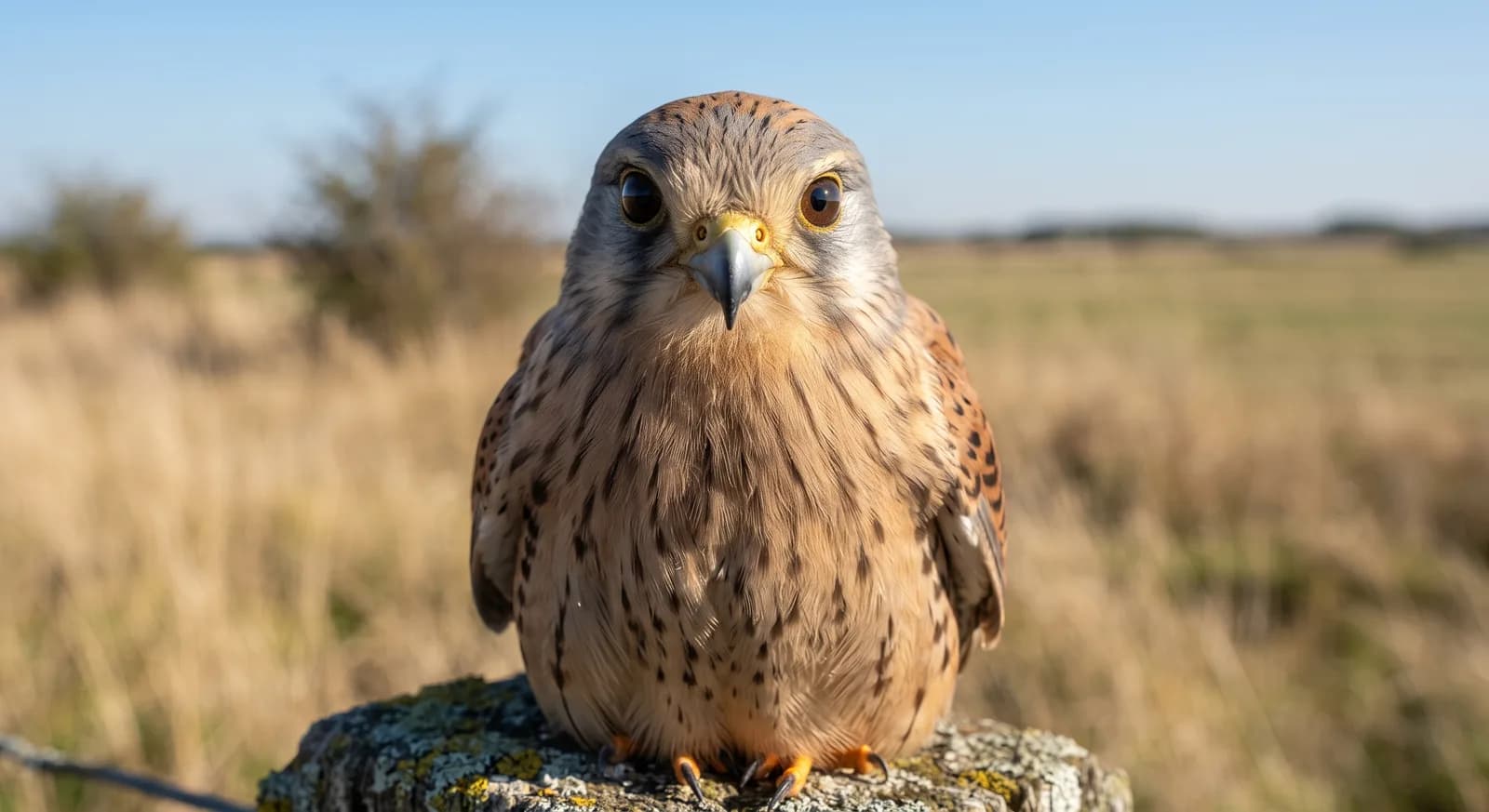
Common KestrelLeast Concern

Common Kestrel

Falco tinnunculus

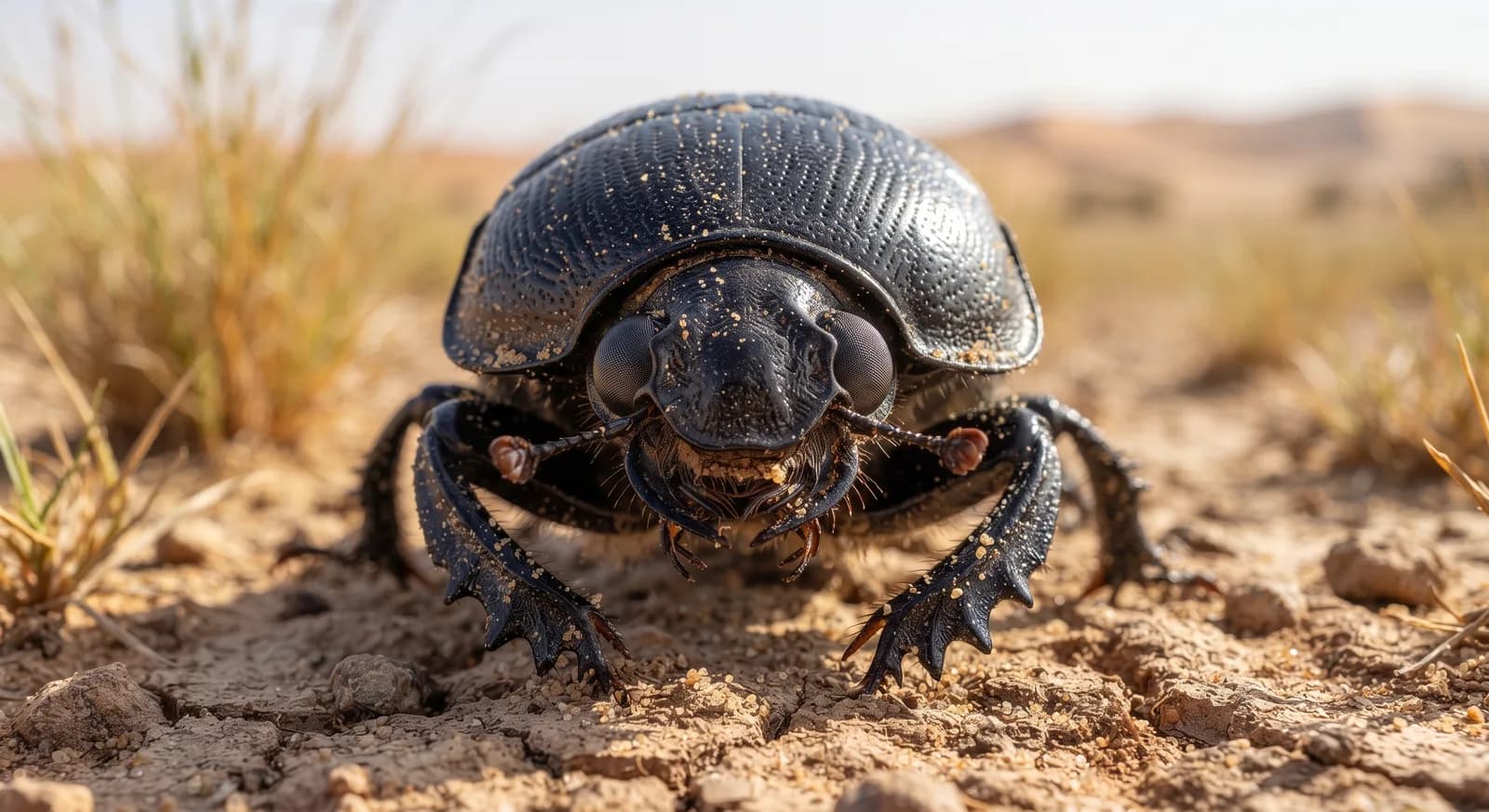
Sacred ScarabNot Evaluated

Sacred Scarab

Scarabaeus sacer

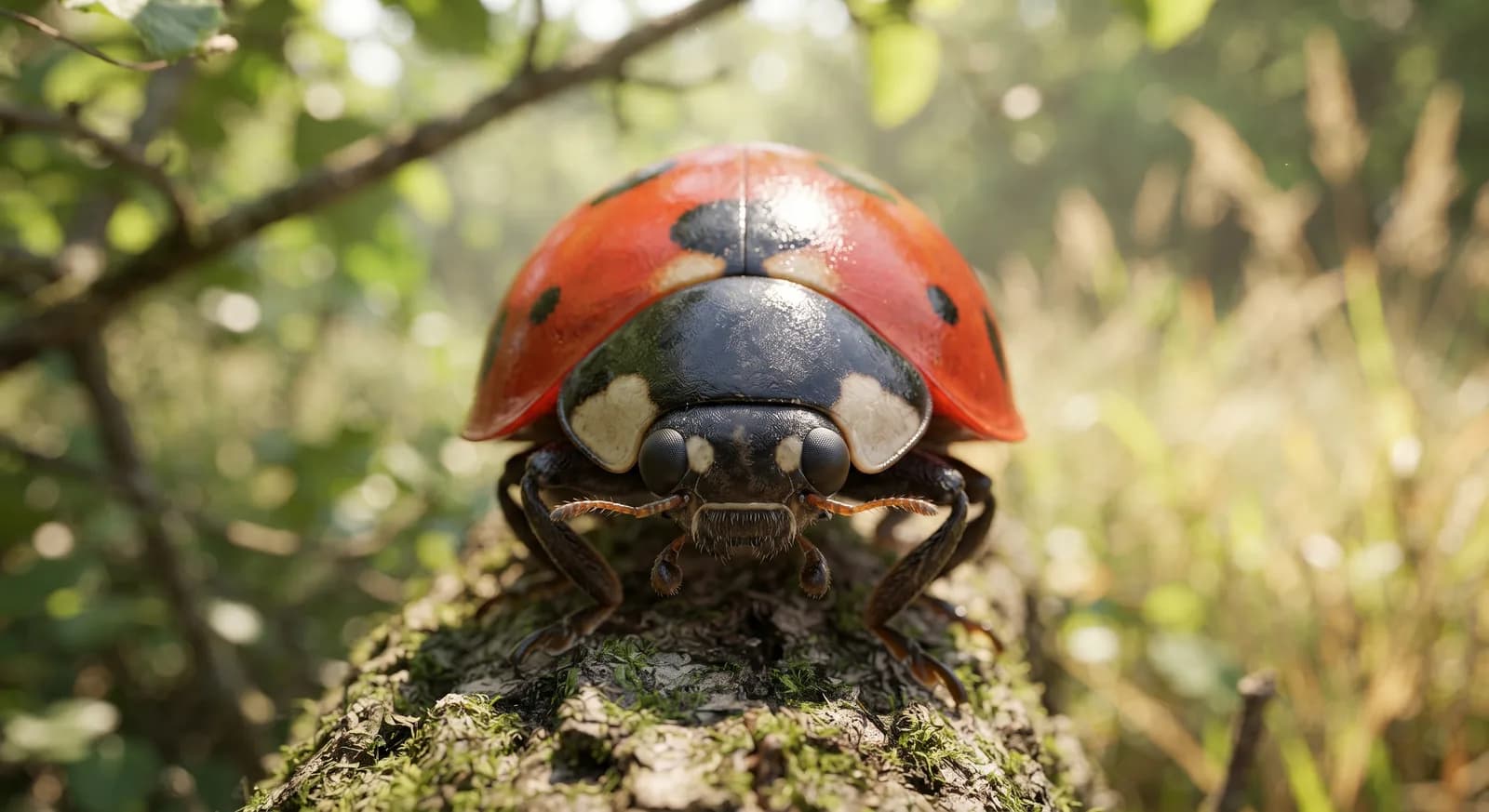
Seven-spotted Lady BeetleNot Evaluated

Seven-spotted Lady Beetle

Coccinella septempunctata

Golden Ground BeetleLeast Concern

Golden Ground Beetle

Carabus auratus

CountriesAlbania
TagsCarnivore
Carnivore
Diurnal
Solitary
Insect
Grassland

Europe38

Asia3

Albania
Austria
Belarus
Belgium
Bosnia and Herzegovina
Bulgaria
Albania
Austria
Belarus
Belgium
Bosnia and Herzegovina
Bulgaria
Croatia
Cyprus
Czechia
Denmark
Estonia
Finland
France
Germany
Greece
Hungary
Ireland
Italy
Latvia
Lithuania
Luxembourg
Malta
Moldova
Montenegro
Netherlands
North Macedonia
Norway
Poland
Portugal
Romania
Serbia
Slovakia
Slovenia
Spain
Sweden
Switzerland
Ukraine
United Kingdom
China
Russia
Türkiye