Skip to content
WAnimals
  • Map
  • Species
  • Parks
  • Diving
Log inCreate account
WAnimals

The guide for travellers and animal lovers: discover, plan and share your wild adventures around the world.

Discover wildlife

  • Species
  • Ecosystems
  • Glossary
  • Tags

Explore places

  • Map
  • Countries
  • Parks
  • Diving

Plan experiences

  • Guides

Learn

  • Blog

Resources

  • Help centre
  • Contact
  • Install the app

Follow us

Account

  • Log in
  • Create account

© 2026 WAnimals. All rights reserved.

About usHow we build our profilesTerms of servicePrivacyLegal notice
MapSpeciesParksDiving
  1. Home
  2. Species
  3. Seven-spotted Lady Beetle

One of the 4 lady beetles on WAnimals

Seven-spotted Lady Beetle (Coccinella septempunctata)

Insects · Coleoptera · Coccinellidae

Seven-spotted Lady Beetle

Coccinella septempunctata

Not Evaluated

It has not yet been assessed against the IUCN criteria.

Spotted something wrong?

It was deliberately introduced to North America as a biological control against aphids, and is now one of the most successful ladybirds in the world.

Size

0.5 cm – 0.8 cm

Life expectancy

2 years

Diet

Carnivore

Feeds mainly on other animals.

Activity

Diurnal

Active mainly during the day.

Social structure

Solitary

Lives and hunts alone, joining others only to breed.

Sighting difficulty

Unknown

Grassland
46countries182parks3same family

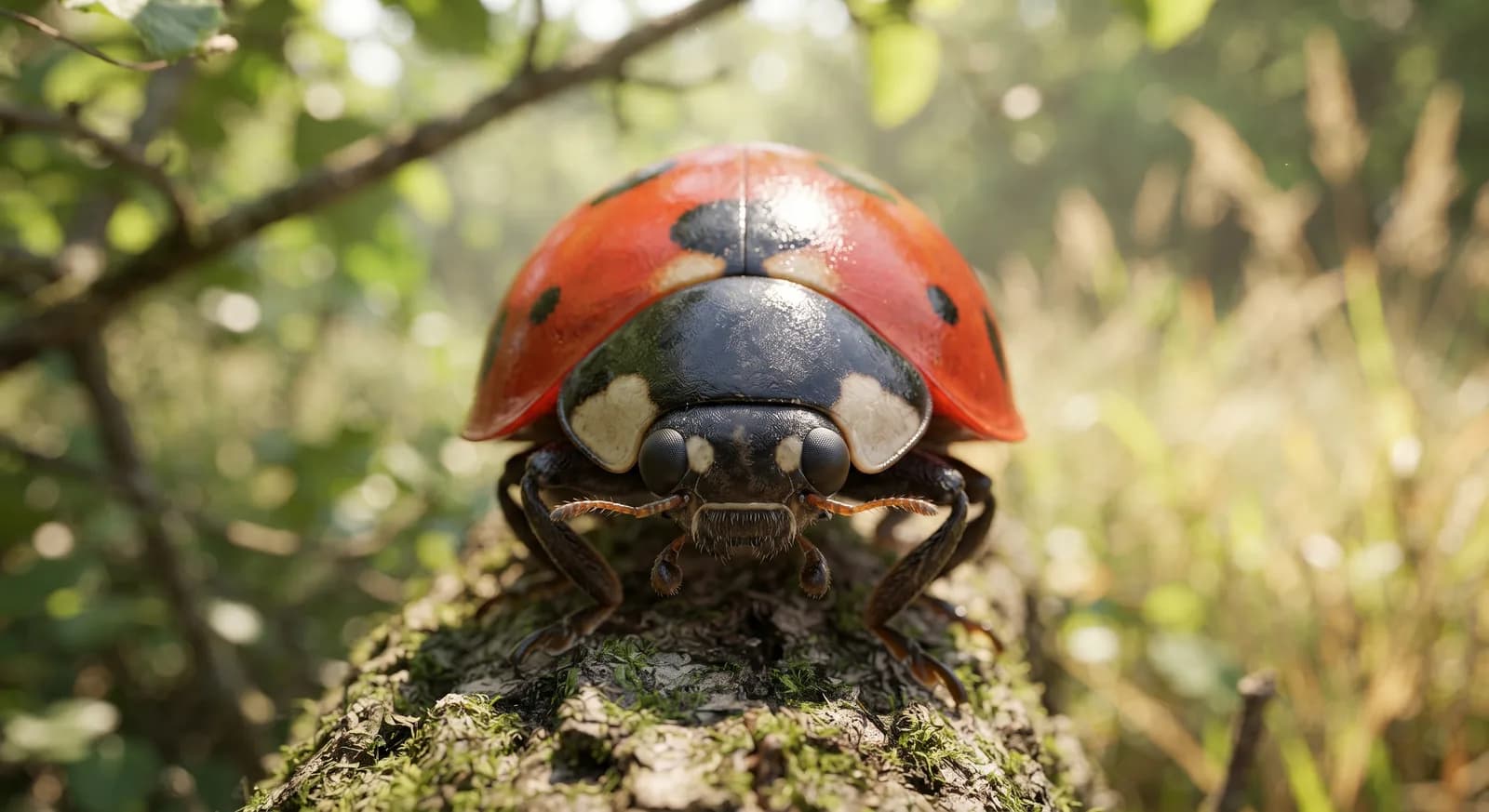
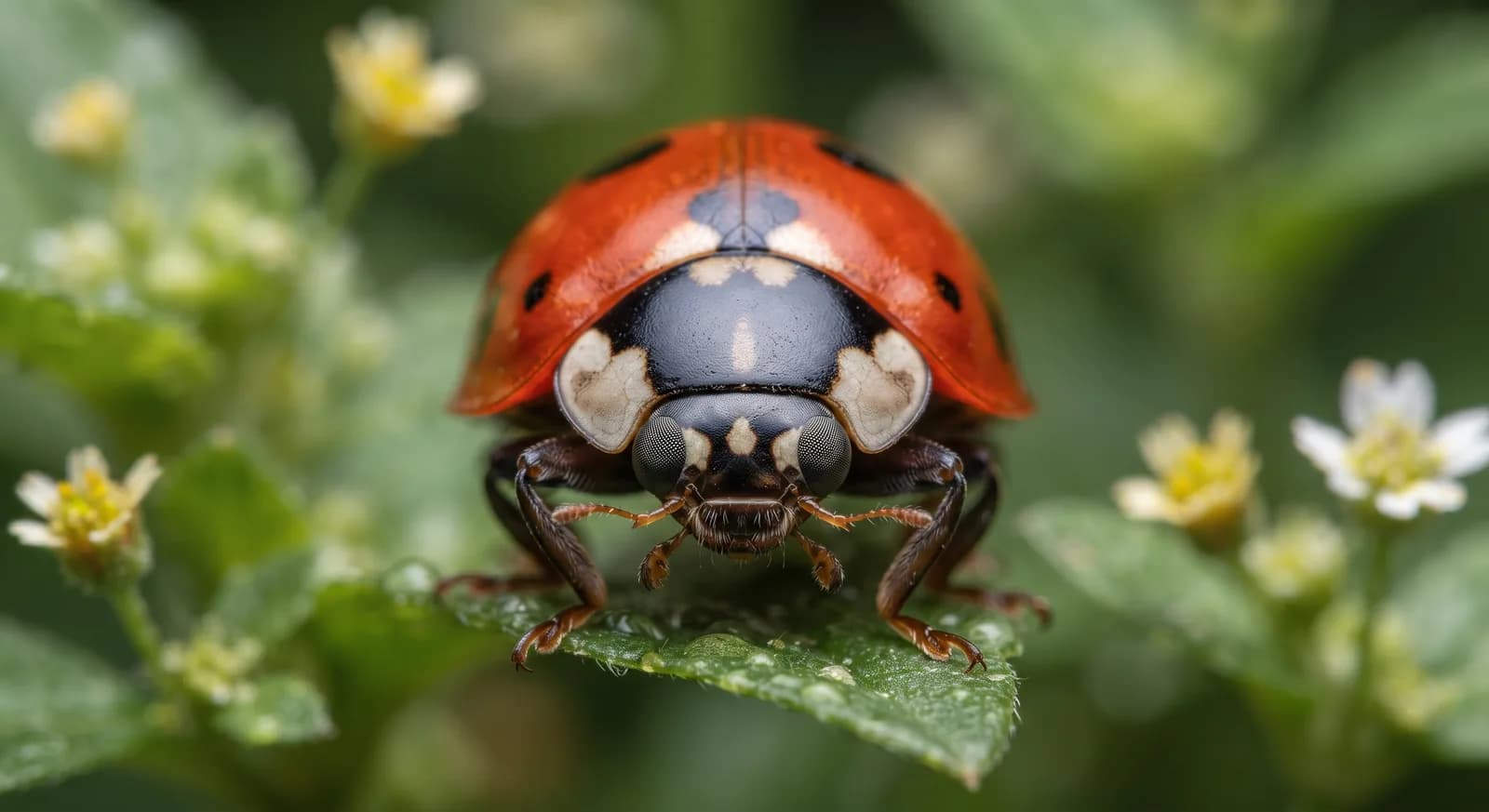
AI-generated images: illustrations, not photographs.

Fun facts

  • It feeds mainly on aphids, eating hundreds of them during its larval stage.
  • In winter it gathers in large clusters to hibernate together.
  • It releases pheromones that draw others in and ensure there are mates on hand when they wake in spring.
  • It is the classic seven-spot ladybird, the one that appears in European popular iconography. Its name in several languages links it to the Virgin Mary, which is where ladybird, coccinelle and mariquita come from.
  • When threatened it practises reflex bleeding: it expels from its leg joints a yellow, bitter liquid loaded with alkaloids, above all coccinelline. It leaves a stain that smells bad and tastes worse.
  • The seven spots are an aposematic warning, and it works: birds quickly learn to avoid it.
  • A single larva can eat several hundred aphids before pupating, and the adult keeps doing the same, which makes it a classic ally of horticulture.
  • It overwinters in groups under bark, among leaf litter or inside houses, in aggregations that can gather hundreds of individuals.
  • It was deliberately introduced into North America as a biological control and is now an established species there, competing with the native ladybirds.

Life cycle and biology

Skeleton type
Invertebrate - chitin exoskeleton (insect)
Habitat and environment
Meadows, gardens and well-vegetated ground where aphids are plentiful, in Europe, Asia, North Africa and North America (introduced)
Birth weight
A small oval egg roughly 1 mm long
Size at birth
The larva is 1-2 mm long on hatching and reaches 8 mm in the fourth instar; as soon as it emerges it eats its own eggshell and any infertile eggs it finds around it
Sexual maturity
It reaches sexual maturity between ten and fourteen days after emerging as an adult; the breeding season begins in late spring
Gestation / incubation
The eggs incubate for about four days; the larva goes through four instars over some three weeks and the pupa lasts about eight days. The full cycle from egg to adult is about six weeks, and there can be up to five generations a year
Litter / clutch size
Orange spindle-shaped eggs, 1 mm long, laid in groups of 10 to 30 on vegetation, close to aphid colonies
Sources consulted: iNaturalist; Zoo Tycoon Movie Fandom Wiki; Bantam Earth; EBSCO Research Starters; UC IPM; The Animal Facts; Animal Diversity Web; PMC (demographic parameters study); recopilacion de biologia de C. septempunctata; Ficha de especie de Coccinella septempunctata; First Nature; Wellcome Open Research, genoma de Coccinella septempunctata; Animal Diversity Web, Coccinella septempunctata

Where to find it

Loading map…

Where to see it

Parks and dive sites where this species has been documented — showing 10 of 182.

Related species

Other species in the catalogue with the most in common with Seven-spotted Lady Beetle — same habitat, park, country, tags or family.

Same taxonomic family
Shares a park
Shares a park
Shares a park
Shares a park
Shares a park

Keep exploring

Based on what we already know about seven-spotted lady beetle.

Comments

Share an experience, a fun fact or a tip for seeing the seven-spotted lady beetle.

Be the first to comment.

See full glossary
This page in other languages: Español · Deutsch · Français · Português · Italiano

The pins mark the parks where its presence is documented.

See its range on the interactive map→
SarekSweden
PadjelantaSweden
HardangerviddaNorway
Lake DistrictUnited Kingdom
CairngormsUnited Kingdom
Snowdonia (Eryri)United Kingdom
KillarneyIreland
Picos de EuropaSpain
Ordesa y Monte PerdidoSpain
Aiguestortes i Estany de Sant MauriciSpain
See all 182 parks
Two-spotted Lady BeetleNot Evaluated

Two-spotted Lady Beetle

Adalia bipunctata

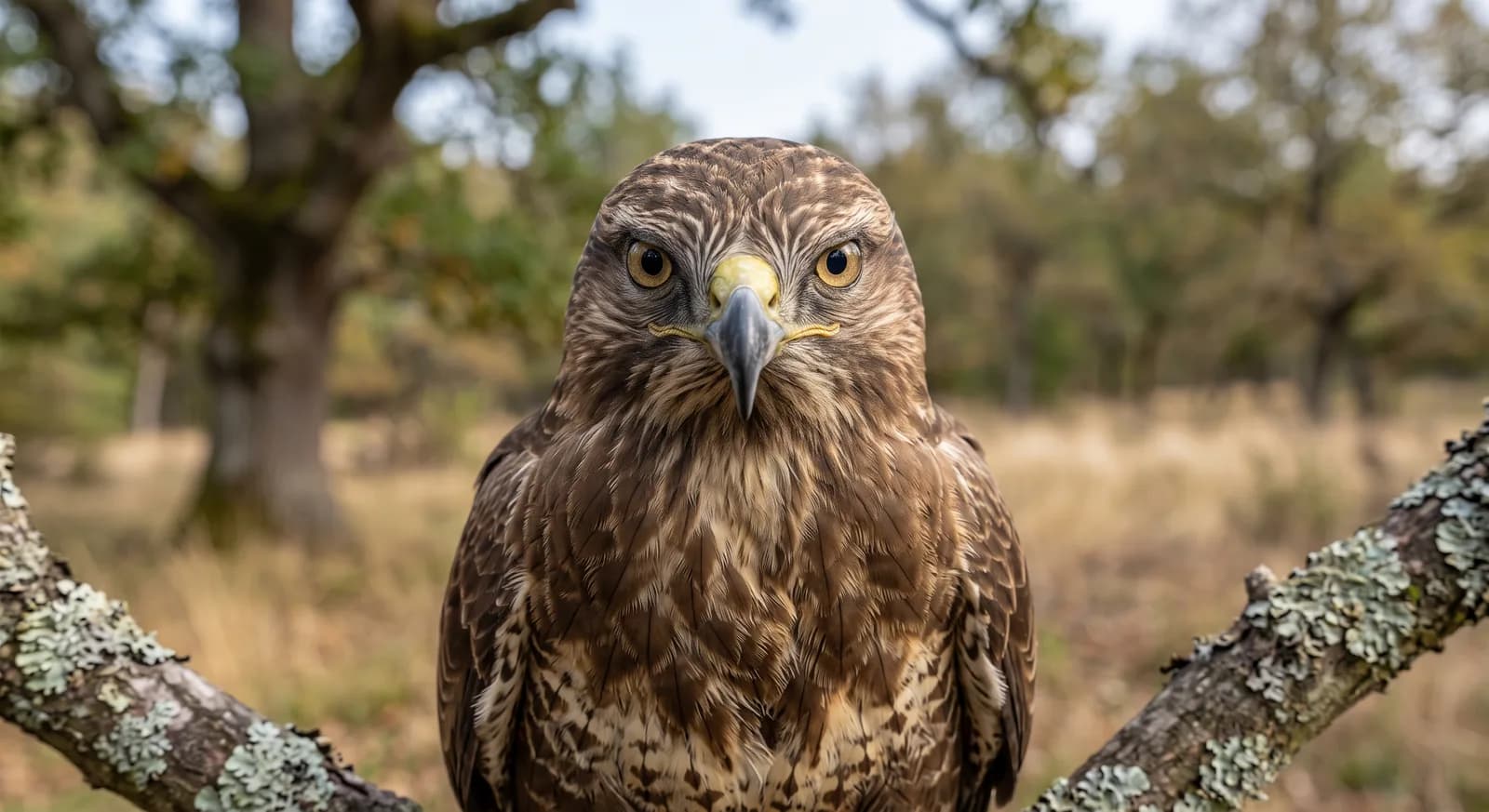
Common BuzzardLeast Concern

Common Buzzard

Buteo buteo

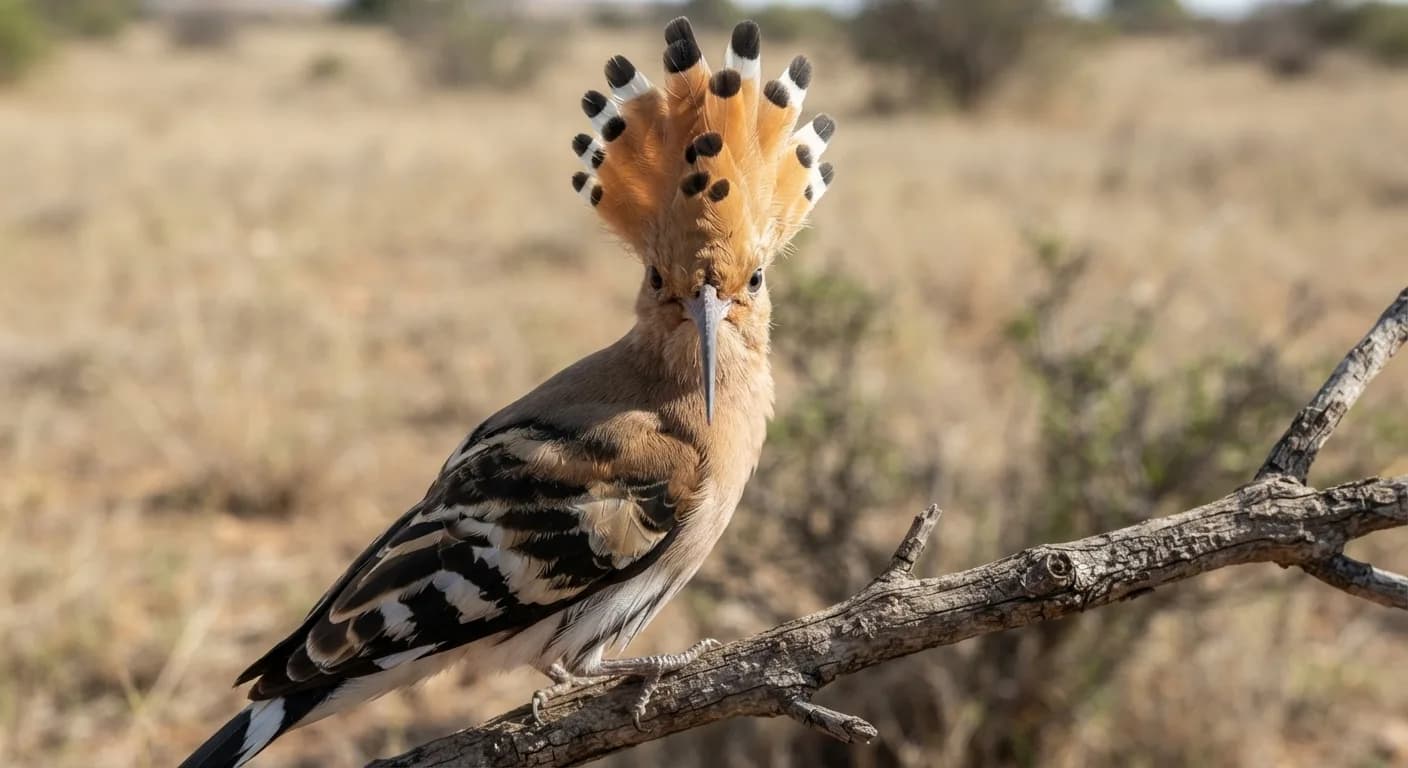
Eurasian HoopoeLeast Concern

Eurasian Hoopoe

Upupa epops

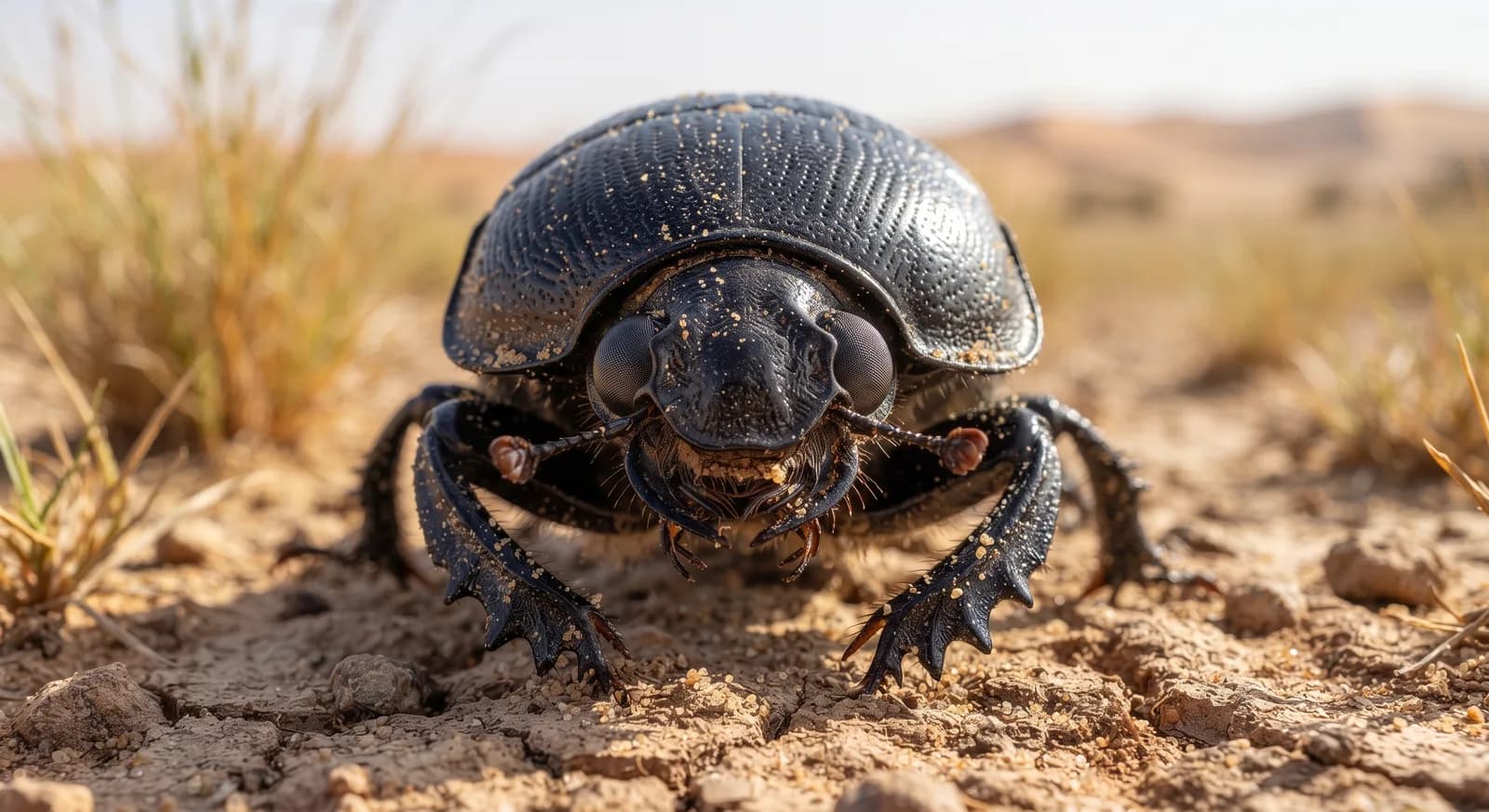
Sacred ScarabNot Evaluated

Sacred Scarab

Scarabaeus sacer

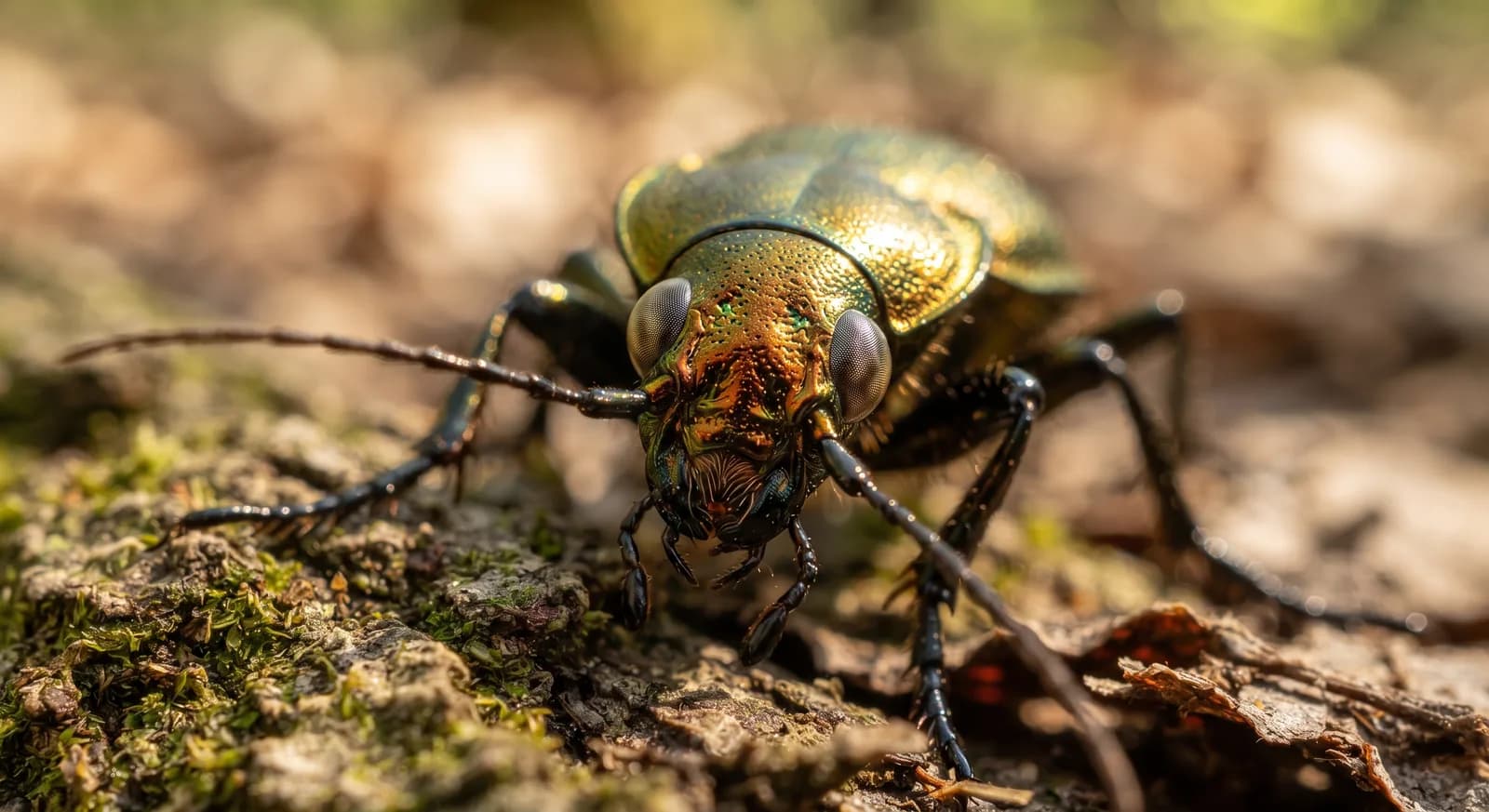
Golden Ground BeetleLeast Concern

Golden Ground Beetle

Carabus auratus

PeacockLeast Concern

Peacock

Aglais io

CountriesSpain
ParksSarekSweden
TagsCarnivore
Carnivore
Diurnal
Solitary
Insect
Grassland

Europe40

Asia6

Spain
Sweden
Italy
United Kingdom
Finland
Poland
Albania
Andorra
Austria
Belarus
Belgium
Bosnia and Herzegovina
Bulgaria
Croatia
Czechia
Denmark
Estonia
Finland
France
Germany
Greece
Hungary
Ireland
Italy
Kosovo
Latvia
Liechtenstein
Lithuania
Luxembourg
Moldova
Montenegro
Netherlands
North Macedonia
Norway
Poland
Portugal
Romania
San Marino
Serbia
Slovakia
Slovenia
Spain
Sweden
Switzerland
Ukraine
United Kingdom
Armenia
Azerbaijan
China
Georgia
Russia
Türkiye