Skip to content
WAnimals
  • Map
  • Species
  • Parks
  • Diving
Log inCreate account
WAnimals

The guide for travellers and animal lovers: discover, plan and share your wild adventures around the world.

Discover wildlife

  • Species
  • Ecosystems
  • Glossary
  • Tags

Explore places

  • Map
  • Countries
  • Parks
  • Diving

Plan experiences

  • Guides

Learn

  • Blog

Resources

  • Help centre
  • Contact
  • Install the app

Follow us

Account

  • Log in
  • Create account

© 2026 WAnimals. All rights reserved.

About usHow we build our profilesTerms of servicePrivacyLegal notice
MapSpeciesParksDiving
  1. Home
  2. Species
  3. Peacock

One of the 15 butterflies on WAnimals
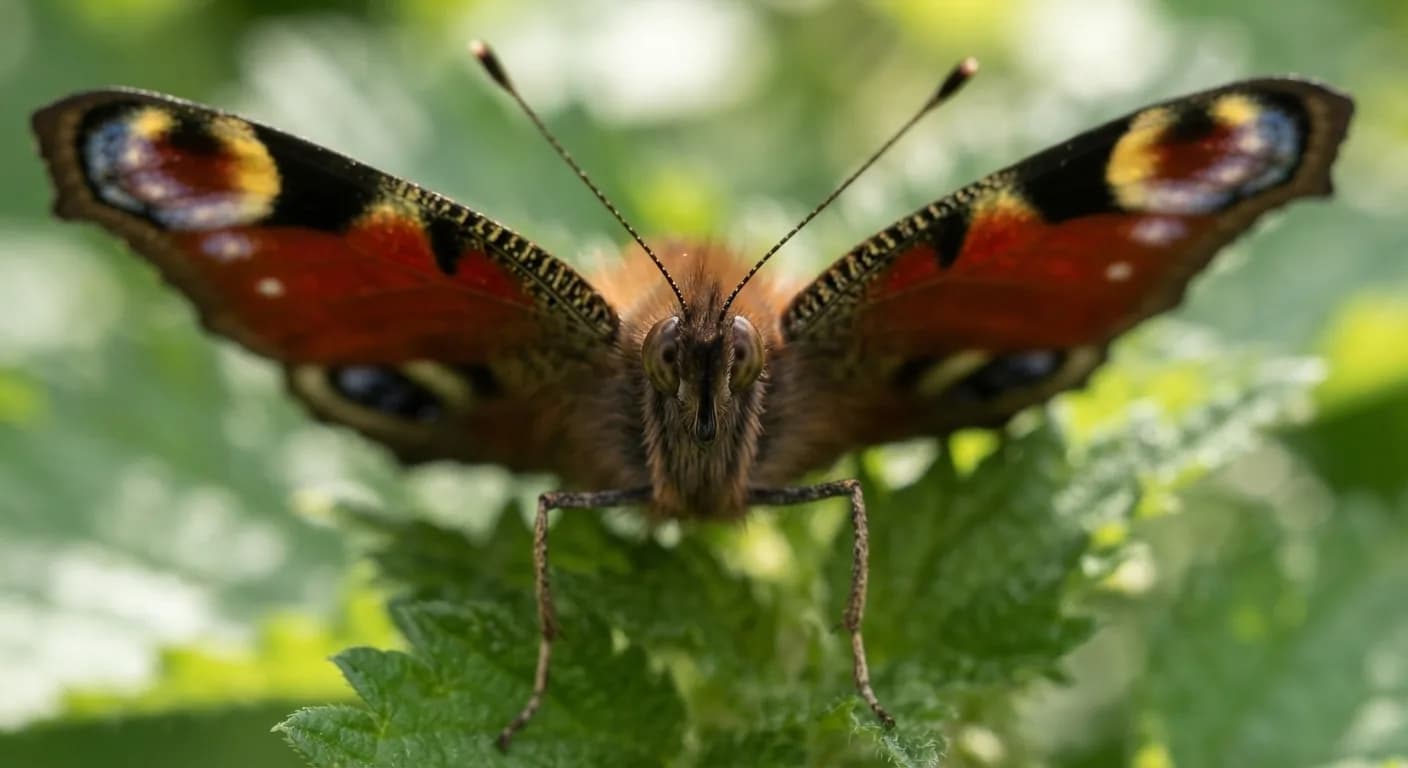
Peacock (Aglais io)

Insects · Lepidoptera · Nymphalidae

Peacock

Aglais io

Least Concern

The species is abundant and widely distributed; it faces no significant short-term risk.

Spotted something wrong?

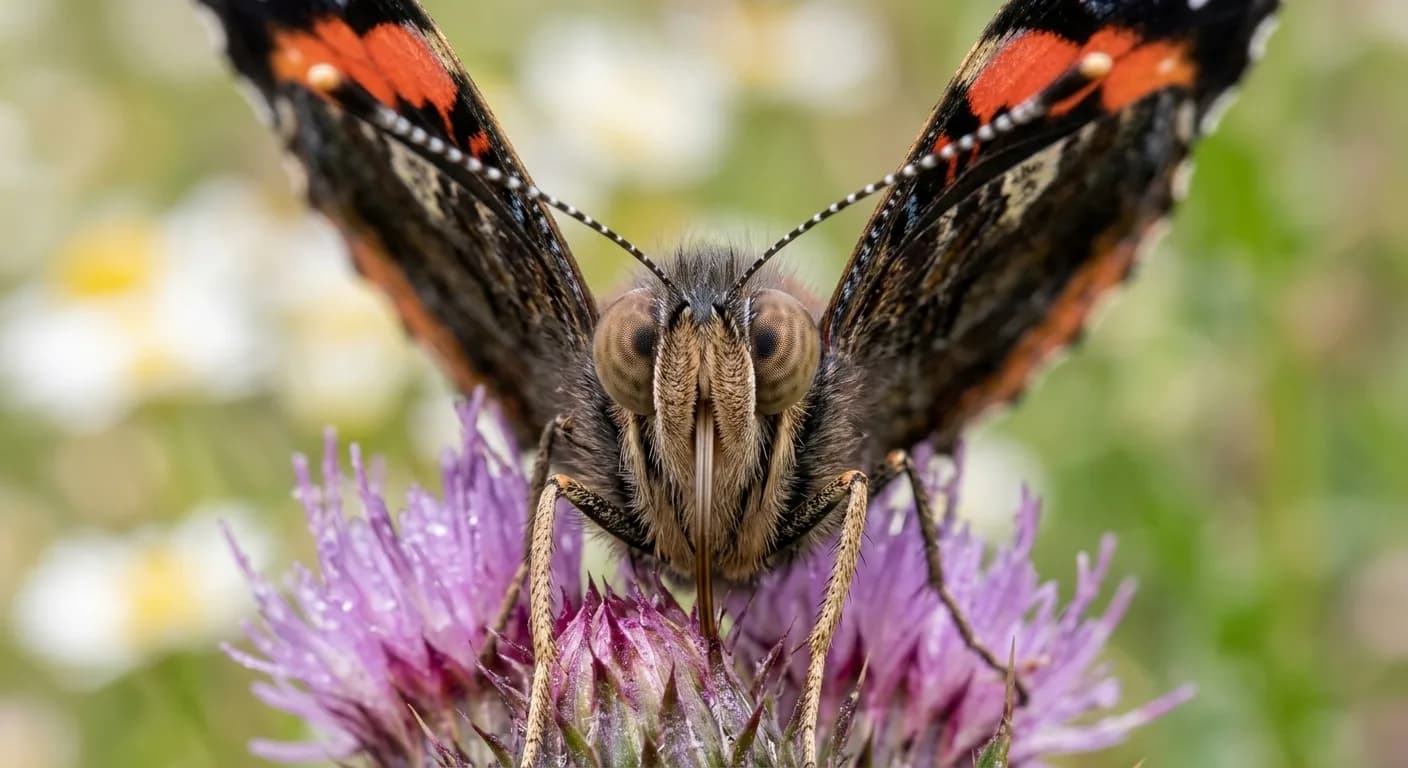
Its striking wing eyespots, which recall the eyes on a peacock's plumage, serve as a defence: opening the wings suddenly at a predator mimics the eyes of a far larger animal.

Size

5 cm – 7 cm

Life expectancy

1 year

Diet

Nectarivore

Feeds mainly on flower nectar.
Activity

Diurnal

Active mainly during the day.

Social structure

Solitary

Lives and hunts alone, joining others only to breed.

Sighting difficulty

Easy

Temperate forestGrassland
45countries213parks6same family

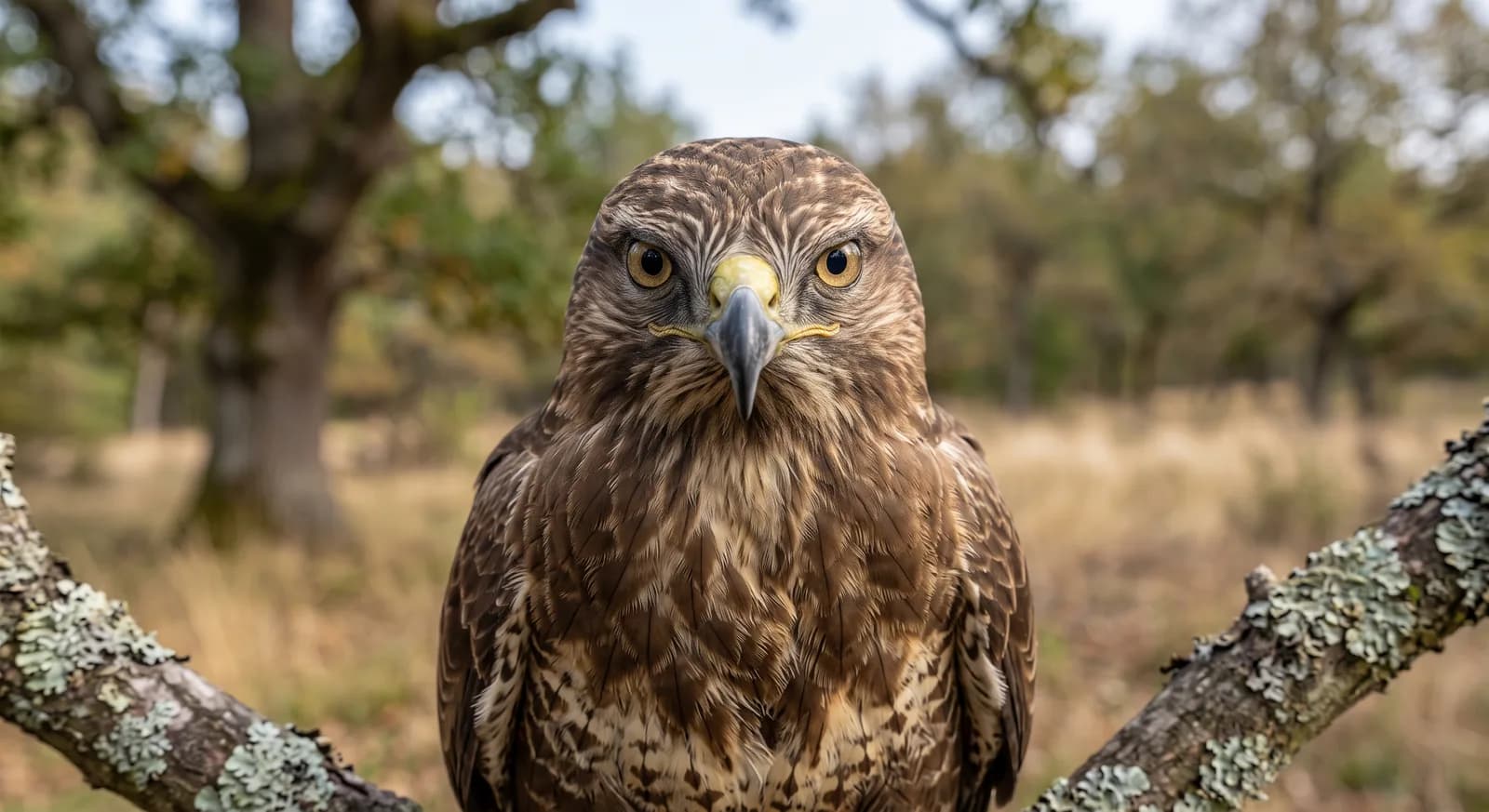
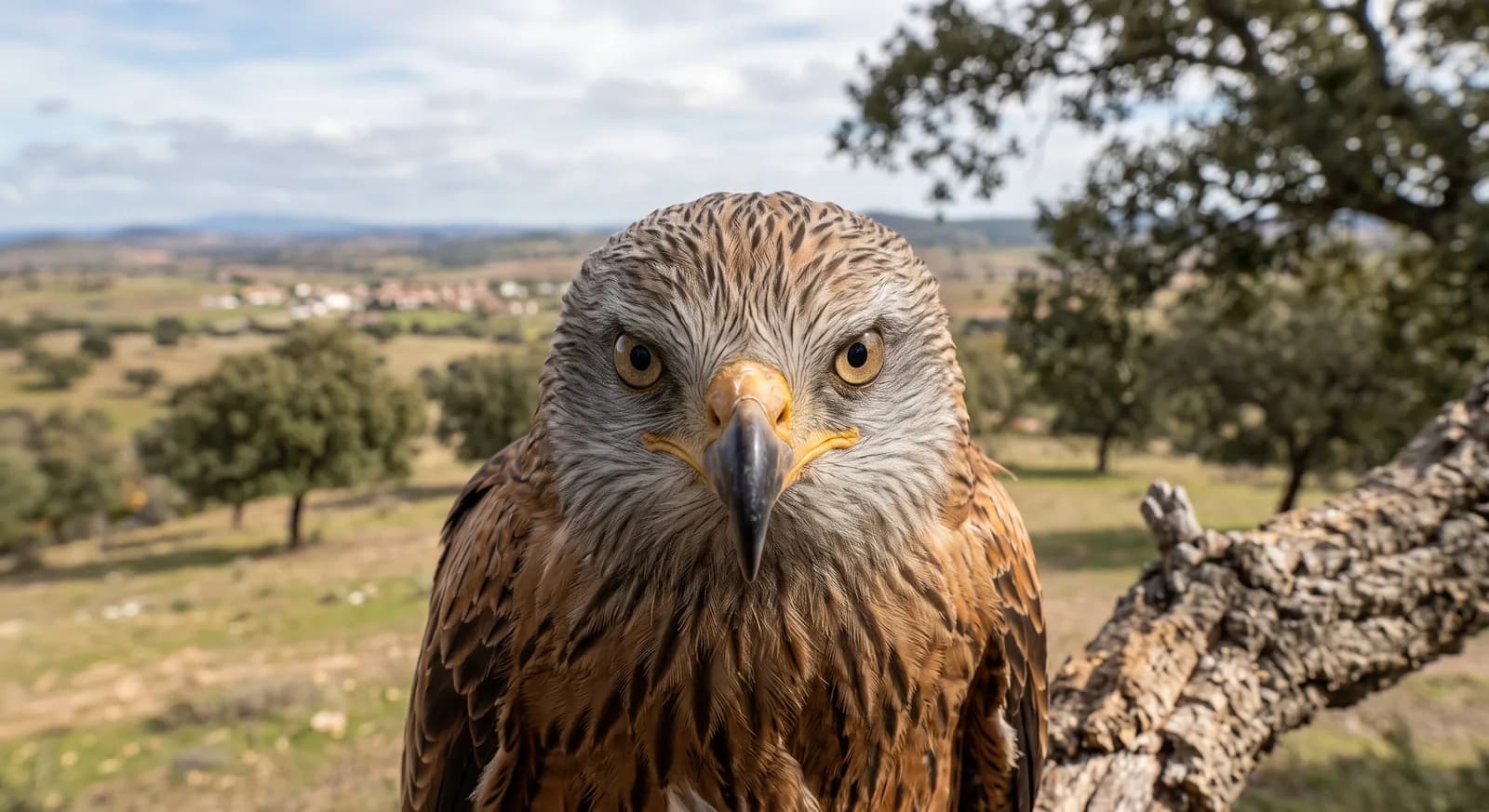
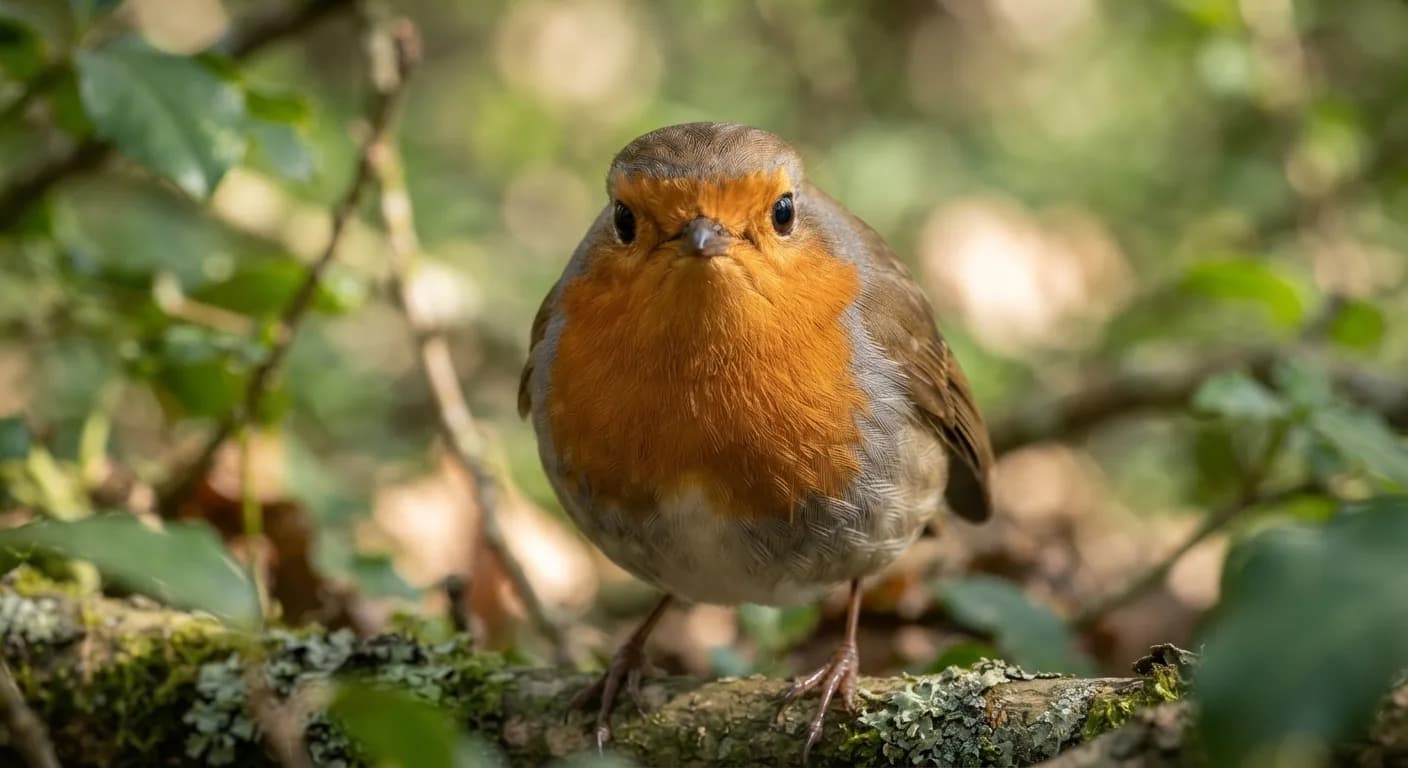
AI-generated images: illustrations, not photographs.

Fun facts

  • The eyespots on its wings mimic the eyes of a large animal to startle predators.
  • Its scientific name, io, honours a priestess of Greek mythology.
  • It lays as many as 500 eggs in large clusters on nettle leaves.
  • It has two defences in sequence. With its wings closed it looks like an almost-black dead leaf and goes unnoticed; if that fails and a bird approaches, it snaps them open and displays four enormous eyespots that mimic vertebrate eyes.
  • And it adds sound: as it opens and closes its wings it produces an audible hiss by rubbing the veins together, which heightens the startle effect. Experiments with tits and flycatchers have shown that individuals that deploy their eyespots and hiss escape far more often than those that only rely on camouflage.
  • It overwinters as an adult, often inside houses, garages and sheds, and reappears on the first sunny days of late winter.
  • Linnaeus was already citing it in 1748 under the name oculus pavonis, the peacock's eye.
  • The caterpillar is black and spiny and lives in groups on nettles.

Life cycle and biology

Skeleton type
Invertebrate - chitin exoskeleton (insect)
Habitat and environment
Woodland, gardens, parks and meadows of Europe and temperate Asia as far as Japan
Birth weight
Olive-green eggs laid in large clusters
Size at birth
A velvety black larva with branched spines, growing to several centimetres
Sexual maturity
Reached after complete metamorphosis (no fixed age applies)
Gestation / incubation
Egg: 1-2 weeks | Larva: 3-4 weeks | Pupa: 2-4 weeks
Litter / clutch size
Up to 500 eggs laid in large clusters on nettle leaves

Sources consulted: Animal Diversity Web; Woodland Trust; Butterfly Identification; First-Nature; Typesofbutterflies; Pesky Little Critters; Butterfly Notes blog; Grokipedia; Spiderzoon

Where to find it

Loading map…

Where to see it

Parks and dive sites where this species has been documented — showing 10 of 213.

Related species

Other species in the catalogue with the most in common with Peacock — same habitat, park, country, tags or family.

Same taxonomic family
Shares a park
Shares a park
Shares a park
Shares a park

Keep exploring

Based on what we already know about peacock.

Comments

Share an experience, a fun fact or a tip for seeing the peacock.

Be the first to comment.

See full glossary
This page in other languages: Español · Deutsch · Français · Português · Italiano

The pins mark the parks where its presence is documented.

See its range on the interactive map→
SarekSweden
PadjelantaSweden
JotunheimenNorway
HardangerviddaNorway
Pallas-YllastunturiFinland
Urho KekkonenFinland
Lake DistrictUnited Kingdom
KillarneyIreland
Swiss National ParkSwitzerland
Gran ParadisoItaly
See all 213 parks
Painted LadyLeast Concern

Painted Lady

Vanessa cardui

Red AdmiralLeast Concern

Red Admiral

Vanessa atalanta

Common BuzzardLeast Concern

Common Buzzard

Buteo buteo

Red KiteLeast Concern

Red Kite

Milvus milvus

Least Concern

Common Chaffinch

Fringilla coelebs

European RobinLeast Concern

European Robin

Erithacus rubecula

CountriesPoland
ParksSarekSweden
TagsNectarivore
Nectarivore
Diurnal
Solitary
Insect
Temperate forest
Grassland

Europe40

Asia5

Poland
Spain
Finland
Norway
Italy
Sweden
Albania
Andorra
Austria
Belarus
Belgium
Bosnia and Herzegovina
Bulgaria
Croatia
Czechia
Denmark
Estonia
Finland
France
Germany
Greece
Hungary
Ireland
Italy
Kosovo
Latvia
Liechtenstein
Lithuania
Luxembourg
Moldova
Montenegro
Netherlands
North Macedonia
Norway
Poland
Portugal
Romania
San Marino
Serbia
Slovakia
Slovenia
Spain
Sweden
Switzerland
Ukraine
United Kingdom
Armenia
Azerbaijan
Georgia
Russia
Türkiye