Skip to content
WAnimals
  • Map
  • Species
  • Parks
  • Diving
Log inCreate account
WAnimals

The guide for travellers and animal lovers: discover, plan and share your wild adventures around the world.

Discover wildlife

  • Species
  • Ecosystems
  • Glossary
  • Tags

Explore places

  • Map
  • Countries
  • Parks
  • Diving

Plan experiences

  • Guides

Learn

  • Blog

Resources

  • Help centre
  • Contact
  • Install the app

Follow us

Account

  • Log in
  • Create account

© 2026 WAnimals. All rights reserved.

About usHow we build our profilesTerms of servicePrivacyLegal notice
MapSpeciesParksDiving
  1. Home
  2. Species
  3. Red Admiral
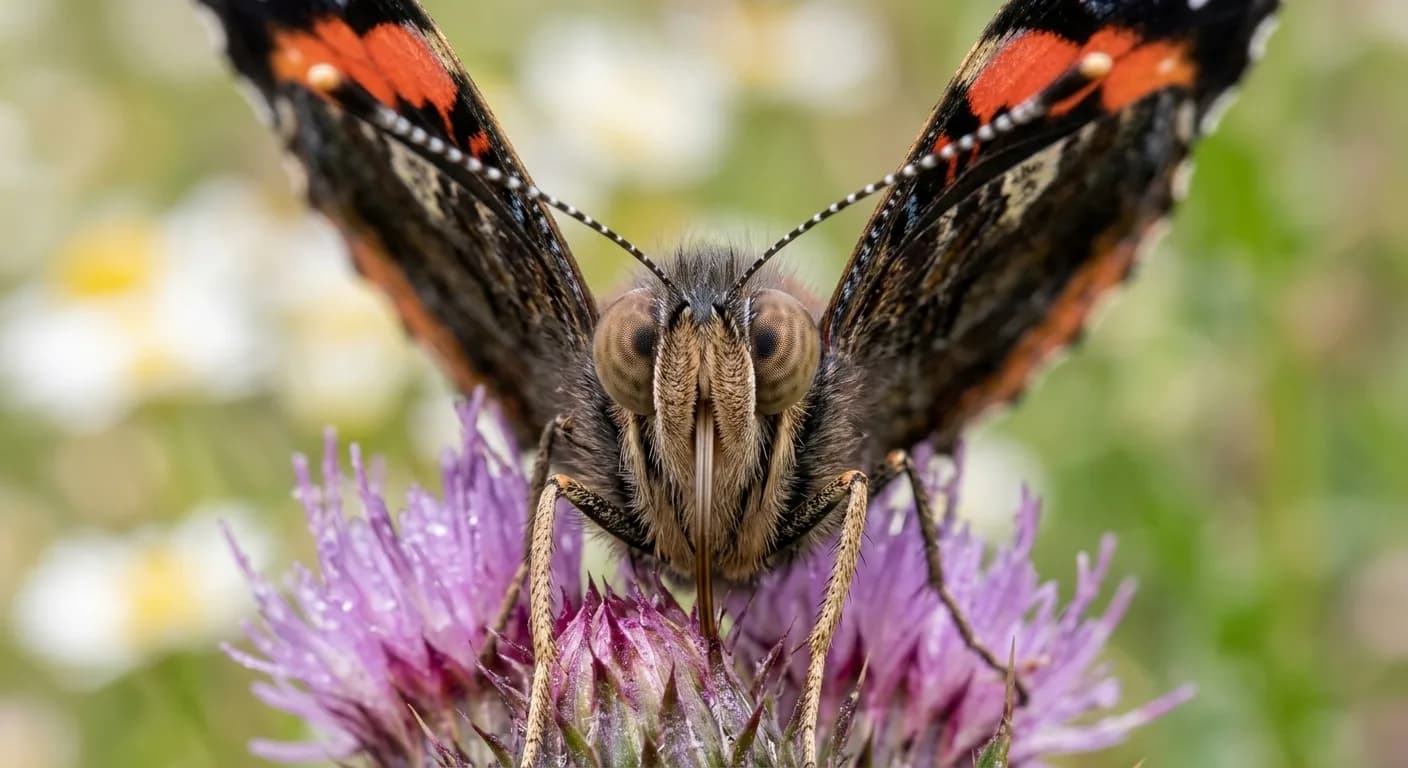
Red Admiral (Vanessa atalanta)

Insects · Lepidoptera · Nymphalidae

Red Admiral

Vanessa atalanta

Least Concern

The species is abundant and widely distributed; it faces no significant short-term risk.

Spotted something wrong?

It is one of the few butterflies that can hibernate as an adult, sheltering in tree hollows or buildings. Its common name refers to the bold red-orange band on its wings.

Size

4.4 cm – 7.6 cm

Diet

Nectarivore

Feeds mainly on flower nectar.

Activity

Diurnal

Active mainly during the day.
Social structure

Solitary

Lives and hunts alone, joining others only to breed.

Sighting difficulty

Easy

Temperate forestGrassland
83countries6same family

AI-generated images: illustrations, not photographs.

Fun facts

  • It is one of the few butterflies that can hibernate as an adult.
  • Its English name, red admiral, compares the band on its wing to the braid of a naval uniform.
  • Its caterpillars feed on nettle and hop leaves.
  • It is migratory, and its cycle was confirmed by analysing stable isotopes in the wings: the individuals arriving in northern Europe in spring come from the south, and those caught in autumn are local or from even higher latitudes.
  • On migration it flies at great height, where it rides fast winds that carry it along and save it energy. That is why its passage is almost invisible from the ground.
  • In autumn it is often seen on fallen, fermenting fruit, from which it obtains sugars; some individuals end up visibly sluggish.
  • Its colour vision spans 440 to 590 nanometres: indigo, blue, green and yellow.
  • It is being used as an experimental model for studying navigation in migratory butterflies, because it is easier to handle than the monarch and makes a comparable migration.

Life cycle and biology

Skeleton type
Invertebrate - chitin exoskeleton (insect)
Habitat and environment
Damp woodland, gardens, parks, marshes and open fields of Europe, North America, North Africa and Asia
Birth weight
A tiny pale green egg
Size at birth
A tiny newly hatched larva, growing to some 2.5 cm
Sexual maturity
Reached once metamorphosis is complete (no fixed age applies, since maturity comes with the adult emergence)
Gestation / incubation
Egg: ~1 week | Larva: 3-4 weeks | Pupa: 2-3 weeks
Litter / clutch size
Up to 100 eggs laid singly by one female in a single laying session

Sources consulted: UK Butterflies; NHPBS NatureWorks; Wildlife Insight; Animal Diversity Web; Dave the Bug Guy; Butterfly Identification; Wikipedia (Vanessa atalanta)

Where to find it

Loading map…

Related species

Other species in the catalogue with the most in common with Red Admiral — same habitat, park, country, tags or family.

Same taxonomic family

Keep exploring

Based on what we already know about red admiral.

Comments

Share an experience, a fun fact or a tip for seeing the red admiral.

Be the first to comment.

See full glossary
This page in other languages: Español · Deutsch · Français · Português · Italiano
See its range on the interactive map→
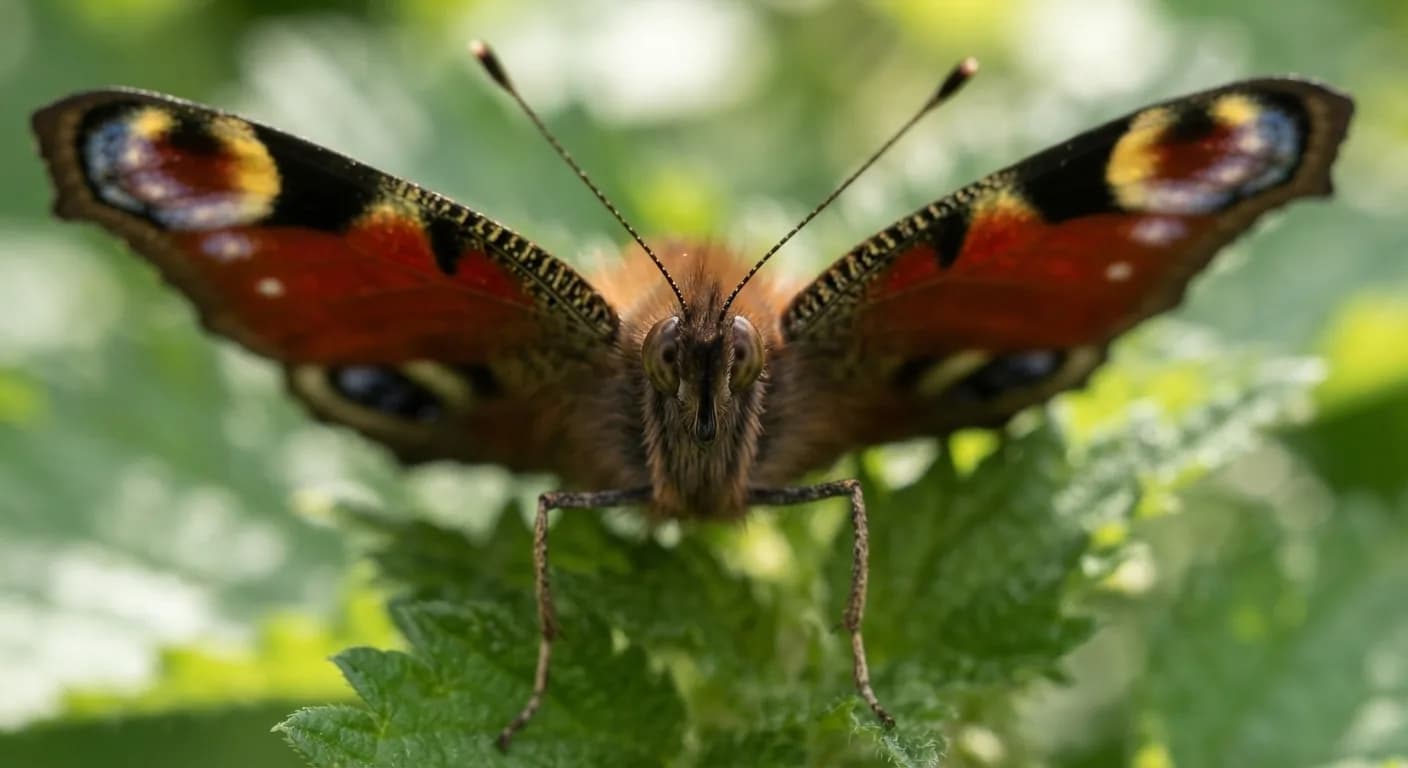
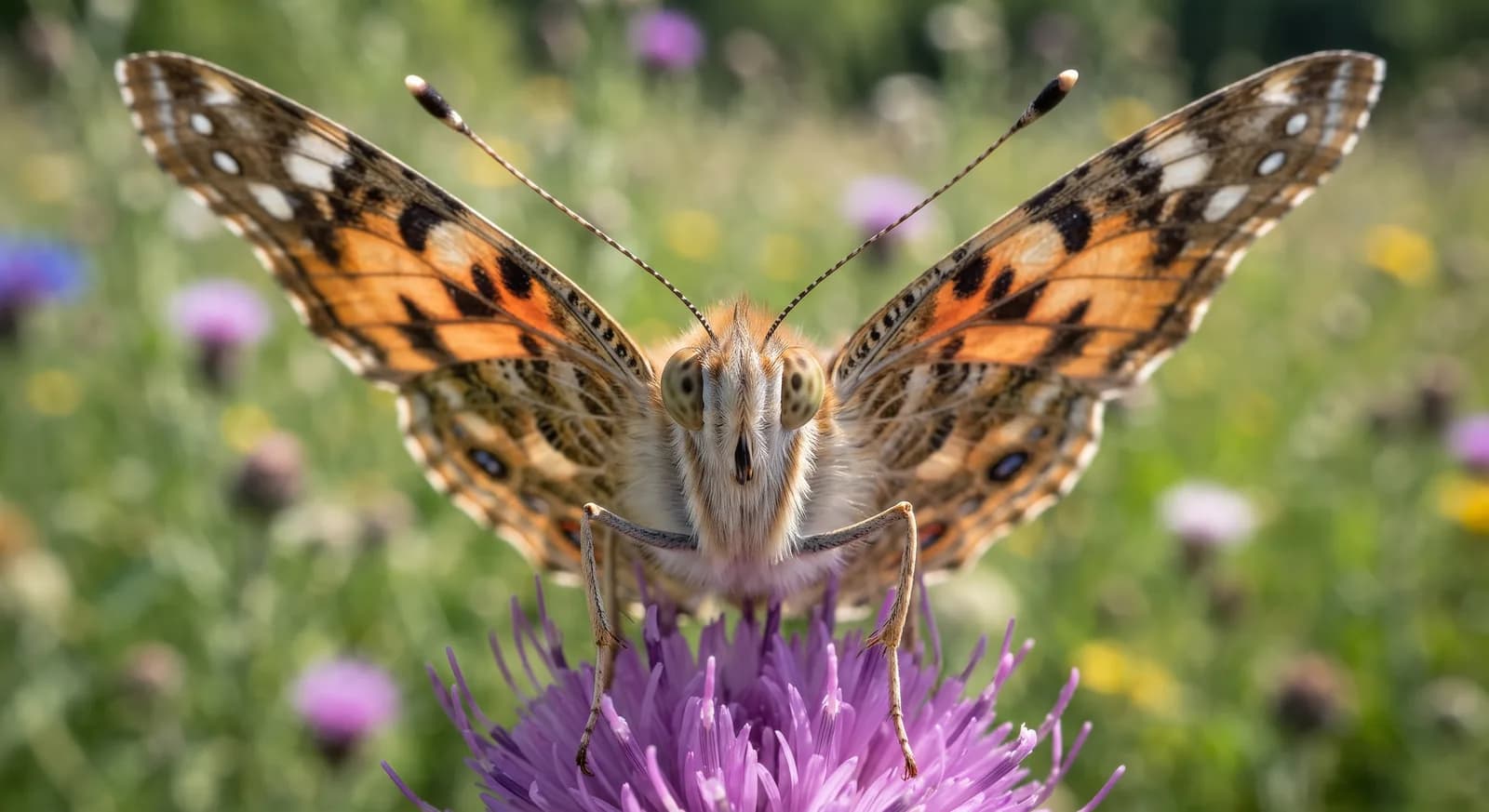
Painted LadyLeast Concern

Painted Lady

Vanessa cardui

PeacockLeast Concern

Peacock

Aglais io

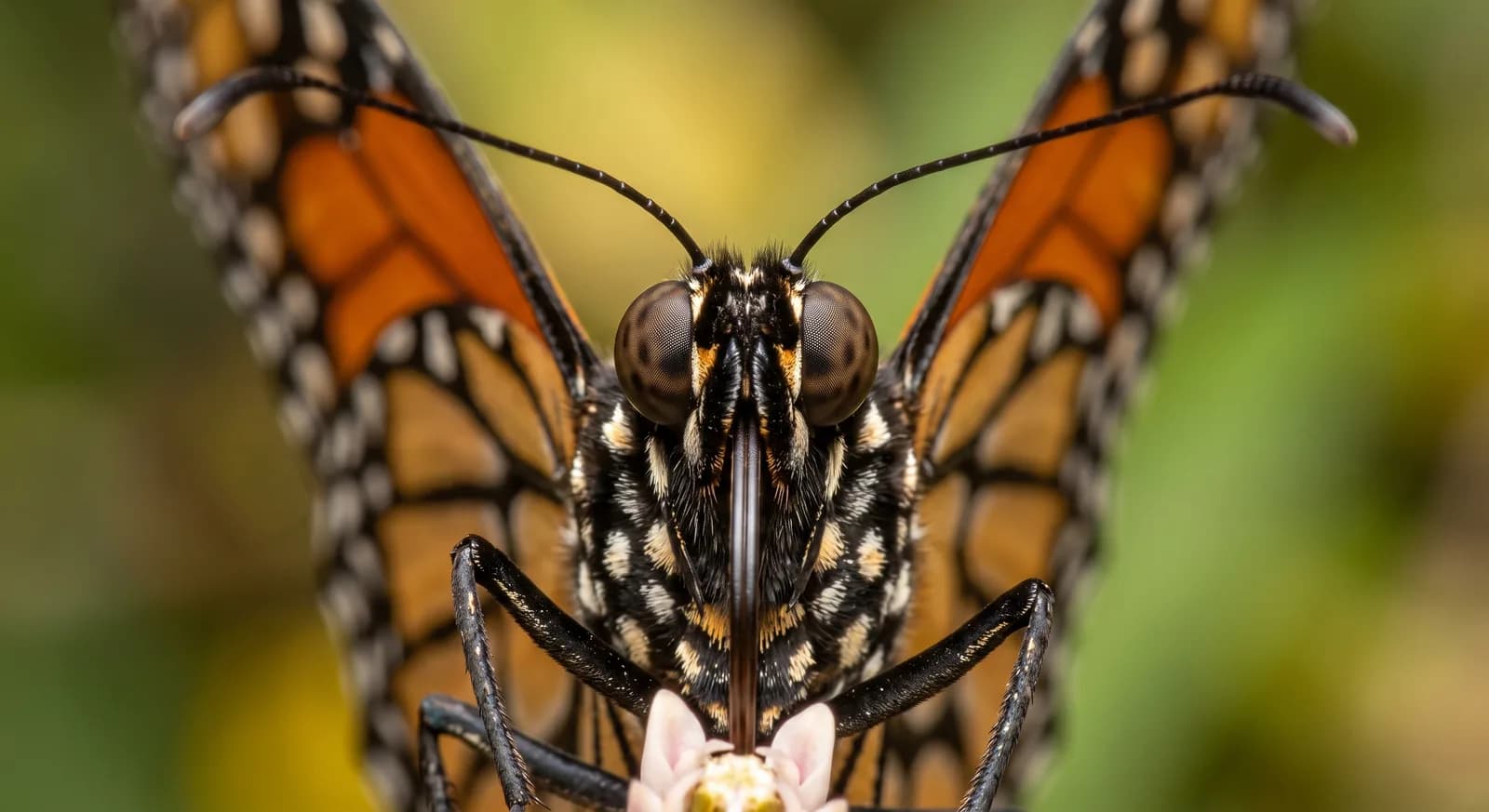
MonarchNot Evaluated

Monarch

Danaus plexippus

Not Evaluated

Blue Morpho

Morpho peleides

Not Evaluated

Glasswing Butterfly

Greta oto

Not Evaluated

Owl Butterfly

Caligo eurilochus

CountriesAlbania
TagsNectarivore
Nectarivore
Diurnal
Solitary
Insect
Temperate forest
Grassland

Europe45

Asia20

South America7

Africa6

North America3

Oceania2

Albania
Algeria
Andorra
Argentina
Armenia
Australia
Albania
Andorra
Austria
Belarus
Belgium
Bosnia and Herzegovina
Bulgaria
Croatia
Cyprus
Czechia
Denmark
Estonia
Finland
France
Germany
Gibraltar
Greece
Hungary
Iceland
Ireland
Italy
Kosovo
Latvia
Liechtenstein
Lithuania
Luxembourg
Malta
Moldova
Monaco
Montenegro
Netherlands
North Macedonia
Norway
Poland
Portugal
Romania
San Marino
Serbia
Slovakia
Slovenia
Spain
Sweden
Switzerland
Ukraine
United Kingdom
Armenia
Azerbaijan
China
Georgia
India
Iran
Iraq
Israel
Japan
Jordan
Kazakhstan
Lebanon
Mongolia
Palestine
Russia
Saudi Arabia
South Korea
Syria
Türkiye
Uzbekistan
Argentina
Brazil
Chile
Colombia
Ecuador
Peru
Uruguay
Algeria
Egypt
Libya
Morocco
South Africa
Tunisia
Canada
Mexico
United States
Australia
New Zealand