Skip to content
WAnimals
  • Map
  • Species
  • Parks
  • Diving
Log inCreate account
WAnimals

The guide for travellers and animal lovers: discover, plan and share your wild adventures around the world.

Discover wildlife

  • Species
  • Ecosystems
  • Glossary
  • Tags

Explore places

  • Map
  • Countries
  • Parks
  • Diving

Plan experiences

  • Guides

Learn

  • Blog

Resources

  • Help centre
  • Contact
  • Install the app

Follow us

Account

  • Log in
  • Create account

© 2026 WAnimals. All rights reserved.

About usHow we build our profilesTerms of servicePrivacyLegal notice
MapSpeciesParksDiving
  1. Home
  2. countries
  3. Mongolia

Mongolia

Asia

Capital: UlaanbaatarJune to September

105

Documented species

10

Parks and reserves

Mongolia is the sovereign country with the lowest population density in the world and its landscape reflects it: steppes that run out to the horizon, wooded taiga mountains in the north, glaciers in the Altai and, to the south, the Gobi, a desert of gravel, dunes and red cliffs famous for its beds of dinosaur eggs and skeletons. That fenceless immensity means mass ungulate migrations still exist: hundreds of thousands of Mongolian gazelles move across the eastern steppe following the rains, in one of the last great herbivore movements on the planet. Lake Hovsgol, in the north, holds a large share of the country's fresh water, and the western mountains support one of the most numerous snow leopard populations in the world.

Nature in Mongolia

National animal: Przewalski's horse, or takhi, the national animal and the only truly wild horse left in the world

Did you know?

In the Gobi survives the mazaalai, the only bear in the world adapted to living in a true desert. Fewer than forty animals remain, scattered across a handful of oases in an immense arid zone, and they feed mainly on roots, berries and rodents. It is probably the rarest bear on the planet, and the Mongolian government went so far as to declare an official year devoted to its conservation in an attempt to save it.

Biodiversity profile

Conservation

Przewalski's horse became extinct in the wild in the 1960s and was returned to the steppes of Hustai from 1992 with animals bred in European zoos; today there are wild herds in the country once more. Overgrazing from the growth of cashmere goat flocks is degrading the steppe.

Where and when to watch wildlife

Hustai at dawn and dusk for Przewalski's horses. The Altai in summer for argali and ibex and in winter for snow leopard. The eastern steppe in autumn for gazelles.

Parks and reserves

Biosphere Reserve / World Heritage Site

Uvs Nuur Basin

The northernmost endorheic basin in Central Asia, with twelve distinct ecological zones from desert to tundra in a single World Heritage Site

See park
World Heritage Site (Natural)

Landscapes of Dauria

The Daurian steppe at its most complete, a transboundary property shared with Russia and subject to climatic cycles lasting decades.

See park
National Park

Altai Tavan Bogd

The roof of Mongolia, with the country's largest glacier, World Heritage petroglyphs and Kazakh eagle hunters.

See park
National Park

Gobi Gurvansaikhan

Mongolia's largest national park; world-famous dinosaur egg beds at the Flaming Cliffs

See park
National Park

Gobi Gurvan Saikhan

Mongolia's largest national park, with singing dunes, an icy gorge in the middle of the desert and dinosaur tracks.

See park
National Park

Gorkhi-Terelj

Ulaanbaatar's park, with eroded granite formations in the transition between taiga and steppe.

See park
Nature Reserve / World Heritage Site

Great Gobi Strictly Protected Area

The last refuge of the wild Bactrian camel and of one of the world's few Gobi bear populations, at fewer than 40 animals

See park
National Park

Hustai

The site of the successful reintroduction of Przewalski's horse, the only truly wild horse species surviving in the world

See park
National Park

Khövsgöl

Mongolia's "blue pearl": a lake holding close to 1% of the planet's unfrozen fresh water.

See park
National Park

Lake Khuvsgul

Asia's second largest store of fresh water by volume after Lake Baikal, with which it shares a catchment

See park

Similar countries

Where else might I want to travel?

China

Same region: East Asia

North Korea

Same region: East Asia

South Korea

Same region: East Asia

Japan

Same region: East Asia

Species documented in Mongolia

Filter
Class
Family
Habitat
Diet
Conservation

105 species found
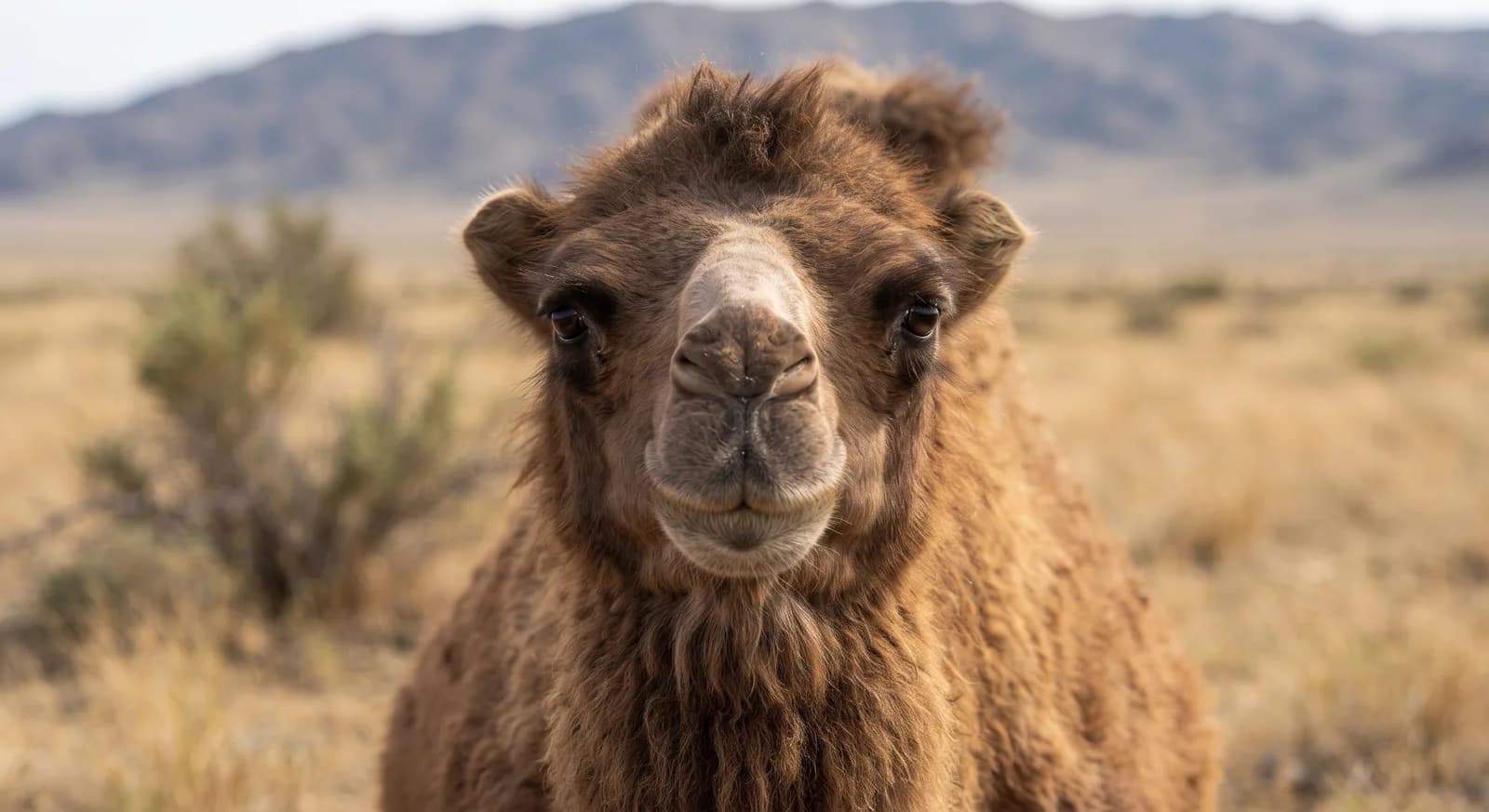
Bactrian CamelCritically Endangered

Bactrian Camel

Camelus bactrianus
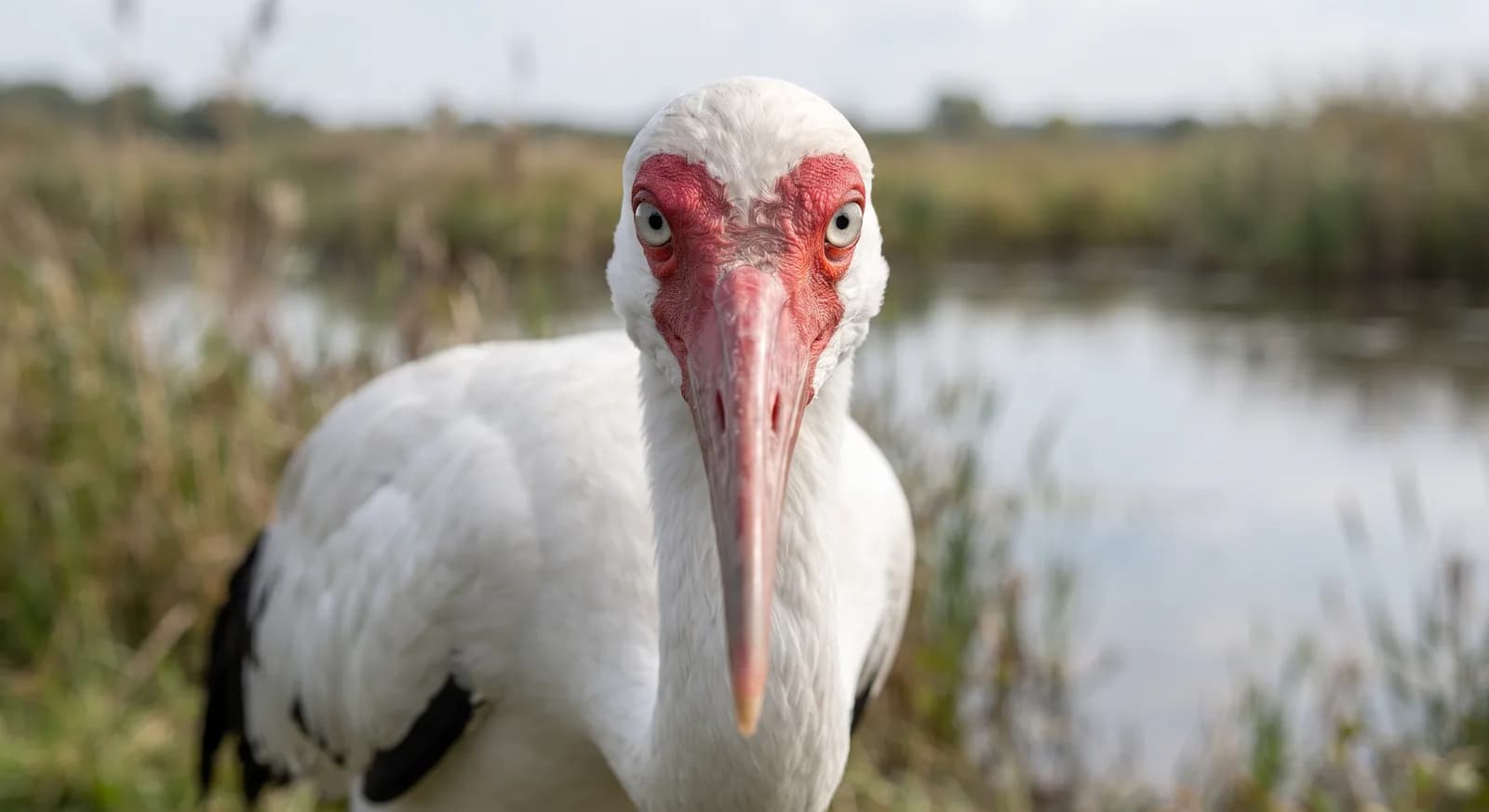
Siberian CraneCritically Endangered

Siberian Crane

Leucogeranus leucogeranus
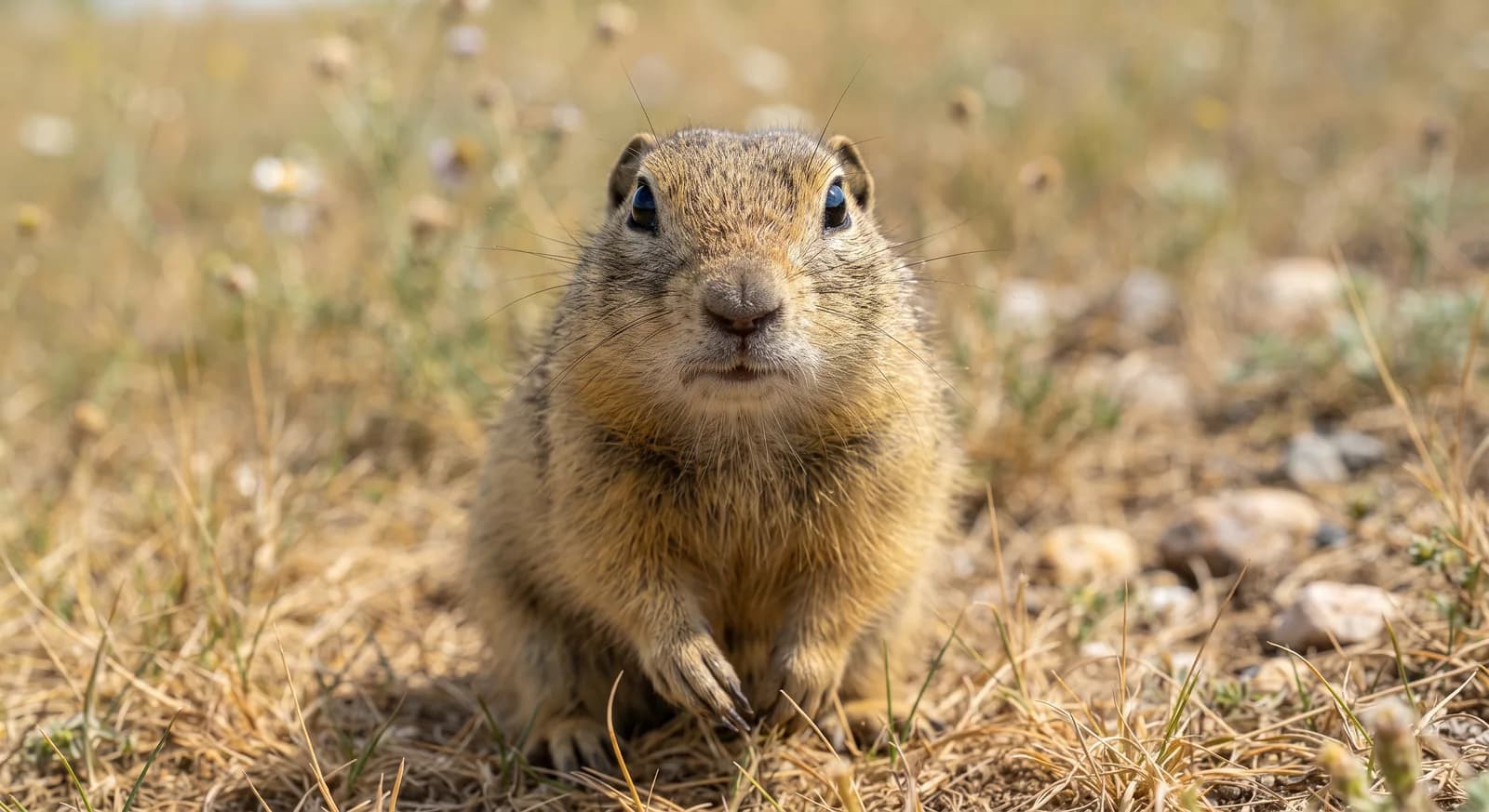
European Ground SquirrelEndangered

European Ground Squirrel

Spermophilus citellus
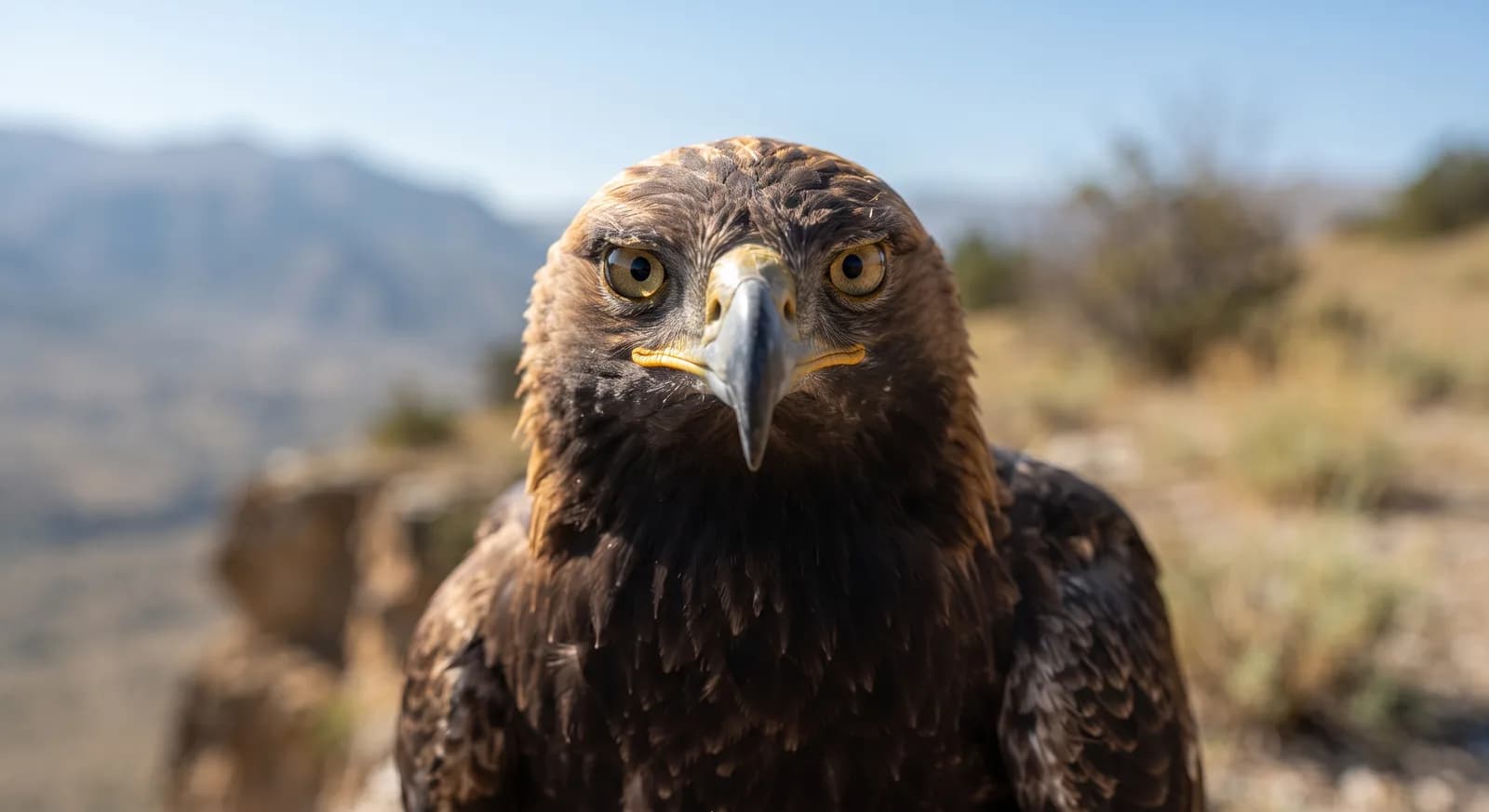
Eastern Imperial EagleVulnerable

Eastern Imperial Eagle

Aquila heliaca
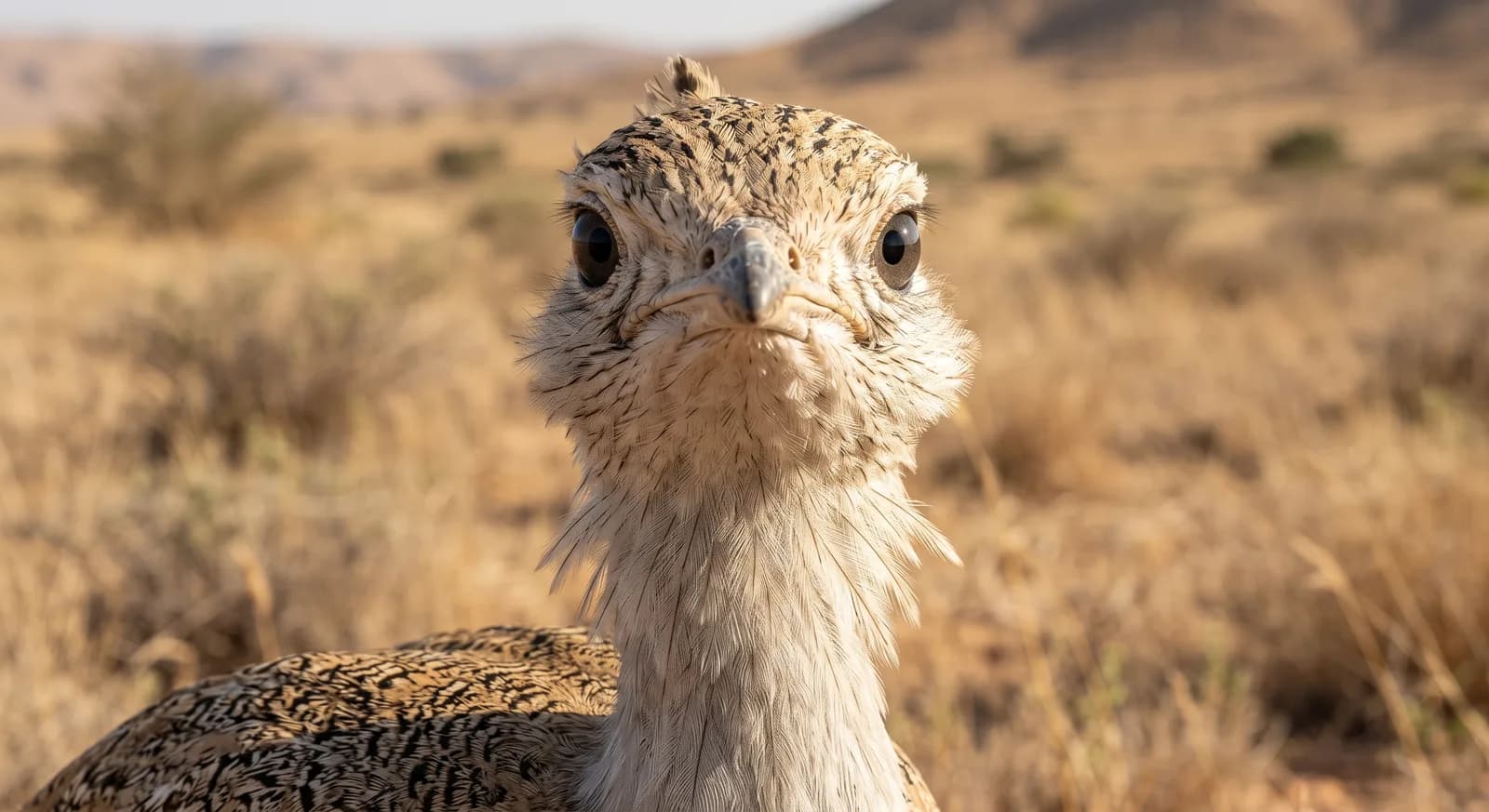
Houbara BustardVulnerable

Houbara Bustard

Chlamydotis undulata
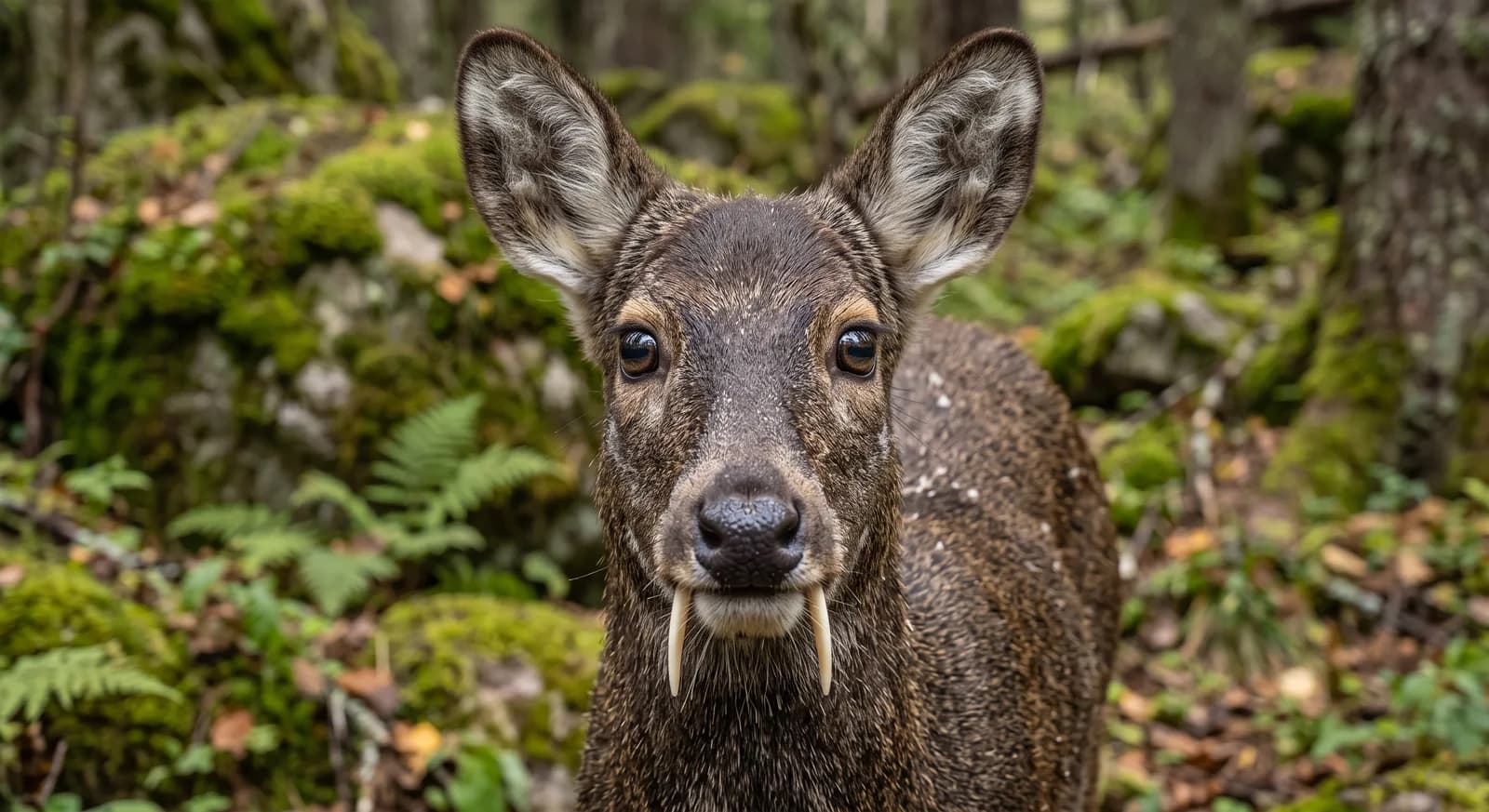
Siberian Musk DeerVulnerable

Siberian Musk Deer

Moschus moschiferus
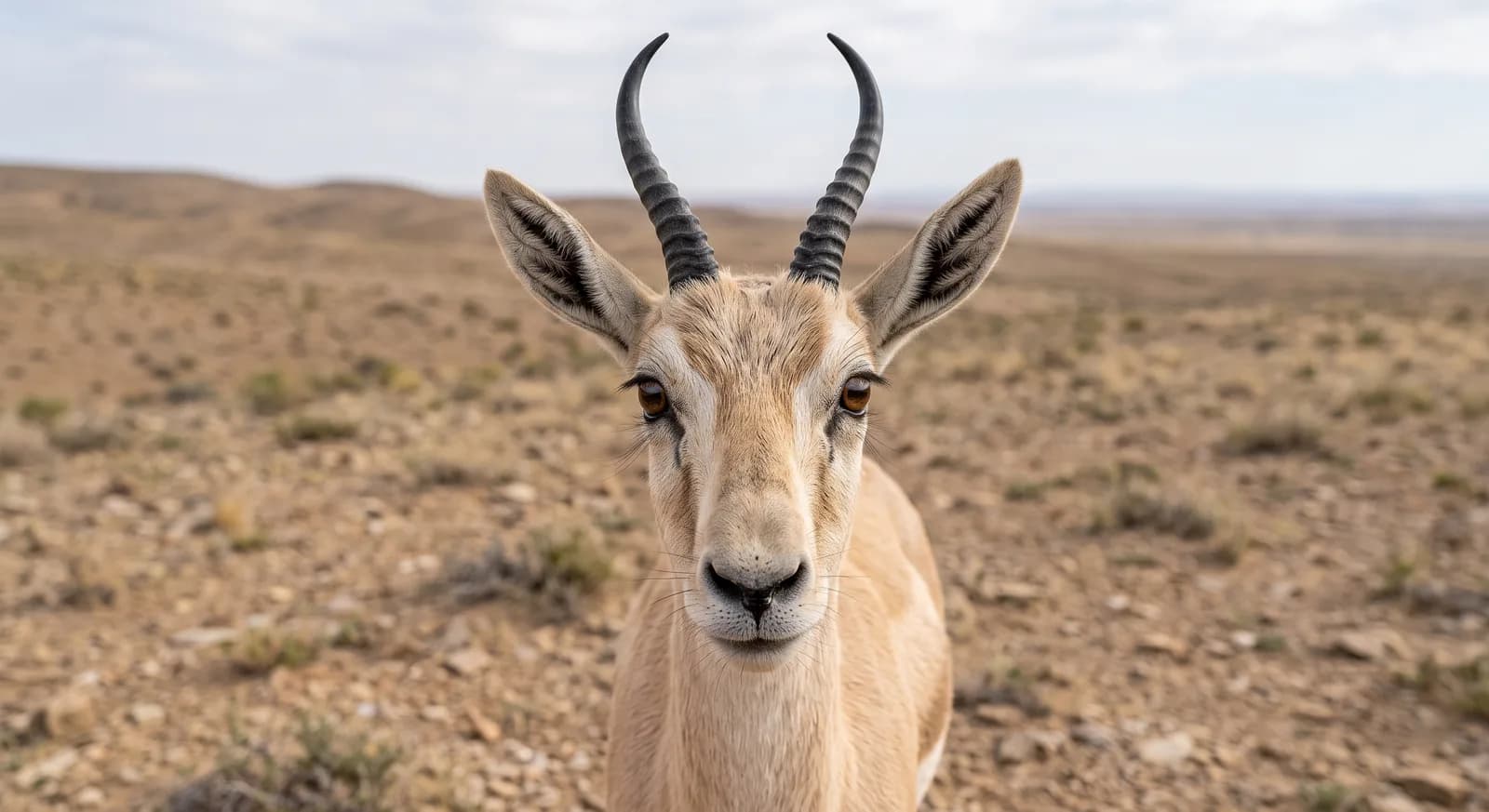
Goitered GazelleVulnerable

Goitered Gazelle

Gazella subgutturosa

Red-crowned CraneVulnerable

Red-crowned Crane

Grus japonensis
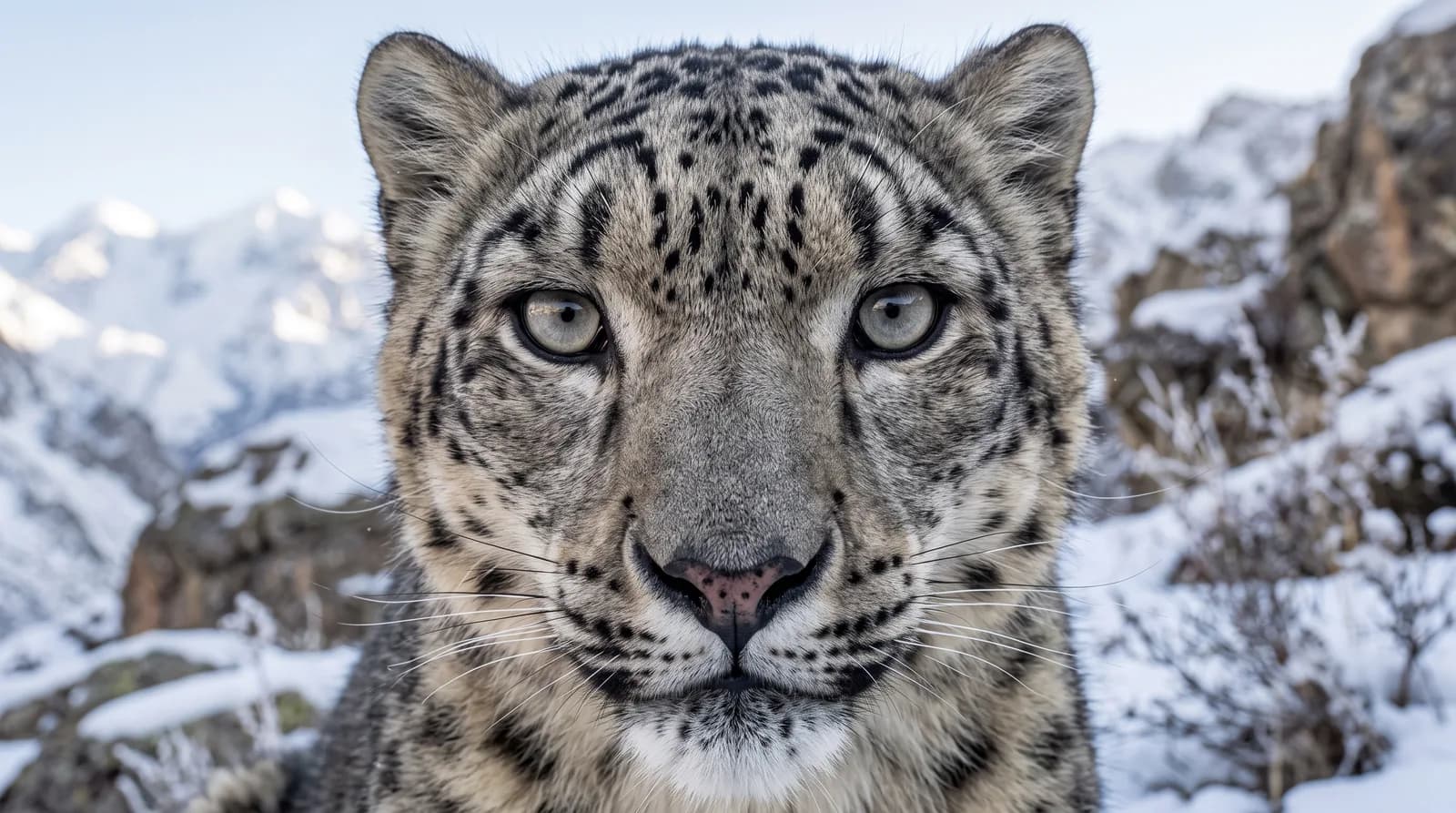
Snow LeopardVulnerable

Snow Leopard

Panthera uncia

UrialVulnerable

Urial

Ovis vignei

ArgaliNear Threatened

Argali

Ovis ammon

Great BustardNear Threatened

Great Bustard

Otis tarda

Page 1 of 9

Related guides

  • Threatened species of Mongolia12 species
  • Birds in Mongolia5 species

Keep exploring

Based on what we already know about Mongolia.

ParkUvs Nuur Basin

Explore on the map

Interactive map

This page in other languages: Español · Deutsch · Français · Português · Italiano
Desert
Mountain
Grassland
Freshwater