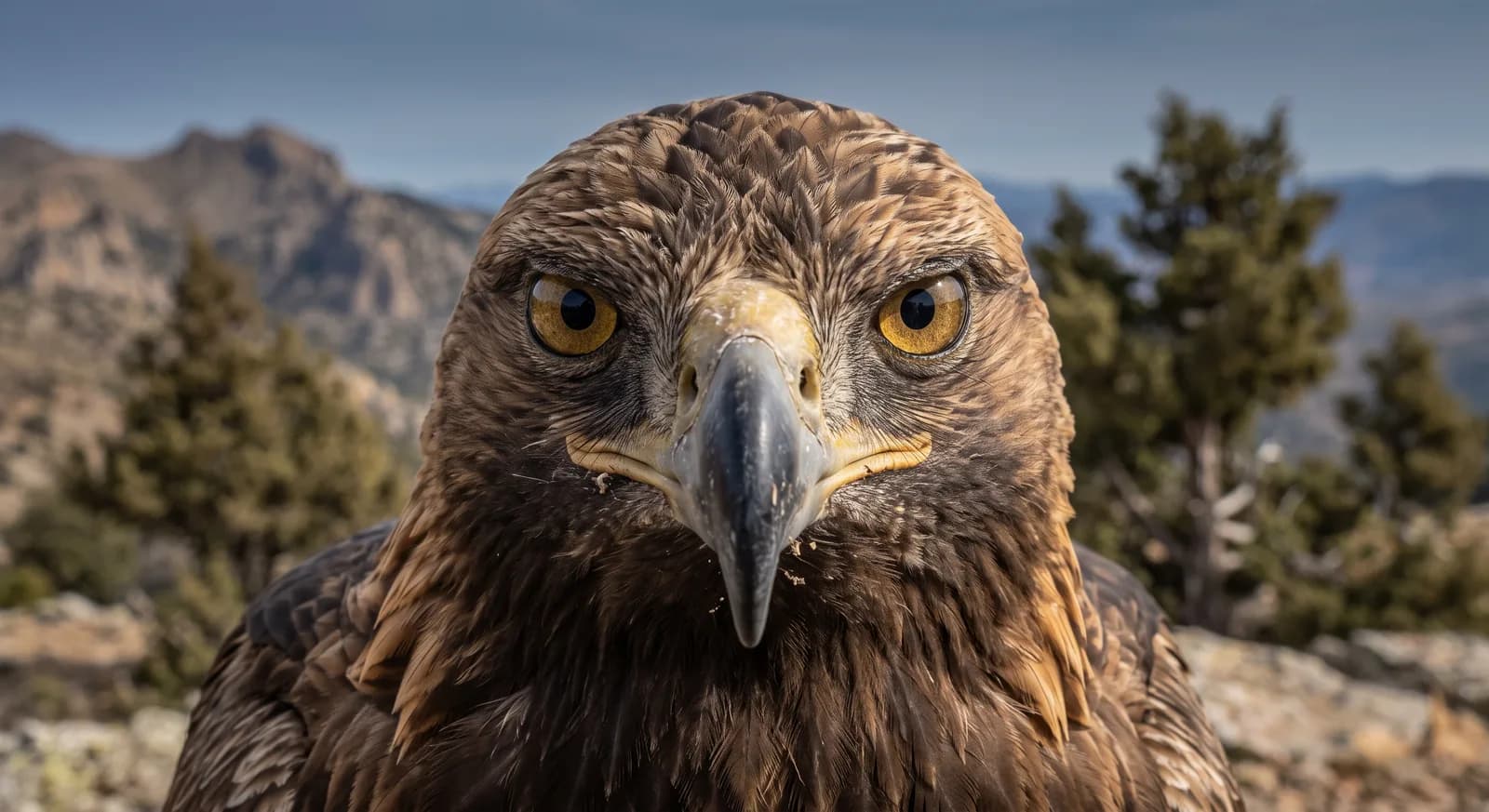
 Least Concern
Golden Eagle
Aquila chrysaetos
Mongolia's "blue pearl": a lake holding close to 1% of the planet's unfrozen fresh water.
Area
8,380 km²
Designated in
1992
Region
East Asia
A deep tectonic lake in the taiga-steppe transition
Khövsgöl National Park was established in 1992 in northern Mongolia, next to the Russian border, and protects some 8,380 km² around the lake of the same name.
Khövsgöl is a tectonic lake more than 260 metres deep and some 2,760 km² in area, formed in a rift related to that of Baikal, to which it is hydrographically connected through the Selenga River. It holds close to 70% of Mongolia's fresh water and around 1% of the planet's unfrozen fresh water, and its waters are of exceptional clarity. Mongolians call it "the blue pearl" and also "the mother sea". It stays frozen from January to April, with ice thick enough to bear vehicles.
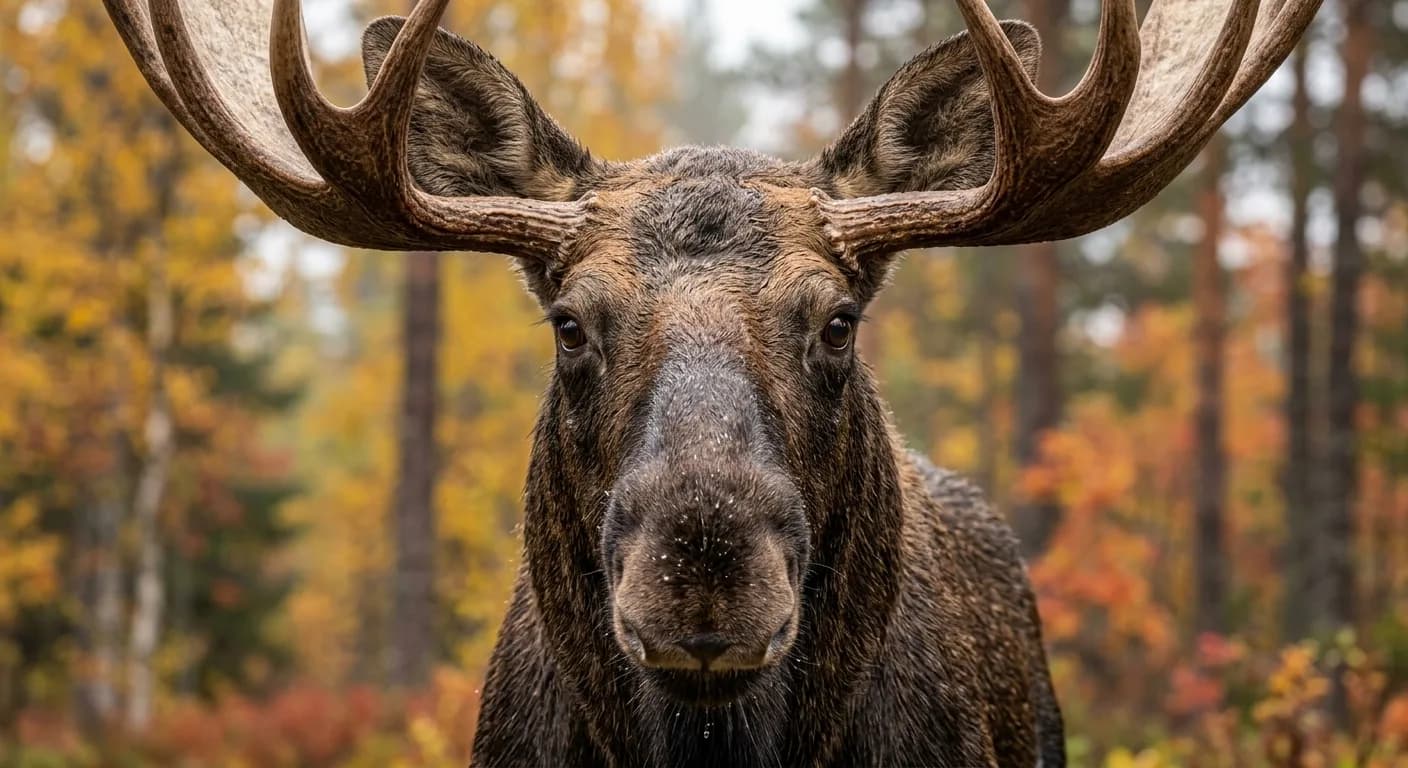
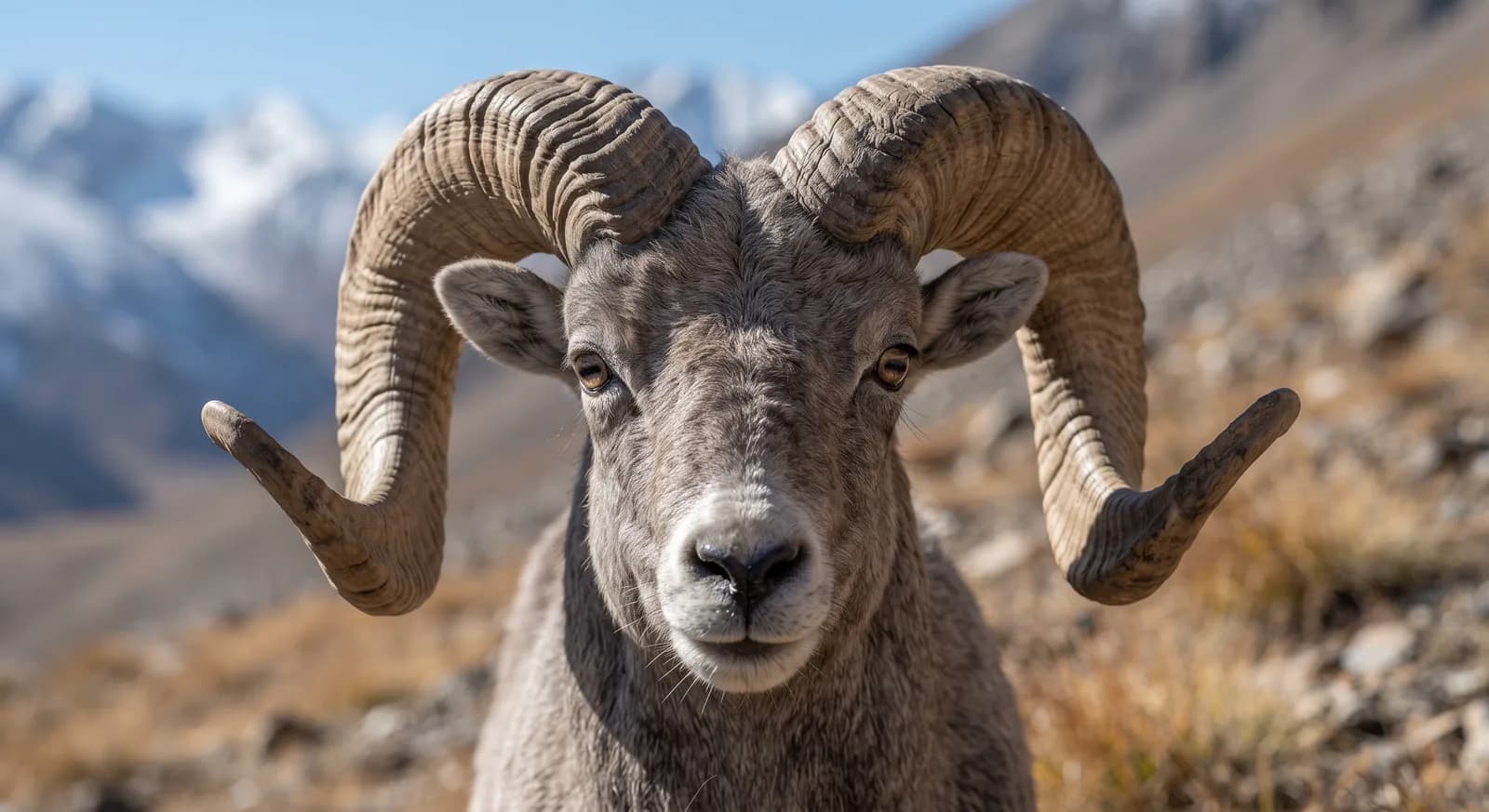
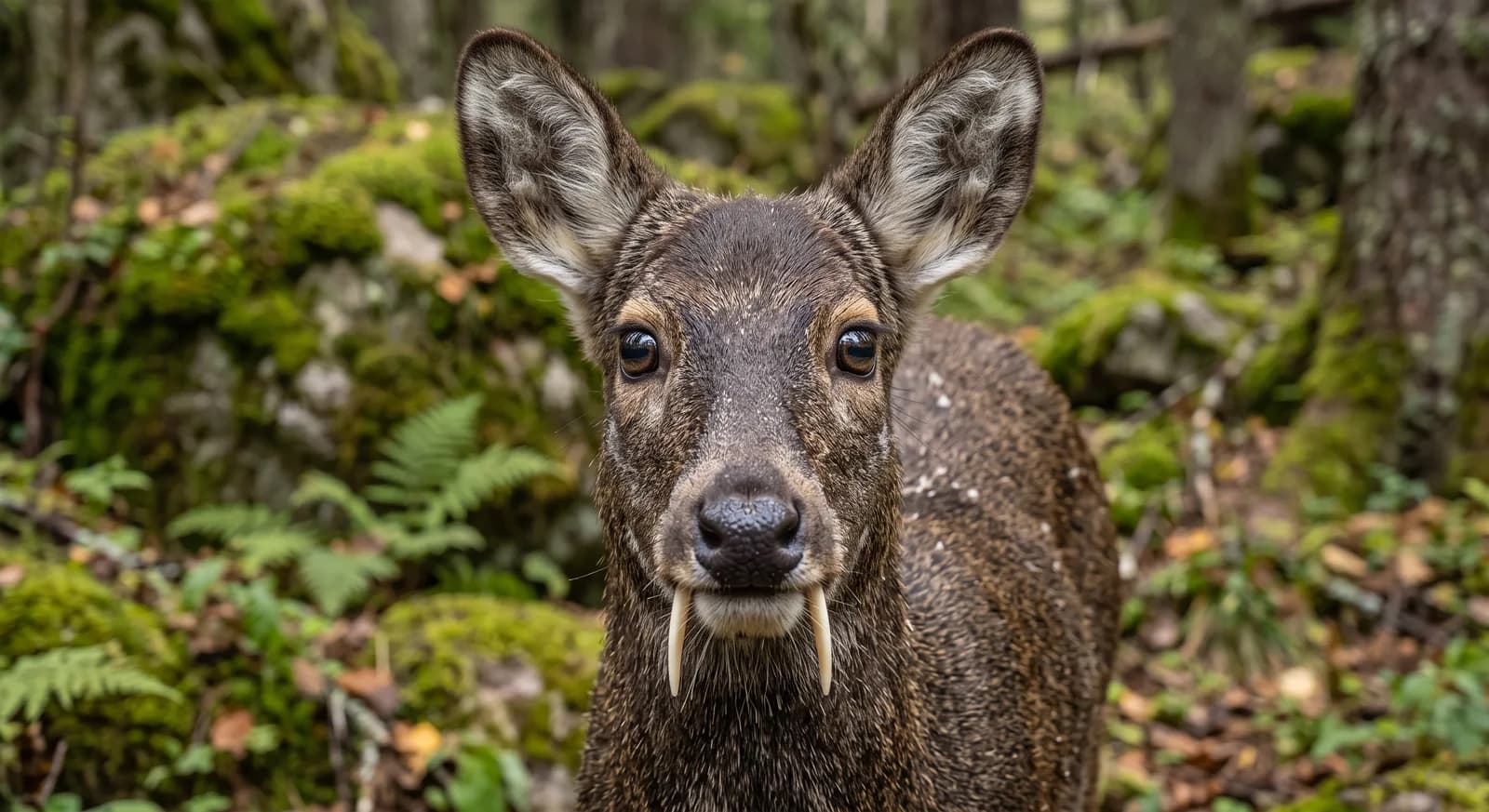
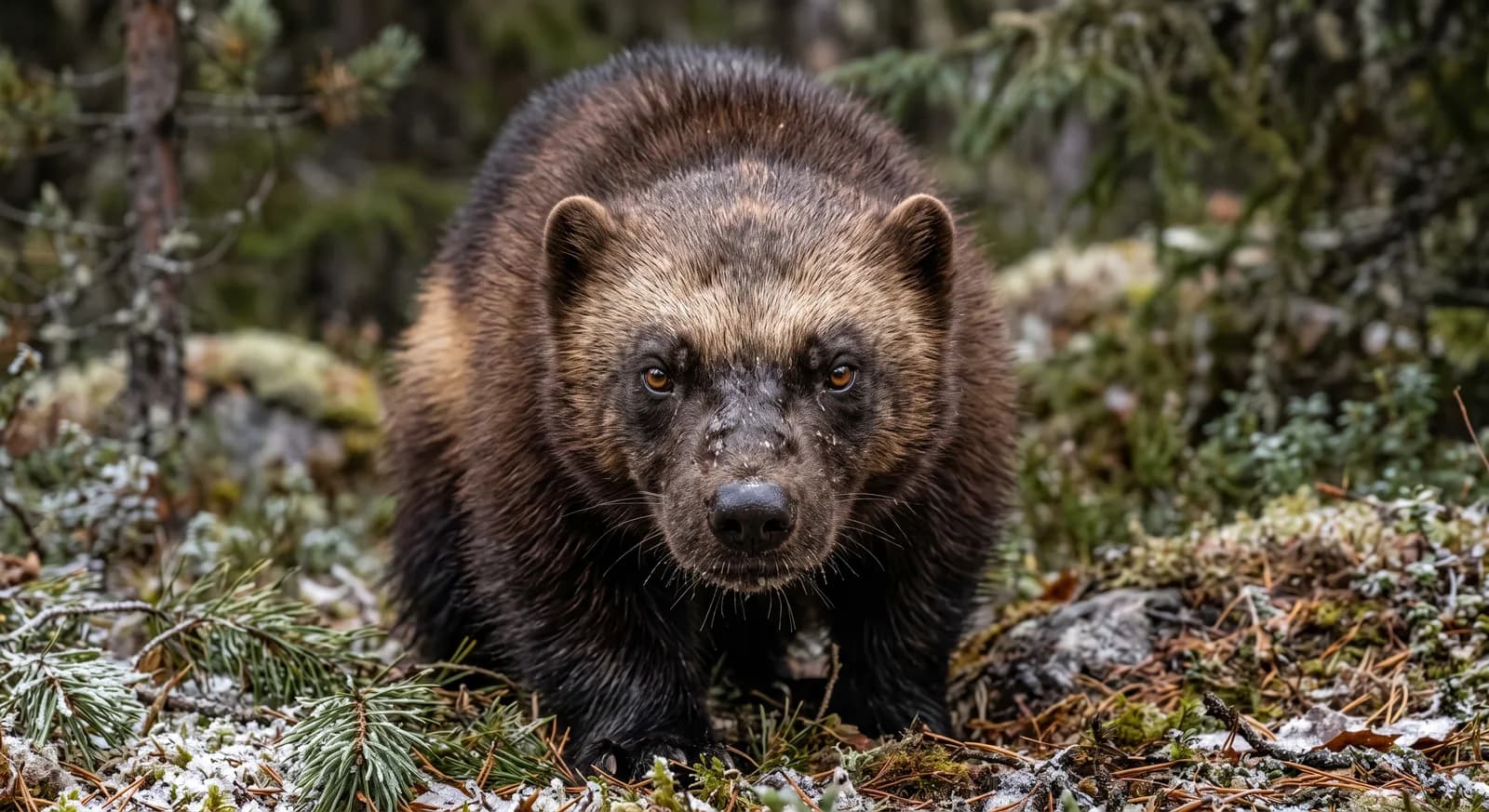
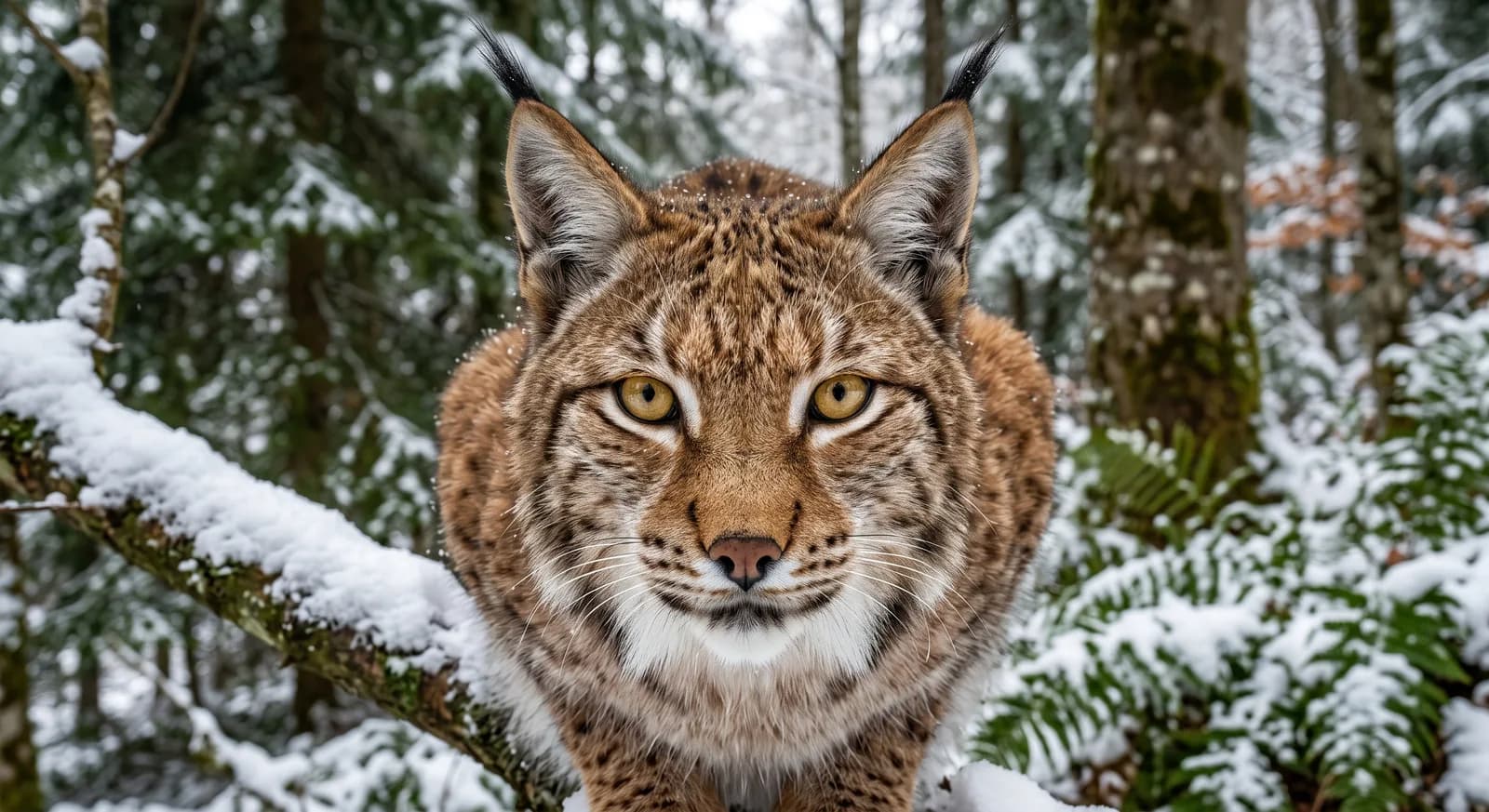
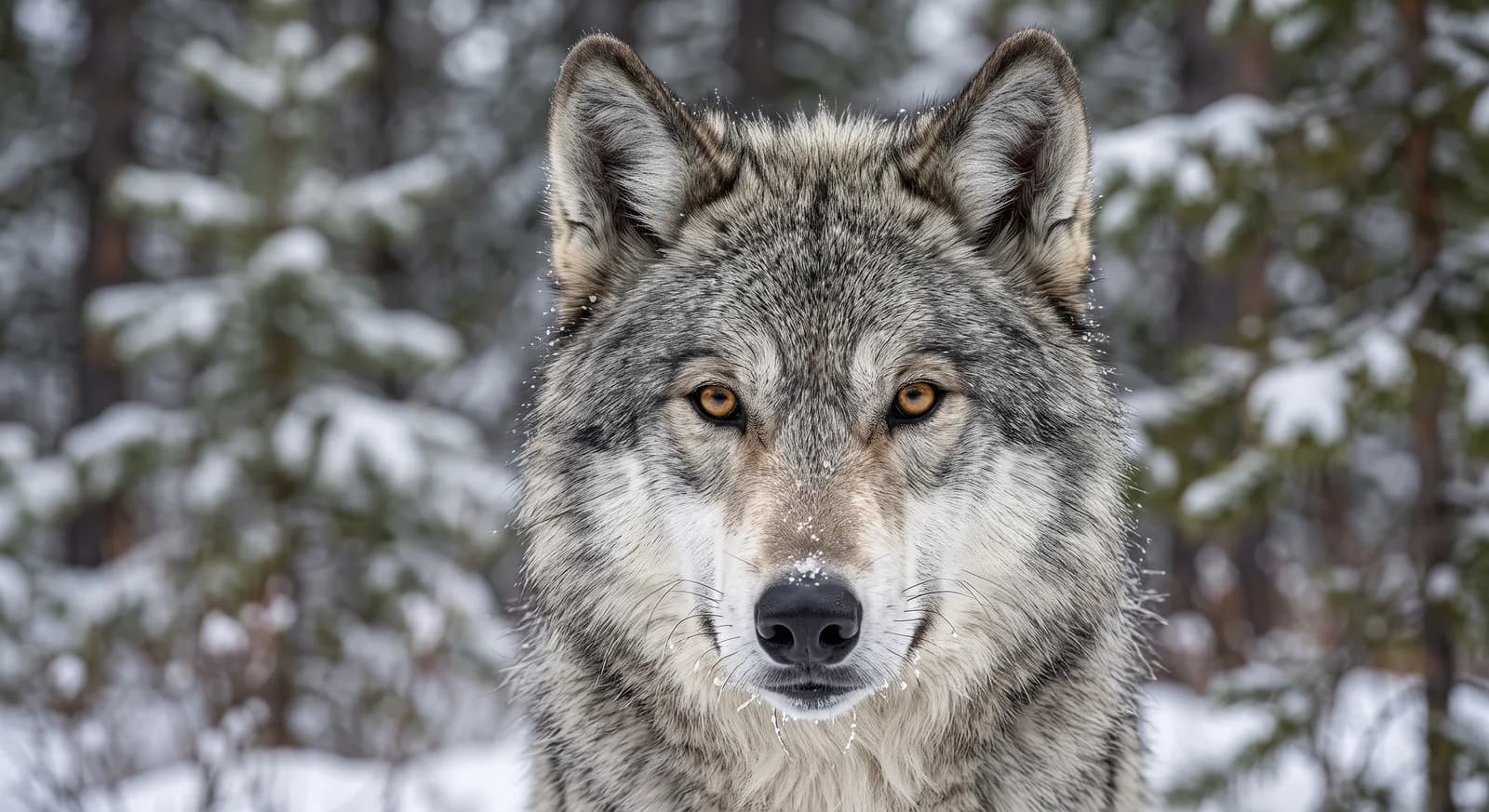
The setting is a transition zone between the Siberian larch taiga and the Mongolian steppe, with mountains rising above three thousand metres. The region is the territory of the Tsaatan or Dukha, one of the last reindeer-herding communities in the world, who live in tepees and practise a seasonal transhumance in the northern mountains. The wildlife includes elk, argali, ibex and the taimen, a giant salmonid that can exceed a metre and a half and is the object of regulated catch-and-release sport fishing.
Threatened:
Ecosystems found in Mongolia, where Khövsgöl lies.
Which other parks are like this one?
Same country: Mongolia
Same country: Mongolia
Same country: Mongolia
Same country: Mongolia
Based on what we already know about this park.
Share your experience visiting Khövsgöl, or a tip for other travellers.
Be the first to comment.
Climate
Arid / desert, Temperate
Best season
June to September


 Mongolia