Skip to content
WAnimals
  • Map
  • Species
  • Parks
  • Diving
Log inCreate account
WAnimals

The guide for travellers and animal lovers: discover, plan and share your wild adventures around the world.

Discover wildlife

  • Species
  • Ecosystems
  • Glossary
  • Tags

Explore places

  • Map
  • Countries
  • Parks
  • Diving

Plan experiences

  • Guides

Learn

  • Blog

Resources

  • Help centre
  • Contact
  • Install the app

Follow us

Account

  • Log in
  • Create account

© 2026 WAnimals. All rights reserved.

About usHow we build our profilesTerms of servicePrivacyLegal notice
MapSpeciesParksDiving
  1. Home
  2. Species
  3. Sable

One of the 4 martens on WAnimals
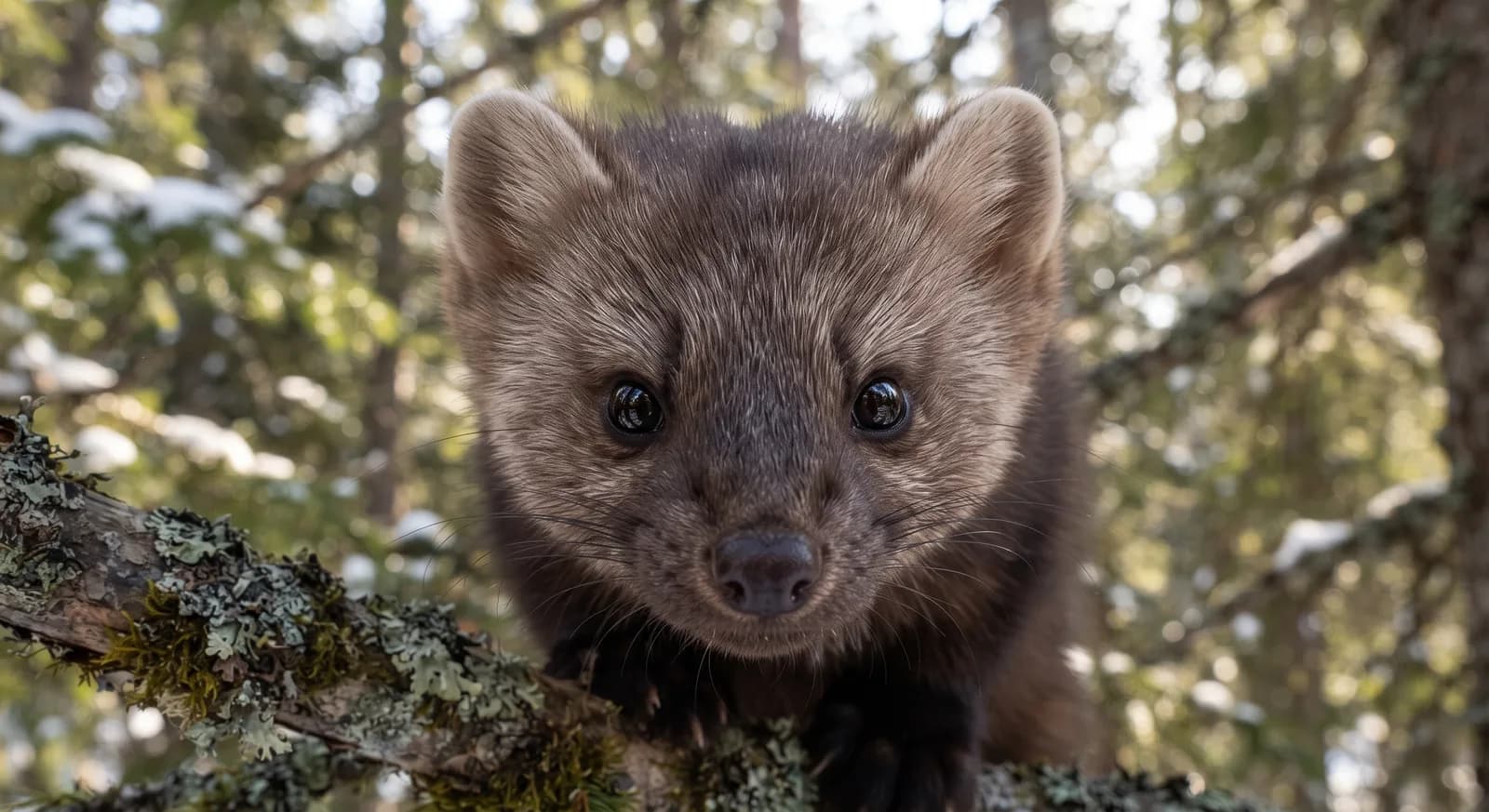
Sable (Martes zibellina)

Mammals · Carnivora · Mustelidae

Sable

Martes zibellina

Least Concern

The species is abundant and widely distributed; it faces no significant short-term risk.

Spotted something wrong?

The sable is a mustelid of the Siberian taiga whose fur has for centuries been among the most valuable in the world. It is an opportunistic predator: rodents, squirrels, birds, eggs, insects, pine nuts and berries according to the season. It moves both on the ground and through the trees, and in winter it hunts beneath the snow. Pressure from the fur trade brought it to the brink of extinction in the early 20th century, and the creation of reserves and Soviet hunting bans allowed it to recover to today's abundant populations.

Weight

700 g – 1.8 kg

Size

35 cm – 56 cm

Life expectancy

15 years
Diet

Carnivore

Feeds mainly on other animals.

Activity

Irregular activity

Active at irregular times, by day or night depending on circumstances.

Social structure

Solitary

Lives and hunts alone, joining others only to breed.

Sighting difficulty

Easy

Temperate forestMountain
8countries11parks28same family

AI-generated images: illustrations, not photographs.

Fun facts

  • GeneralIts fur was for centuries one of the most valuable goods in Siberia.
  • Its fur was a currency in medieval Russia and one of the economic drivers of the conquest of Siberia: the sable trade pushed Russian expansion eastwards for centuries.
  • It practises delayed implantation: the embryo is held in suspension for eight months and only develops in the final weeks, so that the young are born in spring even though mating took place in summer.

Life cycle and biology

Skeleton type
Vertebrate - internal bony skeleton (mammal)
Habitat and environment
Dense coniferous taiga and mixed forest of Siberia, Mongolia and northern China and Japan
Sexual maturity
15 months
Gestation / incubation
30 days
Litter / clutch size
3

Sources consulted: https://es.wikipedia.org/wiki/Martes_zibellina

Where to find it

Loading map…

The pins mark the parks where its presence is documented.

Where to see it

Parks and dive sites where this species has been documented — showing 10 of 11.

Related species

Other species in the catalogue with the most in common with Sable — same habitat, park, country, tags or family.

Same taxonomic family

Keep exploring

Based on what we already know about sable.

Comments

Share an experience, a fun fact or a tip for seeing the sable.

Be the first to comment.

See full glossary
This page in other languages: Español · Deutsch · Français · Português · Italiano
See its range on the interactive map→
Baikal (Baikalsky Nature Reserve)Russia
Sikhote-AlinRussia
Mount Paektu National ParkNorth Korea
KanasChina
Lake KhuvsgulMongolia
Volcanoes of KamchatkaRussia
Changbai MountainChina
Lena PillarsRussia
Putorana PlateauRussia
KhövsgölMongolia
See all 11 parks
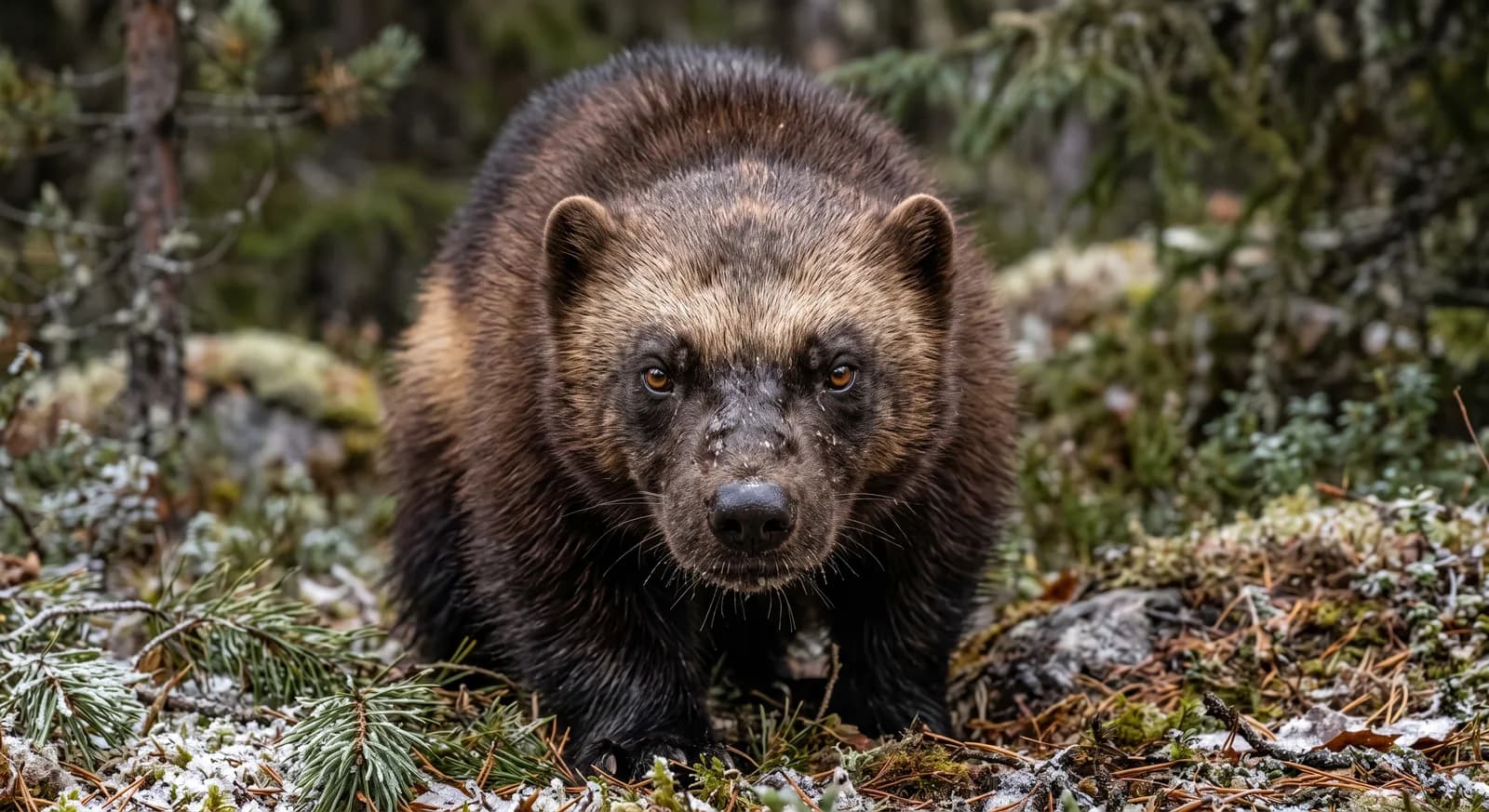
WolverineLeast Concern

Wolverine

Gulo gulo

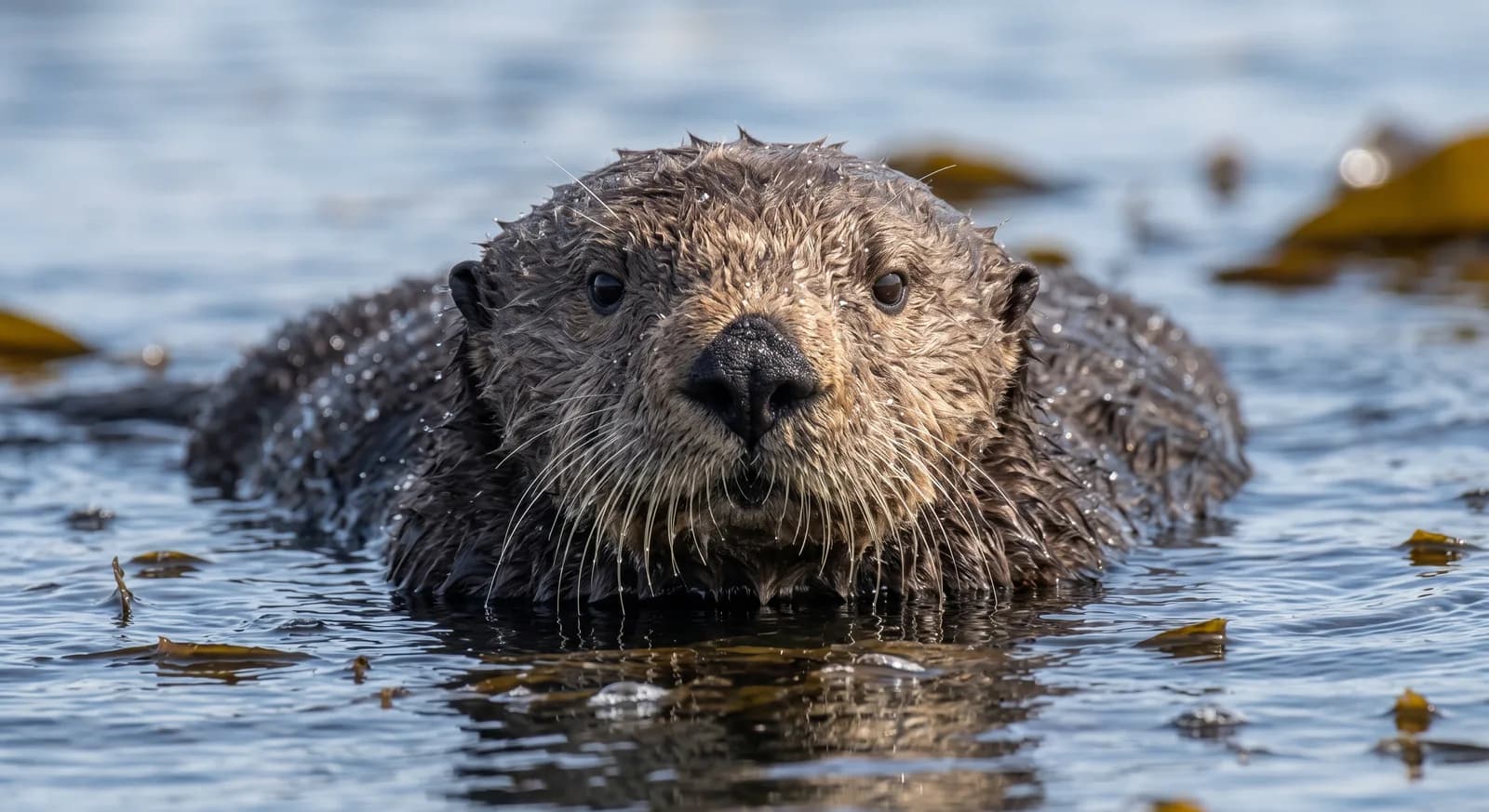
Sea OtterEndangered

Sea Otter

Enhydra lutris

Least Concern

Beech Marten

Martes foina

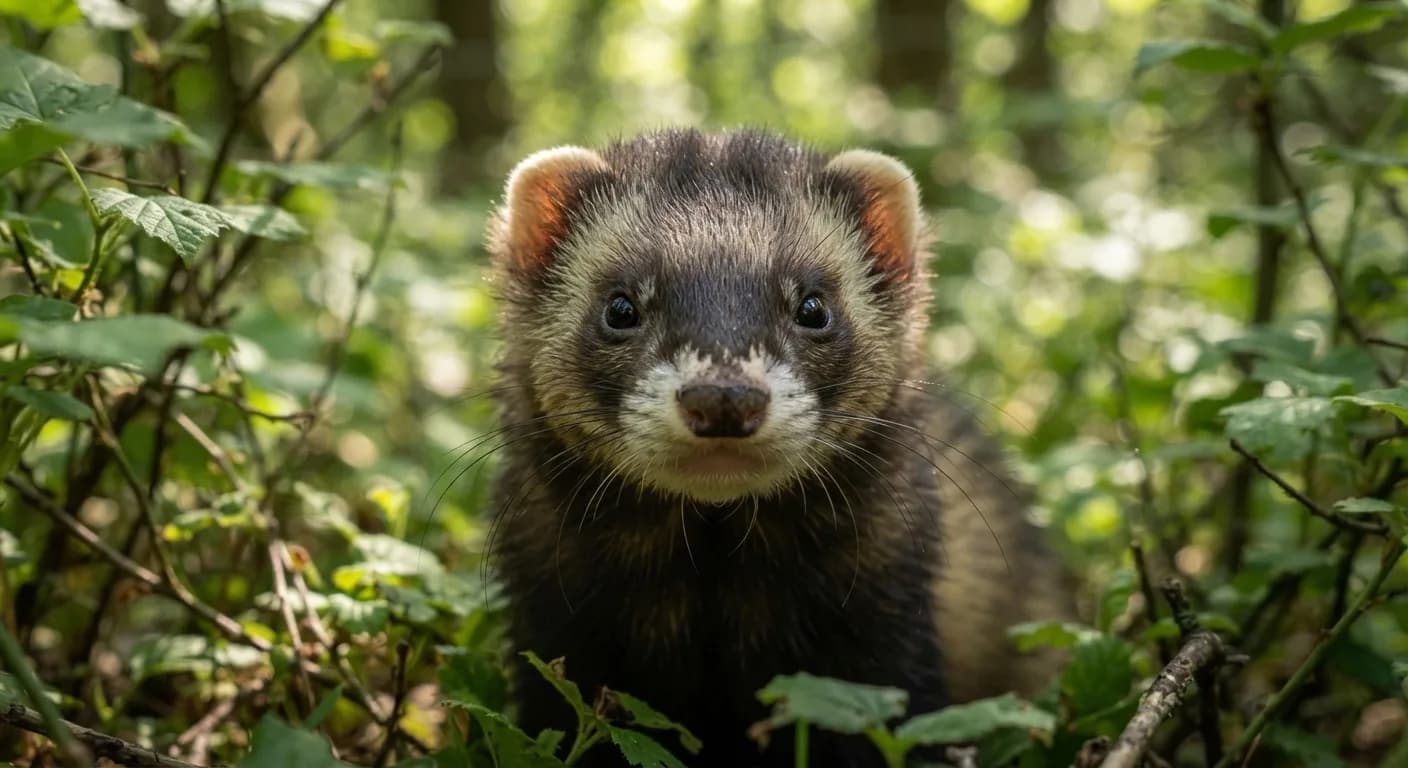
PolecatLeast Concern

Polecat

Mustela putorius

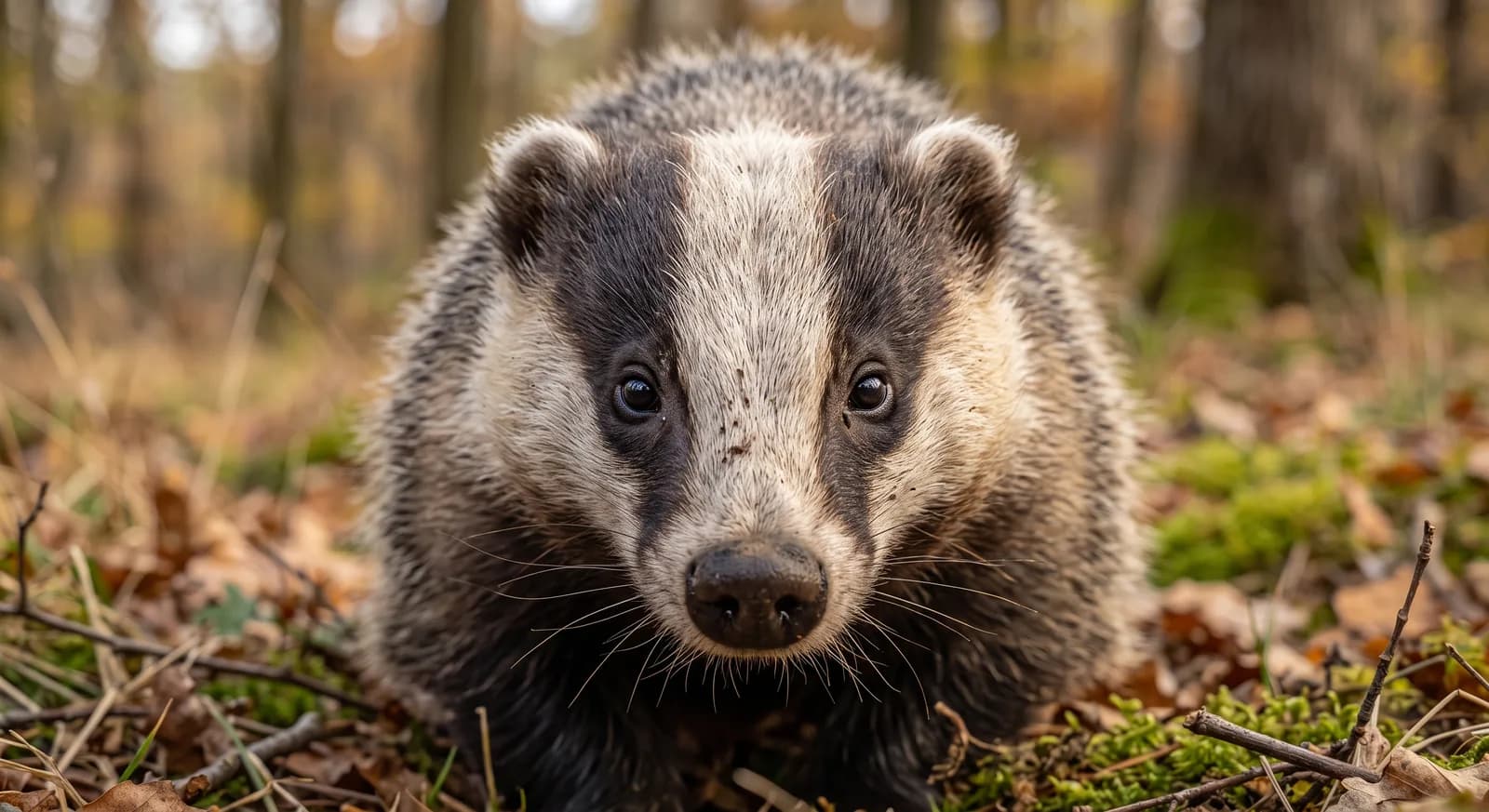
Asian BadgerLeast Concern

Asian Badger

Meles leucurus

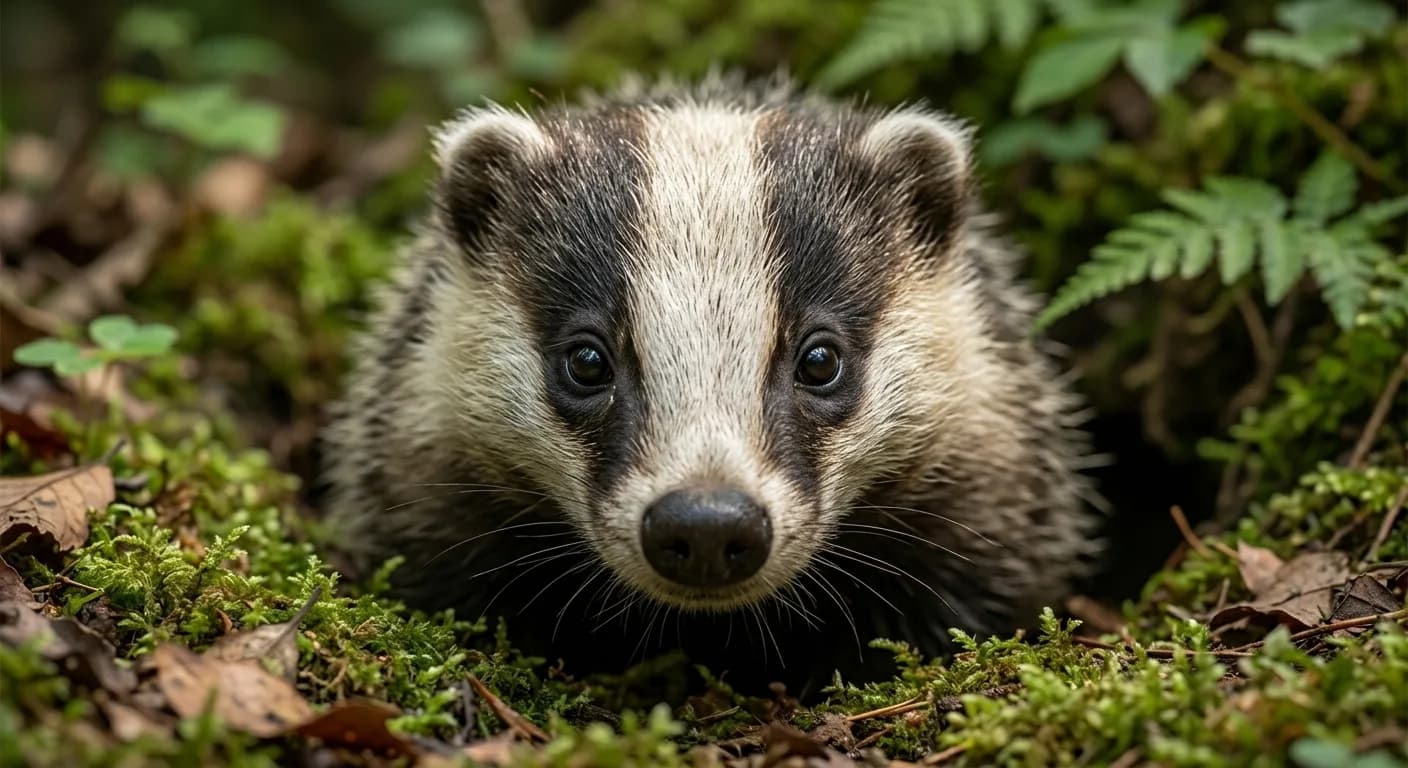
Japanese BadgerLeast Concern

Japanese Badger

Meles anakuma

CountriesRussia
ParksBaikal (Baikalsky Nature Reserve)Russia
TagsCarnivore
Carnivore
Variable activity
Solitary
Temperate forest
Mountain
Mammal
Russia
China
Mongolia
North Korea
Japan
Kazakhstan
South Korea
Taiwan