Mammals · Carnivora · Mustelidae
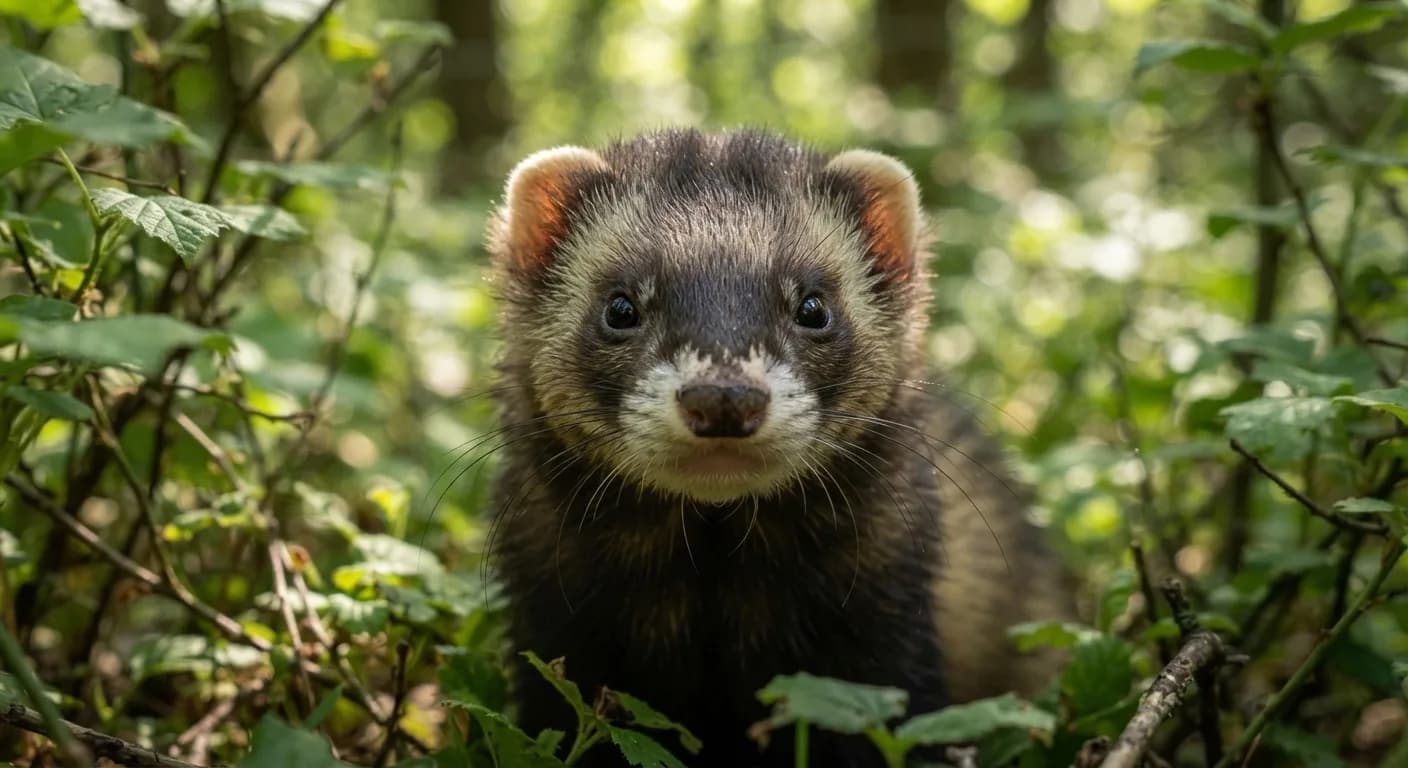
Mustela putorius
The species is abundant and widely distributed; it faces no significant short-term risk.
It is the direct wild ancestor of the domestic ferret, domesticated more than 2,000 years ago for rabbiting and pest control.
Weight
635 g – 1.5 kg
Size
27.9 cm – 47.7 cm
Life expectancy
5 years
Diet
Carnivore
Feeds mainly on other animals.
Activity
Nocturnal
Active mainly at night.
Social structure
Solitary
Lives and hunts alone, joining others only to breed.
Sighting difficulty
Easy
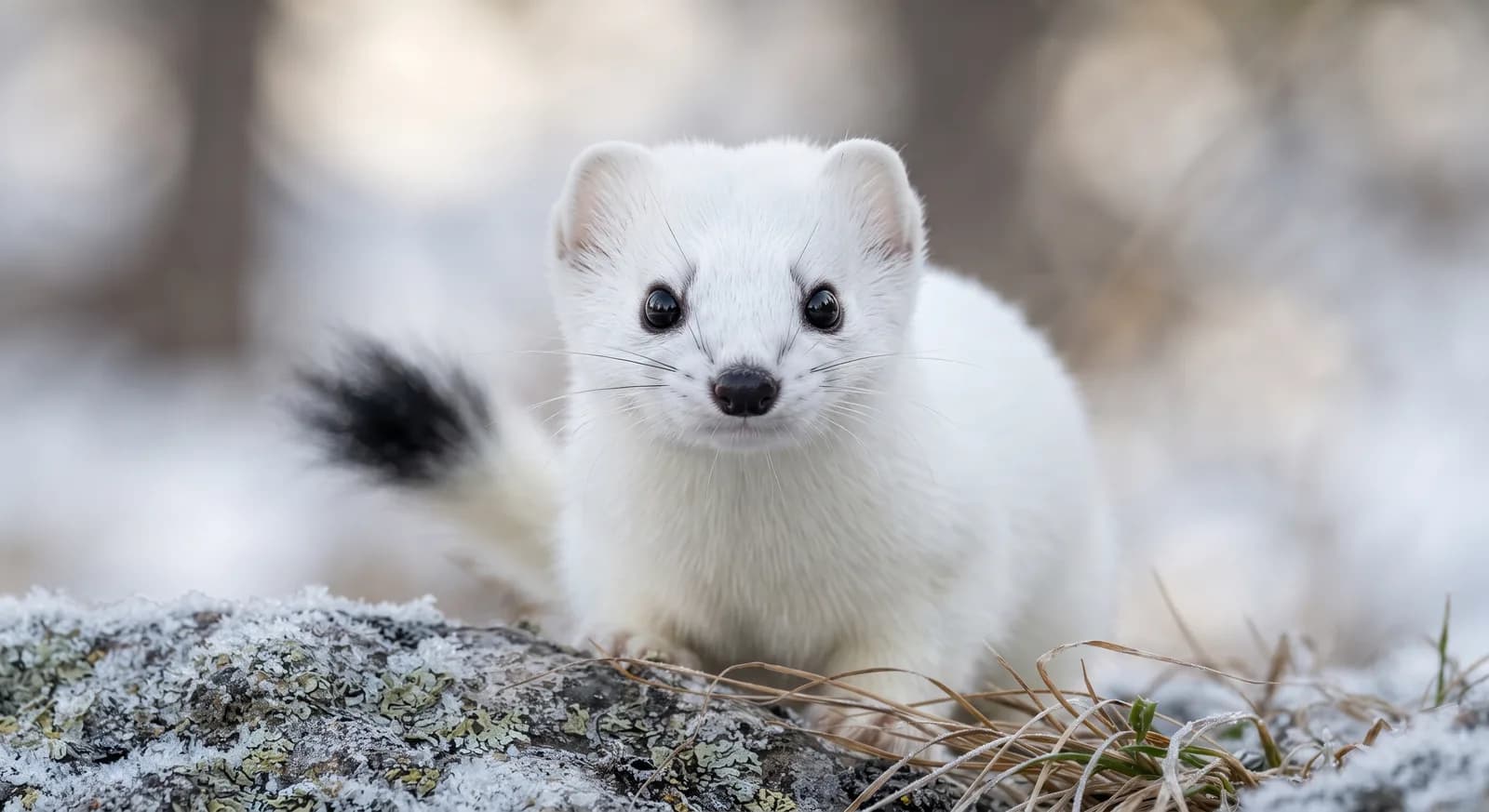
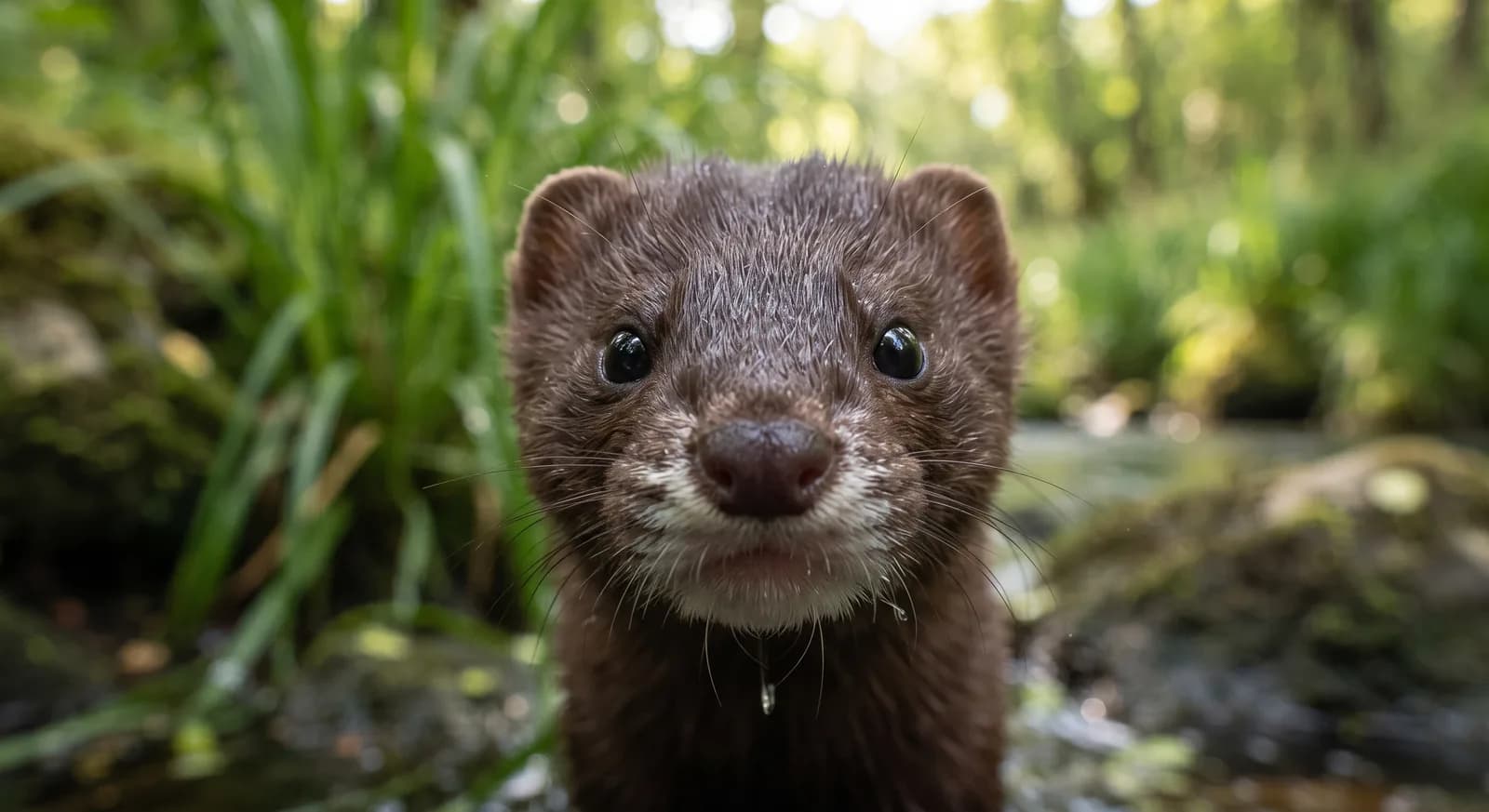
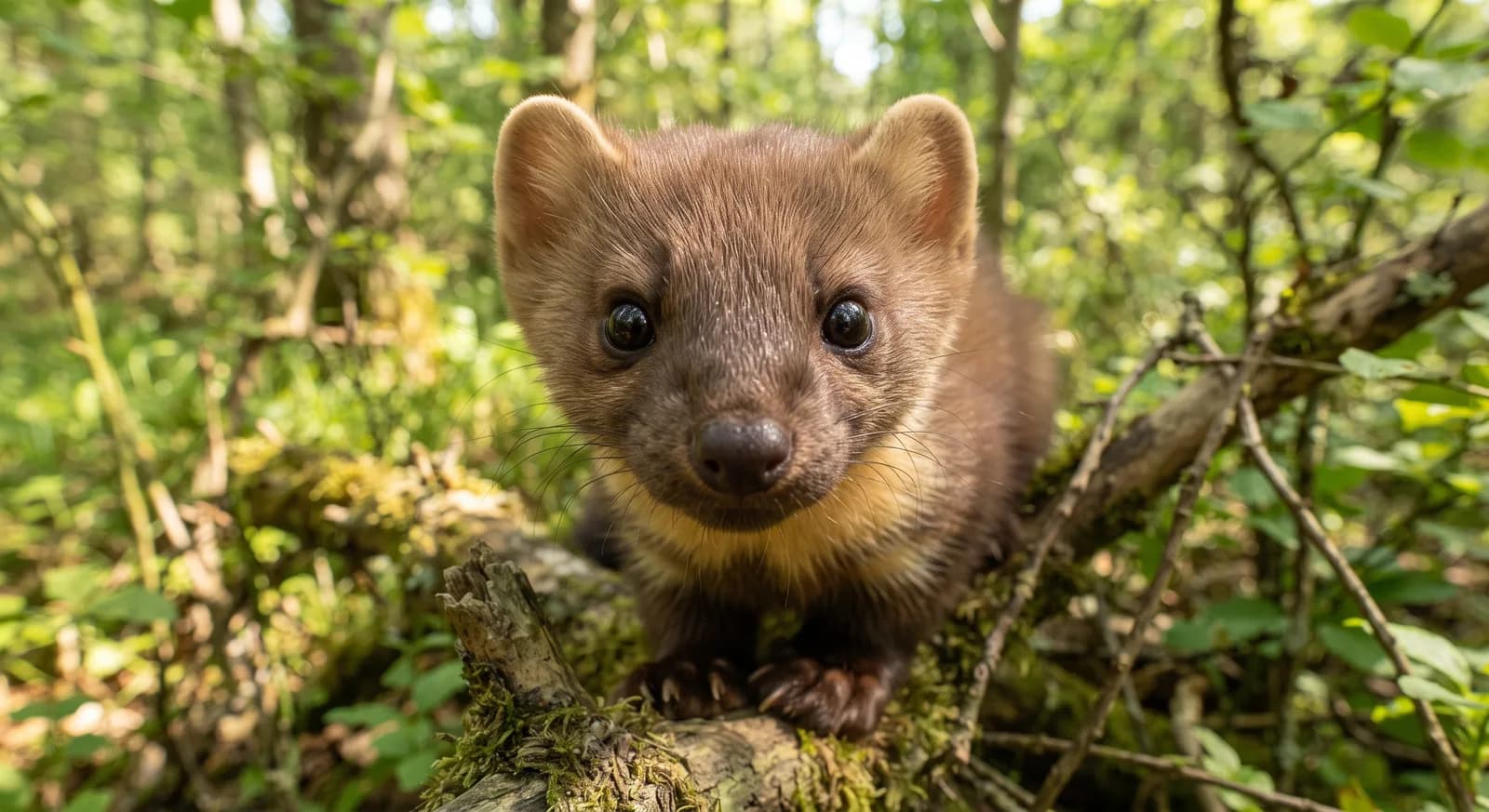
AI-generated images: illustrations, not photographs.
Sources consulted: Animal Diversity Web; A-Z Animals; AnAge (genomics.senescence.info); Animalia.bio; Genuine Mustelids; First Nature; Animal Spot; PMC (ferret polecat introgression study)
Best time: All year round, mostly at night; it is easiest to detect in spring and summer near riverbanks, ruins and hedgerows, where it hunts amphibians and rabbits.
Parks and dive sites where this species has been documented — showing 10 of 135.
Other species in the catalogue with the most in common with Polecat — same habitat, park, country, tags or family.
Based on what we already know about polecat.
Share an experience, a fun fact or a tip for seeing the polecat.
Be the first to comment.
The pins mark the parks where its presence is documented.