Skip to content
WAnimals
  • Map
  • Species
  • Parks
  • Diving
Log inCreate account
WAnimals

The guide for travellers and animal lovers: discover, plan and share your wild adventures around the world.

Discover wildlife

  • Species
  • Ecosystems
  • Glossary
  • Tags

Explore places

  • Map
  • Countries
  • Parks
  • Diving

Plan experiences

  • Guides

Learn

  • Blog

Resources

  • About us
  • How we build our profiles
  • Help centre
  • Contact
  • Install the app

Follow us

Account

  • Log in
  • Create account

© 2026 WAnimals. All rights reserved.

Terms of servicePrivacyCookiesLegal notice
MapSpeciesParksDiving
  1. Home
  2. Species
  3. Pine Marten

One of the 4 martens on WAnimals
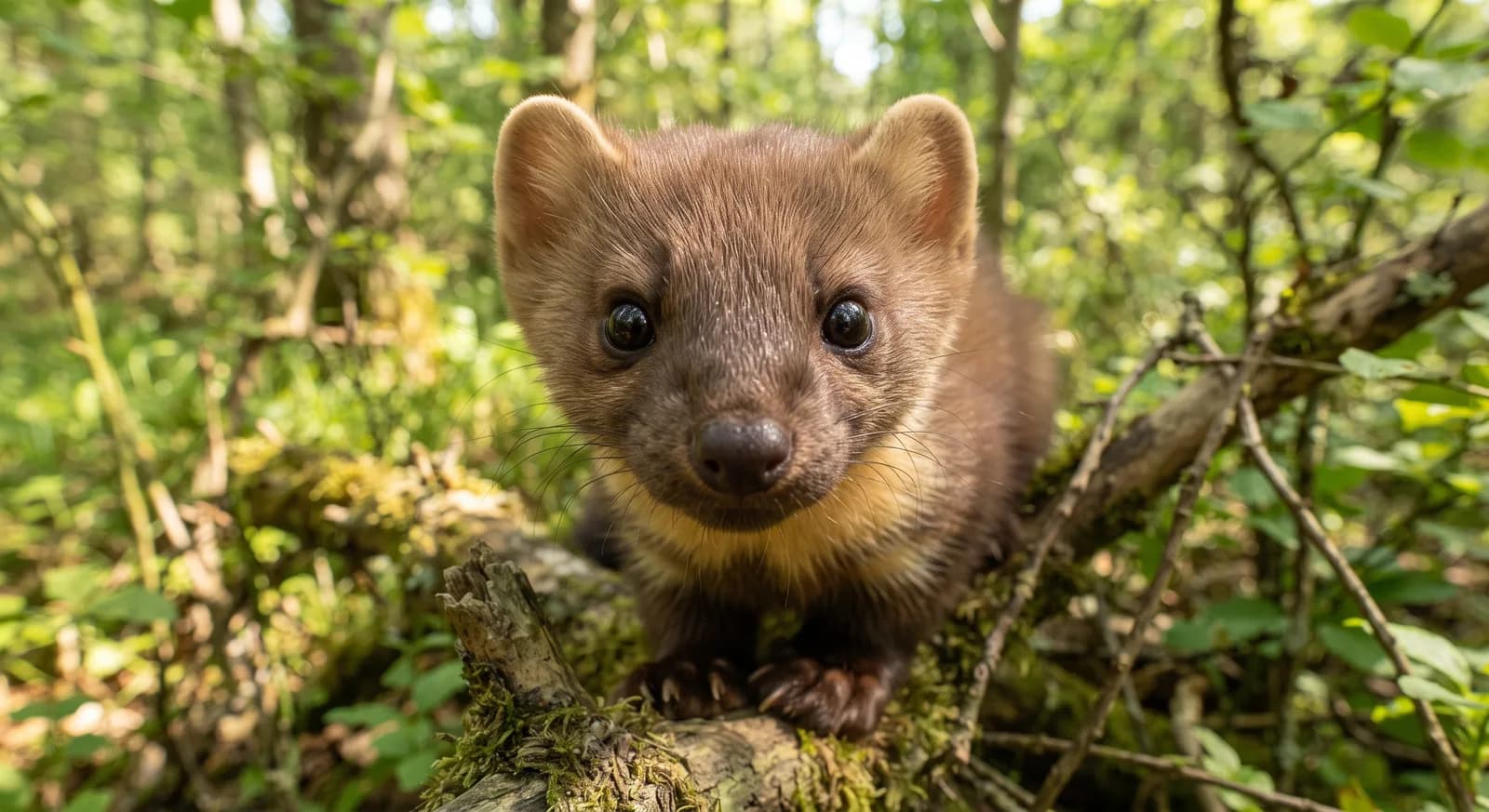
Pine Marten (Martes martes)

Mammals · Carnivora · Mustelidae

Pine Marten

Martes martes

Least Concern

The species is abundant and widely distributed; it faces no significant short-term risk.

Spotted something wrong?

It is one of the few mustelids with semi-retractile claws, an adaptation that makes it an excellent climber and tree-top hunter.

Weight

900 g – 2.2 kg

Size

45 cm – 58 cm

Life expectancy

3 years
Diet

Omnivore

Combines animal and plant food depending on availability.

Activity

Nocturnal

Active mainly at night.

Social structure

Solitary

Lives and hunts alone, joining others only to breed.

Temperate forest
48countries217parks28same family

AI-generated images: illustrations, not photographs.

Fun facts

  • It is one of the few mustelids with semi-retractile claws, ideal for climbing trees.
  • Its actual gestation lasts only a month, but delayed implantation stretches the process to up to eight months.
  • It eats small mammals, birds and their eggs, insects and fruit.
  • locomociónIt is a tree-dwelling mustelid able to chase squirrels through the canopy, leaping from branch to branch with great agility.

Life cycle and biology

Skeleton type
Vertebrate - internal bony skeleton (mammal)
Habitat and environment
Coniferous, mixed and deciduous woodland across much of Europe, Asia Minor, the Caucasus and Iran
Birth weight
~30 g at birth, blind and deaf
Size at birth
~30 g at birth
Sexual maturity
2-3 years
Gestation / incubation
~8-9 months (including ~7 months of delayed implantation; only ~28-35 days of development after it)
Litter / clutch size
1 to 5 young per litter (average 3)
Life expectancy in captivity
Documented record of up to 18 years

Sources consulted: AnAge (genomics.senescence.info) · Britannica · Wikipedia (European pine marten) · A-Z Animals · Trees for Life · Mammal Society · Animalia.bio · Animal Corner · Animal Diversity Web · BioKIDS

Where to find it

Best time: All year round, at dawn and dusk; in winter it is easily detected by its tracks in the snow.

Loading map…

Where to see it

Parks and dive sites where this species has been documented — showing 10 of 217.

Related species

Other species in the catalogue with the most in common with Pine Marten — same habitat, park, country, tags or family.

Same taxonomic family

Keep exploring

Based on what we already know about pine marten.

Share an experience, a fun fact or a tip for seeing the pine marten.
See full glossary
This page in other languages: Español · Deutsch · Français · Português · Italiano

The pins mark the parks where its presence is documented.

See its range on the interactive map→
SarekSweden
PadjelantaSweden
JotunheimenNorway
HardangerviddaNorway
Pallas-YllastunturiFinland
Urho KekkonenFinland
CairngormsUnited Kingdom
KillarneyIreland
Swiss National ParkSwitzerland
Gran ParadisoItaly
See all 217 parks
Least Concern

Beech Marten

Martes foina

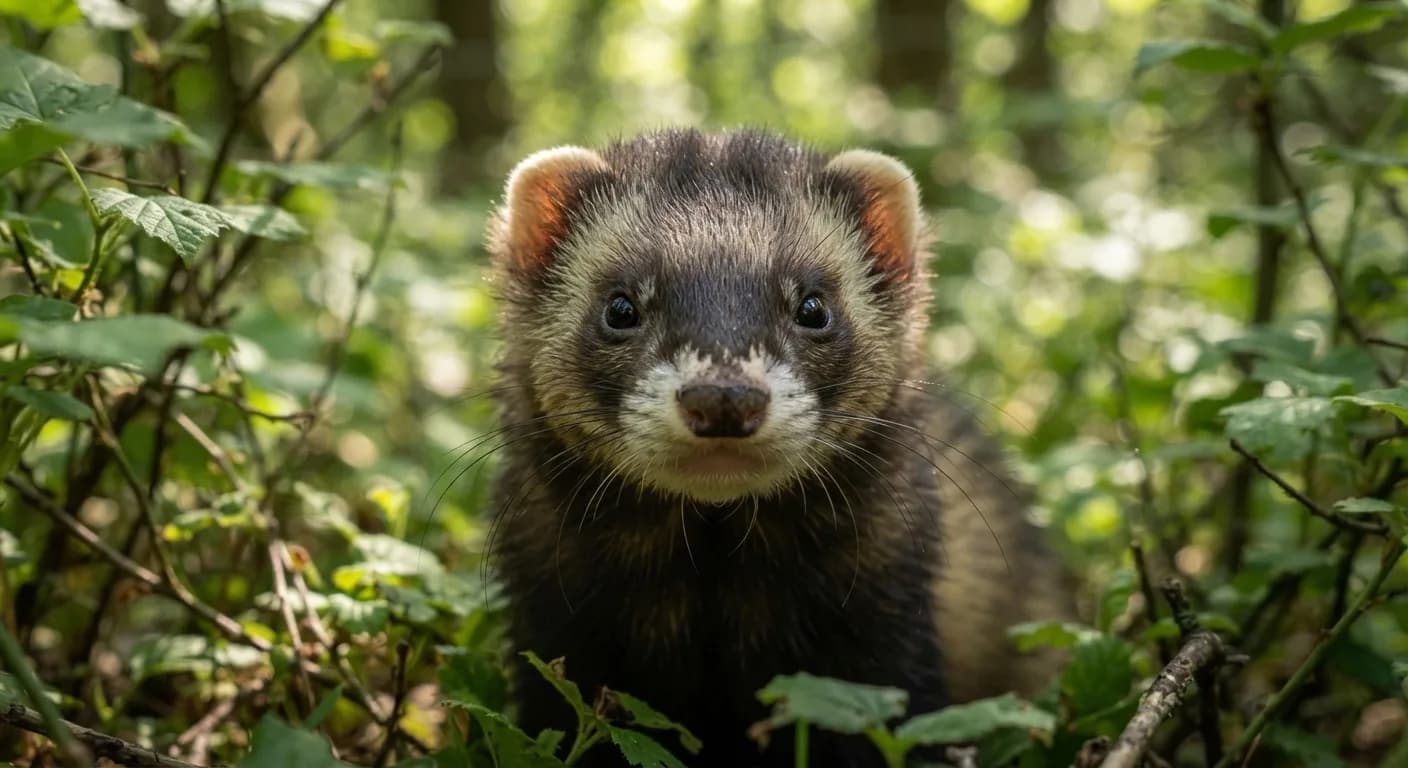
PolecatLeast Concern

Polecat

Mustela putorius

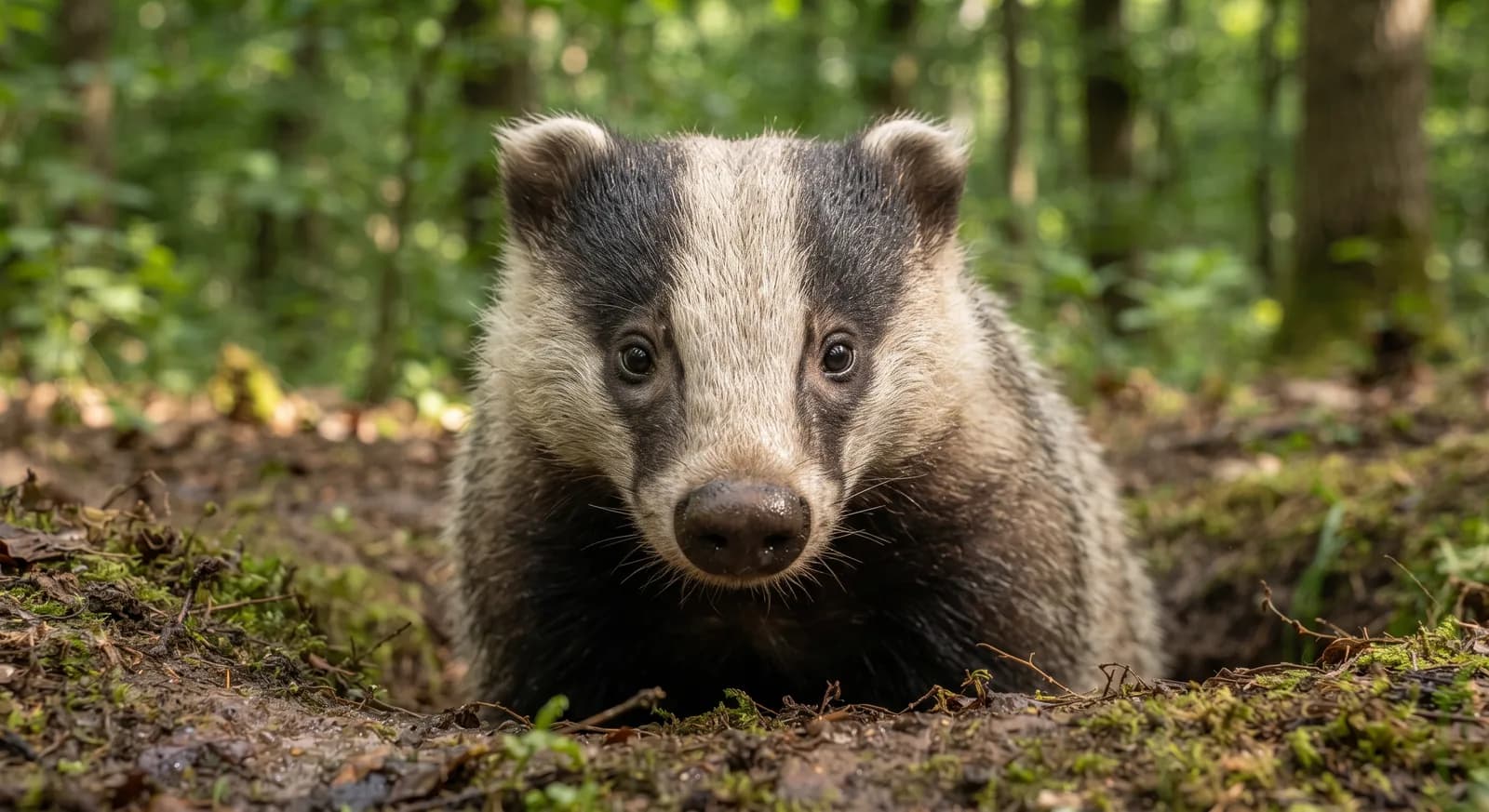
Eurasian BadgerLeast Concern

Eurasian Badger

Meles meles

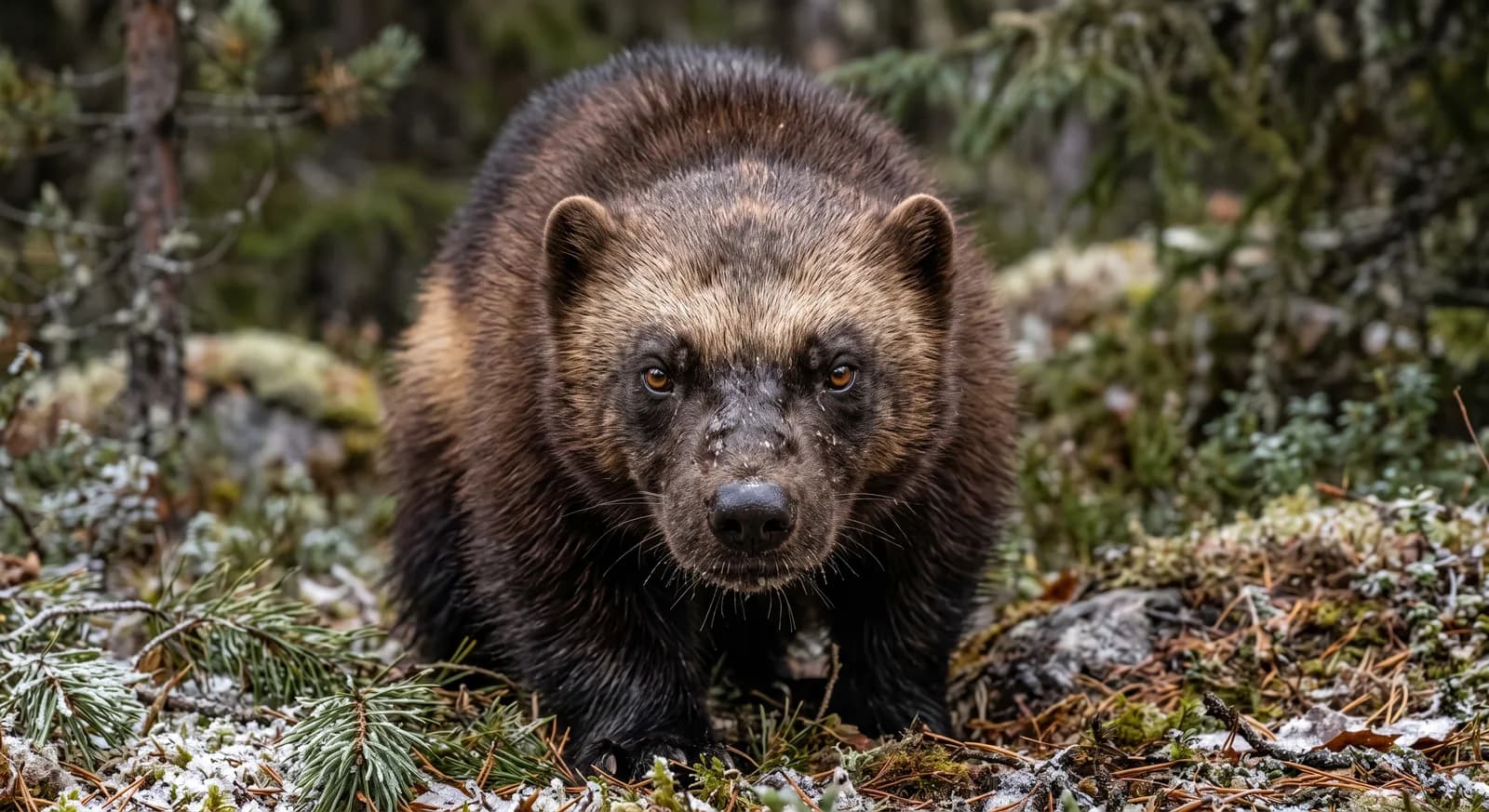
WolverineLeast Concern

Wolverine

Gulo gulo

American MinkLeast Concern

American Mink

Neovison vison

European MinkCritically Endangered

European Mink

Mustela lutreola

CountriesPoland
ParksSarekSweden
TagsOmnivore
Omnivore
Nocturnal
Solitary
Temperate forest
Mammal

Europe40

Asia6

North America2

Poland
Spain
Finland
Norway
Italy
Sweden
Albania
Andorra
Austria
Belarus
Belgium
Bosnia and Herzegovina
Bulgaria
Croatia
Czechia
Denmark
Estonia
Finland
France
Germany
Greece
Hungary
Ireland
Italy
Kosovo
Latvia
Liechtenstein
Lithuania
Luxembourg
Moldova
Montenegro
Netherlands
North Macedonia
Norway
Poland
Portugal
Romania
San Marino
Serbia
Slovakia
Slovenia
Spain
Sweden
Switzerland
Ukraine
United Kingdom
Armenia
Azerbaijan
Georgia
Japan
Russia
Türkiye
Canada
United States