Skip to content
WAnimals
  • Map
  • Species
  • Parks
  • Diving
Log inCreate account
WAnimals

The guide for travellers and animal lovers: discover, plan and share your wild adventures around the world.

Discover wildlife

  • Species
  • Ecosystems
  • Glossary
  • Tags

Explore places

  • Map
  • Countries
  • Parks
  • Diving

Plan experiences

  • Guides

Learn

  • Blog

Resources

  • Help centre
  • Contact
  • Install the app

Follow us

Account

  • Log in
  • Create account

© 2026 WAnimals. All rights reserved.

About usHow we build our profilesTerms of servicePrivacyLegal notice
MapSpeciesParksDiving
  1. Home
  2. Species
  3. American Mink

One of the 2 minks on WAnimals

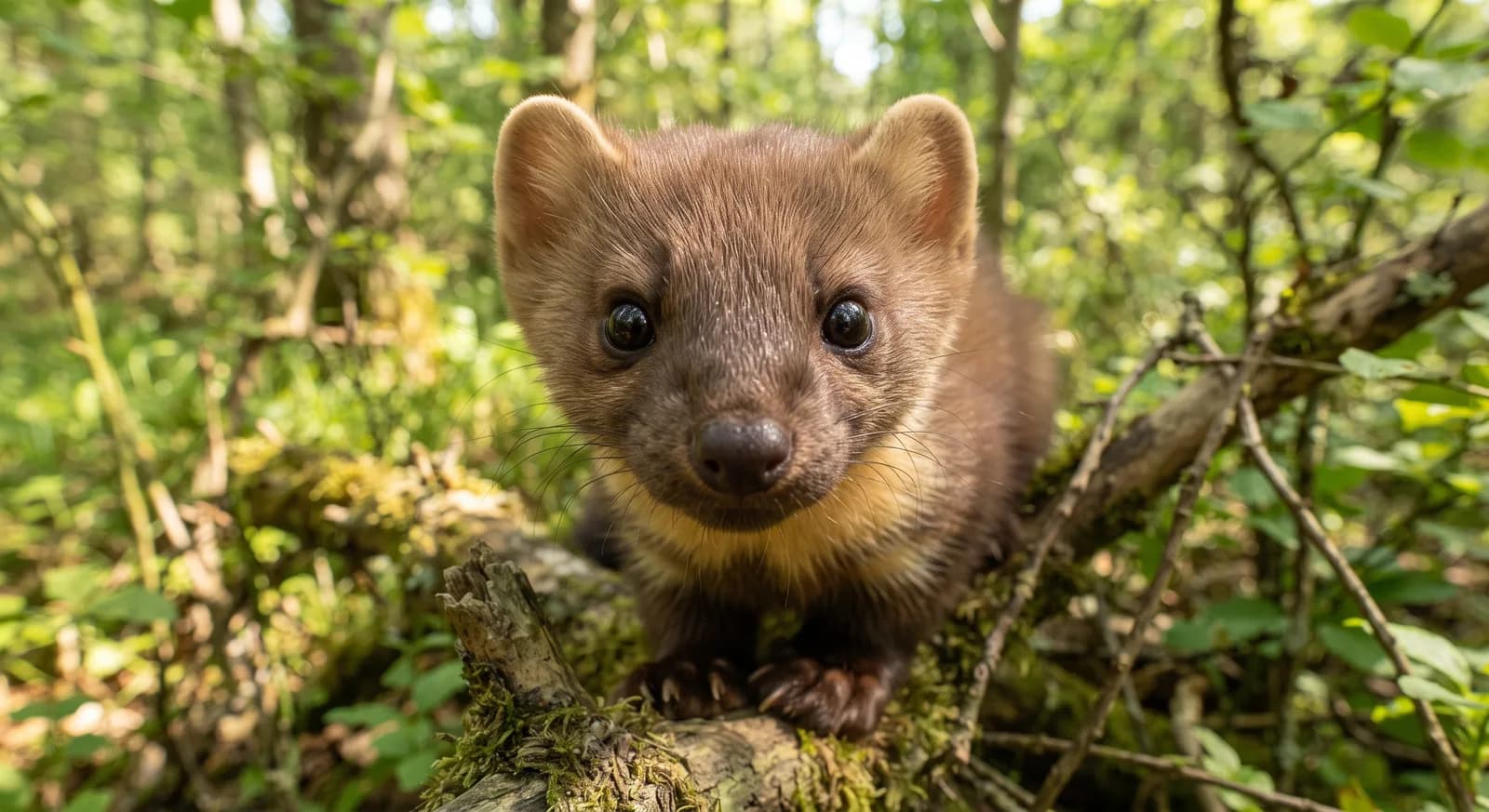
American Mink (Neovison vison)

Mammals · Carnivora · Mustelidae

American Mink

Neovison vison

Least Concern

The species is abundant and widely distributed; it faces no significant short-term risk.

Spotted something wrong?

The American mink is a semi-aquatic mustelid native to North America, farmed for fur since the early 20th century. Escapes and releases from those farms have made it one of the most damaging invasive species in Europe and southern South America. It is larger and more aggressive than the European mink, tolerates human presence better and eats almost anything: fish, waterbirds, rodents, crayfish. In Spain it is a direct threat to the European mink and to waterbird colonies.

Weight

500 g – 1.6 kg

Size

33 cm – 45 cm

Life expectancy

10 years
Diet

Carnivore

Feeds mainly on other animals.

Activity

Nocturnal

Active mainly at night.

Social structure

Solitary

Lives and hunts alone, joining others only to breed.

Sighting difficulty

Easy

Temperate forestFreshwater
12countries36parks28same family

AI-generated images: illustrations, not photographs.

Fun facts

  • It is one of the most problematic invasive species in Europe, and the cause lies in the fur industry: every escape or release from a farm seeds a new wild population.
  • Wherever it arrives, colonies of waterbirds that breed on the ground or on islets collapse, because they never evolved defences against a predator that swims and climbs equally well.

Life cycle and biology

Skeleton type
Vertebrate - internal bony skeleton (mammal)
Habitat and environment
Riverbanks, lakes, marshes and coasts of North America, and of much of Europe and South America where it has been introduced
Sexual maturity
11 months
Gestation / incubation
42 days
Litter / clutch size
4.5 (average)

Sources consulted: https://es.wikipedia.org/wiki/Neogale_vison

Where to find it

Loading map…

The pins mark the parks where its presence is documented.

Where to see it

Parks and dive sites where this species has been documented — showing 10 of 36.

Related species

Other species in the catalogue with the most in common with American Mink — same habitat, park, country, tags or family.

Same taxonomic family

Keep exploring

Based on what we already know about american mink.

Comments

Share an experience, a fun fact or a tip for seeing the american mink.

Be the first to comment.

See full glossary
This page in other languages: Español · Deutsch · Français · Português · Italiano
See its range on the interactive map→
Yellowstone National ParkUnited States
Thingvellir (Þingvellir)Iceland
CairngormsUnited Kingdom
Picos de EuropaSpain
BiałowieżaPoland
EvergladesUnited States
Great Smoky MountainsUnited States
DenaliUnited States
AcadiaUnited States
OlympicUnited States
See all 36 parks
Pine MartenLeast Concern

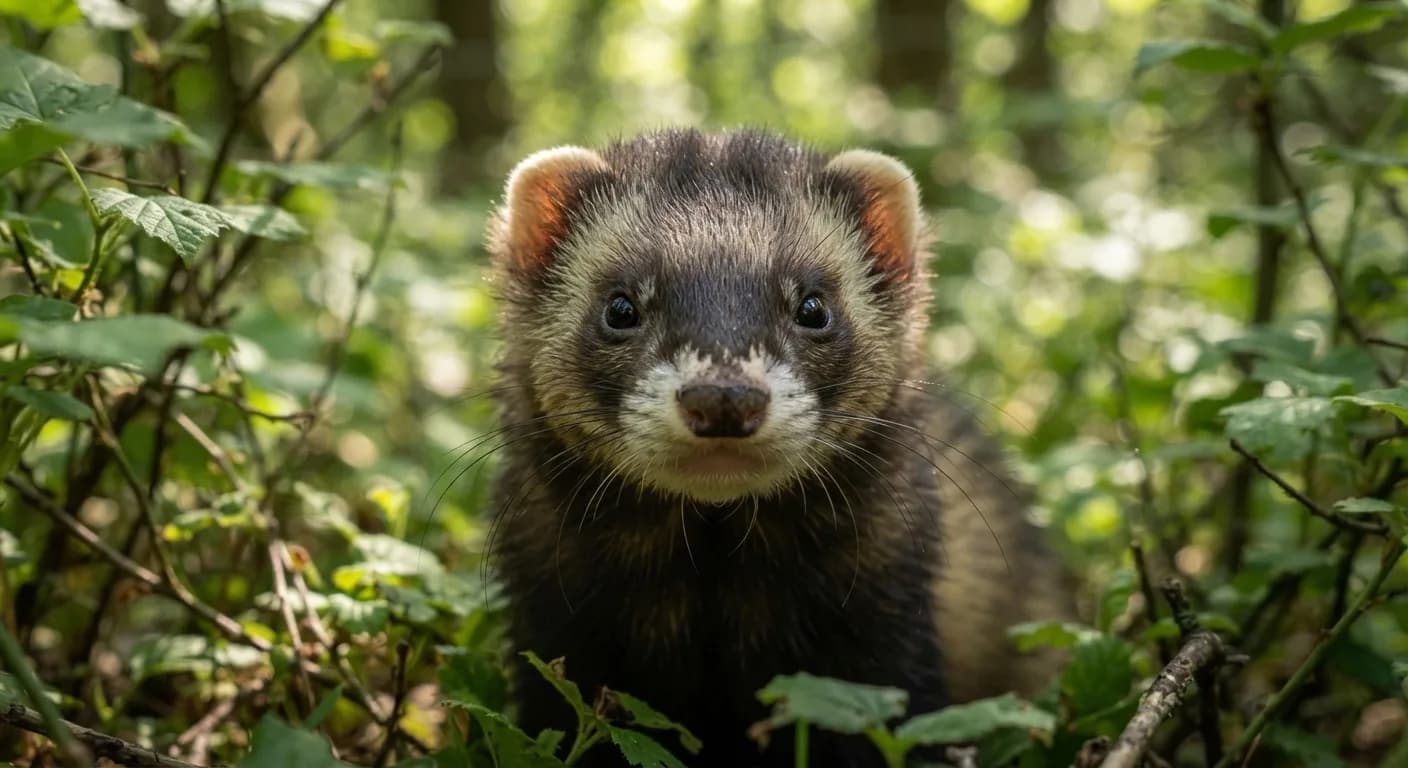
Pine Marten

Martes martes

Least Concern

Beech Marten

Martes foina

PolecatLeast Concern

Polecat

Mustela putorius

North American River OtterLeast Concern

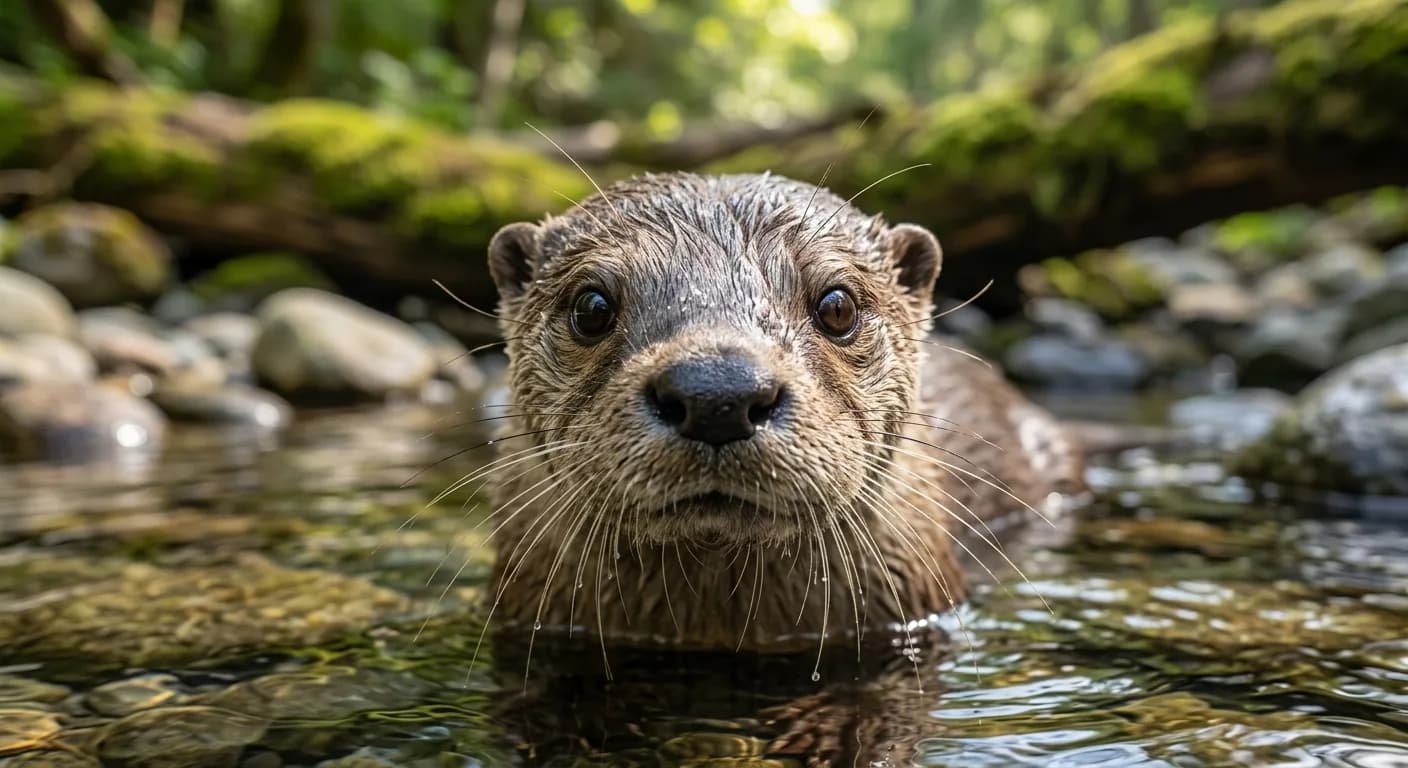
North American River Otter

Lontra canadensis

Least Concern

Least Weasel

Mustela nivalis

WolverineLeast Concern

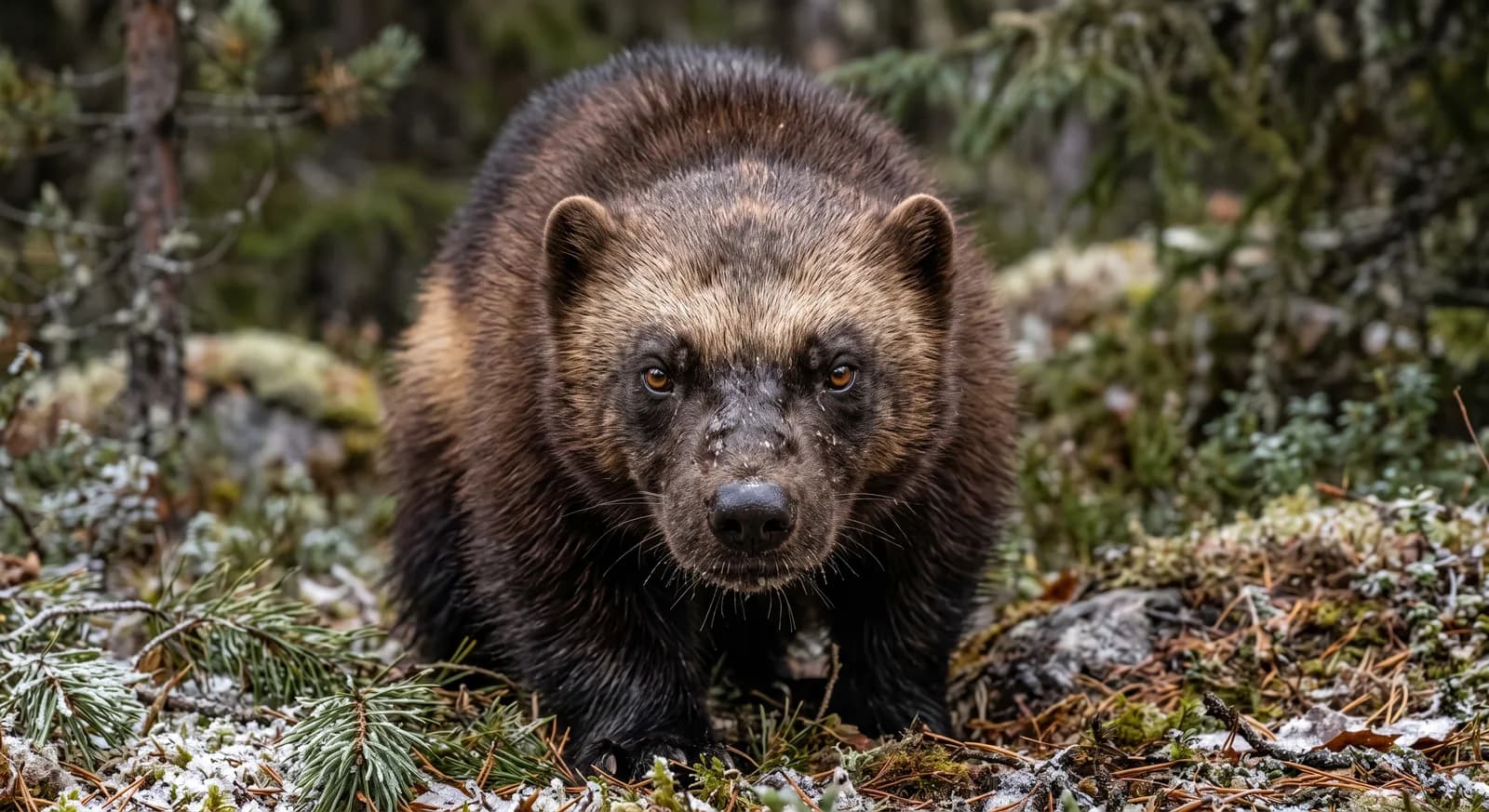
Wolverine

Gulo gulo

CountriesUnited States
ParksYellowstone National ParkUnited States
TagsCarnivore
Carnivore
Nocturnal
Solitary
Temperate forest
Freshwater
Mammal

Europe7

North America2

South America2

Asia1

United States
Canada
Germany
Poland
Spain
United Kingdom
Denmark
France
Germany
Iceland
Poland
Spain
United Kingdom
Canada
United States
Argentina
Chile
Russia