Skip to content
WAnimals
  • Map
  • Species
  • Parks
  • Diving
Log inCreate account
WAnimals

The guide for travellers and animal lovers: discover, plan and share your wild adventures around the world.

Discover wildlife

  • Species
  • Ecosystems
  • Glossary
  • Tags

Explore places

  • Map
  • Countries
  • Parks
  • Diving

Plan experiences

  • Guides

Learn

  • Blog

Resources

  • Help centre
  • Contact
  • Install the app

Follow us

Account

  • Log in
  • Create account

© 2026 WAnimals. All rights reserved.

About usHow we build our profilesTerms of servicePrivacyLegal notice
MapSpeciesParksDiving
  1. Home
  2. Parks
  3. Poland
  4. Białowieża
National Park (transboundary forest)UNESCO World HeritageBiosphere ReserveInternational conservation network

Białowieża

Eastern and Baltic EuropeDesignated in 19321,500 km²
Spotted something wrong?

The last great primeval lowland forest in Europe; the first European natural site on the UNESCO list (1979)

Area

1,500 km²

Protection category

IUCN Ia/II

Reserva natural estricta · Parque nacional —

Designated in

1932

Highlight

Glacial plain, peat bogs and wet hollows

With royal protection going back to the 15th century, when the grand dukes of Lithuania and kings of Poland kept it as a hunting preserve, Białowieża is the largest surviving fragment of the primeval forest that once covered the whole European plain. The first attempt at formal protection dates from 1921; the present national park was declared in 1932. It was the first natural site in Europe placed on the UNESCO World Heritage list, in 1979. After the First World War the European bison died out here in the wild — the last animal was shot by a poacher in 1919 — but a captive breeding programme begun in 1929 with animals from European zoos allowed it to be reintroduced, and today Białowieża holds the largest population of the species in the world, with over 800 animals across the whole Polish-Belarusian forest.

Location

Loading map…

Białowieża: 237 documented species

Mammals37Birds112Reptiles7Amphibians

Flora and ecosystems

Ecosystems found in Poland, where Białowieża lies.

Temperate forestTundra / polarWetland

Experiences in this park

Birdwatching

Similar parks

Which other parks are like this one?

Same country: Poland

Same country: Poland

Same country: Poland

Same country: Poland

Keep exploring

Based on what we already know about this park.

Comments

Share your experience visiting Białowieża, or a tip for other travellers.

Be the first to comment.

Region

Eastern and Baltic Europe

Climate

Temperate, Mountain

Plan your visit

Area
1,500 km²
See location
8
Fish12
Insecta52
Arachnida5
Malacostraca2
Clitellata1
Diplopoda1

Threatened:,,,

Poland · Eastern and Baltic Europe
what the IUCN categories mean
See on the interactive map→
National Park

Biebrzański

Poland

Aquatic Warbler · Moose

See park
National Park

Kampinoski

Poland

Moose · Beaver

See park
UNESCO
National Park

Bieszczady

Poland

Grey wolf · brown bear

See park
National Park

Babiogórski

Poland

Western Capercaillie · Carpathian Red Deer

See park
CountryPoland
This page in other languages: Español · Deutsch · Français · Português · Italiano
More places in Poland
Giant Noctule
Common Pochard
Noble Crayfish
Southern Water Vole
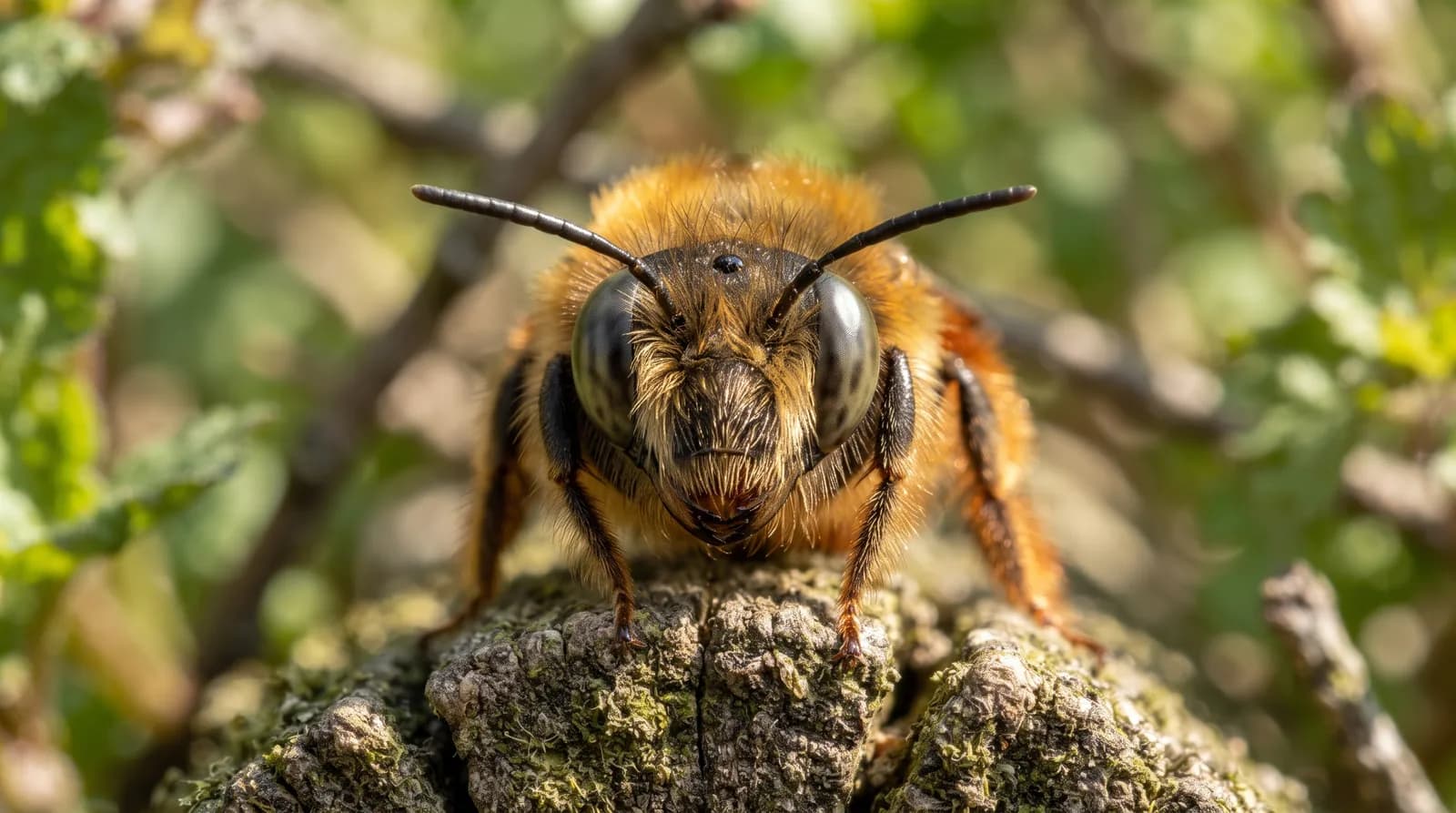
Red Mason BeeLeast Concern

Red Mason Bee

Osmia bicornis

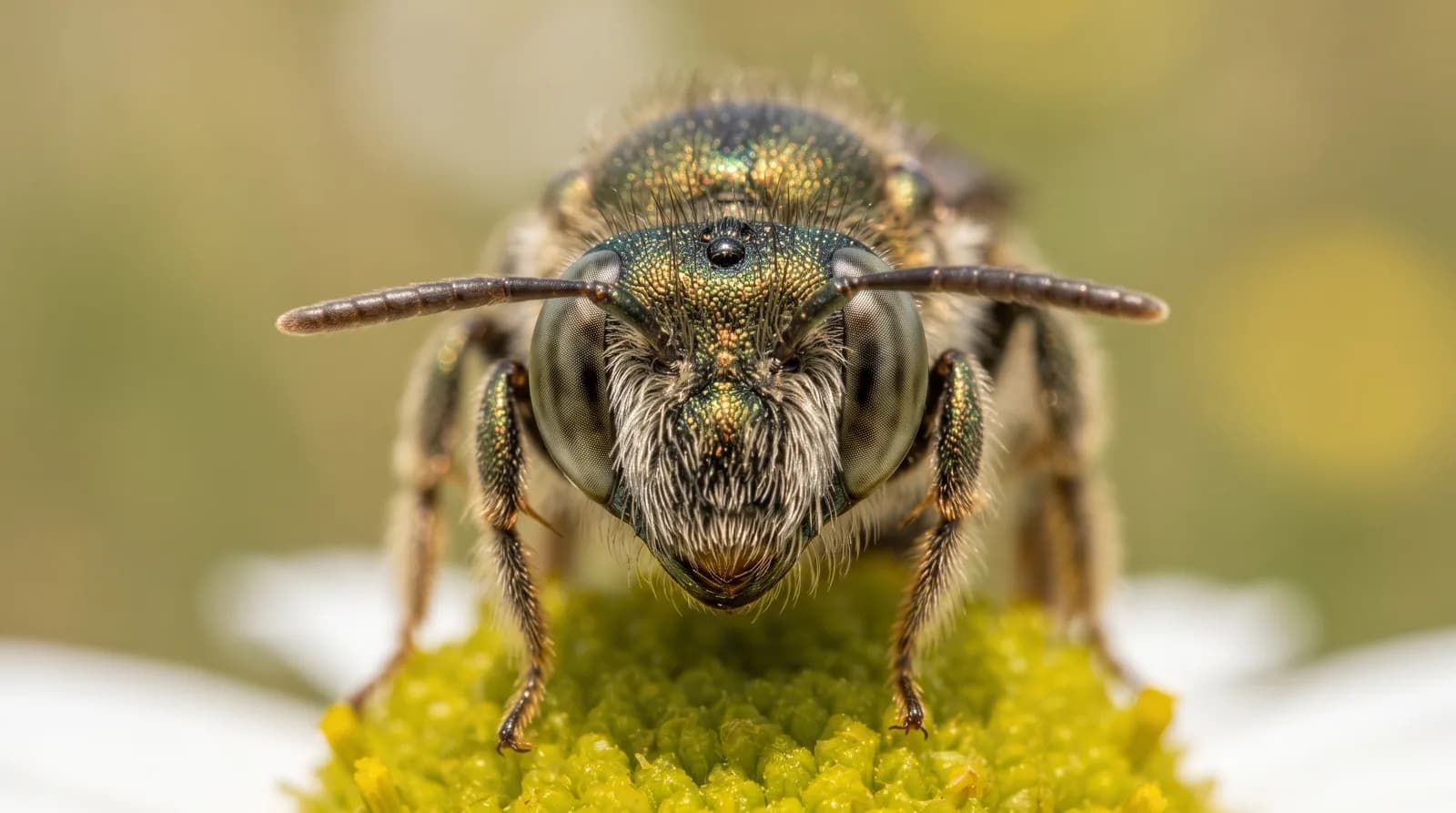
Sharp-collared Furrow BeeNot Evaluated

Sharp-collared Furrow Bee

Lasioglossum malachurum

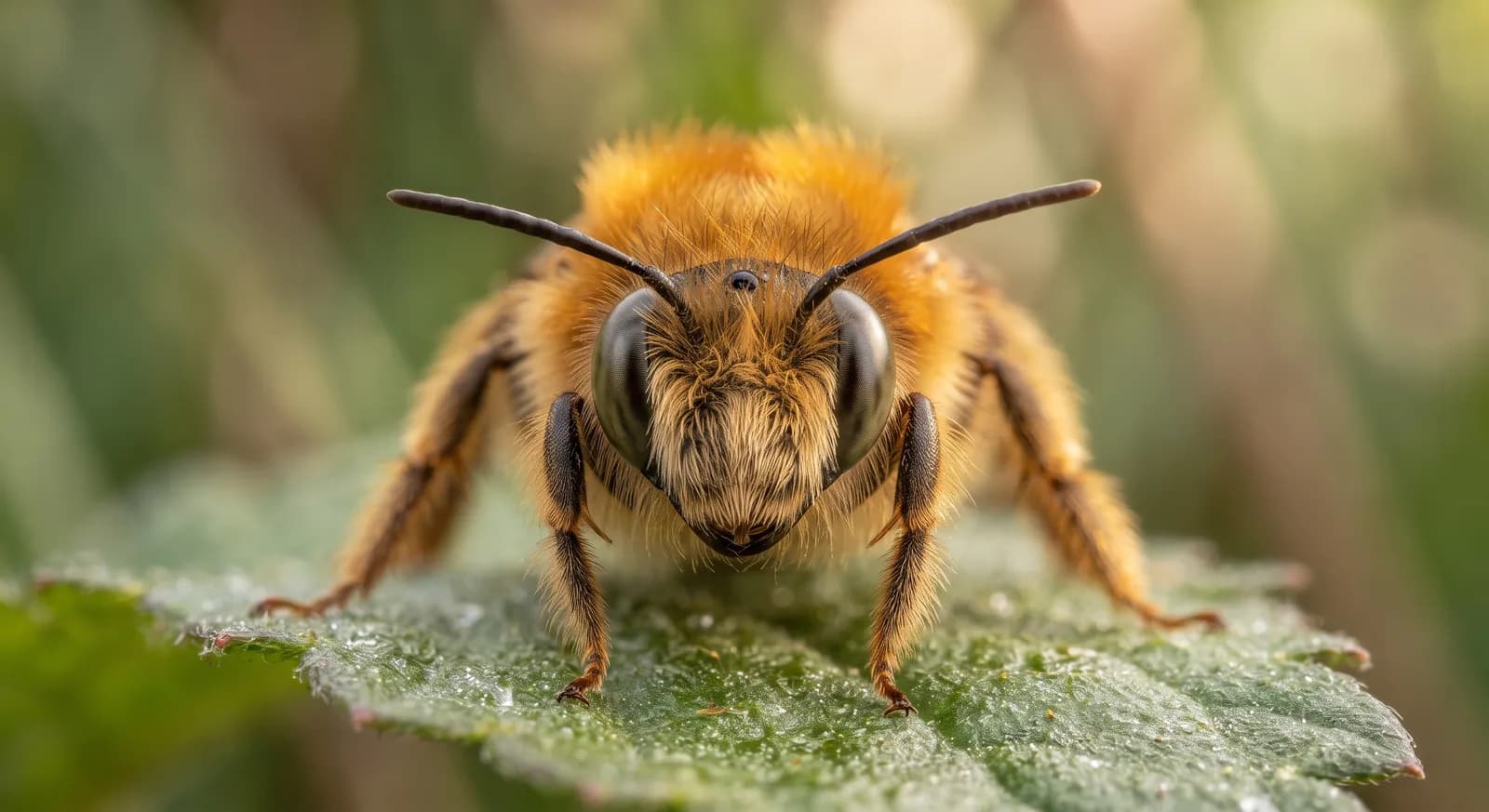
Tawny Mining BeeNot Evaluated

Tawny Mining Bee

Andrena fulva

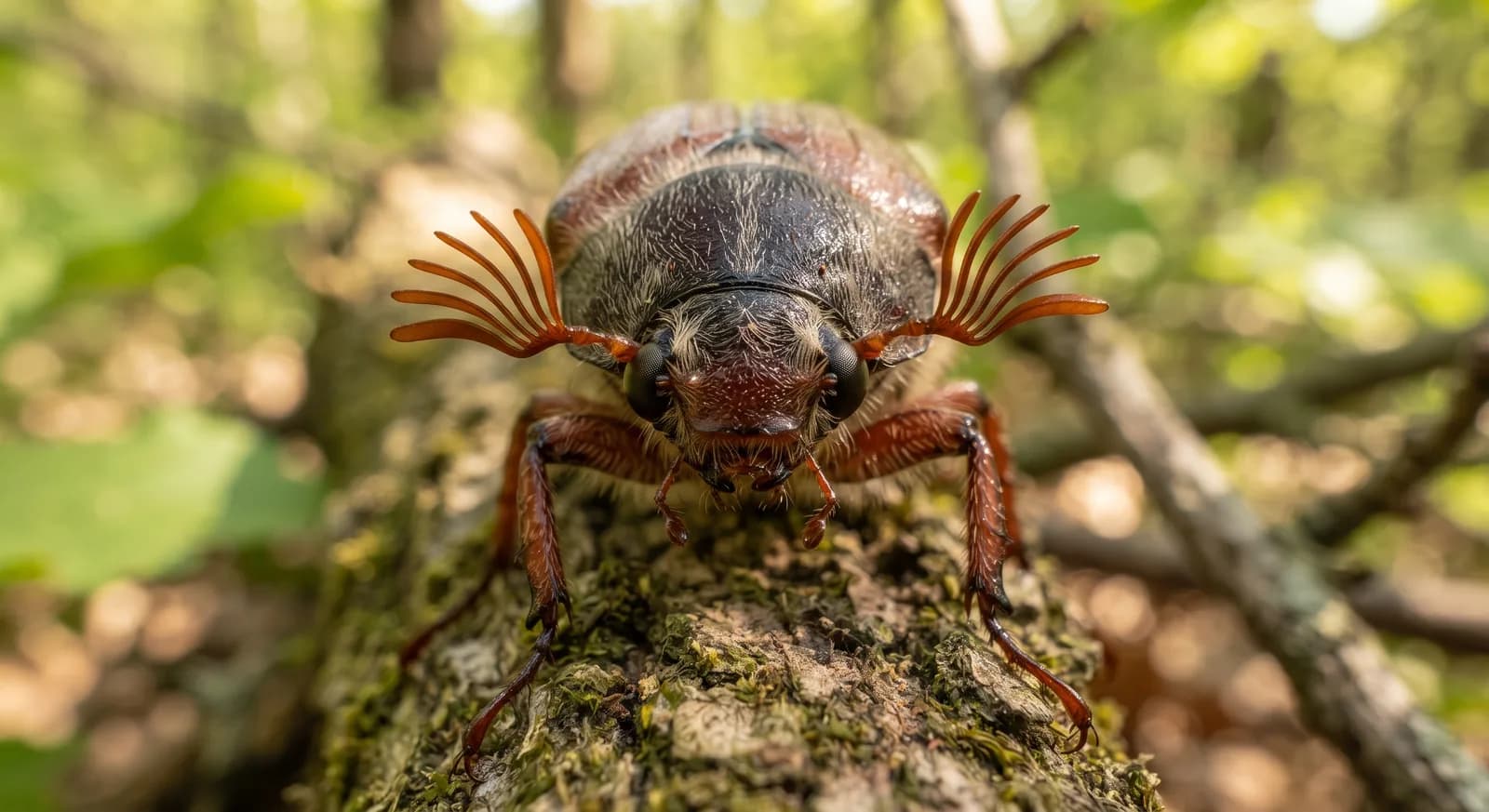
Common CockchaferNot Evaluated

Common Cockchafer

Melolontha melolontha

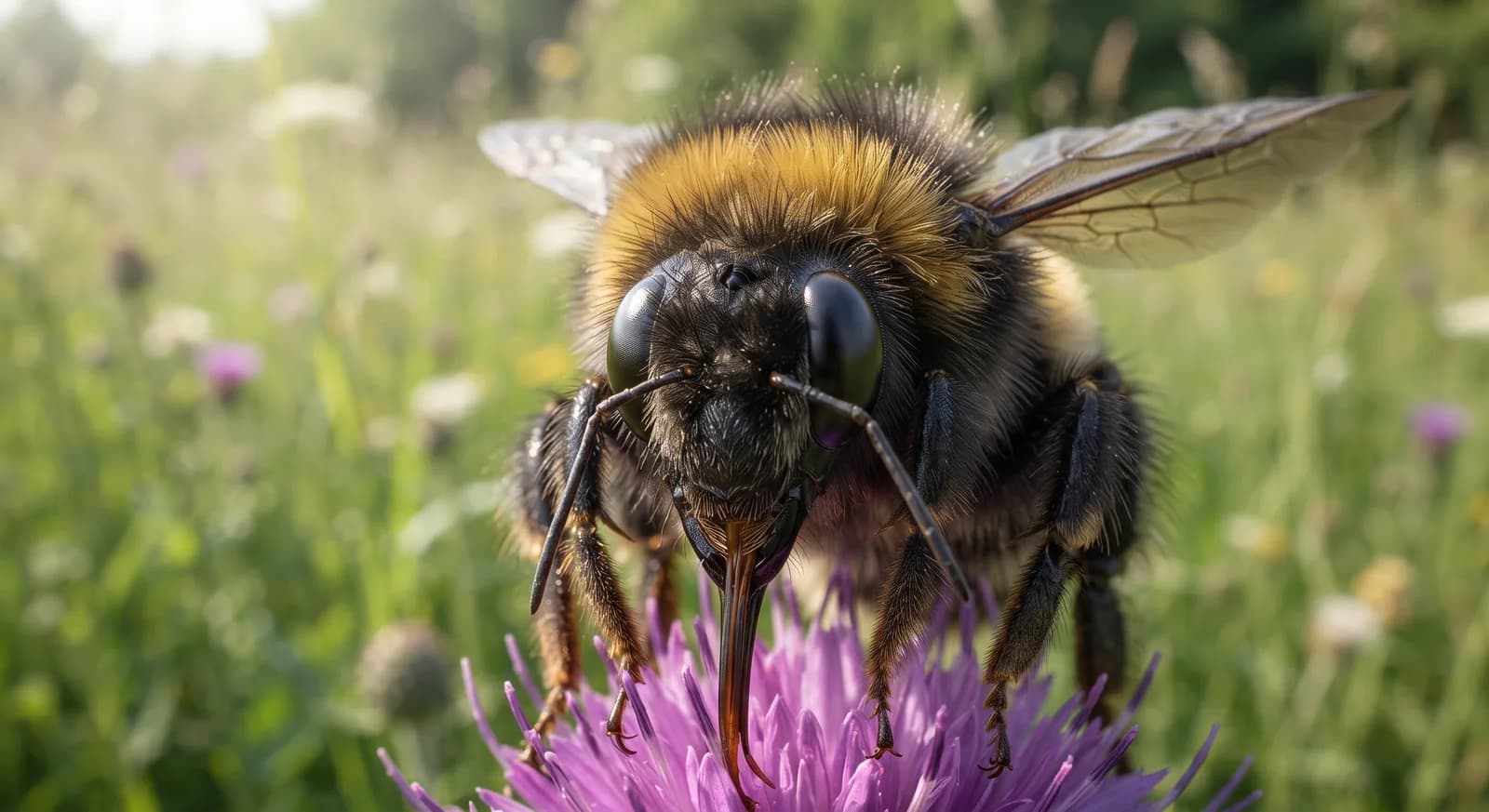
Buff-tailed BumblebeeNot Evaluated

Buff-tailed Bumblebee

Bombus terrestris

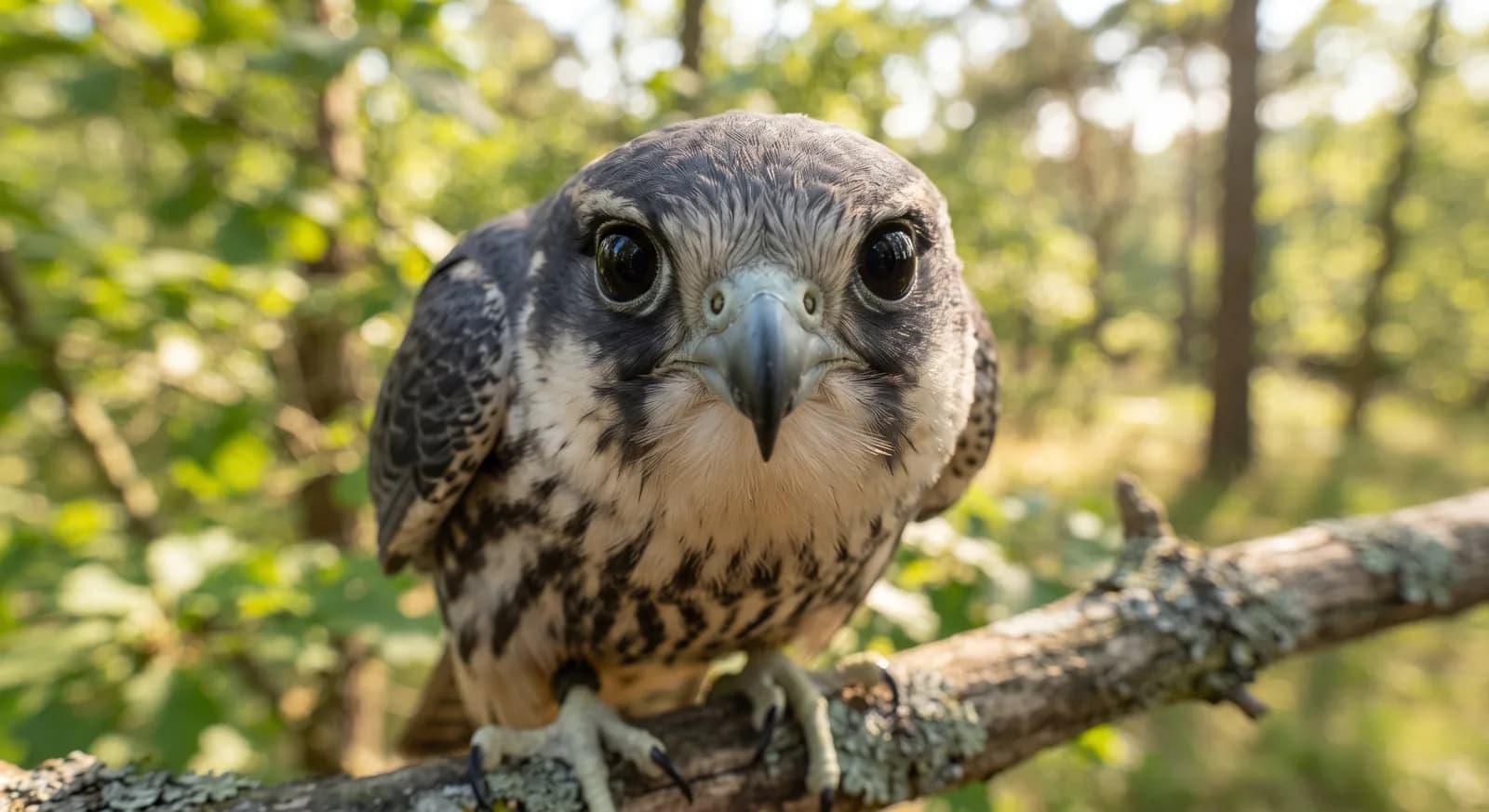
Booted EagleLeast Concern

Booted Eagle

Hieraaetus pennatus

Lesser Spotted EagleLeast Concern

Lesser Spotted Eagle

Clanga pomarina

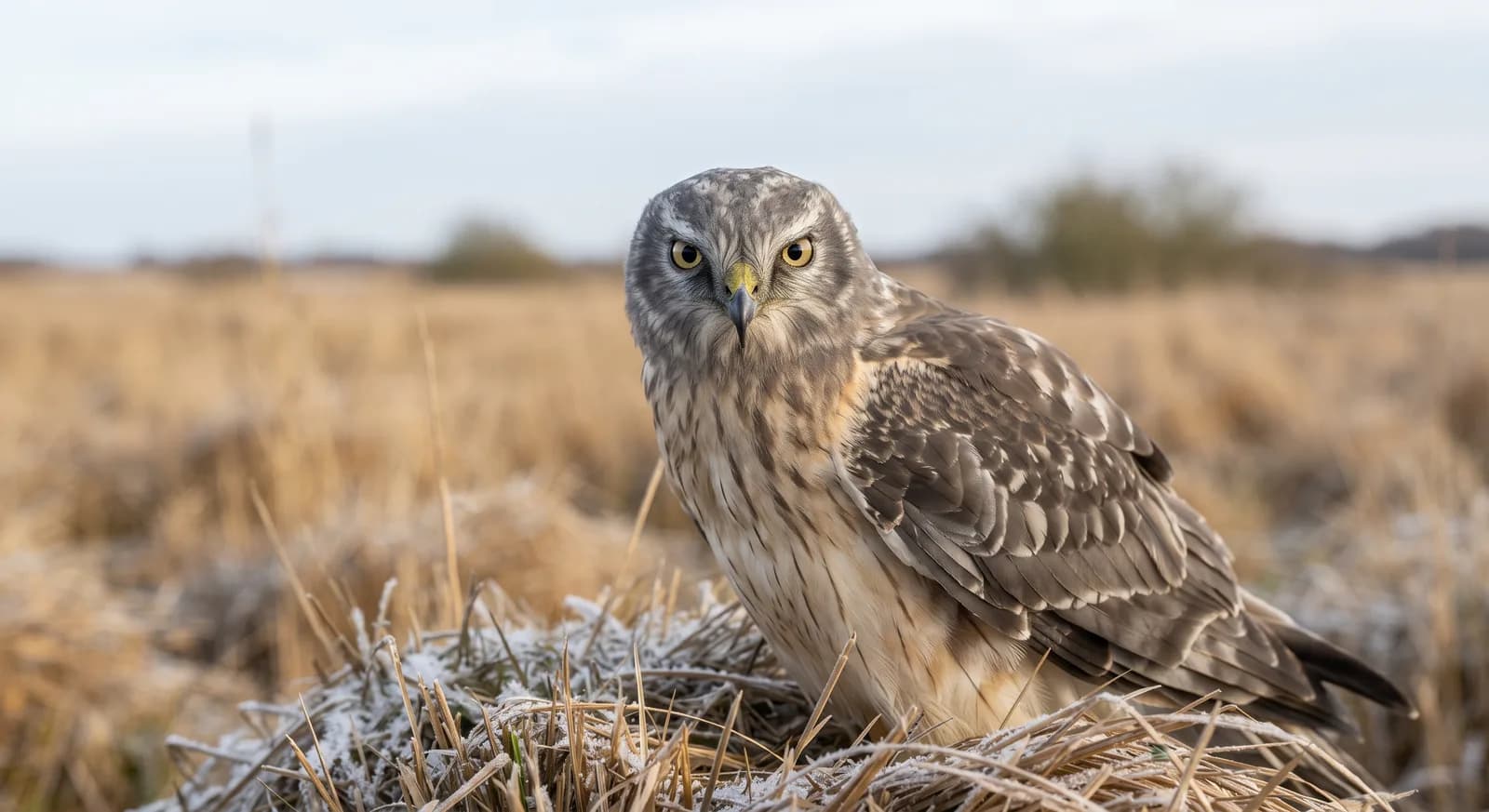
Hen HarrierLeast Concern

Hen Harrier

Circus cyaneus

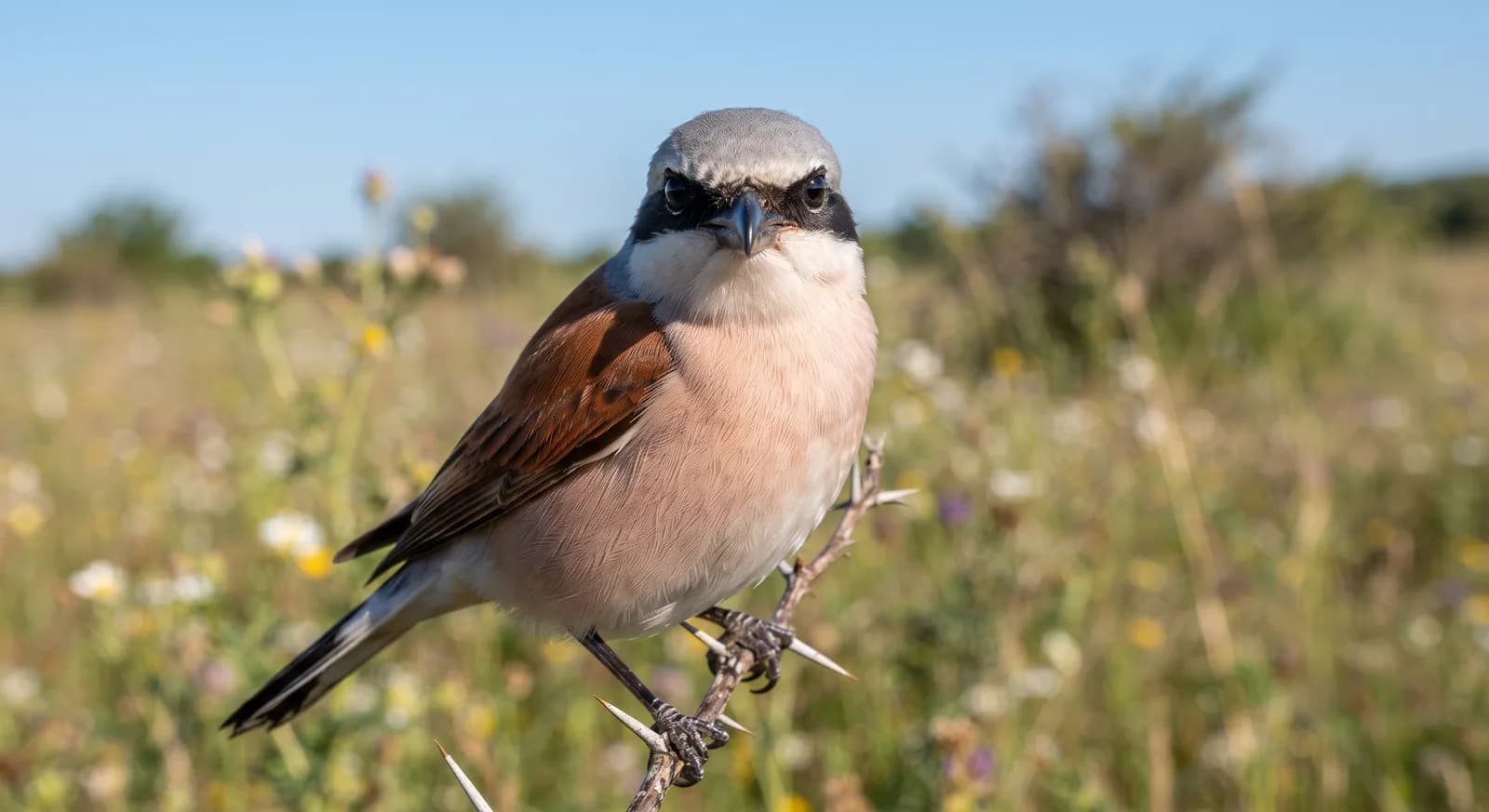
Red-backed ShrikeLeast Concern

Red-backed Shrike

Lanius collurio

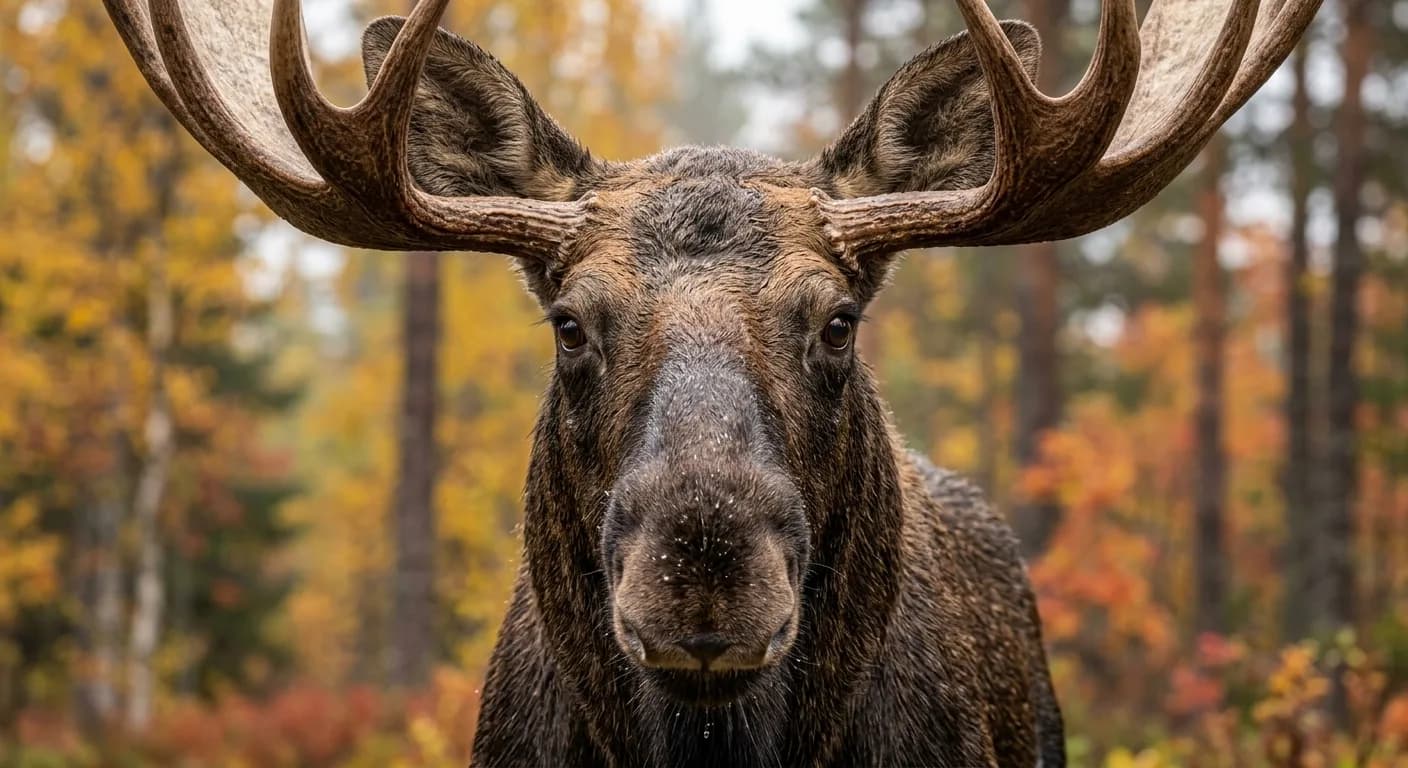
MooseLeast Concern

Moose

Alces alces

Eurasian HobbyLeast Concern

Eurasian Hobby

Falco subbuteo

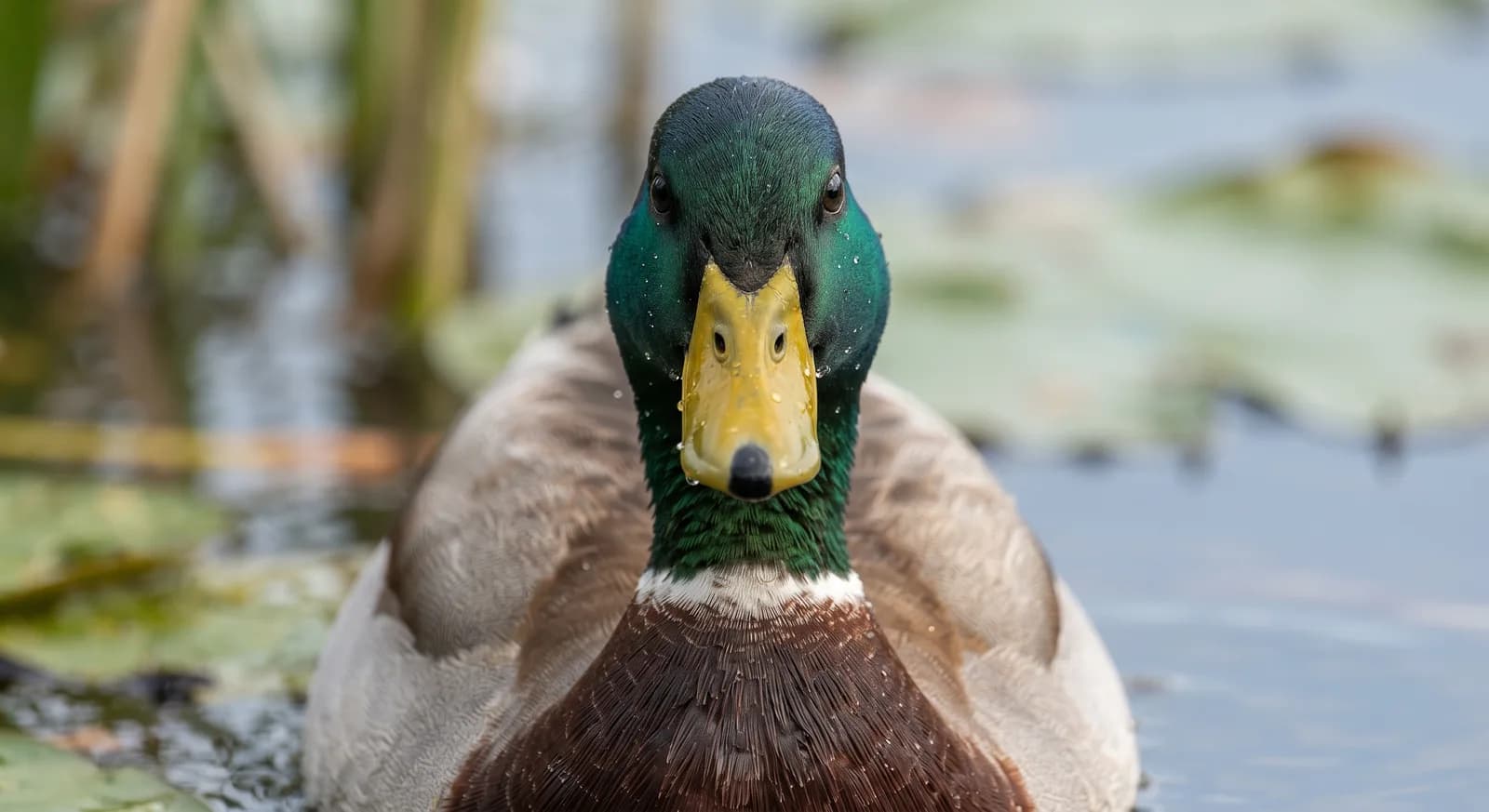
MallardLeast Concern

Mallard

Anas platyrhynchos

See all 237 species found here
World Heritage
Biosphere Reserve