Skip to content
WAnimals
  • Map
  • Species
  • Parks
  • Diving
Log inCreate account
WAnimals

The guide for travellers and animal lovers: discover, plan and share your wild adventures around the world.

Discover wildlife

  • Species
  • Ecosystems
  • Glossary
  • Tags

Explore places

  • Map
  • Countries
  • Parks
  • Diving

Plan experiences

  • Guides

Learn

  • Blog

Resources

  • Help centre
  • Contact
  • Install the app

Follow us

Account

  • Log in
  • Create account

© 2026 WAnimals. All rights reserved.

About usHow we build our profilesTerms of servicePrivacyLegal notice
MapSpeciesParksDiving
  1. Home
  2. Species
  3. Red Mason Bee

One of the 9 bees on WAnimals

Red Mason Bee (Osmia bicornis)

Insects · Hymenoptera · Megachilidae

Red Mason Bee

Osmia bicornis

Least Concern

The species is abundant and widely distributed; it faces no significant short-term risk.

Spotted something wrong?

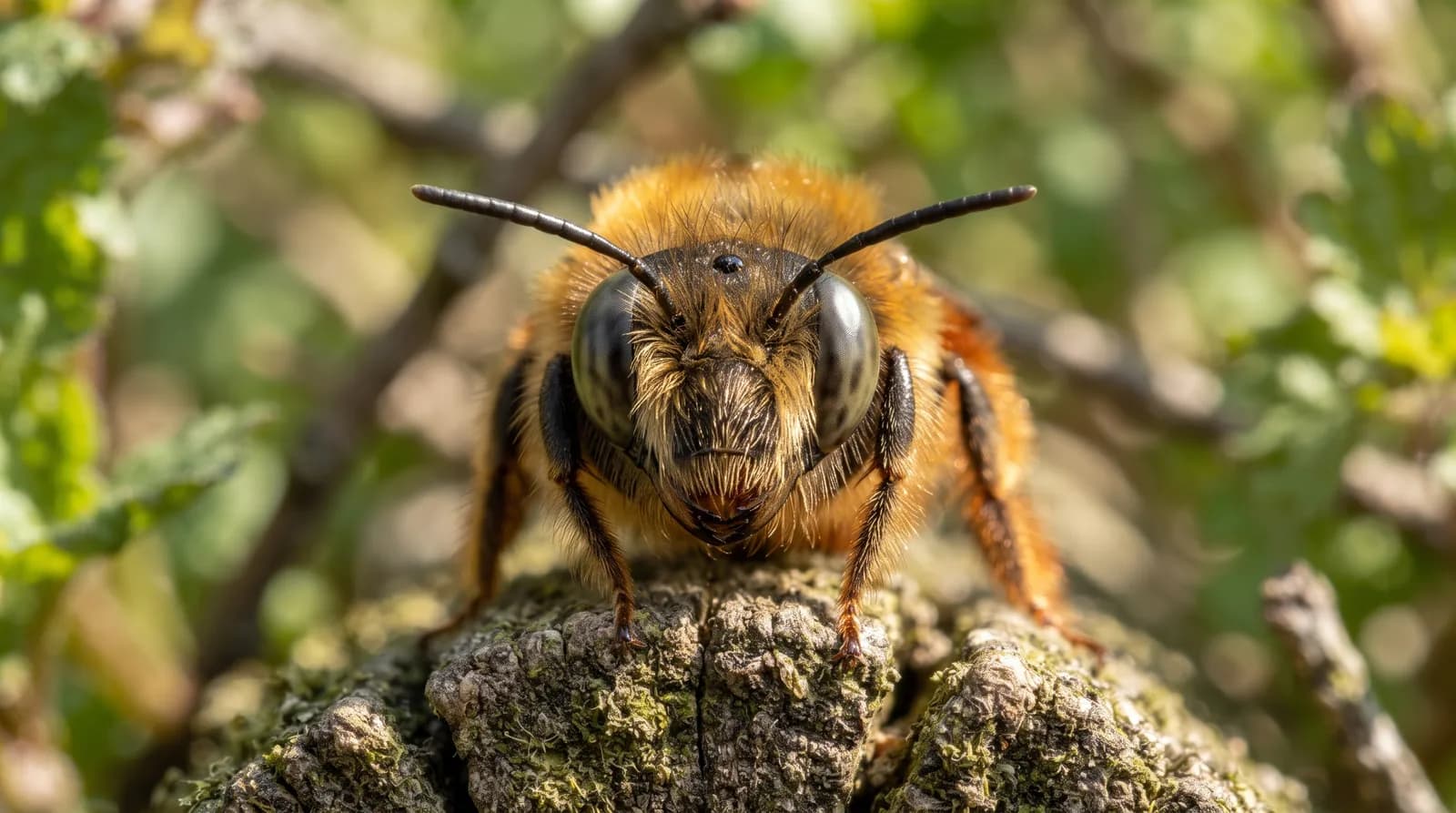
A robust solitary bee covered in dense reddish or orange-brown hair. The female is larger than the male and has two small horns on her face, which is where the name bicornis comes from, and which she uses as a tool for moulding mud. She carries pollen in the scopa, set under the abdomen rather than on the legs.

Size

1 cm – 1.2 cm

Diet

Herbivore

Feeds mainly on plants.

Activity

Diurnal

Active mainly during the day.
Social structure

Solitary

Lives and hunts alone, joining others only to breed.

Sighting difficulty

Easy

Grassland
45countries136parks1same family

AI-generated images: illustrations, not photographs.

Fun facts

  • GeneralSolitary and with no effective sting; it pollinates fruit trees better than the honeybee and nests in holes and hollow stems.
  • comportamientoIt builds solitary nests, sealing cells with mud inside crevices or hollow stems, and forms no social colony as honeybees do.
  • It does not dig its own tunnels: it makes use of existing holes in stems, old wood, soft mortar, the tubes of insect hotels and even door locks.
  • The females mate only once and can decide the sex ratio of their offspring according to their own body size: the larger ones invest more in female eggs.
  • It is a commercial pollinator of fruit trees, especially apples, alongside O. cornuta and O. lignaria. A single failure has serious consequences: if a female dies before finishing her nest, nobody finishes it for her.
  • It is the solitary bee most widely used as a managed pollinator in Europe, and the main occupant of so-called insect hotels.
  • It pollinates fruit trees far better than the honeybee: it carries pollen dry on the underside of its abdomen, not packed into pollen baskets, so it falls off easily and ends up on more flowers. It is estimated that a few hundred females can pollinate a hectare of apple trees.
  • The female builds a row of cells inside the tube, each with a ball of pollen, an egg and a mud partition, and seals the entrance with a final plug.
  • And she controls the sex of her brood: she places the female cells at the back and the male cells near the entrance, so that if a predator attacks the tube it takes the males first, as they are more expendable.
  • It is completely harmless: it almost never stings and its sting barely pierces the skin.
  • It flies at lower temperatures than the honeybee, which makes it valuable for early-flowering fruit trees.

Life cycle and biology

Skeleton type
Invertebrate - chitin exoskeleton (insect)
Habitat and environment
Hedges, orchards, gardens and woodland edges
Litter / clutch size
One egg per cell. The female fills each chamber of a pre-existing cavity with pollen and nectar, lays an egg and seals it with a mud partition, repeating the process until the hole is full. The final partition is thicker than the previous ones

Sources consulted: IUCN Red List (Lhomme 2014, e.T19198431A21154926); Natural History Museum (Londres); Sedivy et al. 2012, Biological Journal of the Linnean Society 108; Zurbuchen et al. 2010, Journal of Animal Ecology 79; Michener 2007, The Bees of the World; Proyecto Osmia (ADV Ecològica)

Where to find it

Best time: From spring to early summer, coinciding with the flowering of the fruit trees

Loading map…

Where to see it

Parks and dive sites where this species has been documented — showing 10 of 136.

Related species

Other species in the catalogue with the most in common with Red Mason Bee — same habitat, park, country, tags or family.

Shares a park
Shares a park
Shares a park
Shares a park
Shares a park
Shares a park

Keep exploring

Based on what we already know about red mason bee.

Comments

Share an experience, a fun fact or a tip for seeing the red mason bee.

Be the first to comment.

See full glossary
This page in other languages: Español · Deutsch · Français · Português · Italiano

The pins mark the parks where its presence is documented.

See its range on the interactive map→
Lake DistrictUnited Kingdom
CairngormsUnited Kingdom
Snowdonia (Eryri)United Kingdom
KillarneyIreland
Picos de EuropaSpain
Ordesa y Monte PerdidoSpain
Aiguestortes i Estany de Sant MauriciSpain
Peneda-GeresPortugal
Abruzzo, Lazio and MoliseItaly
Alta MurgiaItaly
See all 136 parks
PeacockLeast Concern

Peacock

Aglais io

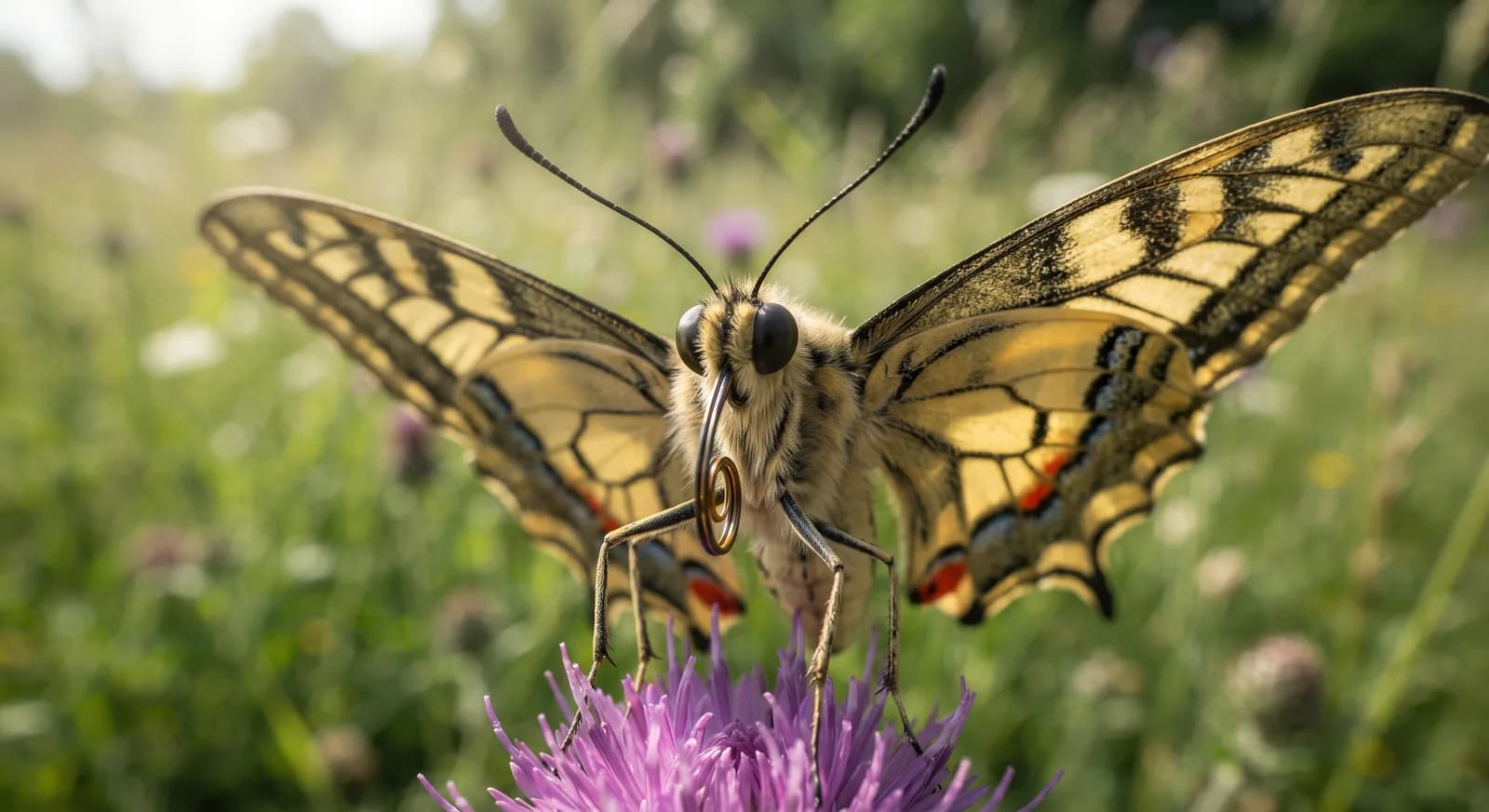
SwallowtailLeast Concern

Swallowtail

Papilio machaon

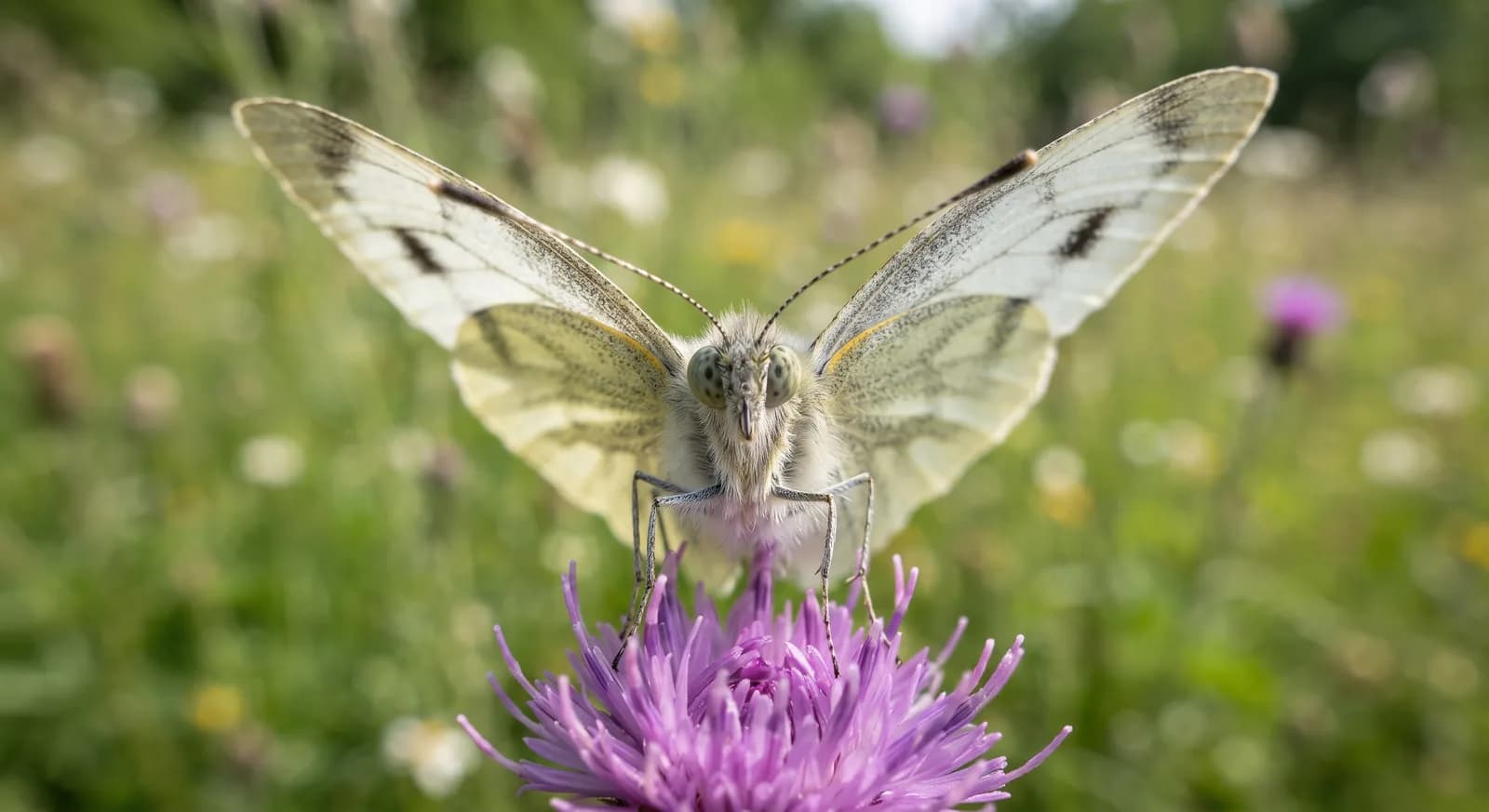
Large WhiteLeast Concern

Large White

Pieris brassicae

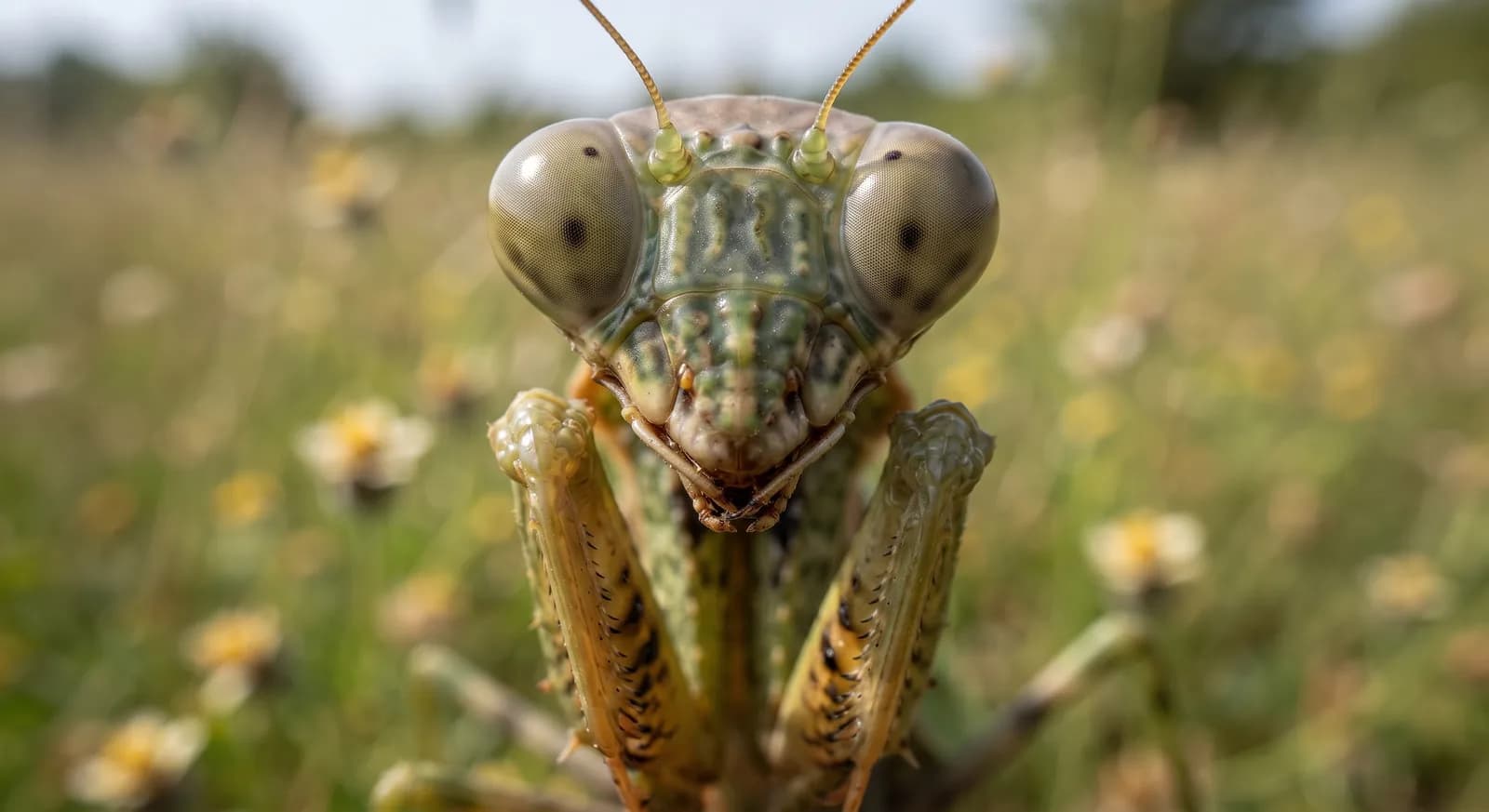
Praying MantisLeast Concern

Praying Mantis

Mantis religiosa

Least Concern

Conehead Mantis

Empusa pennata

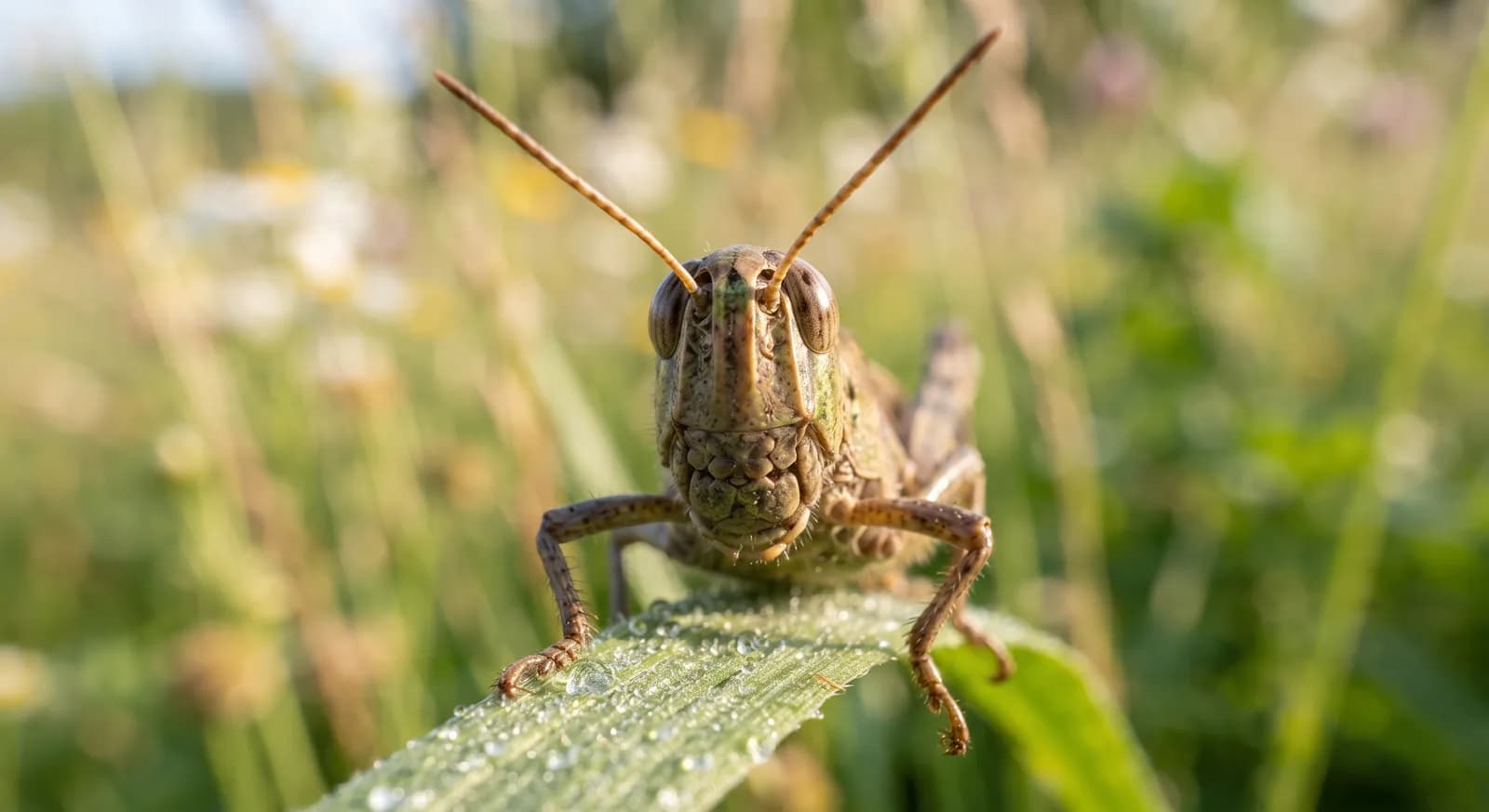
Field GrasshopperLeast Concern

Field Grasshopper

Chorthippus brunneus

CountriesSpain
ParksLake DistrictUnited Kingdom
TagsHerbivore
Herbivore
Diurnal
Solitary
Insect
Grassland

Europe40

Asia5

Spain
Italy
United Kingdom
Poland
Germany
Greece
Albania
Andorra
Austria
Belarus
Belgium
Bosnia and Herzegovina
Bulgaria
Croatia
Czechia
Denmark
Estonia
Finland
France
Germany
Greece
Hungary
Ireland
Italy
Kosovo
Latvia
Liechtenstein
Lithuania
Luxembourg
Moldova
Montenegro
Netherlands
North Macedonia
Norway
Poland
Portugal
Romania
San Marino
Serbia
Slovakia
Slovenia
Spain
Sweden
Switzerland
Ukraine
United Kingdom
Armenia
Azerbaijan
Georgia
Russia
Türkiye