Skip to content
WAnimals
  • Map
  • Species
  • Parks
  • Diving
Log inCreate account
WAnimals

The guide for travellers and animal lovers: discover, plan and share your wild adventures around the world.

Discover wildlife

  • Species
  • Ecosystems
  • Glossary
  • Tags

Explore places

  • Map
  • Countries
  • Parks
  • Diving

Plan experiences

  • Guides

Learn

  • Blog

Resources

  • Help centre
  • Contact
  • Install the app

Follow us

Account

  • Log in
  • Create account

© 2026 WAnimals. All rights reserved.

About usHow we build our profilesTerms of servicePrivacyLegal notice
MapSpeciesParksDiving
  1. Home
  2. Species
  3. Praying Mantis

One of the 4 mantises on WAnimals
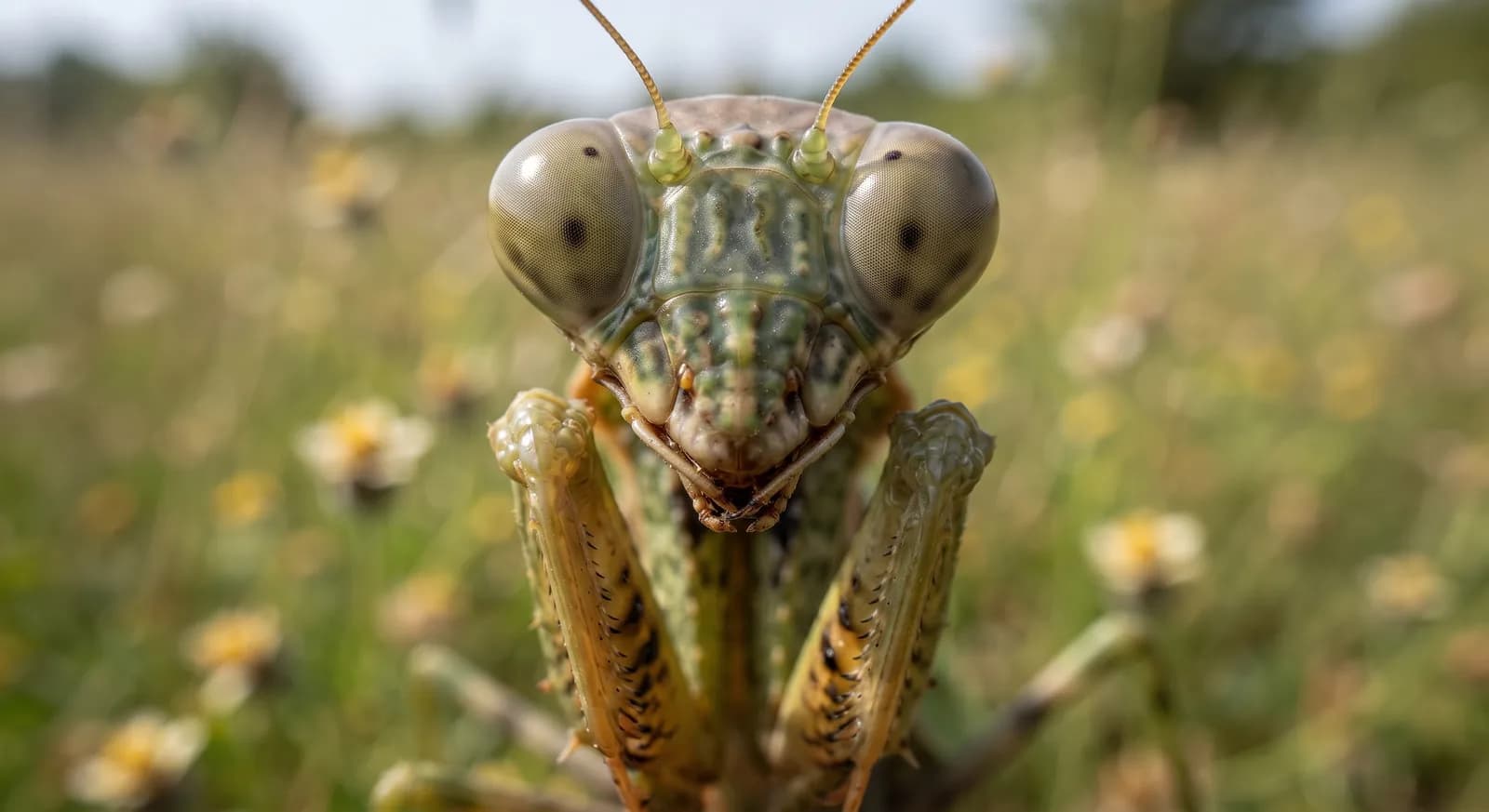
Praying Mantis (Mantis religiosa)

Insects · Mantodea · Mantidae

Praying Mantis

Mantis religiosa

Least Concern

The species is abundant and widely distributed; it faces no significant short-term risk.

Spotted something wrong?

It is famous for sexual cannibalism: during or after mating the female occasionally eats the male, a behaviour extensively documented in the field and the laboratory.

Size

6 cm – 9 cm

Life expectancy

1 year

Diet

Carnivore

Feeds mainly on other animals.
Activity

Diurnal

Active mainly during the day.

Social structure

Solitary

Lives and hunts alone, joining others only to breed.

Sighting difficulty

Easy

Grassland
51countries44parks

AI-generated images: illustrations, not photographs.

Fun facts

  • Its eggs are laid inside a protective ootheca of hardened foam, tough enough to withstand extreme weather right through the winter.
  • It stalks other insects such as grasshoppers, aphids and small arthropods.
  • It lives in grassland, gardens and open country of Europe, North Africa and western Asia.
  • reproducciónFemales may decapitate and eat the male during mating, and the headless body can carry on, driven by nerve ganglia independent of the brain.
  • It has a single ear, and it sits in the centre of its chest. It is a cyclopean ear, unable to locate the direction of a sound, but tuned precisely to the ultrasonic frequencies of bats: on detecting them, a mantis in flight goes into a spiralling dive to escape.
  • Its raptorial legs snap shut in around 50 to 60 milliseconds, faster than the human eye can follow.
  • It sees in three dimensions, and in a way unlike ours: a 2018 study using tiny 3D glasses showed that its stereopsis does not compare static images as human vision does, but detects movement between the two eyes. It is a simpler mechanism, and it has inspired machine-vision algorithms.
  • Sexual cannibalism does exist but has been greatly exaggerated: in the wild it occurs in a minority of matings, and the image of the female invariably decapitating the male comes mostly from observations in captivity and under stressful conditions.
  • The female lays her eggs in an ootheca of hardened foam that protects the clutch throughout the winter.
  • It is the official state insect of Connecticut, where it is an introduced species.

Life cycle and biology

Skeleton type
Invertebrate - chitin exoskeleton (insect)
Habitat and environment
Grassland, gardens and open country of Europe, North Africa and western Asia; introduced to North America
Birth weight
A tiny nymph on hatching from the ootheca
Size at birth
A tiny nymph like a miniature adult on hatching
Sexual maturity
Once nymphal development is complete (several months and up to 6 moults)
Gestation / incubation
18-37 days of ootheca incubation, depending on the study and the conditions
Litter / clutch size
Up to 100-400 eggs per ootheca (~32 per ootheca on average in some studies, up to 300 in other sources)
Life expectancy in captivity
Documented record of up to 2 years in captivity

Sources consulted: ResearchGate (life cycle mating cannibalism study, pronotum length study); Bantam.earth; Kids.Kiddle; A-Z Animals; Herdurbia; Bug Domain; AnimalHub; Wikipedia (European mantis)

Where to find it

Loading map…

Where to see it

Parks and dive sites where this species has been documented — showing 10 of 44.

Related species

Other species in the catalogue with the most in common with Praying Mantis — same habitat, park, country, tags or family.

Shares a park
Shares a park
Shares a park
Shares a park
Shares a park
Shares a park

Keep exploring

Based on what we already know about praying mantis.

Comments

Share an experience, a fun fact or a tip for seeing the praying mantis.

Be the first to comment.

See full glossary
This page in other languages: Español · Deutsch · Français · Português · Italiano

The pins mark the parks where its presence is documented.

See its range on the interactive map→
Doñana National ParkSpain
CévennesFrance
CalanquesFrance
Alta MurgiaItaly
Mount OlympusGreece
PlitviceCroatia
Danube DeltaRomania
IchkeulTunisia
Hortobágy National ParkHungary
CabañerosSpain
See all 44 parks
Common BuzzardLeast Concern

Common Buzzard

Buteo buteo

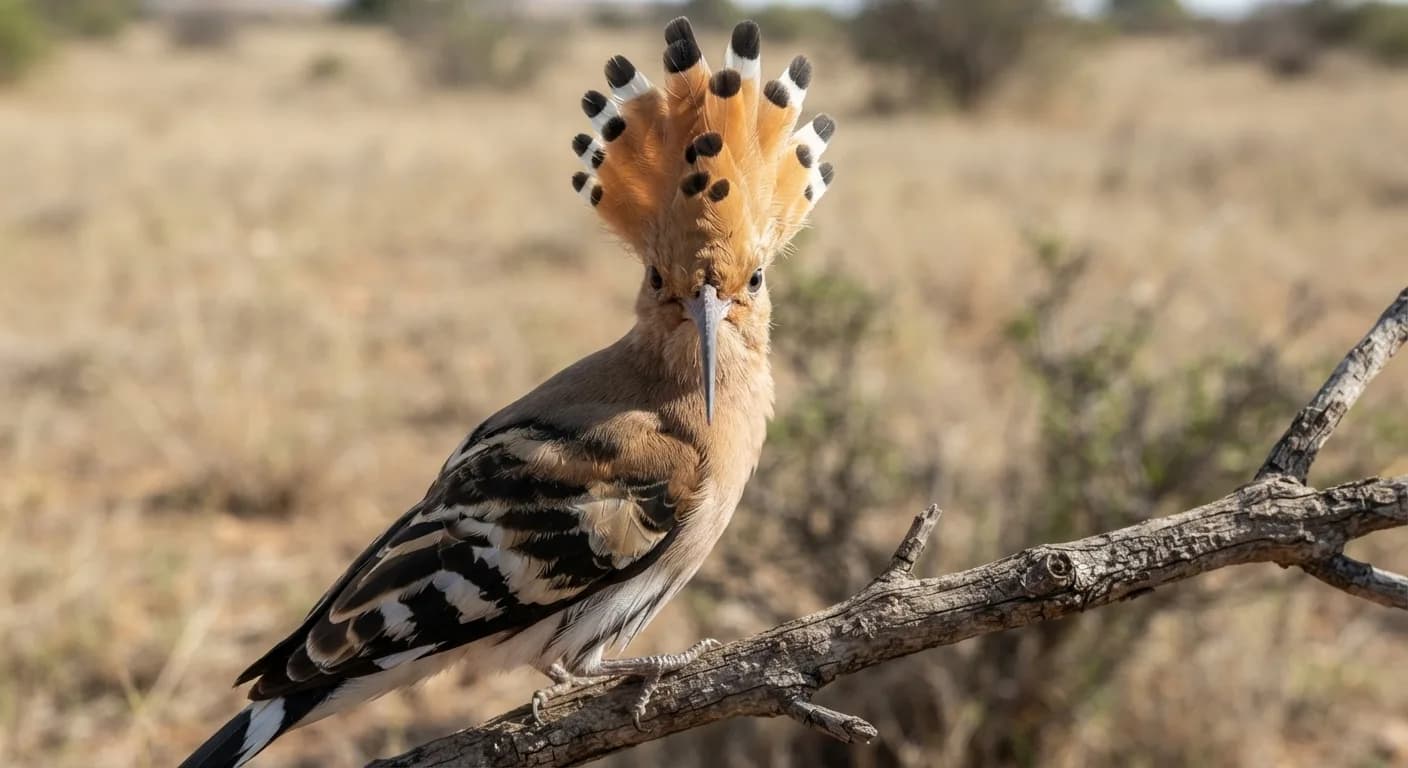
Eurasian HoopoeLeast Concern

Eurasian Hoopoe

Upupa epops

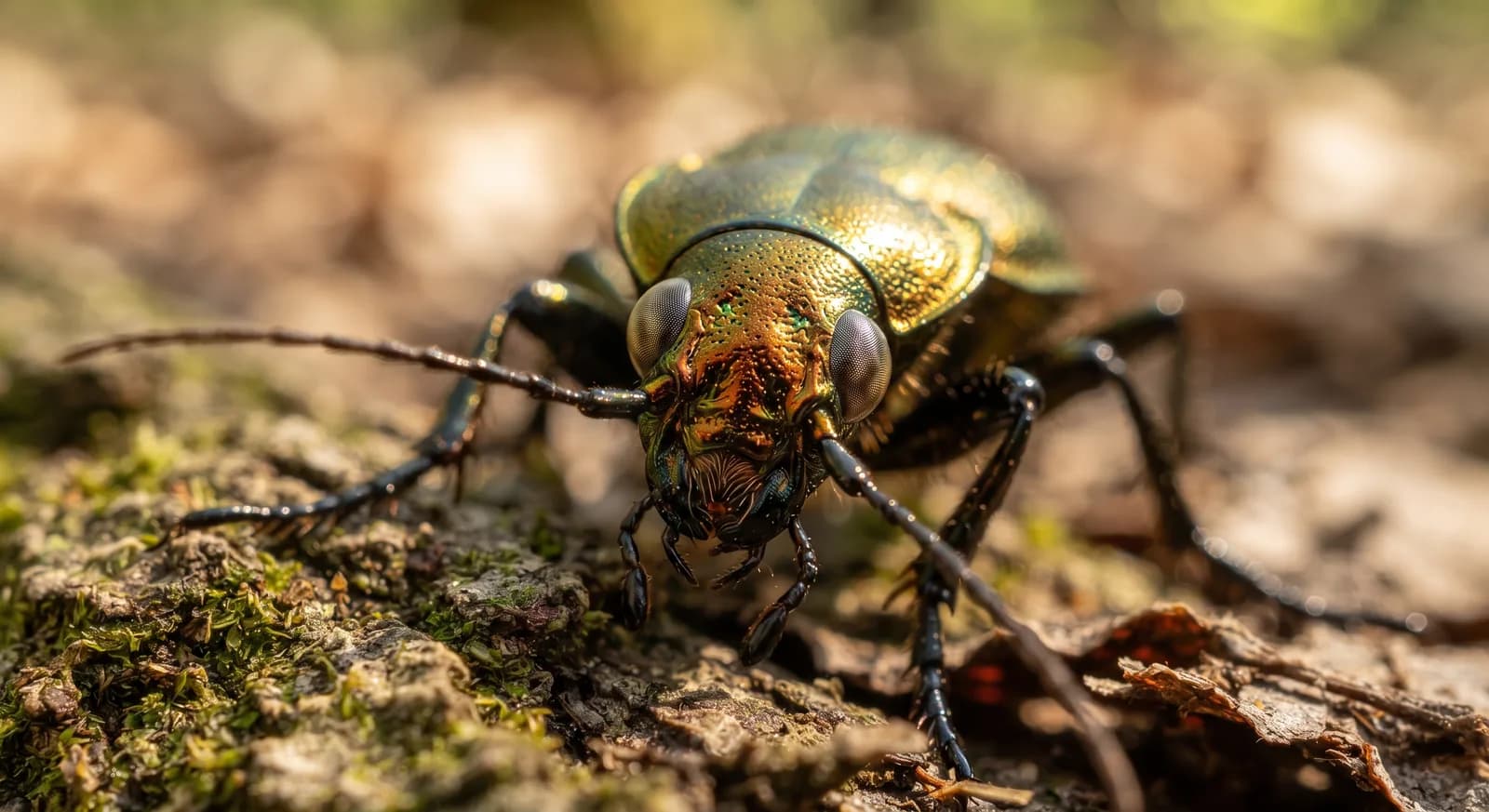
Golden Ground BeetleLeast Concern

Golden Ground Beetle

Carabus auratus

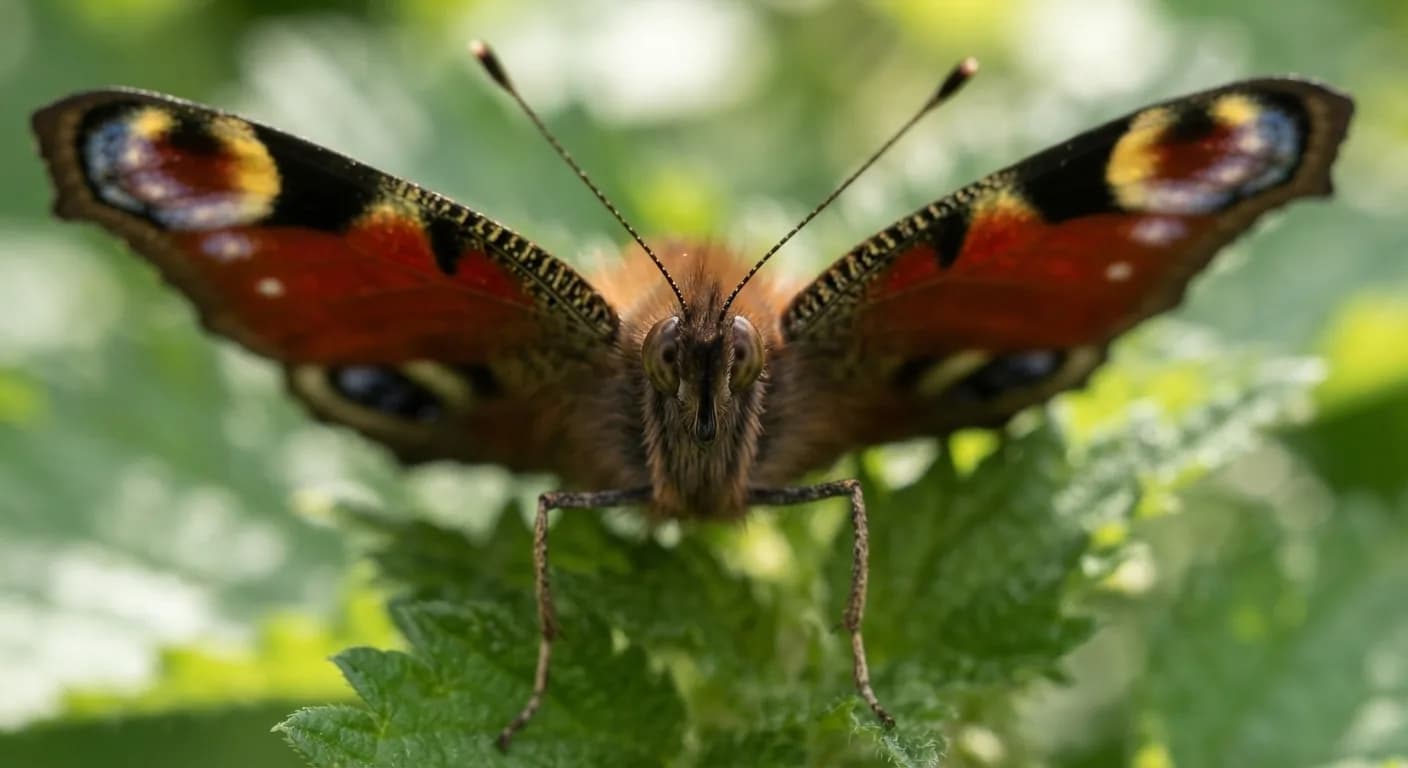
PeacockLeast Concern

Peacock

Aglais io

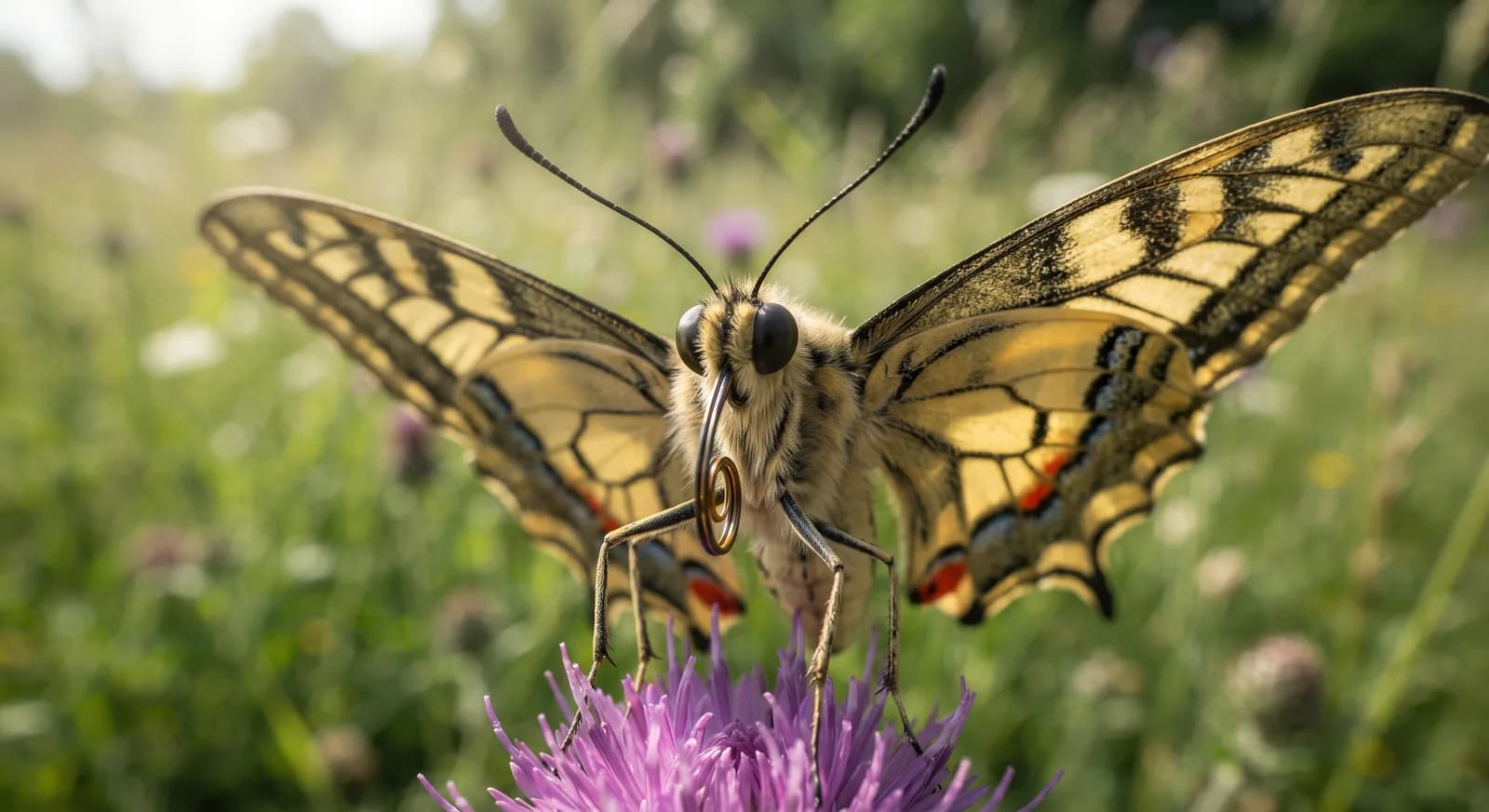
SwallowtailLeast Concern

Swallowtail

Papilio machaon

Large WhiteLeast Concern

Large White

Pieris brassicae

CountriesSpain
ParksDoñana National ParkSpain
TagsCarnivore
Carnivore
Diurnal
Solitary
Insect
Grassland

Europe36

Asia10

Africa5

Spain
Italy
France
Greece
Croatia
Morocco
Albania
Andorra
Austria
Belarus
Belgium
Bosnia and Herzegovina
Bulgaria
Croatia
Cyprus
Czechia
France
Germany
Gibraltar
Greece
Hungary
Italy
Kosovo
Liechtenstein
Luxembourg
Malta
Moldova
Monaco
Montenegro
Netherlands
North Macedonia
Poland
Portugal
Romania
San Marino
Serbia
Slovakia
Slovenia
Spain
Switzerland
Ukraine
Vatican City
Armenia
Azerbaijan
Georgia
Israel
Jordan
Lebanon
Palestine
Syria
Türkiye
Uzbekistan
Algeria
Egypt
Libya
Morocco
Tunisia