Skip to content
WAnimals
  • Map
  • Species
  • Parks
  • Diving
Log inCreate account
WAnimals

The guide for travellers and animal lovers: discover, plan and share your wild adventures around the world.

Discover wildlife

  • Species
  • Ecosystems
  • Glossary
  • Tags

Explore places

  • Map
  • Countries
  • Parks
  • Diving

Plan experiences

  • Guides

Learn

  • Blog

Resources

  • About us
  • How we build our profiles
  • Help centre
  • Contact
  • Install the app

Follow us

Account

  • Log in
  • Create account

© 2026 WAnimals. All rights reserved.

Terms of servicePrivacyCookiesLegal notice
MapSpeciesParksDiving
  1. Home
  2. Species
  3. Large White

One of the 15 butterflies on WAnimals
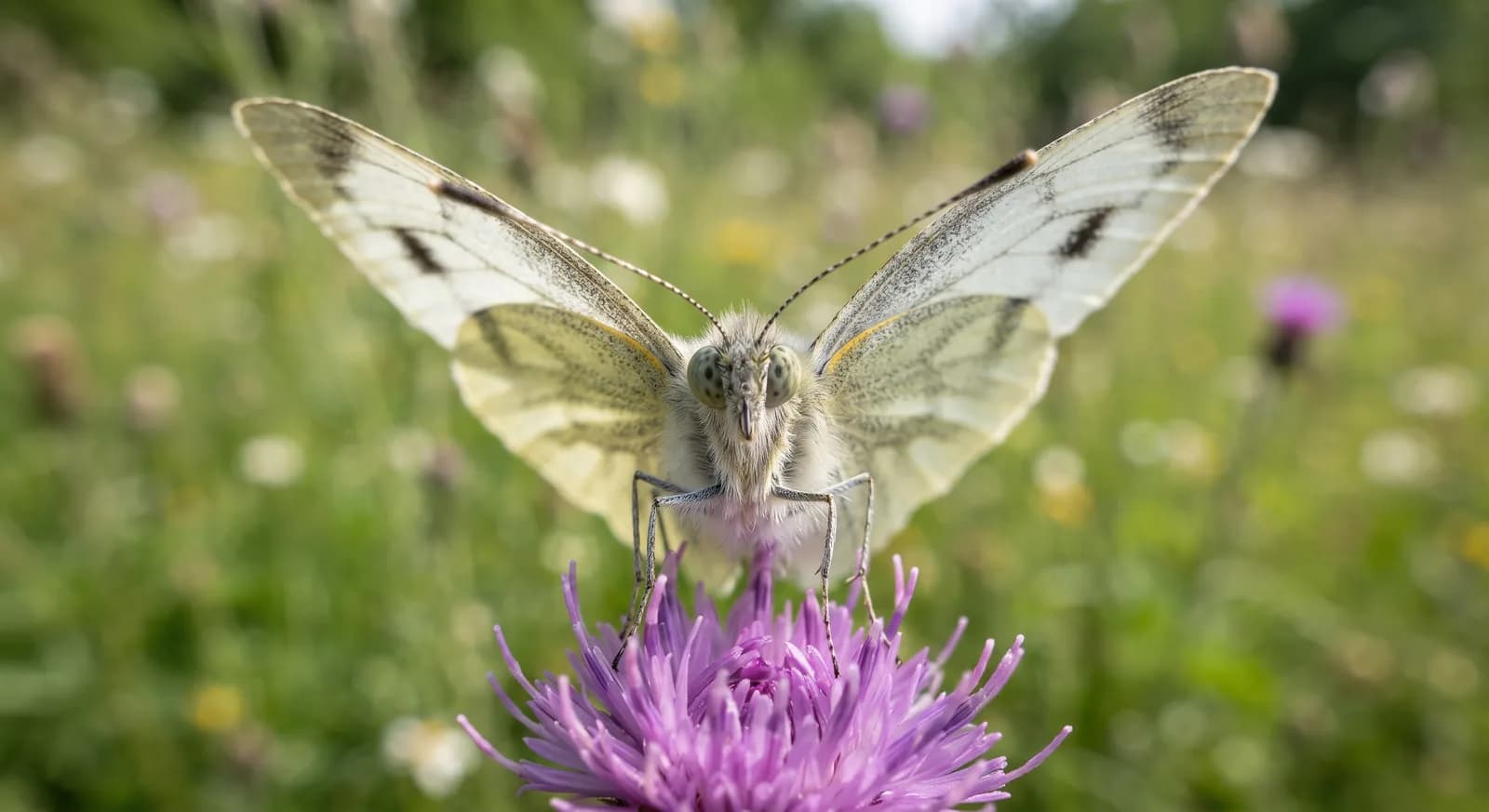
Large White (Pieris brassicae)

Insects · Lepidoptera · Pieridae

Large White

Pieris brassicae

Least Concern

The species is abundant and widely distributed; it faces no significant short-term risk.

Spotted something wrong?

It is one of the world's major agricultural pests of brassicas. Its caterpillars, which feed in groups, build up mustard-oil compounds from the plants they eat, which makes them toxic to most predators.

Size

5 cm – 7 cm

Diet

Nectarivore

Feeds mainly on flower nectar.

Activity

Diurnal

Active mainly during the day.
Social structure

Solitary

Lives and hunts alone, joining others only to breed.

Grassland
51countries182parks

AI-generated images: illustrations, not photographs.

Fun facts

  • It is one of the world's major agricultural pests of cabbage and other brassicas.
  • Its caterpillars build up toxic compounds from the plants they eat as a defence.
  • It can cause yield losses of as much as 92% in cabbage crops.
  • Its caterpillars are yellow and black and live in groups, an aposematic warning: they accumulate glucosinolates from cabbage that make them distasteful to birds.
  • The plant defends itself chemically: when bitten, the cabbage releases volatiles that attract the parasitoid wasp Cotesia glomerata, which lays its eggs inside the caterpillars. It is a classic example of indirect plant defence.
  • And there is a third level: a second, hyperparasitoid wasp locates the parasitised caterpillars by the smell they give off, and in turn parasitises the Cotesia larvae.
  • It is migratory: individuals from southern Europe move north in spring and their descendants return in autumn.
  • It is one of the oldest and best-known horticultural pests in Europe, and at the same time one of the most widely used model systems in chemical ecology.

Life cycle and biology

Skeleton type
Invertebrate - chitin exoskeleton (insect)
Habitat and environment
Open fields, gardens, allotments and farmland of Europe, North Africa and Asia
Birth weight
A yellow skittle-shaped egg, ~1.5 mm tall
Size at birth
A larva up to 25-45 mm long once mature
Sexual maturity
Reached after complete metamorphosis (no fixed age applies)
Gestation / incubation
Egg: ~1 week | Larva: 3-4 weeks | Pupa: 1-2 weeks
Litter / clutch size
20 to 100 eggs laid in clusters on the undersides of leaves

Sources consulted: Biology Insights · AHDB · International Journal of Current Microbiology (biology study) · UK Butterflies · Wildlife Insight · Buy-Butterflies.com · Animal Spot · PMC (Arabidopsis egg-laying study)

Where to find it

Loading map…

Where to see it

Parks and dive sites where this species has been documented — showing 10 of 182.

Related species

Other species in the catalogue with the most in common with Large White — same habitat, park, country, tags or family.

Shares a park
Shares a park
Shares a park
Shares a park
Shares a park
Shares a park

Keep exploring

Based on what we already know about large white.

Share an experience, a fun fact or a tip for seeing the large white.
See full glossary
This page in other languages: Español · Deutsch · Français · Português · Italiano

The pins mark the parks where its presence is documented.

See its range on the interactive map→
SarekSweden
PadjelantaSweden
HardangerviddaNorway
Lake DistrictUnited Kingdom
CairngormsUnited Kingdom
Snowdonia (Eryri)United Kingdom
KillarneyIreland
Picos de EuropaSpain
Ordesa y Monte PerdidoSpain
Aigüestortes i Estany de Sant MauriciSpain
See all 182 parks
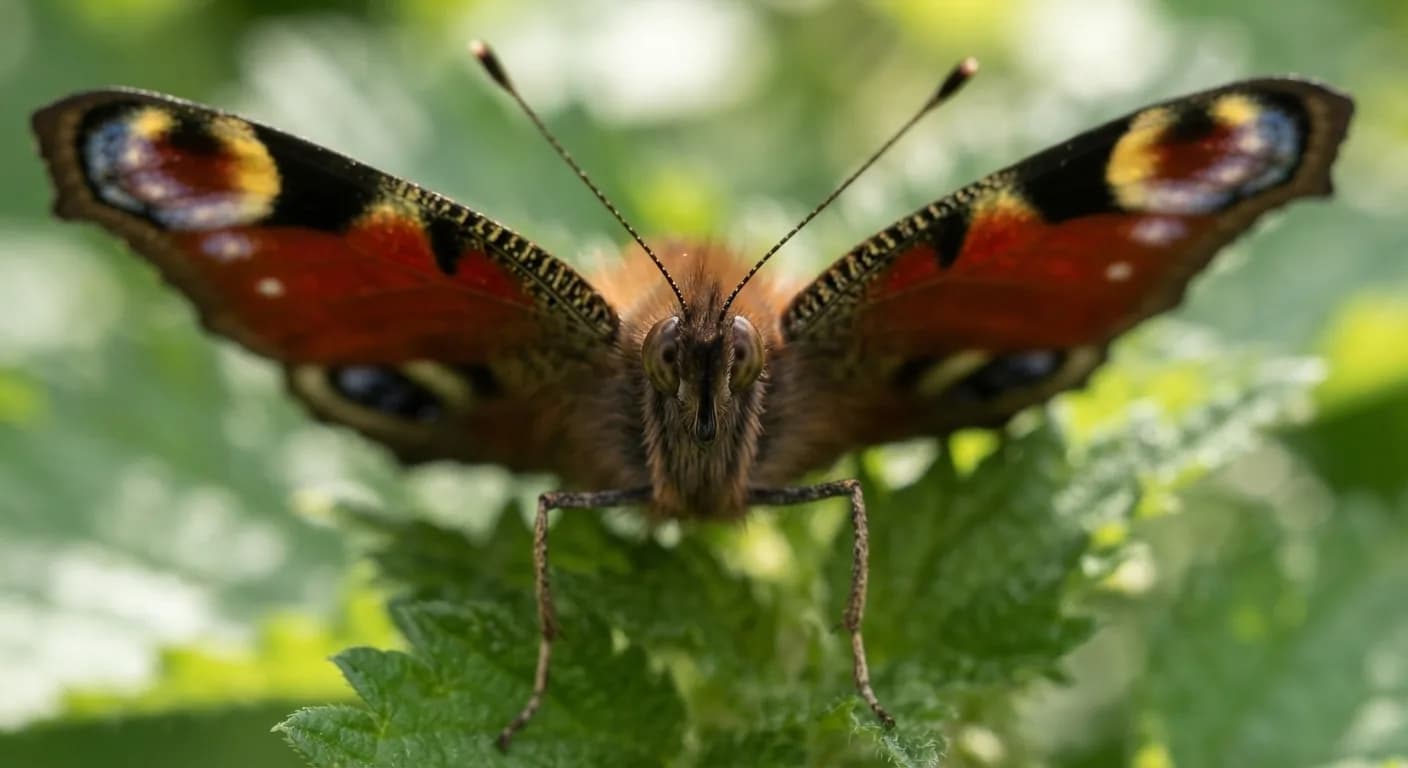
PeacockLeast Concern

Peacock

Aglais io

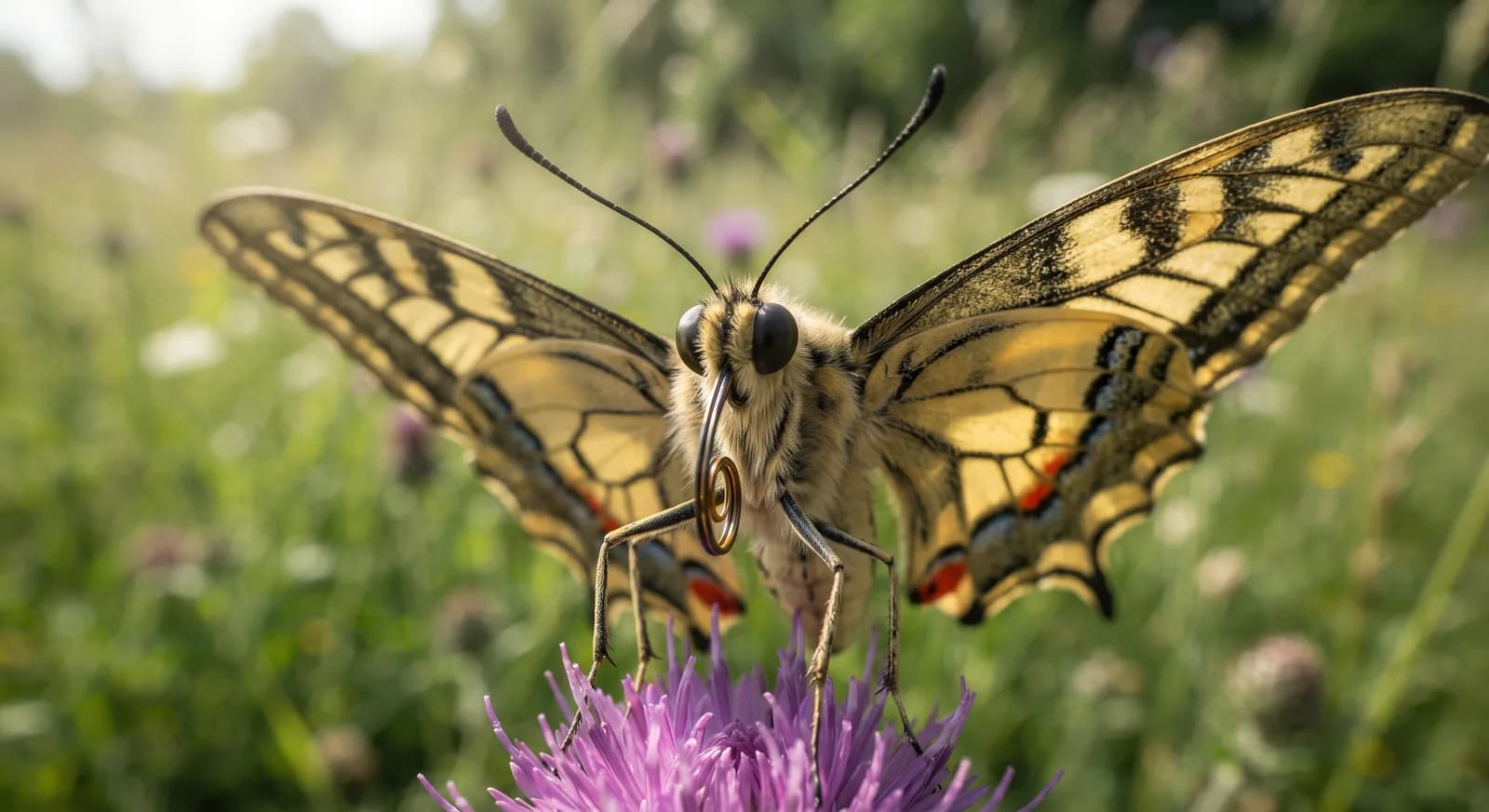
SwallowtailLeast Concern

Swallowtail

Papilio machaon

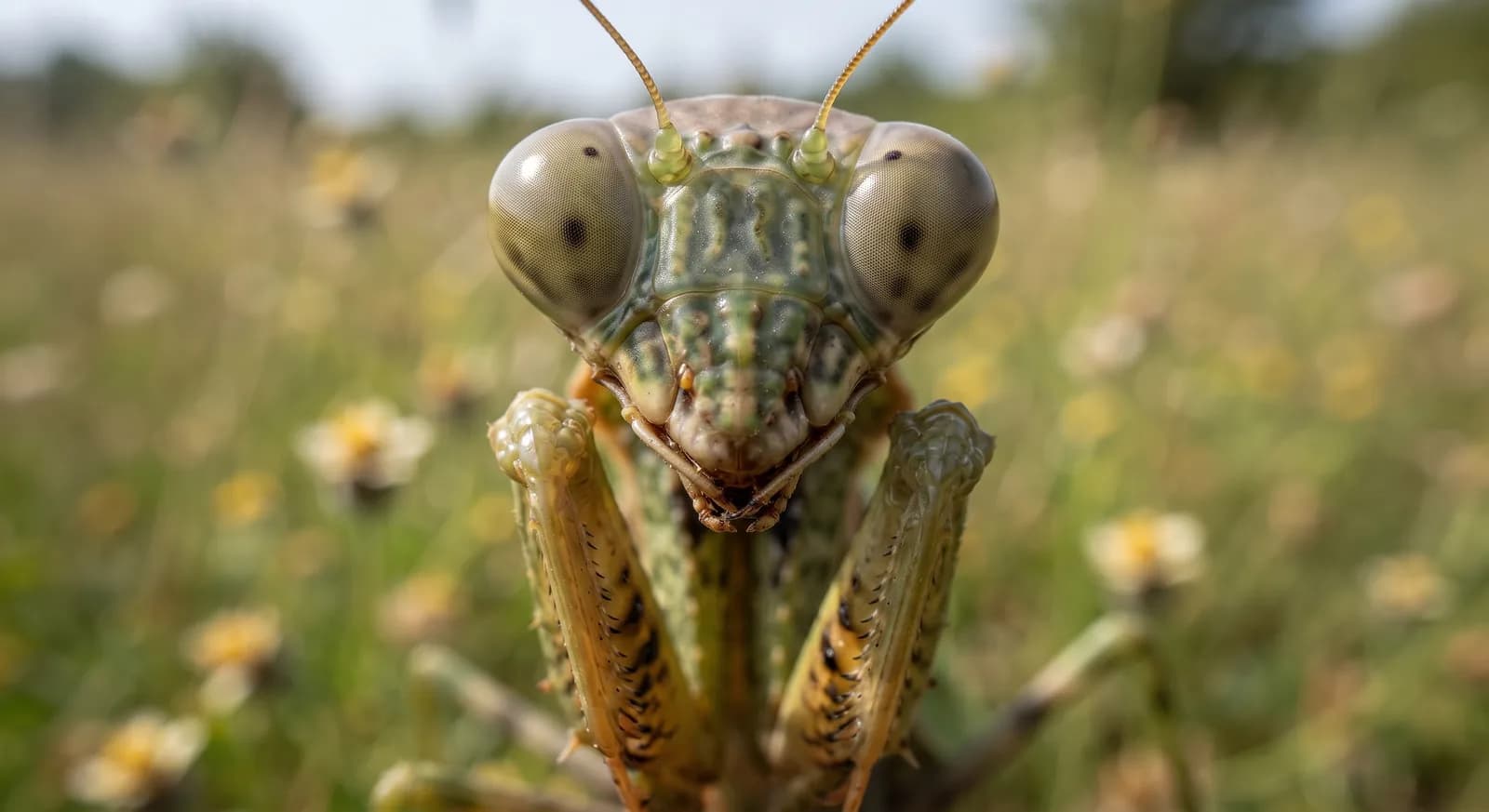
Praying MantisLeast Concern

Praying Mantis

Mantis religiosa

Least Concern

Conehead Mantis

Empusa pennata

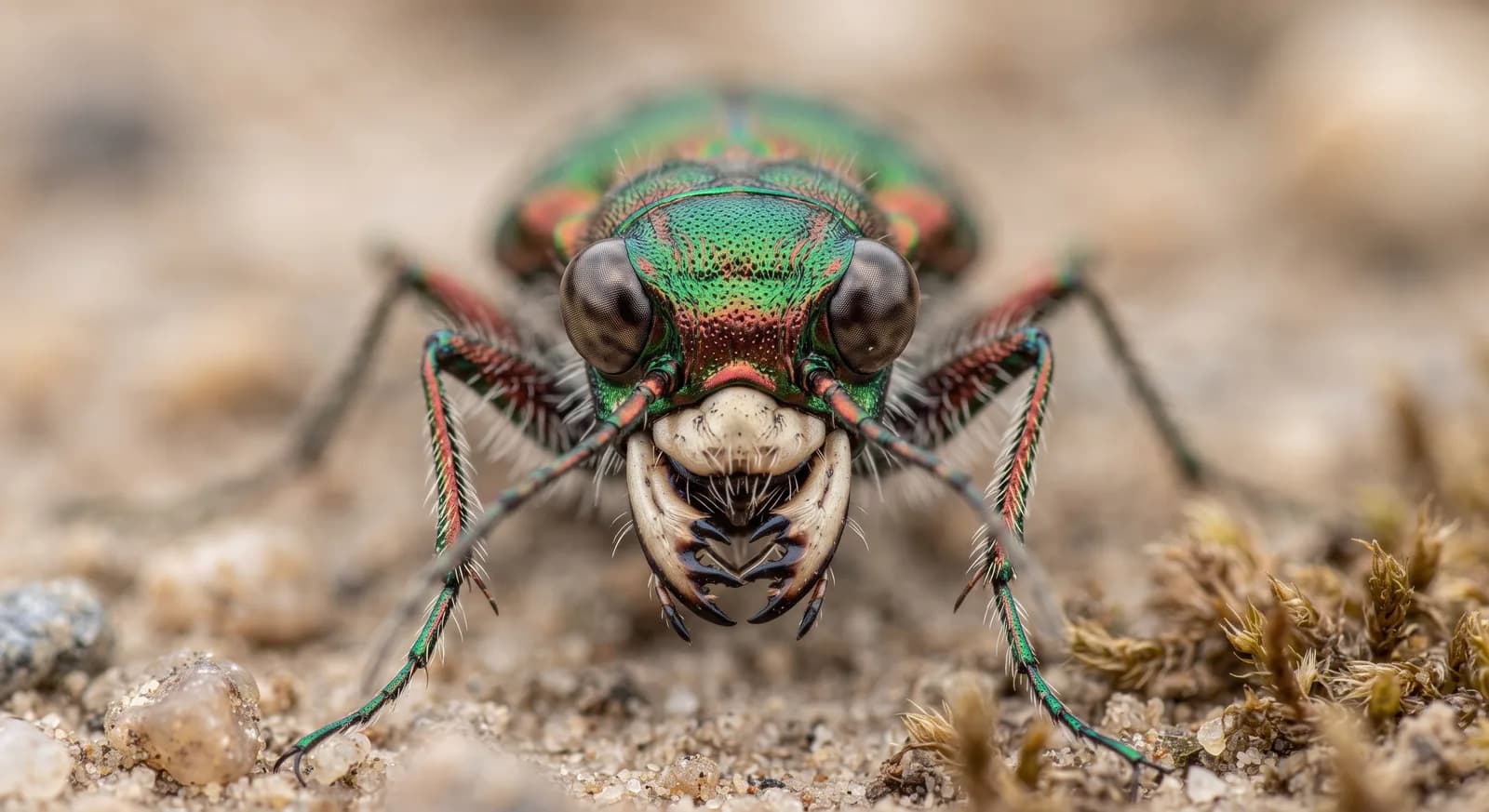
Green Tiger BeetleLeast Concern

Green Tiger Beetle

Cicindela campestris

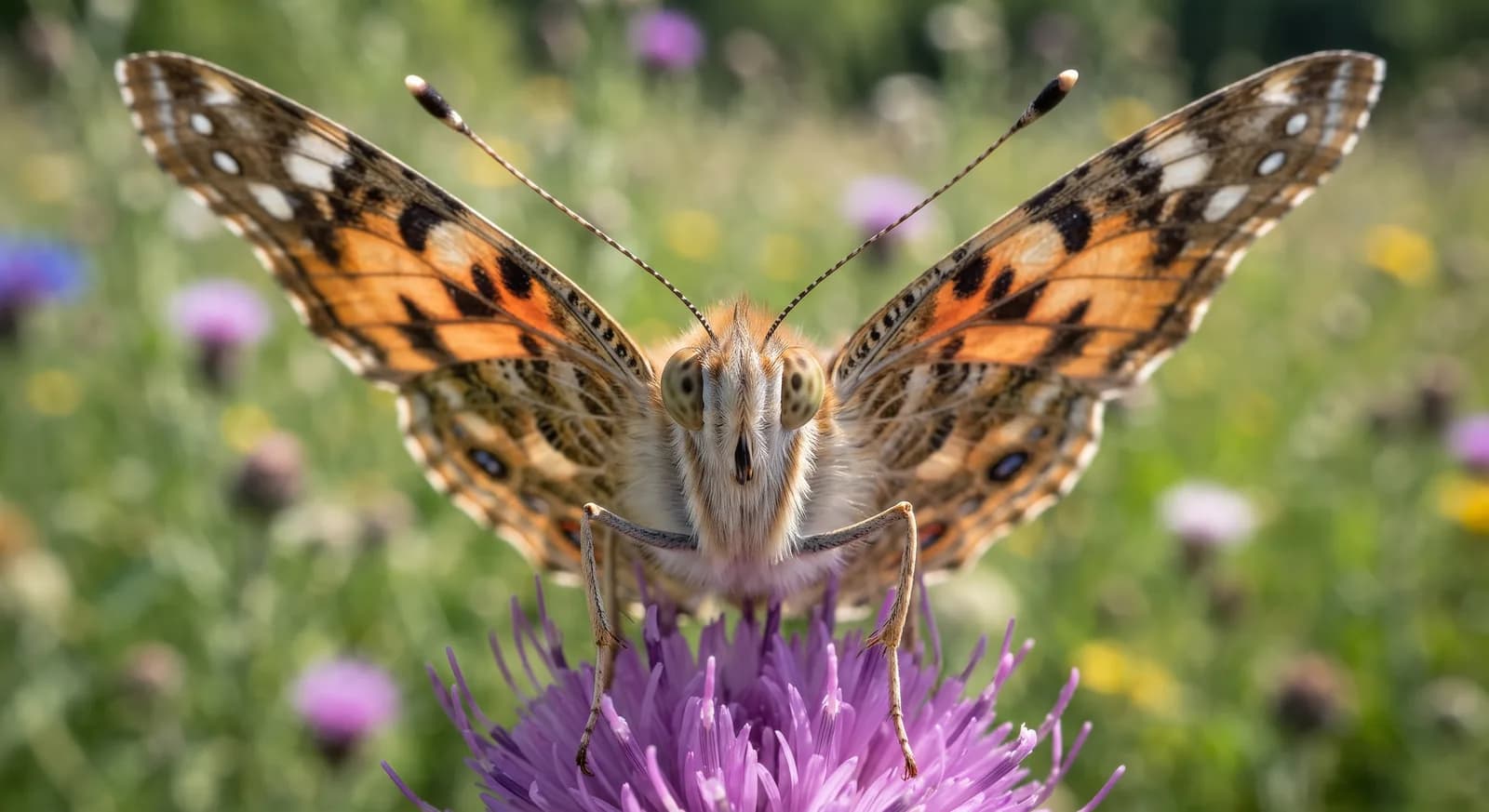
Painted LadyLeast Concern

Painted Lady

Vanessa cardui

CountriesSpain
ParksSarekSweden
TagsNectarivore
Nectarivore
Diurnal
Solitary
Insect
Grassland

Europe45

Asia6

Spain
Sweden
Italy
United Kingdom
Finland
Poland
Albania
Andorra
Austria
Belarus
Belgium
Bosnia and Herzegovina
Bulgaria
Croatia
Cyprus
Czechia
Denmark
Estonia
Finland
France
Germany
Gibraltar
Greece
Hungary
Ireland
Italy
Kosovo
Latvia
Liechtenstein
Lithuania
Luxembourg
Malta
Moldova
Monaco
Montenegro
Netherlands
North Macedonia
Norway
Poland
Portugal
Romania
San Marino
Serbia
Slovakia
Slovenia
Spain
Sweden
Switzerland
Ukraine
United Kingdom
Vatican City
Armenia
Azerbaijan
Georgia
North Korea
Russia
Türkiye