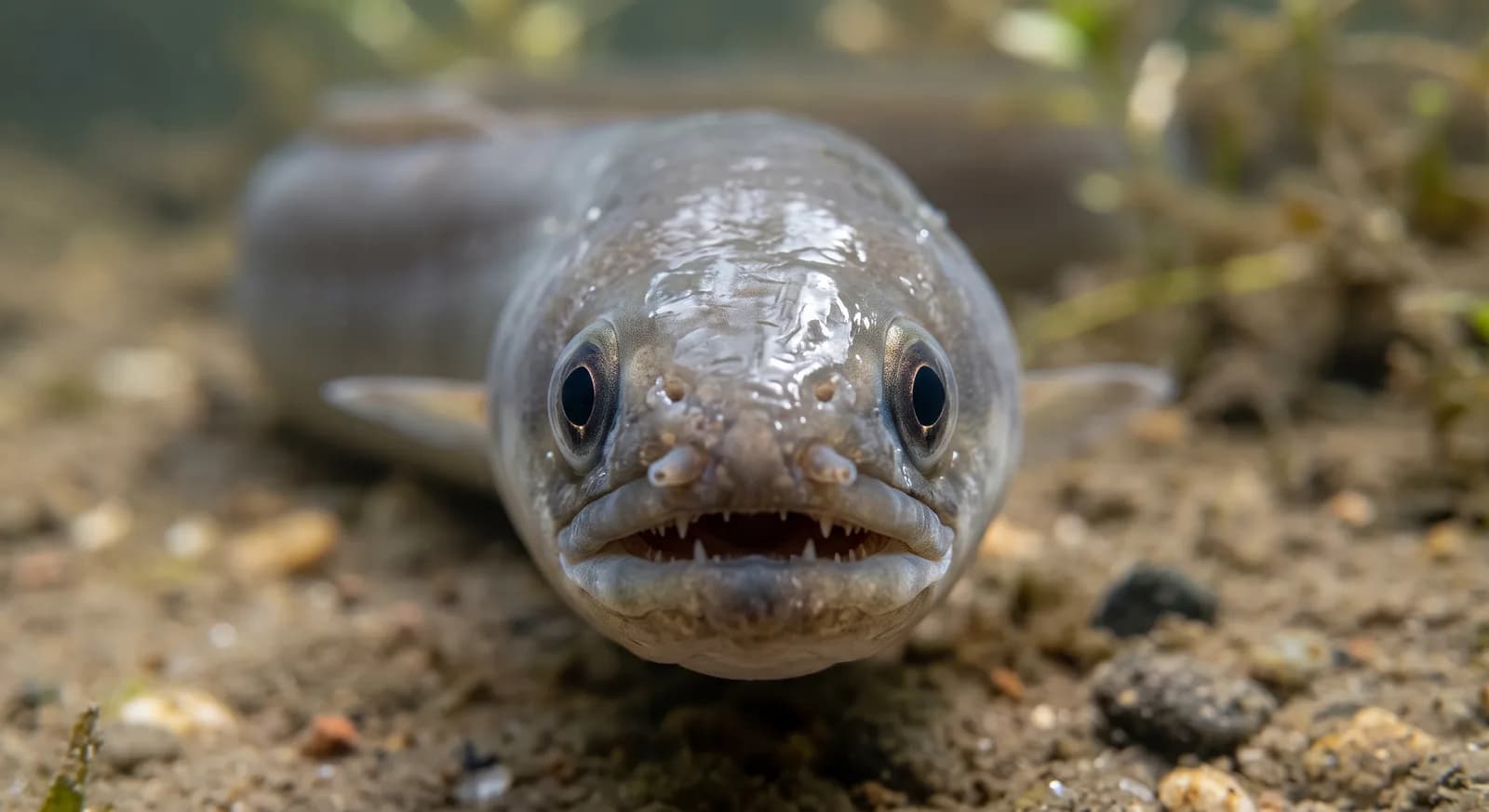
 Critically Endangered
European Eel
Anguilla anguilla
Asia
The Palestinian territories combine the limestone hills of the West Bank, the depression of the Jordan valley and the Mediterranean coastal strip of Gaza. The central mountains, with evergreen oak woodland, farming terraces thousands of years old and ancient olive groves, form a cultural landscape that supports Mediterranean wildlife such as the fox, the honey badger, the golden jackal and a rich community of cliff-dwelling birds. To the east, the drop to the Jordan valley is abrupt and within a few kilometres the woodland gives way to steppe and to the Judaean Desert, with deep-cut wadis, springs such as those of Wadi Qelt, and hyraxes and mountain gazelles on the slopes. The whole territory lies beneath the Rift migratory corridor, so in spring and autumn great flows of storks, pelicans and raptors pass overhead. Wadi Gaza is the main coastal wetland.
National animal: The Palestine sunbird, declared the national bird
The Palestinian national bird is the Palestine sunbird, a tiny bird with iridescent green and violet plumage that feeds on the nectar of flowers. It is one of the few Old World birds able to hold itself suspended in the air, beating its wings to sip, a behaviour normally associated with the American hummingbirds, to which it is not related at all.
The fragmentation of the territory by infrastructure and walls hampers the movement of the mountain gazelle and of other mammals. Battir is a World Heritage Site as a terraced farming landscape with irrigation systems of ancient origin.
Wadi Qelt year-round for hyraxes and cliff-dwelling birds. The central hills in March and April for the migration passage. Wadi Gaza in winter for waterbirds.
Where else might I want to travel?
Same region: Middle East and Western Asia
Same region: Middle East and Western Asia
Same region: Middle East and Western Asia
Same region: Middle East and Western Asia
141 species found
Based on what we already know about Palestine.