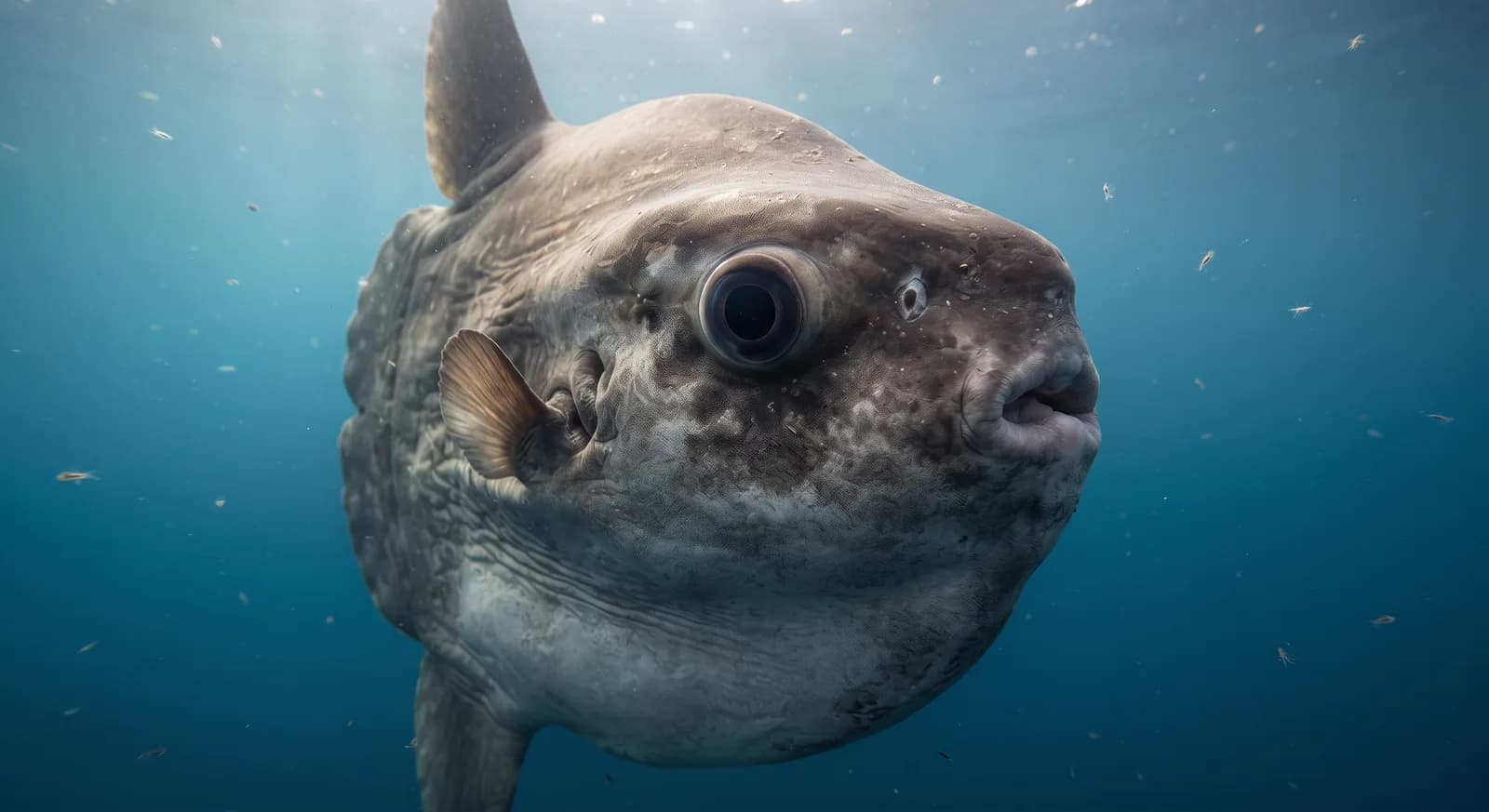
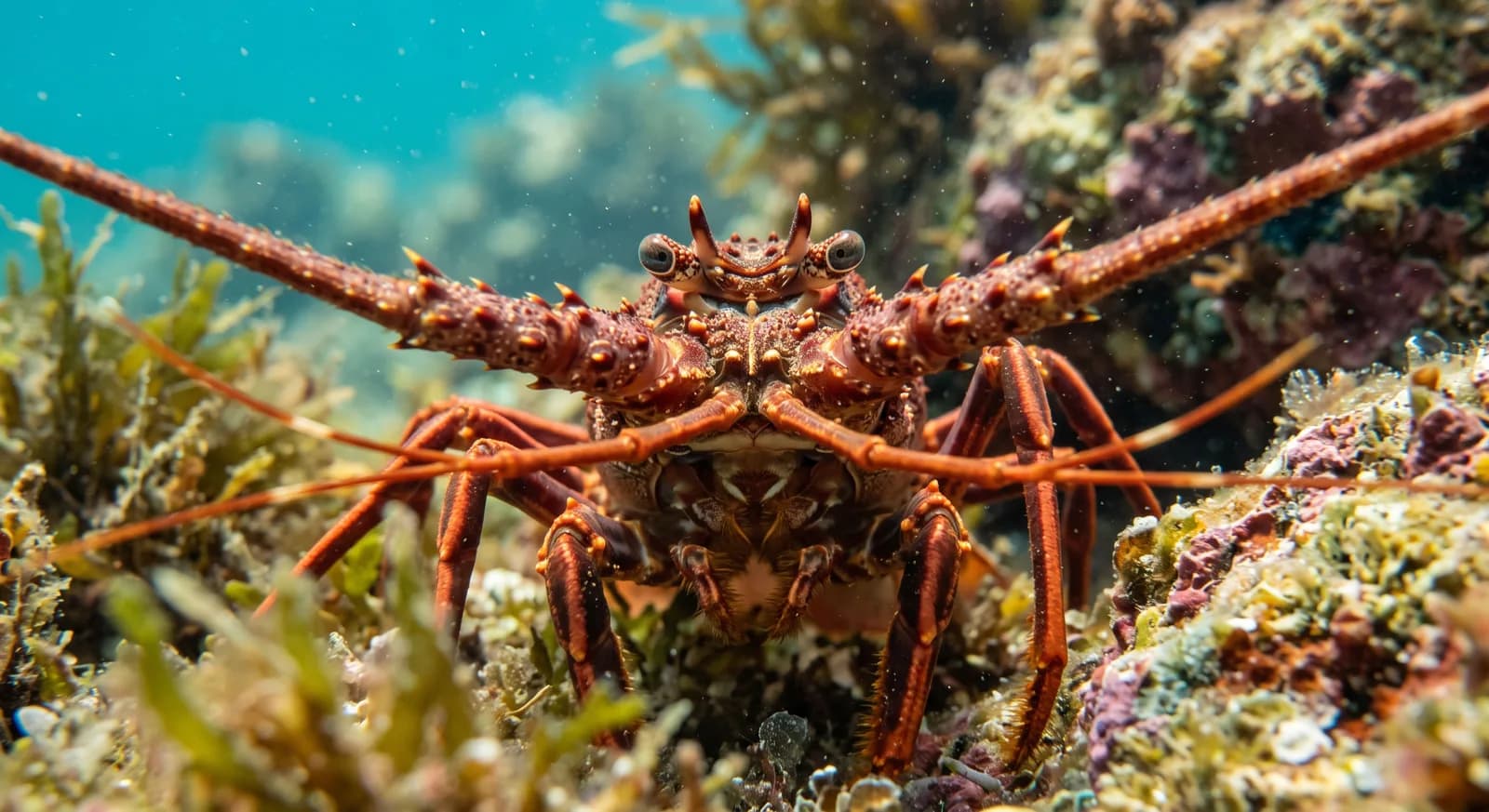
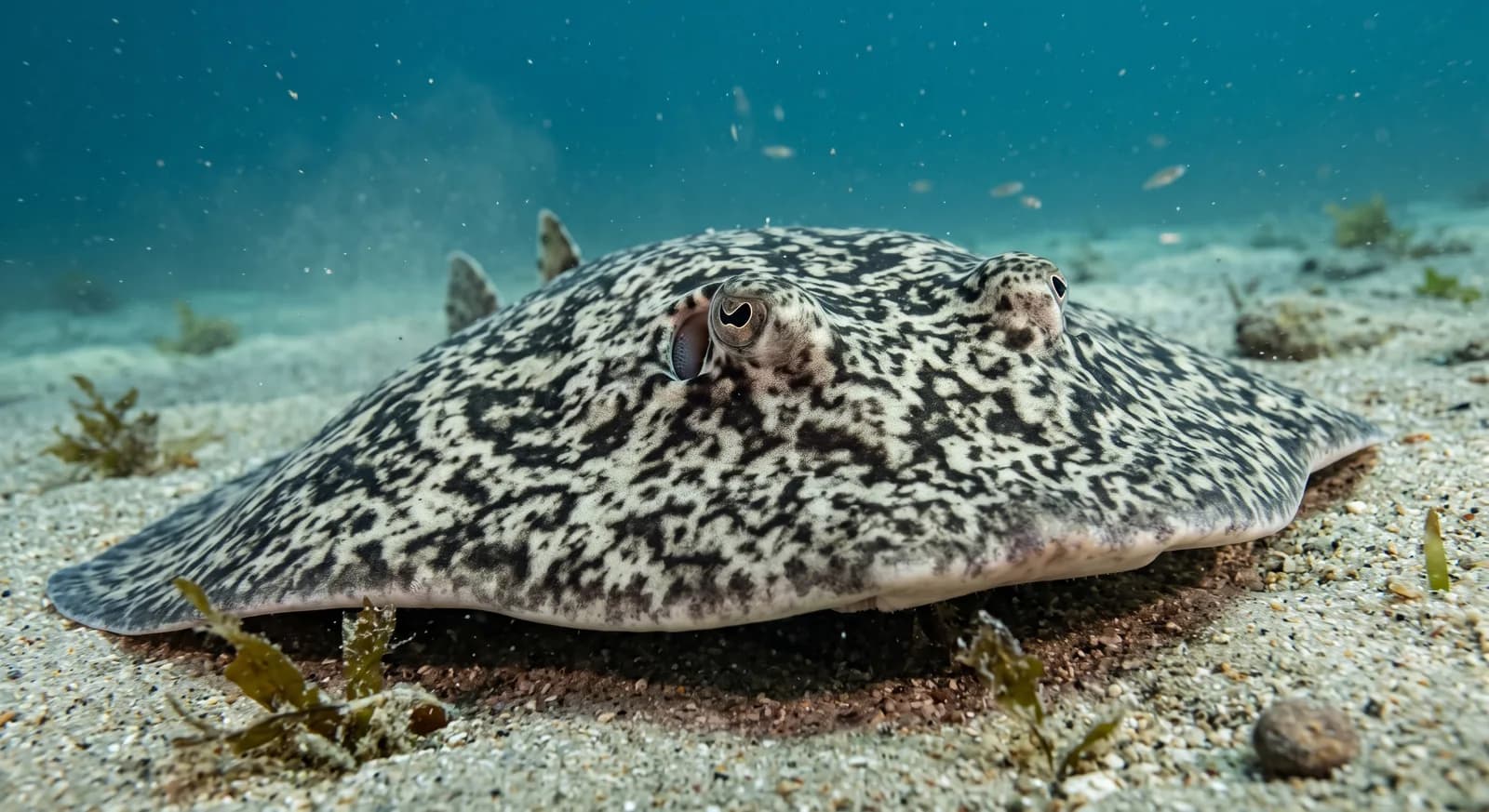
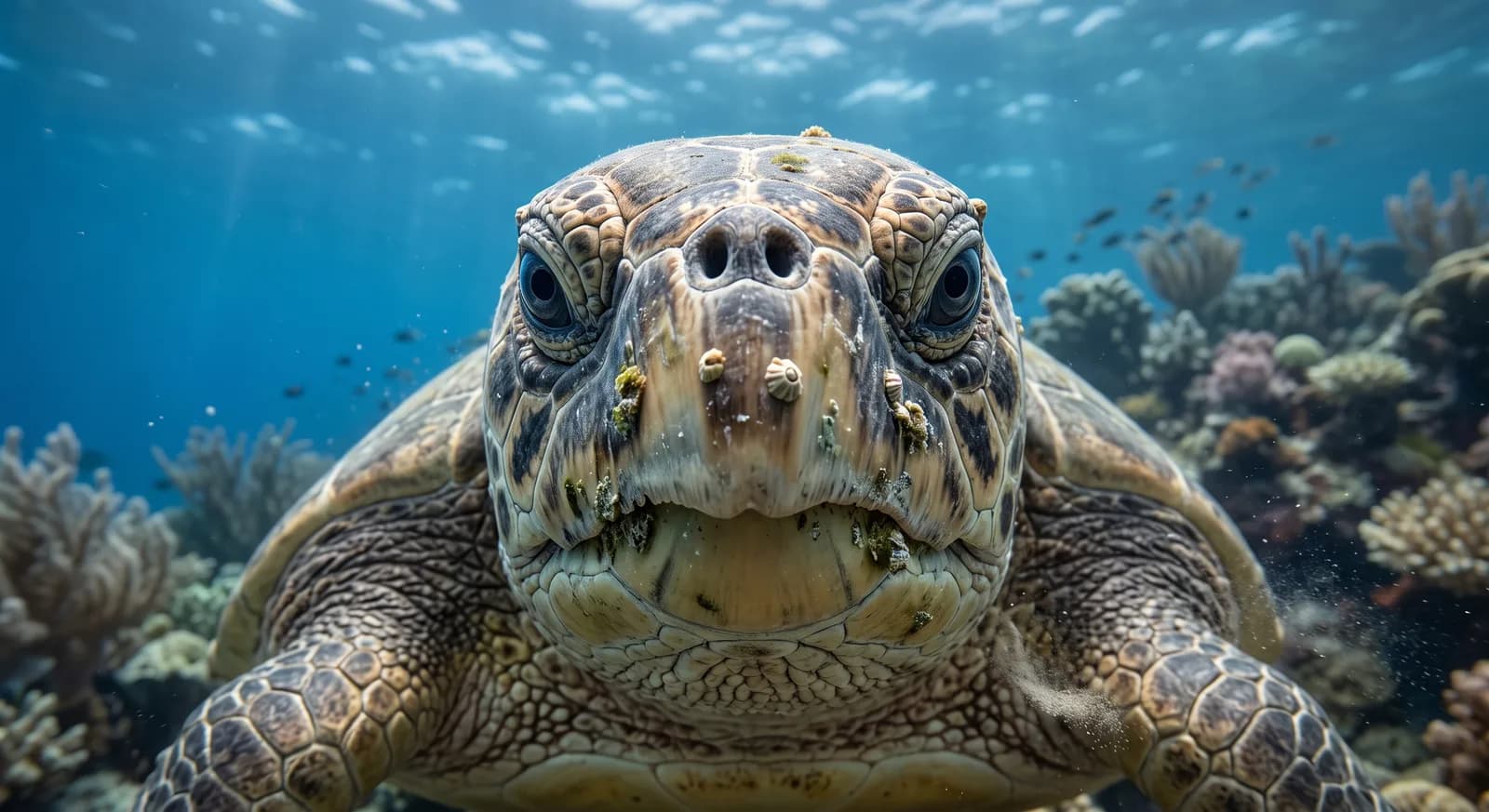
One of the 13 seals on WAnimals
Mammals · Carnivora · Phocidae
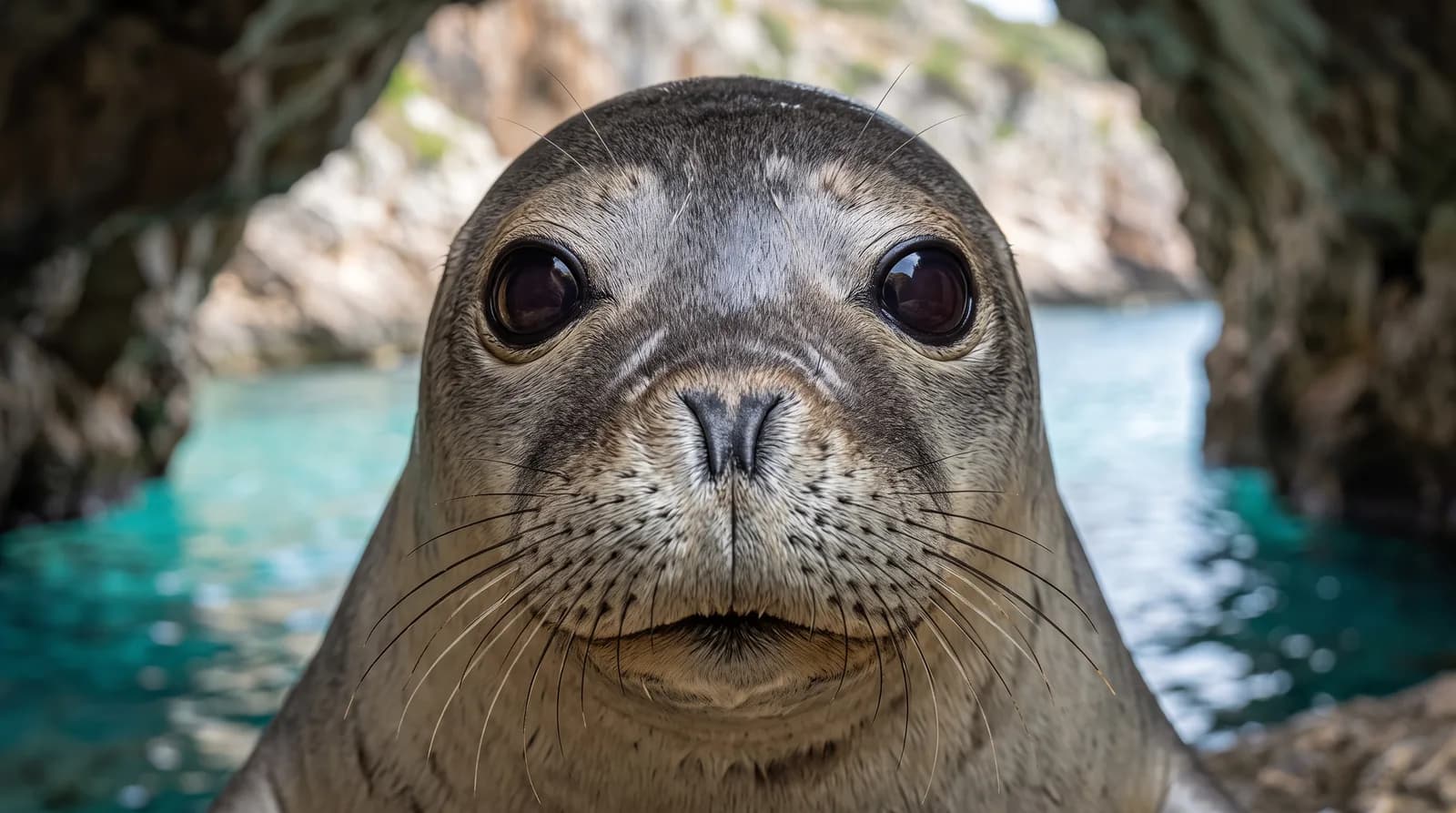
Monachus monachus
At high risk of extinction in the wild over the medium term.
The Mediterranean monk seal is one of the rarest pinnipeds in the world and the only true seal native to warm European waters. It once occupied the whole Mediterranean, the Black Sea and the North African Atlantic, including the Canaries and Madeira. Hunting, first for skin and blubber and later out of conflict with fisheries, cornered it in three areas: the Aegean and the Turkish coasts, Cabo Blanco between Mauritania and Western Sahara, and the Madeira archipelago. Today it pups in sea caves with submerged entrances, refuges it did not previously need.
Weight
240 kg – 320 kg
Size
2 m – 2.8 m
Life expectancy
30 years
Diet
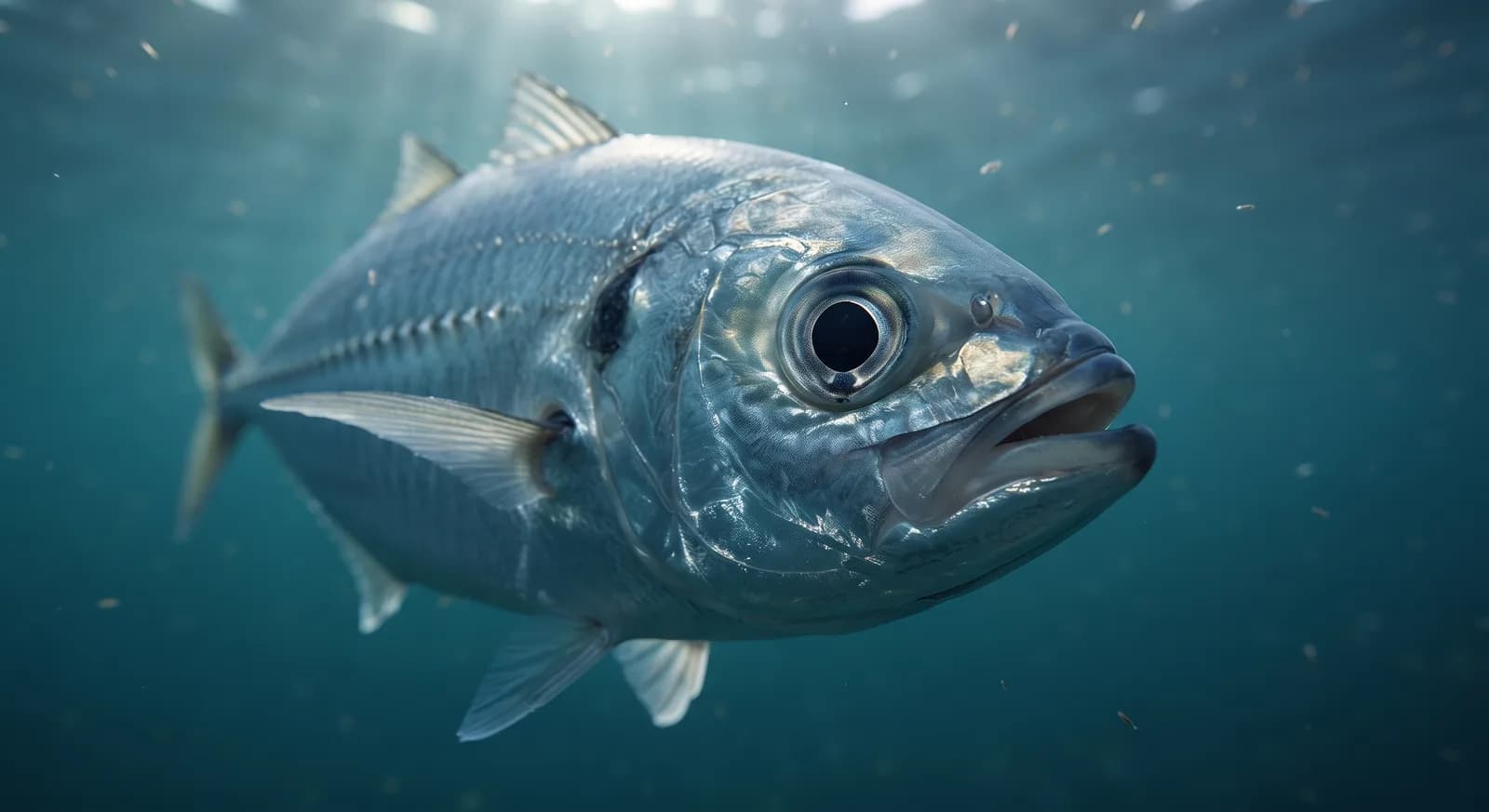
Carnivore
Feeds mainly on other animals.
Activity
Diurnal
Active mainly during the day.
Social structure
Solitary
Lives and hunts alone, joining others only to breed.
Sighting difficulty
Moderate
Estimated population
Between 250 and 1,000 mature individuals
AI-generated images: illustrations, not photographs.
Sources consulted: https://es.wikipedia.org/wiki/Monachus_monachus
Parks and dive sites where this species has been documented — showing 20 of 34.
Other species in the catalogue with the most in common with Mediterranean Monk Seal — same habitat, park, country, tags or family.
The mediterranean monk seal is classified as vulnerable. Organisations such as the IUCN, WWF and the Wildlife Conservation Society work specifically on its conservation and that of its habitat; looking into their programmes is a good starting point if you want to get involved.
It's documented in 6 protected areas — one reason why protecting these places matters for its conservation.
Based on what we already know about mediterranean monk seal.
Share an experience, a fun fact or a tip for seeing the mediterranean monk seal.
Be the first to comment.
The pins mark the parks and dive sites where its presence is documented.