 Not Evaluated
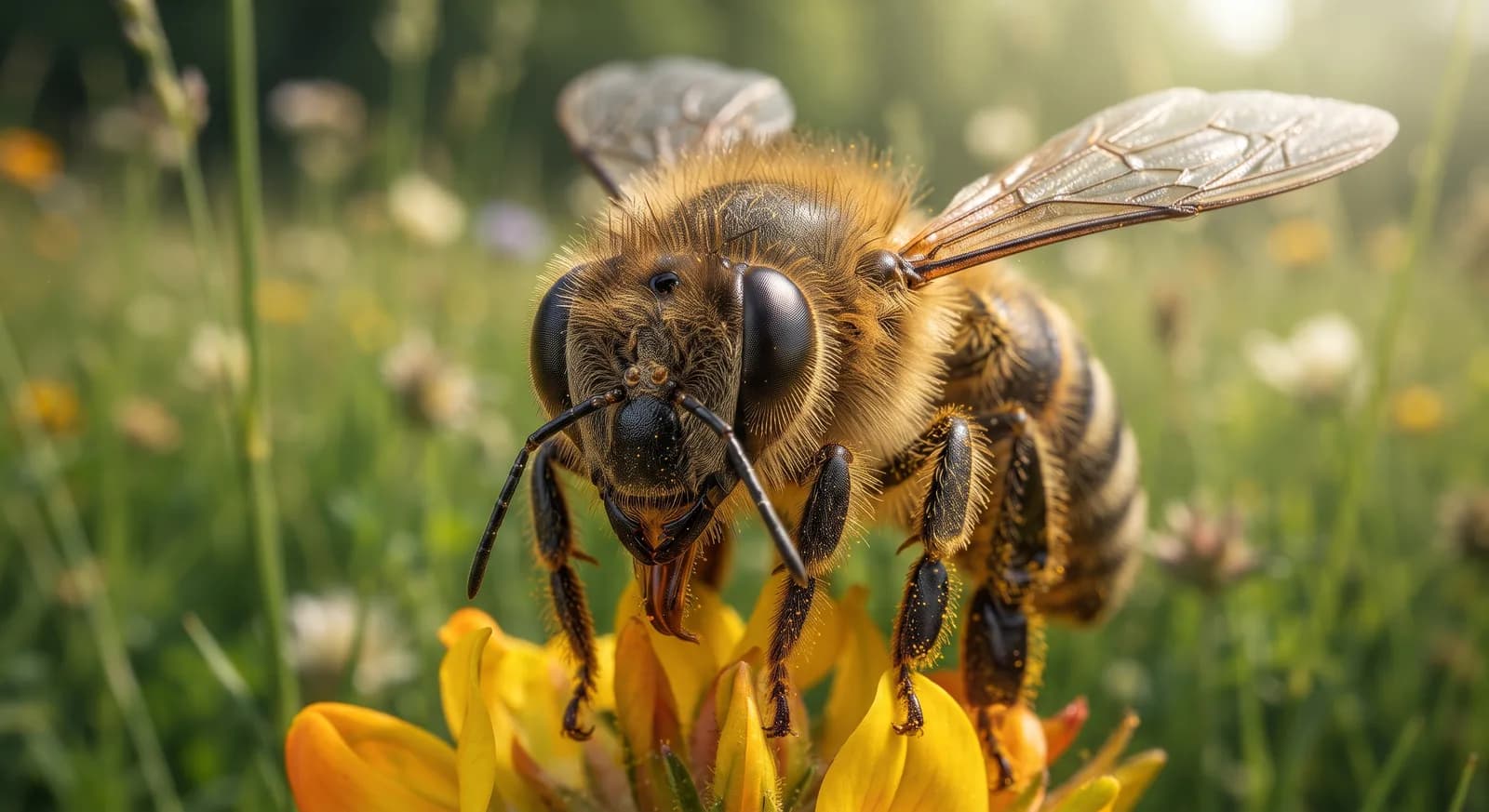
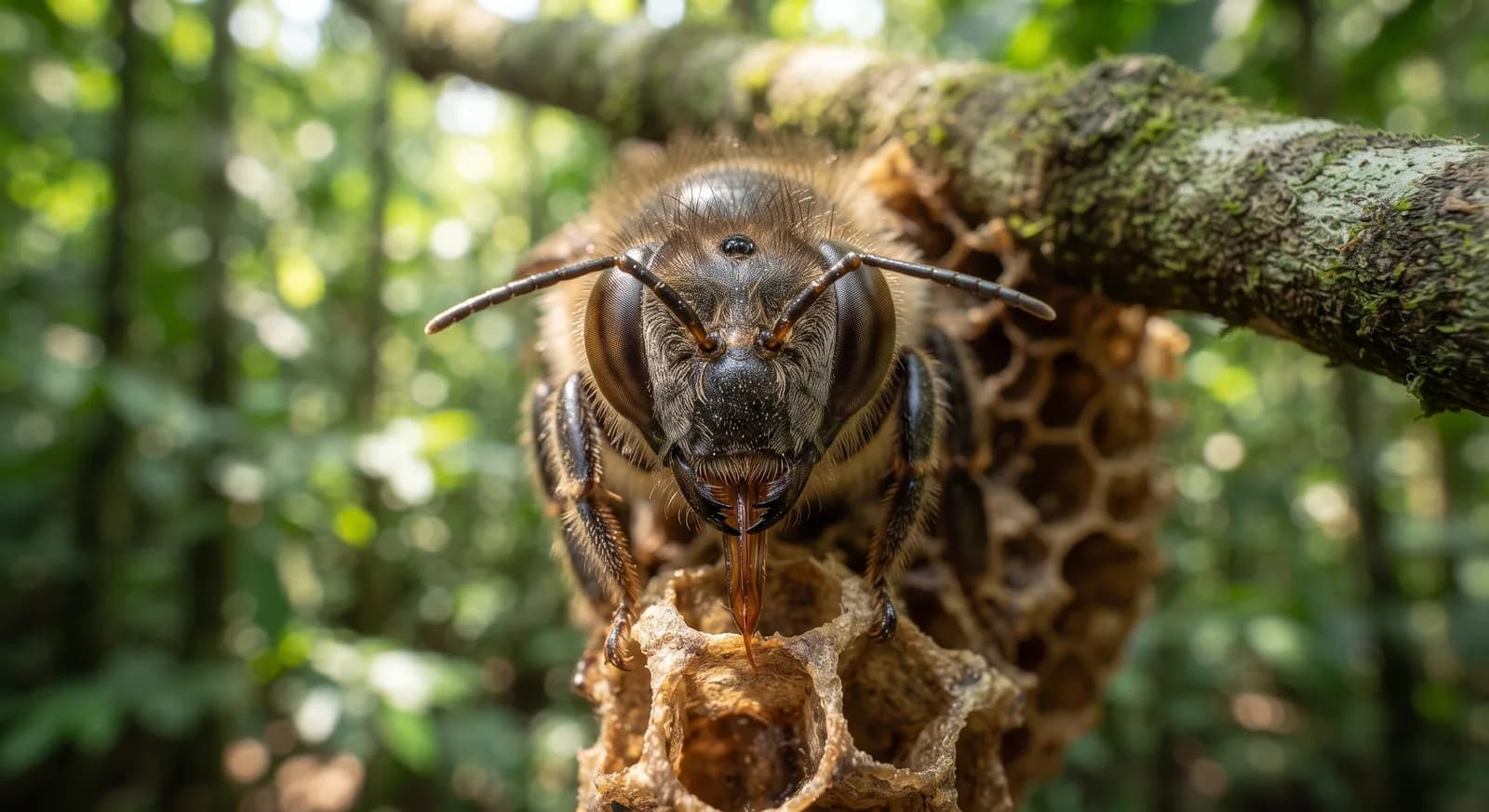
Giant Honey Bee
Apis dorsata
19 countries51 parks
Species group · Insects
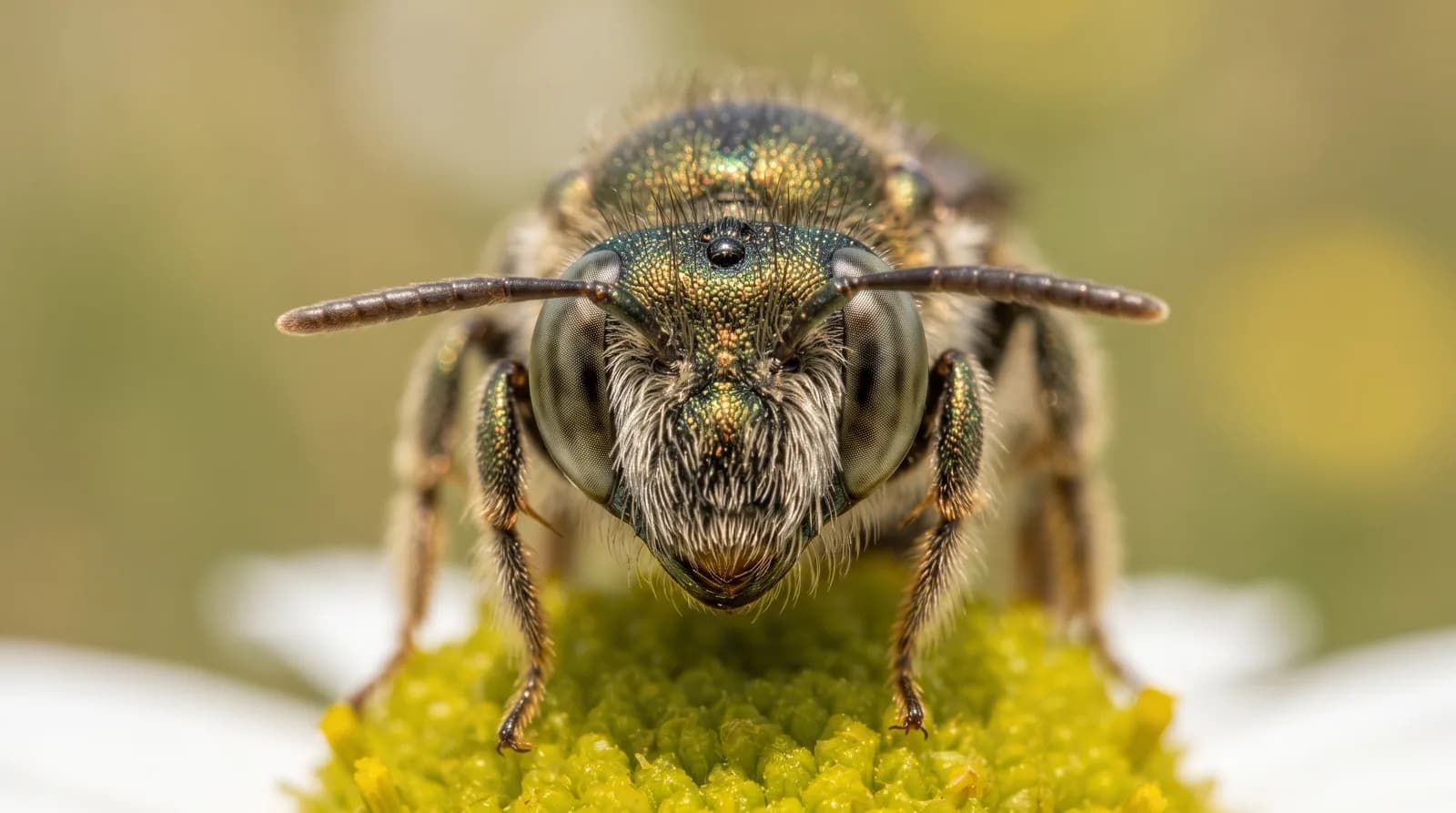
WAnimals has 9 species of bee, spread across 4 families (Andrenidae, Apidae, Halictidae, Megachilidae).
Each one has its own full profile. This group does not replace them: it brings them together.
No species documented in this group is genuinely at risk according to the IUCN, with the data available today.
Recorded in 114 countries. The ones with the most species in the group:
It feeds on nectar and pollen from a wide range of tropical flowers.
From
The whole colony moves on when conditions change, rather than leaving daughter queens behind.
From
When a predator approaches, the workers mount a coordinated defence known as shimmering, a synchronised wave that ripples across the whole comb.
From
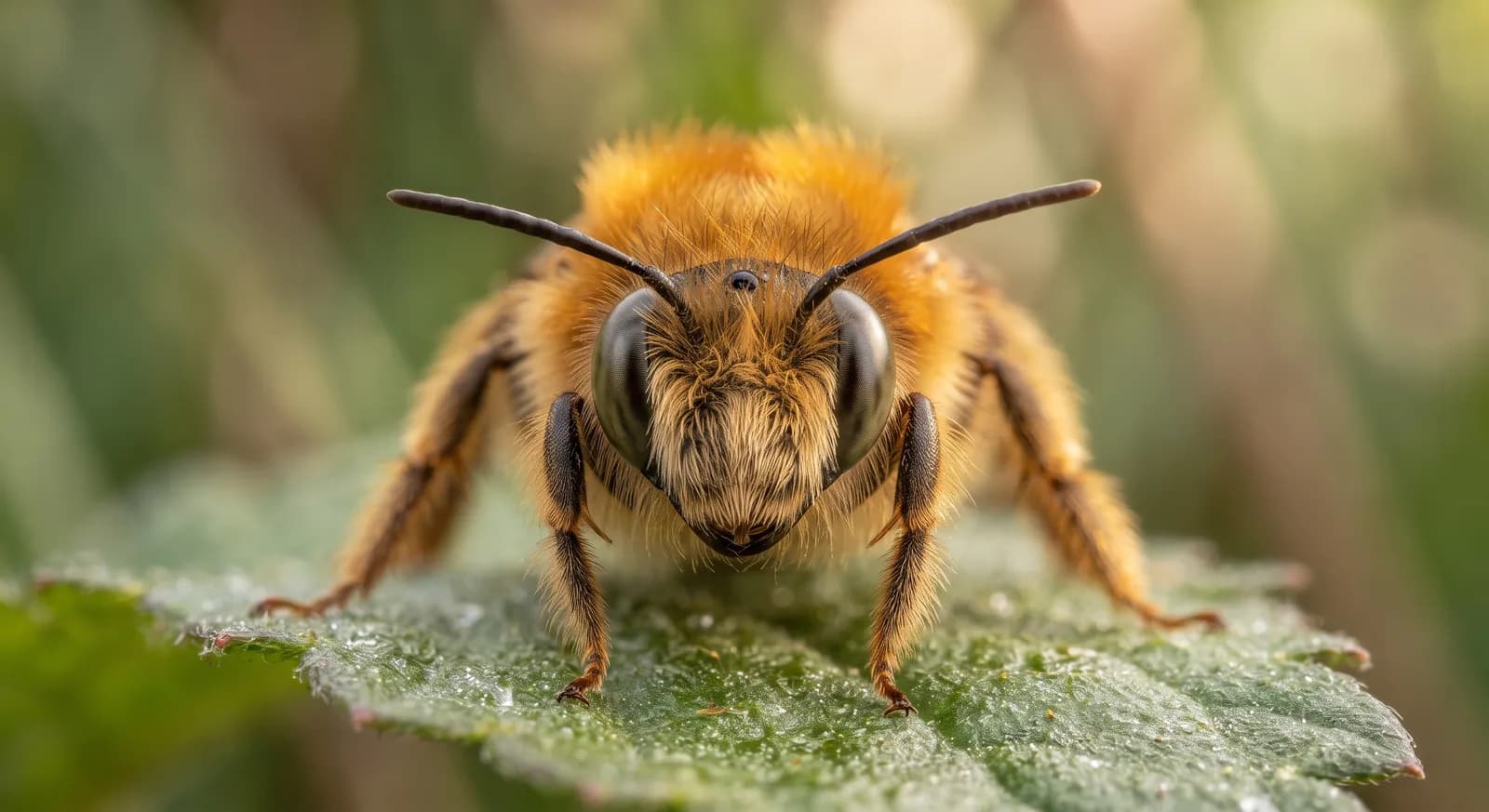
Its nests give themselves away by a small mound of fine soil with a central hole in the middle of the lawn, like a miniature volcano.
From
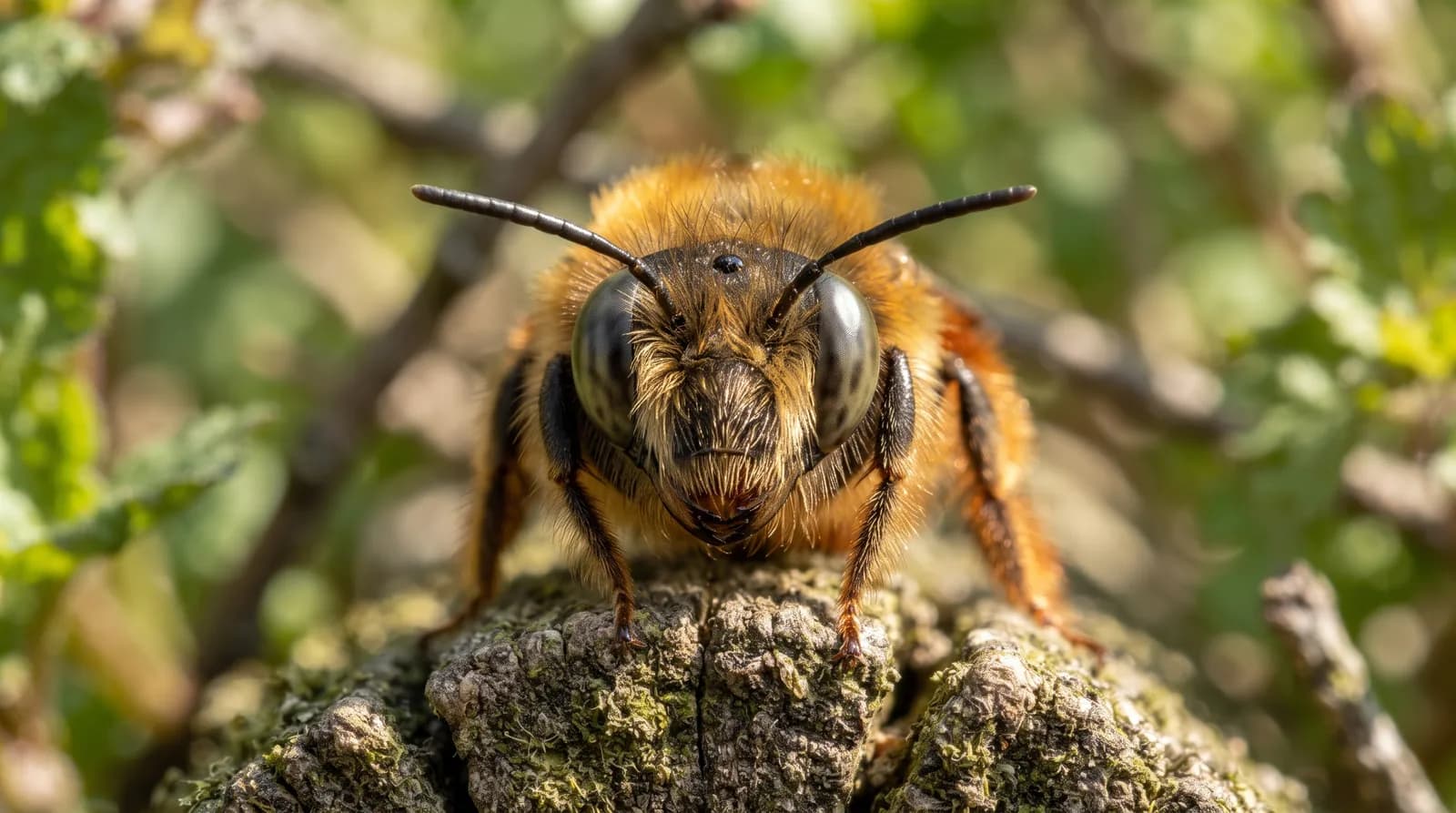
Although dozens of females may nest in the same garden, each works on her own: it is not a social species.
From
It is all but incapable of stinging and is harmless, despite the alarm its furry appearance and sudden spring abundance tend to cause.
From
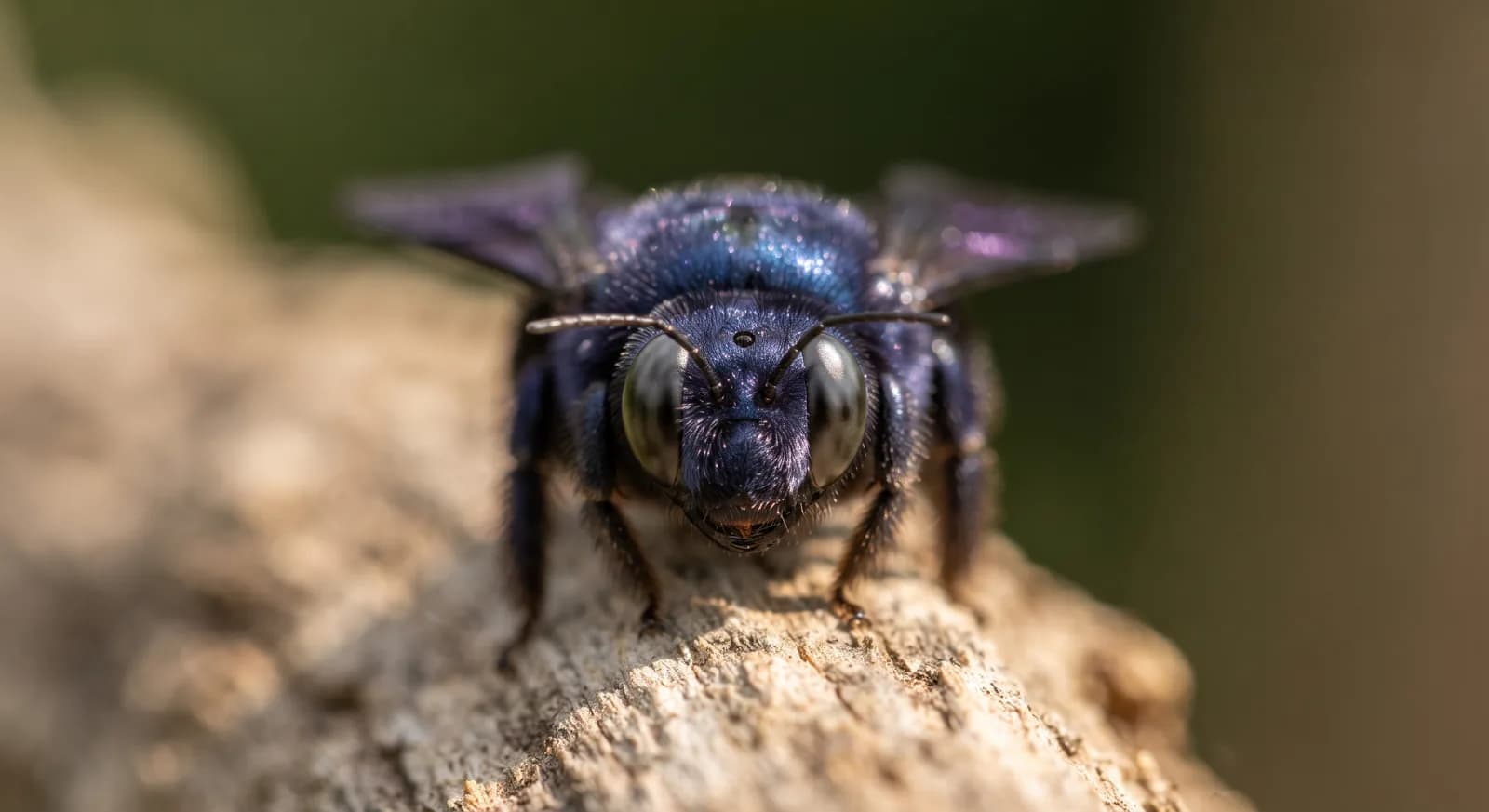
It bores its own nesting tunnels in dead wood without eating it.
From
It has been recorded visiting as many as 800 plant species, favouring legumes and mints.
·
Ranges calculated from the profiles that record the figure, not from all 9.
From