Skip to content
WAnimals
  • Map
  • Species
  • Parks
  • Diving
Log inCreate account
WAnimals

The guide for travellers and animal lovers: discover, plan and share your wild adventures around the world.

Discover wildlife

  • Species
  • Ecosystems
  • Glossary
  • Tags

Explore places

  • Map
  • Countries
  • Parks
  • Diving

Plan experiences

  • Guides

Learn

  • Blog

Resources

  • About us
  • How we build our profiles
  • Help centre
  • Contact
  • Install the app

Follow us

Account

  • Log in
  • Create account

© 2026 WAnimals. All rights reserved.

Terms of servicePrivacyCookiesLegal notice
MapSpeciesParksDiving
  1. Home
  2. Species
  3. Sharp-collared Furrow Bee

One of the 9 bees on WAnimals

Sharp-collared Furrow Bee (Lasioglossum malachurum)

Insects · Hymenoptera · Halictidae

Sharp-collared Furrow Bee

Lasioglossum malachurum

Not Evaluated

It has not yet been assessed against the IUCN criteria.

Spotted something wrong?

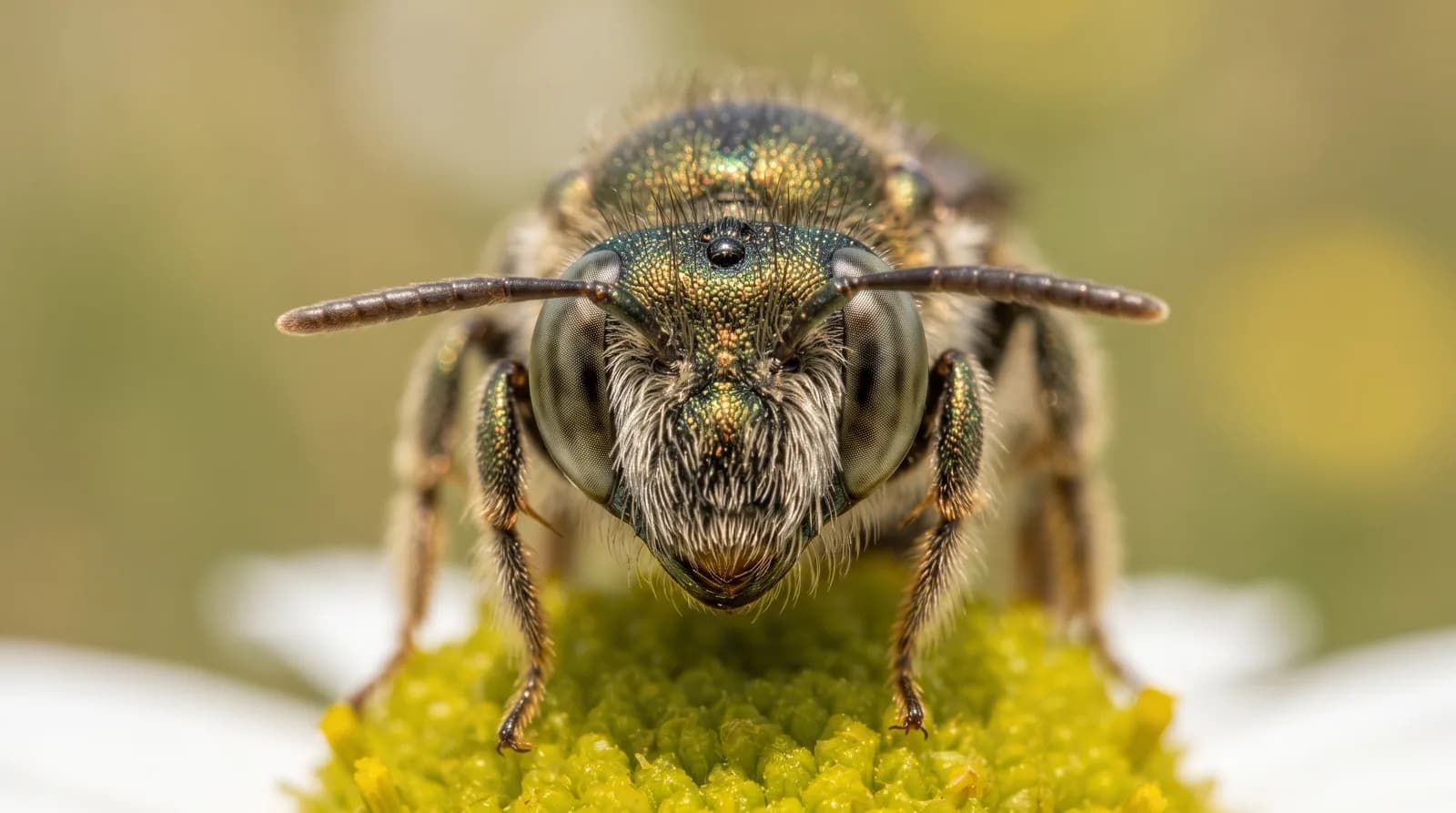
A small sweat bee, dark with fine pale bands on the abdomen, which digs its nests in compact, sunny ground. A founding female opens the burrow in spring and rears a first generation of daughters that stay on as workers, so that the colony functions as a miniature society for a single summer.

Size

6 cm – 9 cm

Diet

Herbivore

Feeds mainly on plants.

Activity

Diurnal
Active mainly during the day.

Social structure

Colony

Lives in large concentrations, often for breeding reasons.

Grassland
40countries136parks

AI-generated images: illustrations, not photographs.

Fun facts

  • It is called a sweat bee because it settles on human skin to drink the salts of perspiration.
  • It is one of the key species for understanding the origin of social life in insects: within the same group there are solitary and social populations depending on climate and altitude.
  • Its nests, clustered by the hundred in a single bank, make it an important pollinator of wild flora and of crops.
  • It is called a sweat bee because several species in the group land on the skin to drink sweat, drawn by the salt.
  • It is one of the key species for understanding the origin of social life in insects. It is primitively eusocial: a founding female rears a first brood of daughters that stay on as workers, and the future queens appear in the second.
  • That system is reversible and flexible, and in populations in the north of its range it can become solitary: the same species is social or solitary depending on the climate, which makes it an exceptional model for studying how eusociality appears and disappears.
  • The foundress guards the nest entrance with her head acting as a plug, and controls who goes in and who comes out.
  • It is an abundant, valuable generalist pollinator of crops and wild flora.

Life cycle and biology

Skeleton type
Invertebrate - chitin exoskeleton (insect)
Habitat and environment
Banks, paths and bare sunny ground in Europe

Sources consulted: Wcislo y Danforth · Field et al. (2010 y 2012), Current Biology · Schwarz, Richards y Danforth (2007), Annual Review of Entomology

Where to find it

Best time: March to September, on flowers over sunny, compacted ground

Loading map…

Where to see it

Parks and dive sites where this species has been documented — showing 10 of 136.

Related species

Other species in the catalogue with the most in common with Sharp-collared Furrow Bee — same habitat, park, country, tags or family.

Shares a park
Shares a park
Shares a park
Shares a park
Shares a park
Shares a park

Keep exploring

Based on what we already know about sharp-collared furrow bee.

Share an experience, a fun fact or a tip for seeing the sharp-collared furrow bee.
See full glossary
This page in other languages: Español · Deutsch · Français · Português · Italiano

The pins mark the parks where its presence is documented.

See its range on the interactive map→
Lake DistrictUnited Kingdom
CairngormsUnited Kingdom
Snowdonia (Eryri)United Kingdom
KillarneyIreland
Picos de EuropaSpain
Ordesa y Monte PerdidoSpain
Aiguestortes i Estany de Sant MauriciSpain
Peneda-GeresPortugal
Abruzzo, Lazio and MoliseItaly
Alta MurgiaItaly
See all 136 parks
Least Concern

Common Vole

Microtus arvalis

Common CockchaferNot Evaluated

Common Cockchafer

Melolontha melolontha

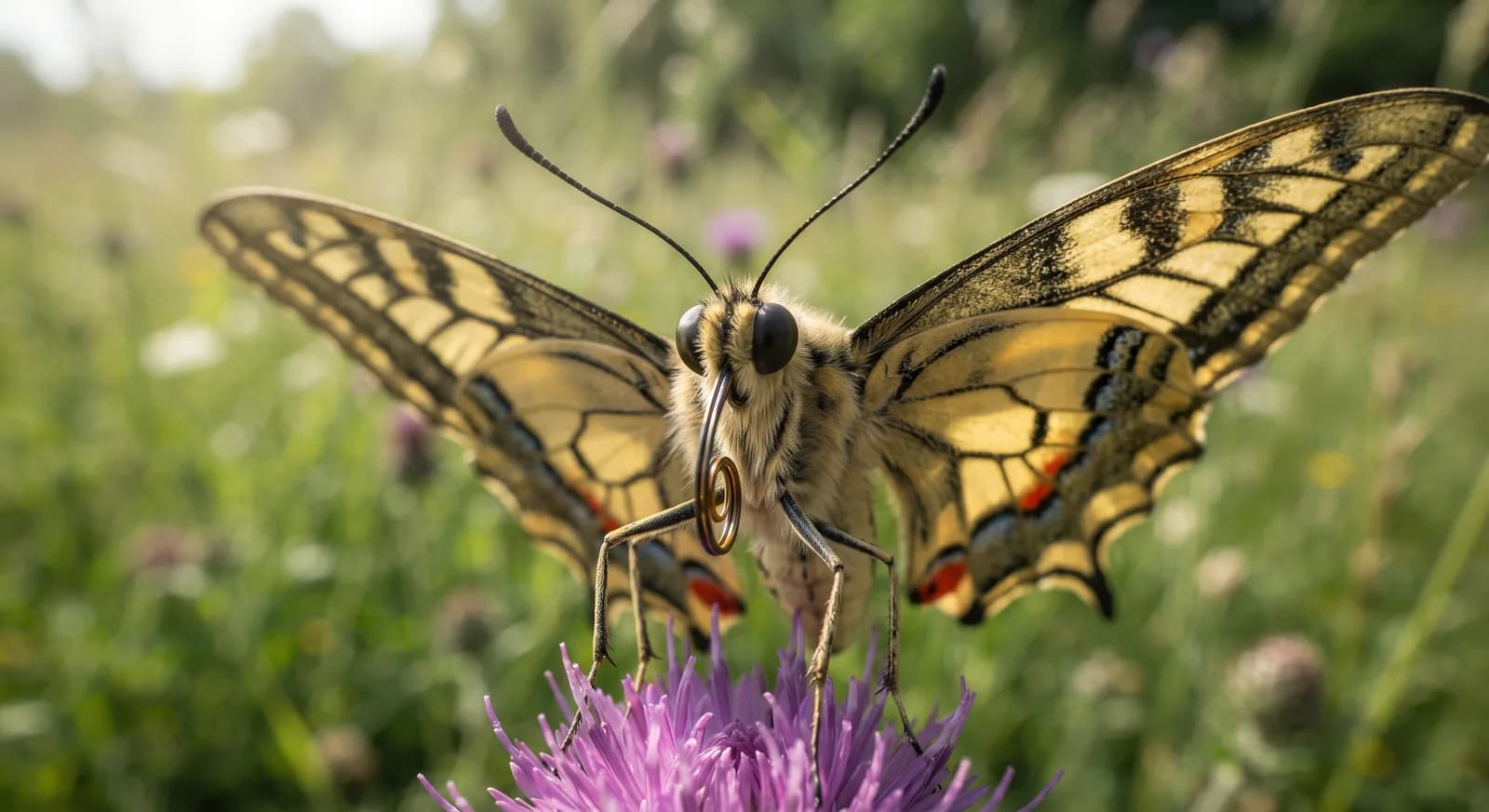
SwallowtailLeast Concern

Swallowtail

Papilio machaon

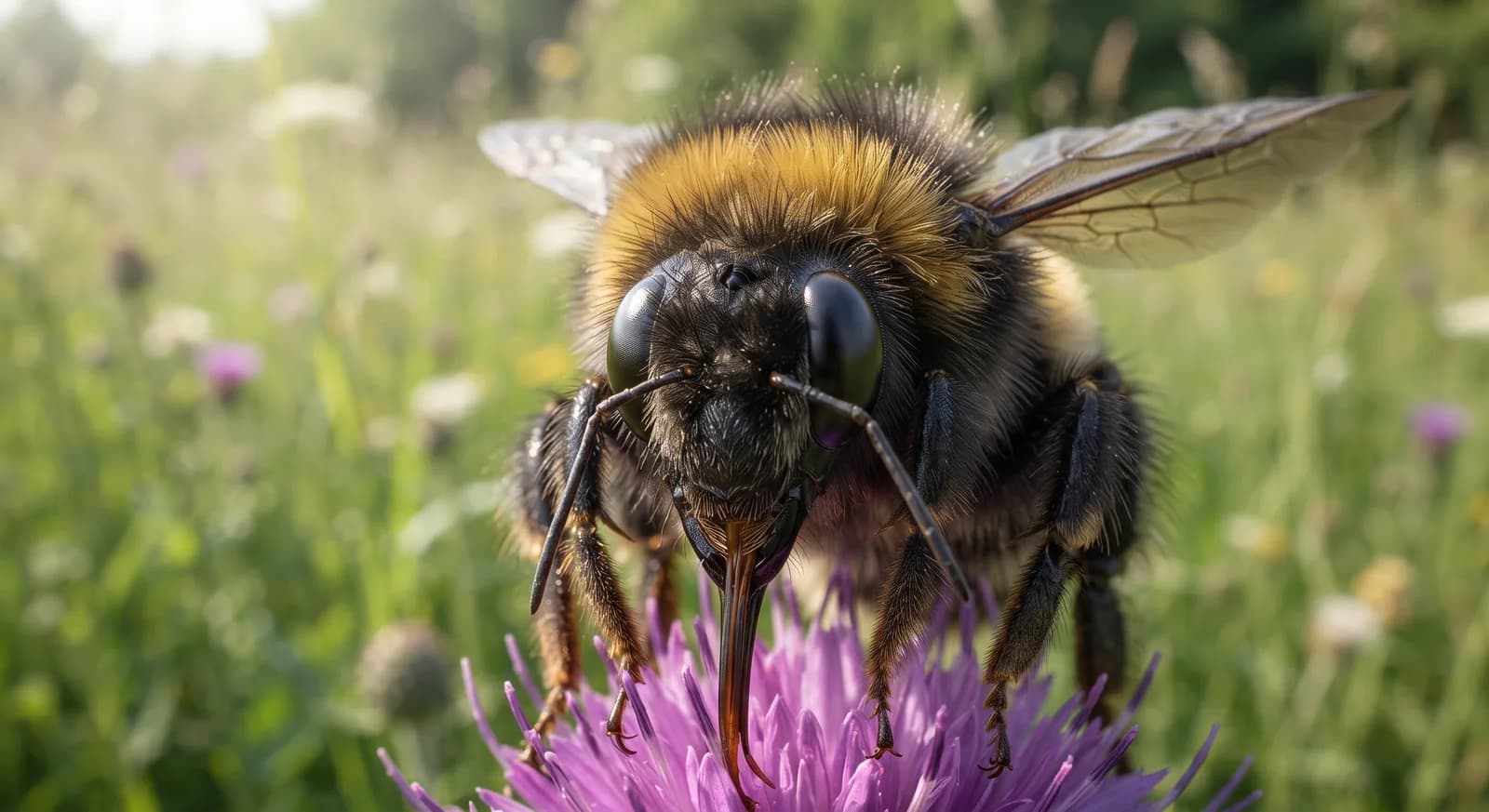
Buff-tailed BumblebeeNot Evaluated

Buff-tailed Bumblebee

Bombus terrestris

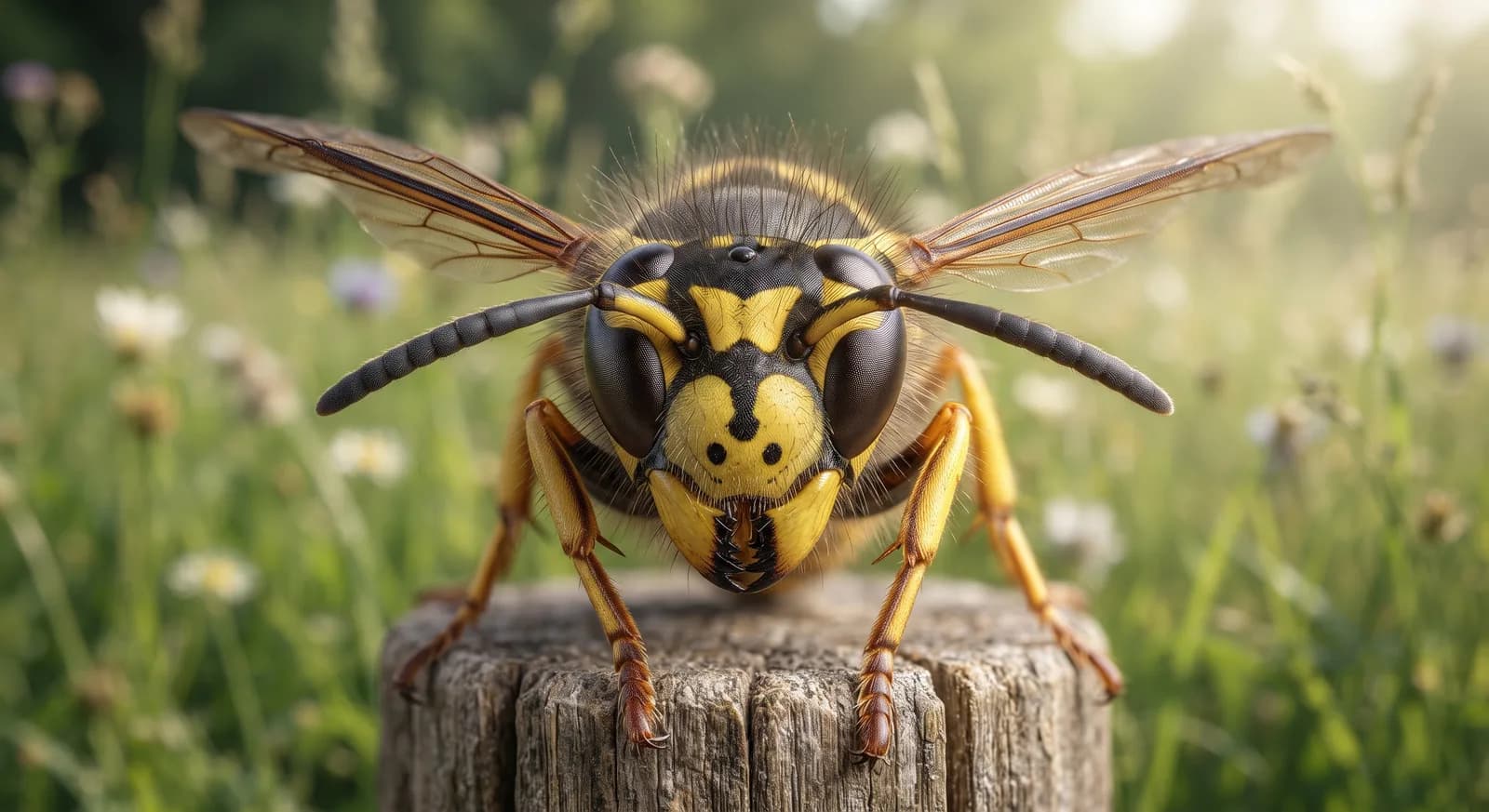
German WaspNot Evaluated

German Wasp

Vespula germanica

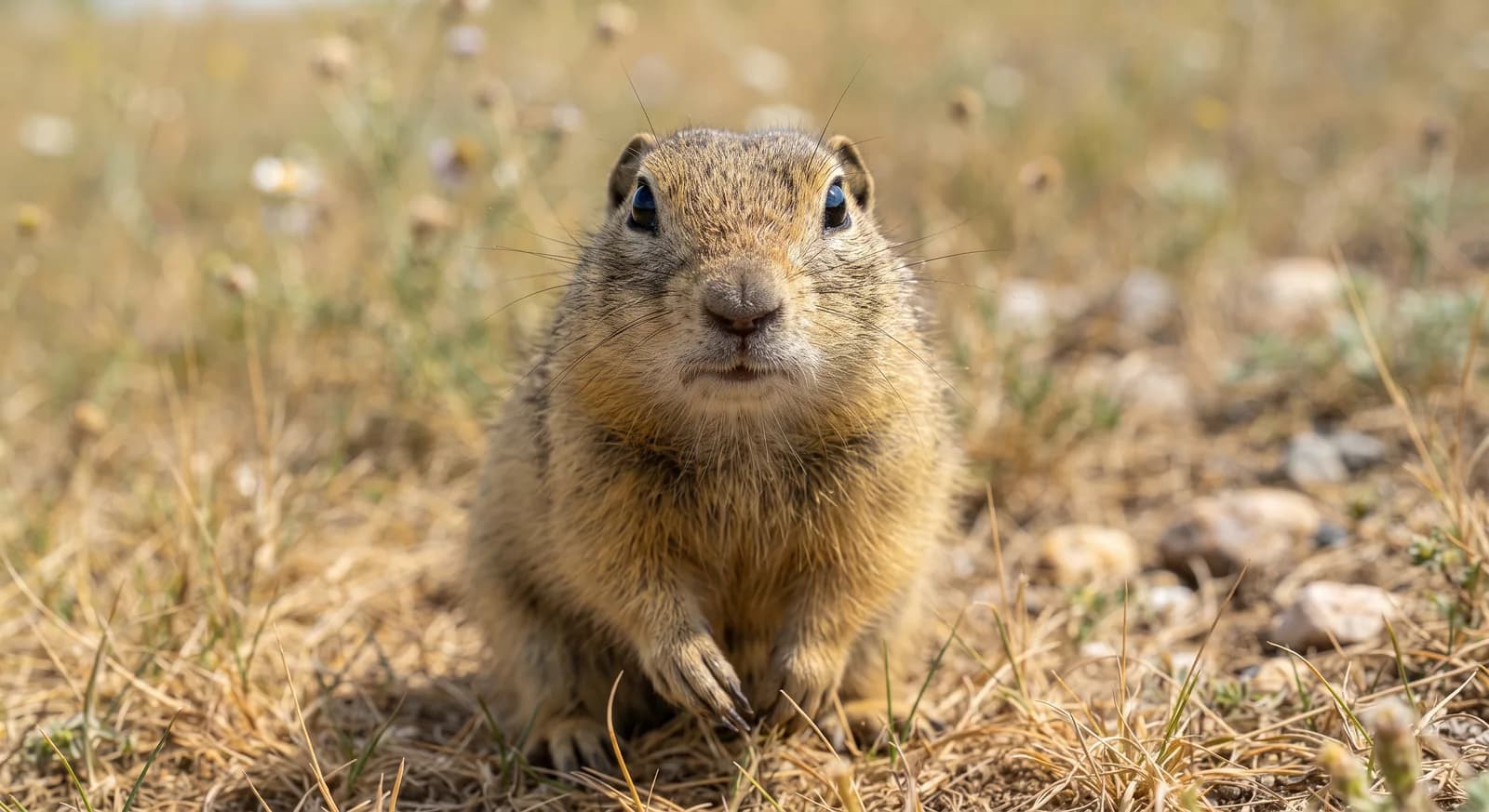
European Ground SquirrelEndangered

European Ground Squirrel

Spermophilus citellus

CountriesSpain
ParksLake DistrictUnited Kingdom
TagsHerbivore
Herbivore
Diurnal
Colonial
Insect
Grassland

Europe39

Asia1

Spain
Italy
United Kingdom
Poland
Germany
Greece
Albania
Andorra
Austria
Belarus
Belgium
Bosnia and Herzegovina
Bulgaria
Croatia
Czechia
Denmark
Estonia
Finland
France
Germany
Greece
Hungary
Ireland
Italy
Latvia
Liechtenstein
Lithuania
Luxembourg
Moldova
Monaco
Montenegro
Netherlands
North Macedonia
Norway
Poland
Portugal
Romania
Serbia
Slovakia
Slovenia
Spain
Sweden
Switzerland
Ukraine
United Kingdom
Russia