Insects · Hymenoptera · Apidae
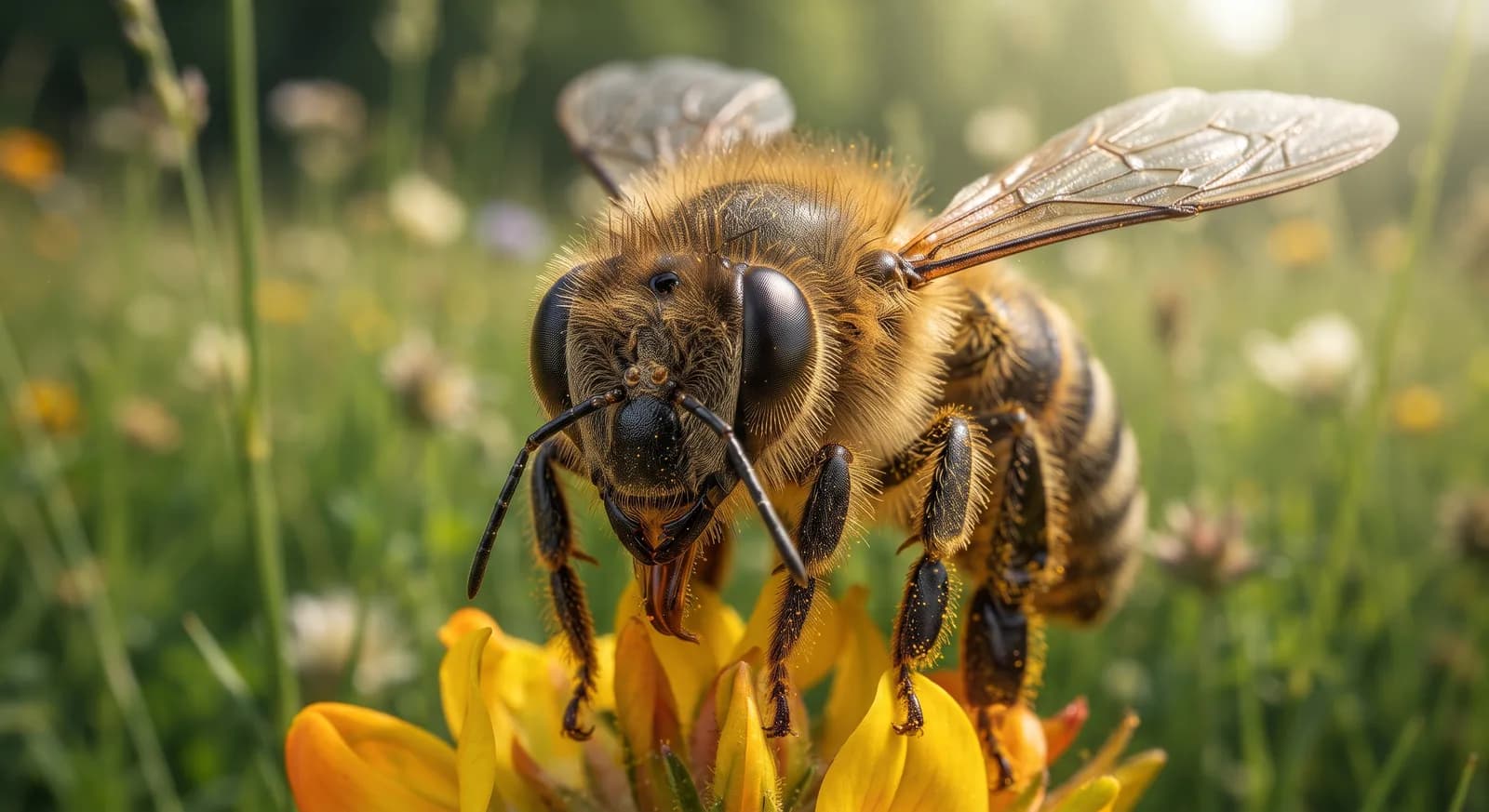
Apis mellifera
It has not yet been assessed against the IUCN criteria.
It lives in eusocial colonies of up to 60,000 individuals with a single breeding queen. It pollinates roughly a third of the world's food crops.
Weight
0 g – 0 g
Size
1.2 cm – 2 cm
Life expectancy
2 years
Diet
Nectarivore
Feeds mainly on flower nectar.
Activity
Diurnal
Active mainly during the day.
Social structure
Colony
Lives in large concentrations, often for breeding reasons.
Sighting difficulty
Unknown
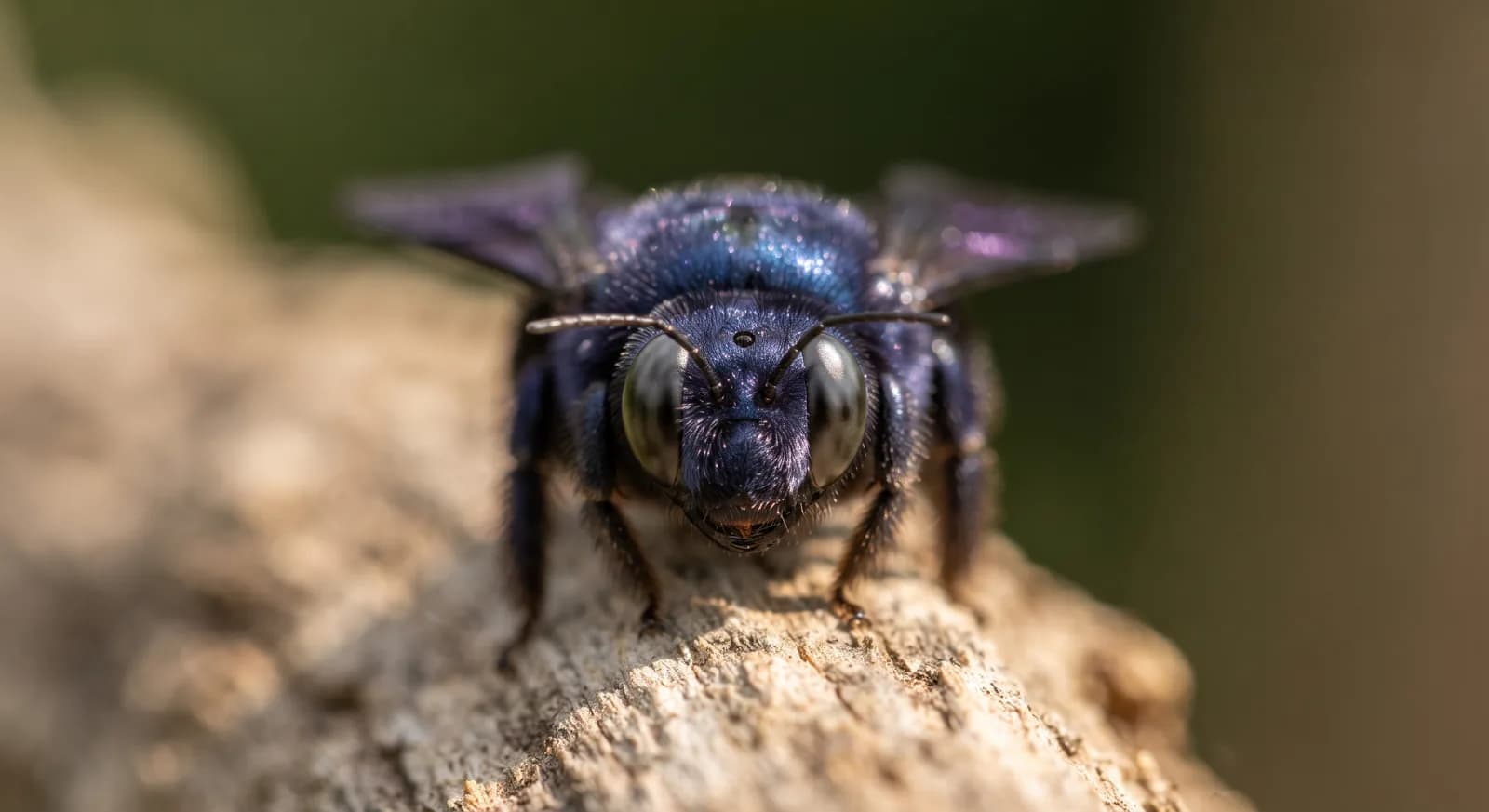
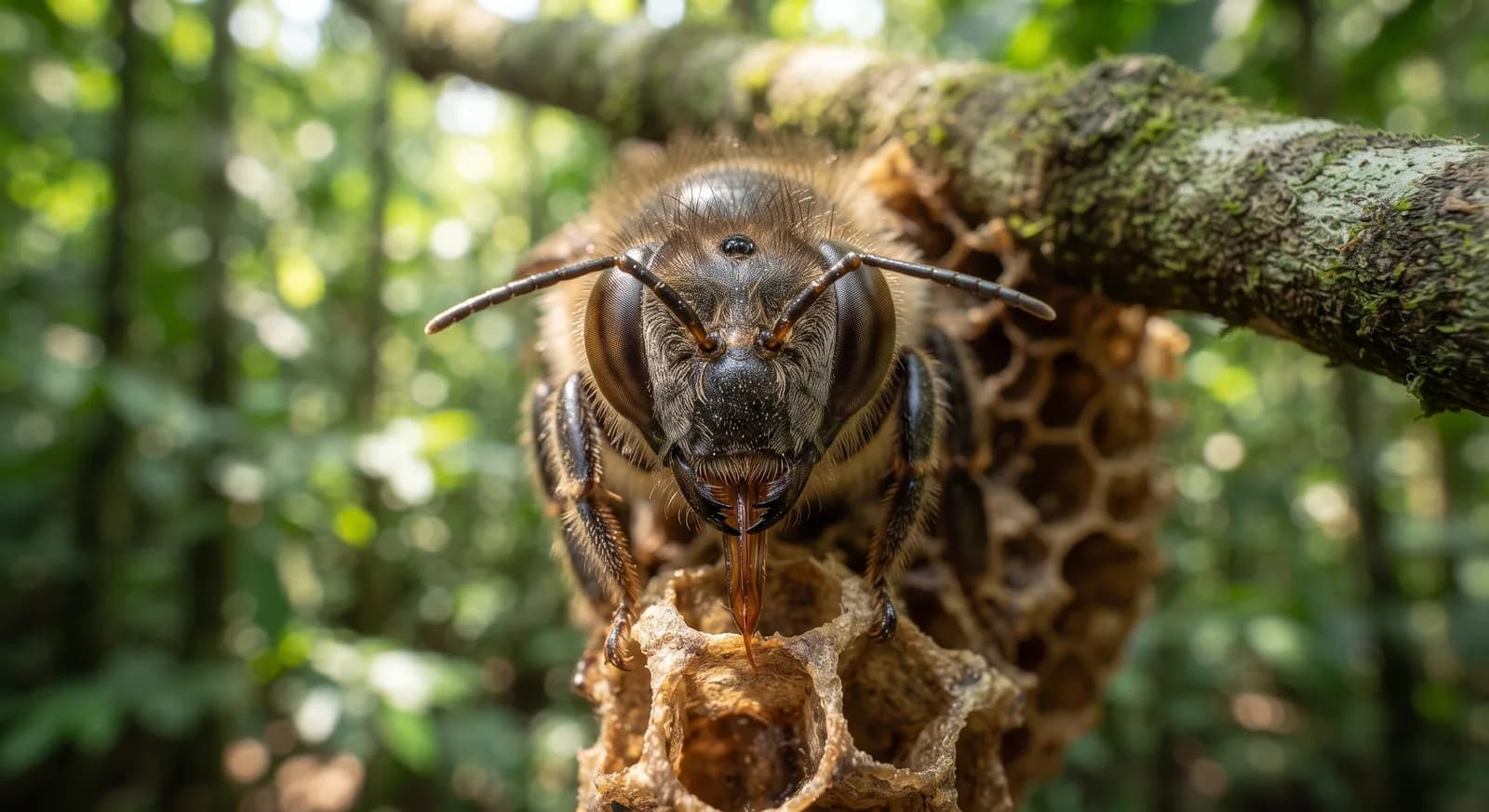
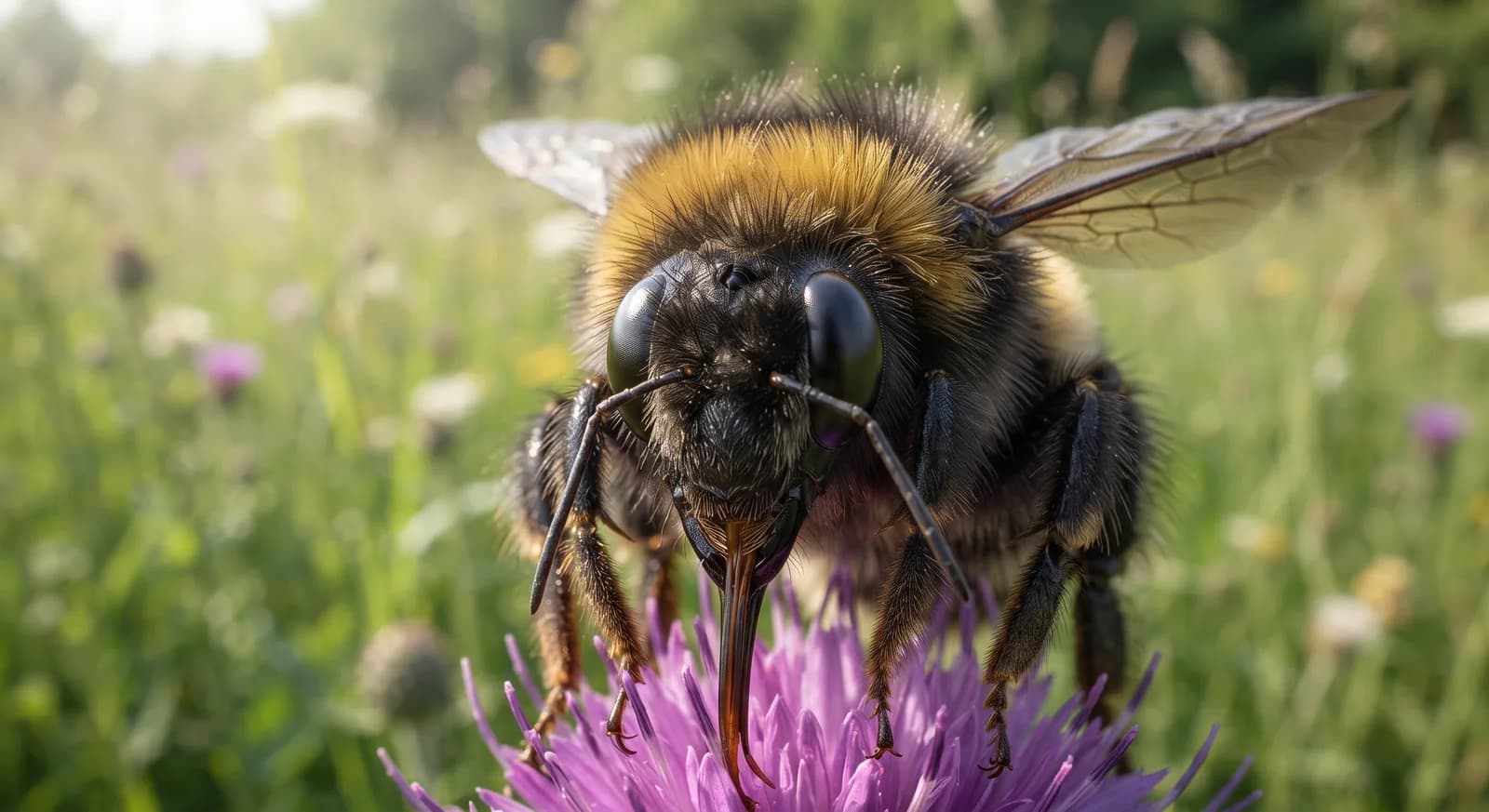
AI-generated images: illustrations, not photographs.
Sources consulted: ScienceDirect (Page & Peng 2001); AnAge (genomics.senescence.info); Animal Diversity Web; PMC (Evolution and mechanisms of long life in queen honey bees); BuzzAboutBees
Other species in the catalogue with the most in common with Western Honey Bee — same habitat, park, country, tags or family.
Based on what we already know about western honey bee.
Share an experience, a fun fact or a tip for seeing the western honey bee.
Be the first to comment.