Skip to content
WAnimals
  • Map
  • Species
  • Parks
  • Diving
Log inCreate account
WAnimals

The guide for travellers and animal lovers: discover, plan and share your wild adventures around the world.

Discover wildlife

  • Species
  • Ecosystems
  • Glossary
  • Tags

Explore places

  • Map
  • Countries
  • Parks
  • Diving

Plan experiences

  • Guides

Learn

  • Blog

Resources

  • Help centre
  • Contact
  • Install the app

Follow us

Account

  • Log in
  • Create account

© 2026 WAnimals. All rights reserved.

About usHow we build our profilesTerms of servicePrivacyLegal notice
MapSpeciesParksDiving
  1. Home
  2. Species
  3. Alfalfa Leafcutter

One of the 9 bees on WAnimals

Alfalfa Leafcutter (Megachile rotundata)

Insects · Hymenoptera · Megachilidae

Alfalfa Leafcutter

Megachile rotundata

Not Evaluated

It has not yet been assessed against the IUCN criteria.

Spotted something wrong?

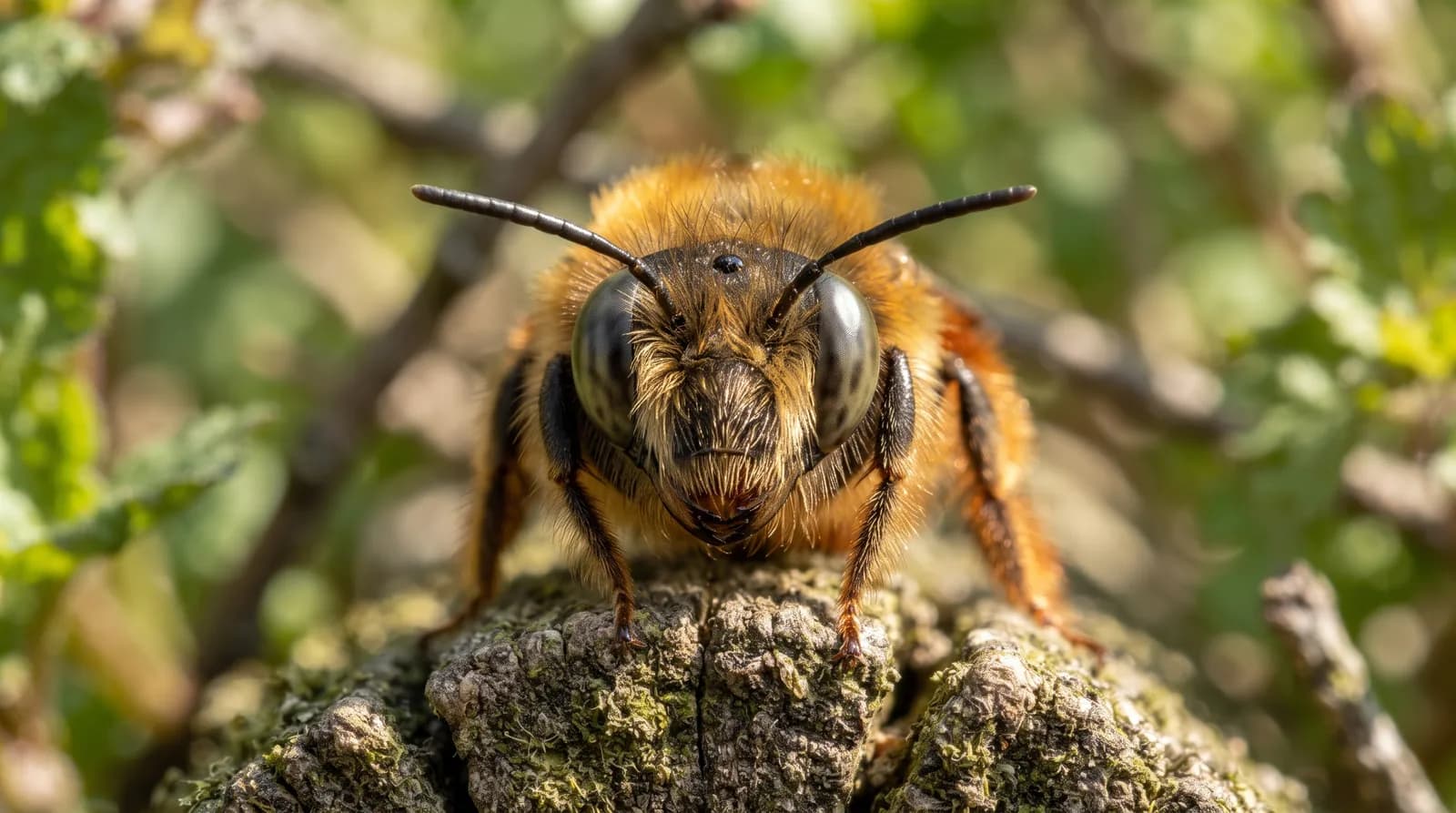
Megachile rotundata, or the alfalfa leafcutter bee, is a European species that has been introduced into other regions of the world. It is a solitary species, that is, it does not build colonies; instead each bee builds its own nest and cares for its own young independently. The nests can be found in old trees or logs. The insides of the nests are lined with pieces of leaf.

Life expectancy

1 year

Diet

Herbivore

Feeds mainly on plants.

Activity

Diurnal

Active mainly during the day.
Social structure

Solitary

Lives and hunts alone, joining others only to breed.

Sighting difficulty

Unknown

Grassland
53countries1same family

AI-generated images: illustrations, not photographs.

Fun facts

  • It is the most intensively managed solitary bee in the world: it transformed the lucerne seed industry in North America, tripling production.
  • It cuts circular discs of leaf with its mandibles and lines each cell with them, hence the name leafcutter.
  • It is solitary but gregarious: there is no queen and no division of labour, each female builds and provisions her own nest, but she prefers to do so alongside others. That is precisely what makes mass rearing possible, in straws or drilled wooden blocks.
  • It arrived accidentally in the United States from Eurasia in the 1940s, and today it is on every continent except Antarctica.
  • It only works on warm, sunny days, above 20 °C.

Life cycle and biology

Skeleton type
Invertebrate - chitin exoskeleton (insect)
Habitat and environment
Grassland and lucerne crops; the female digs out or makes use of cavities — rotten wood, hollow stems, cracks — and lines them with cut discs of leaf
Sexual maturity
A solitary species: each female lays a single egg per cell and the adults emerge already mature at the end of summer
Gestation / incubation
The larva goes through four instars, consumes the pollen ball and enters diapause as a prepupa; pupation lasts 3 to 4 weeks and the adults emerge about 25 days later at 27 °C
Litter / clutch size
Between 30 and 40 eggs per female, one per cell

Sources consulted: https://es.wikipedia.org/wiki/Megachile_rotundata; Ficha de especie de Megachile rotundata; manuales de manejo del polinizador; bioRxiv 2022.01.09.475547

Where to find it

Best time: A single generation a year at high latitudes, emerging in late summer; in warmer climates some of the larvae skip diapause and give a second generation the same summer

Loading map…

Related species

Other species in the catalogue with the most in common with Alfalfa Leafcutter — same habitat, park, country, tags or family.

Same taxonomic family
Related to
Related to
Related to
Related to
Related to

Keep exploring

Based on what we already know about alfalfa leafcutter.

Comments

Share an experience, a fun fact or a tip for seeing the alfalfa leafcutter.

Be the first to comment.

See full glossary
This page in other languages: Español · Deutsch · Français · Português · Italiano
See its range on the interactive map→
Red Mason BeeLeast Concern

Red Mason Bee

Osmia bicornis

Vulnerable

Gopher Tortoise

Gopherus polyphemus

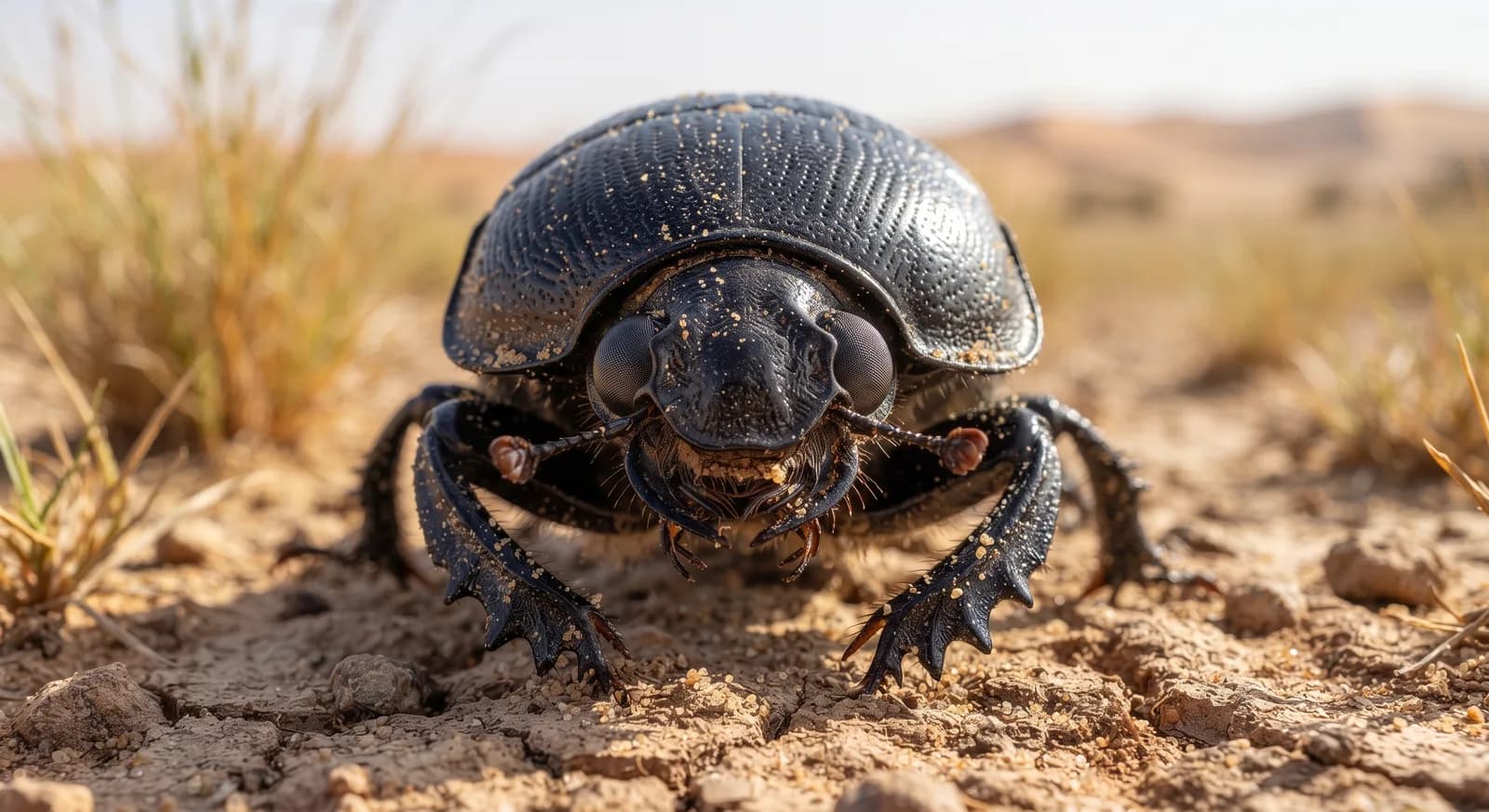
Sacred ScarabNot Evaluated

Sacred Scarab

Scarabaeus sacer

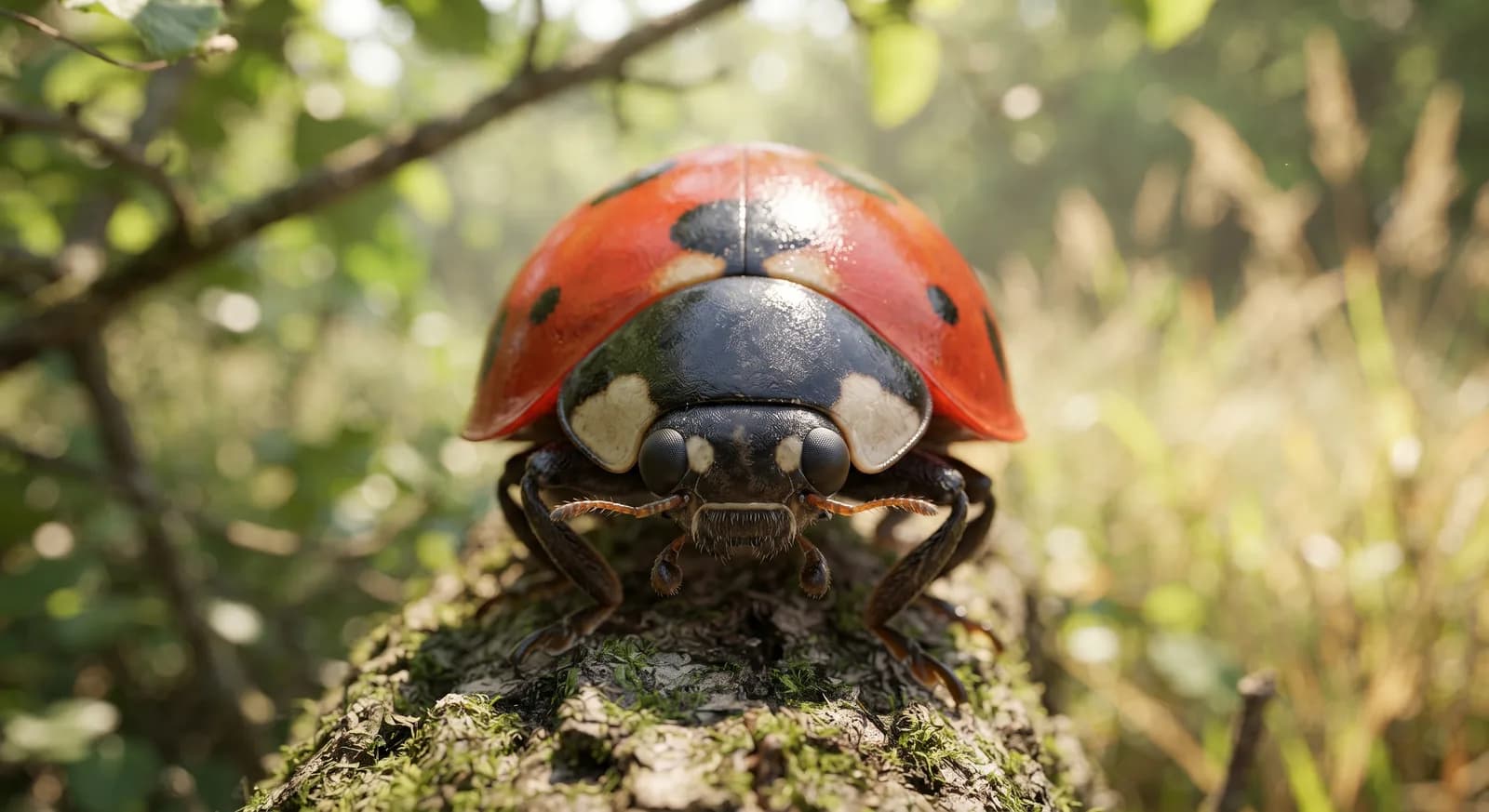
Seven-spotted Lady BeetleNot Evaluated

Seven-spotted Lady Beetle

Coccinella septempunctata

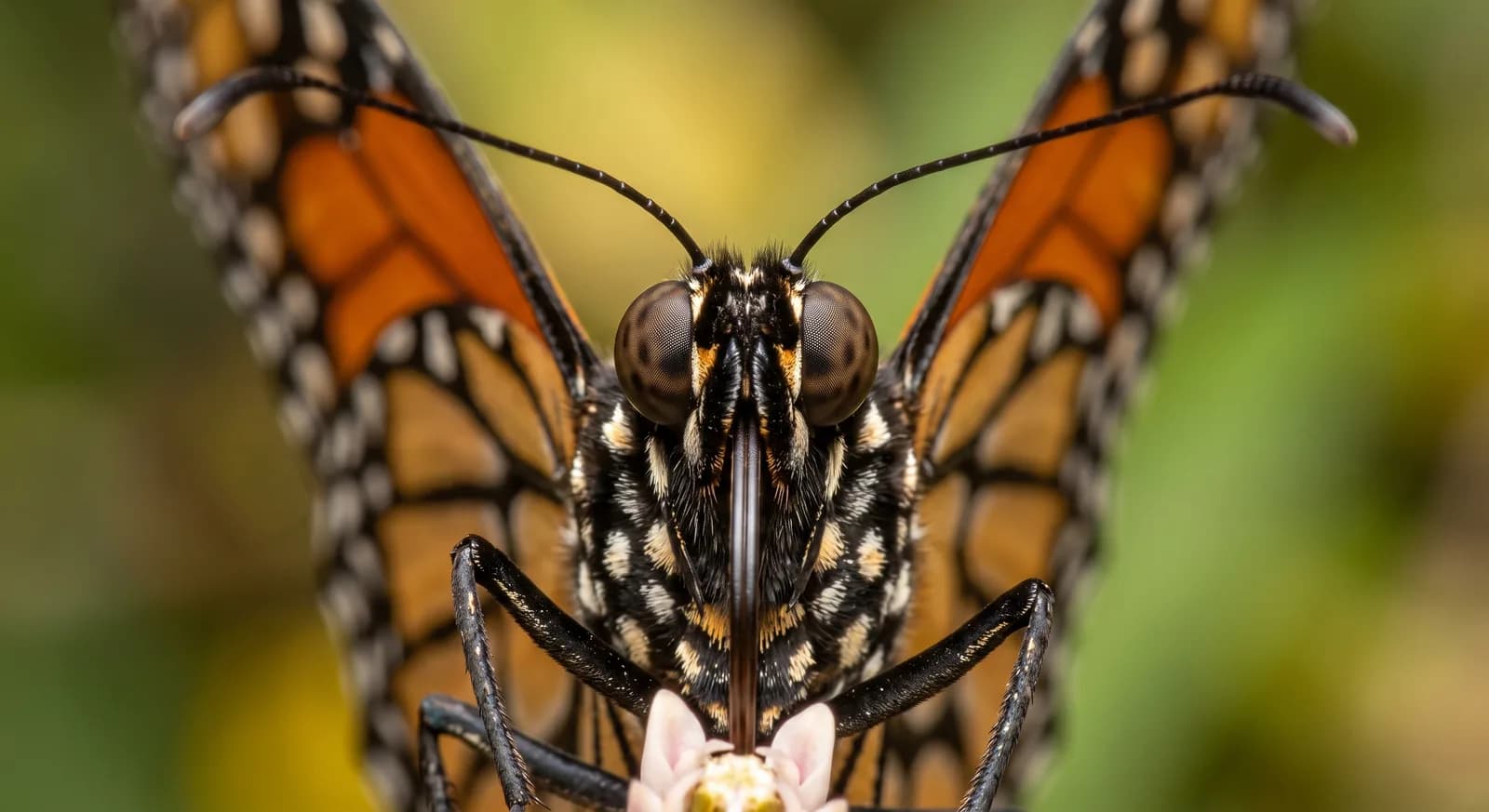
MonarchNot Evaluated

Monarch

Danaus plexippus

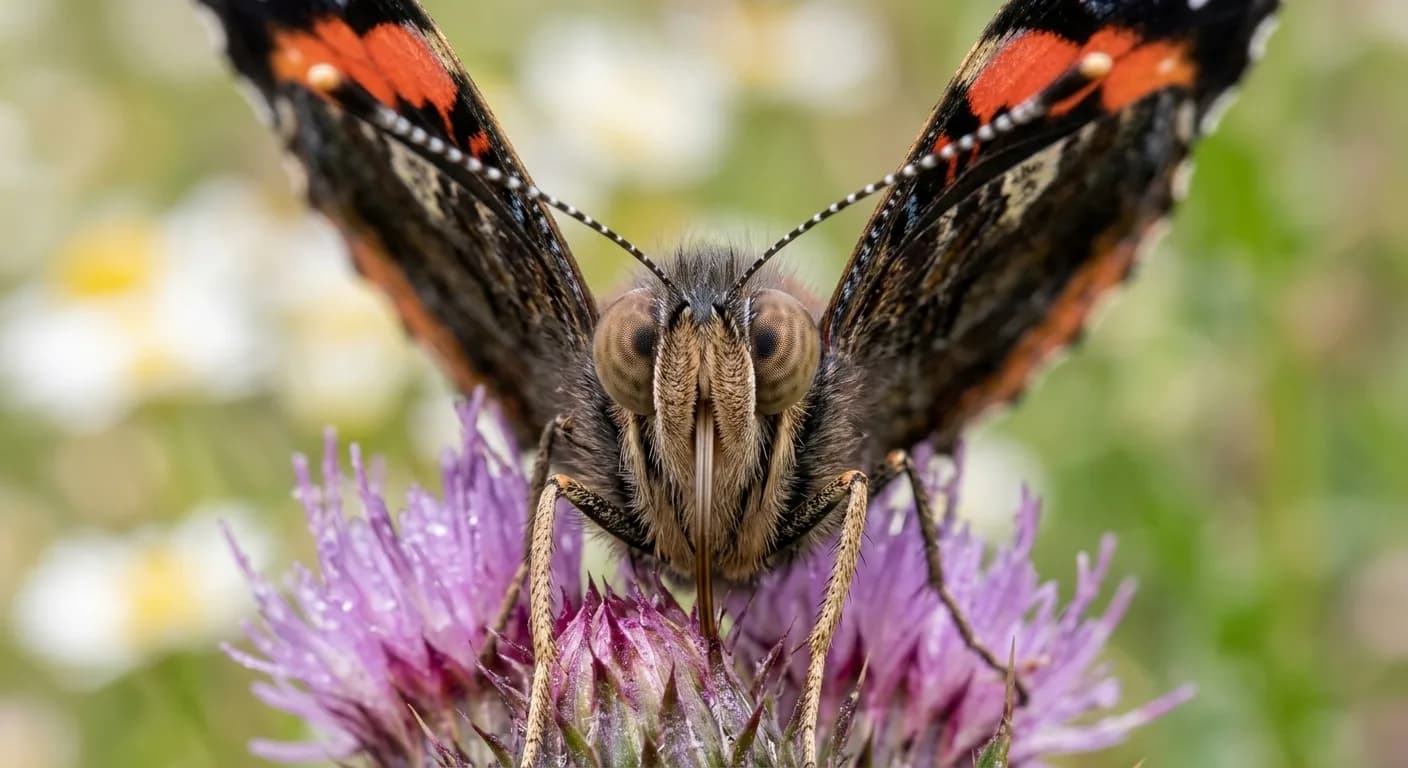
Red AdmiralLeast Concern

Red Admiral

Vanessa atalanta

CountriesAlbania
TagsHerbivore
Herbivore
Diurnal
Solitary
Insect
Grassland

Europe41

Asia5

North America2

Oceania2

South America2

Africa1

Albania
Andorra
Argentina
Australia
Austria
Belarus
Albania
Andorra
Austria
Belarus
Belgium
Bosnia and Herzegovina
Bulgaria
Croatia
Cyprus
Czechia
Denmark
Estonia
Finland
France
Germany
Greece
Hungary
Iceland
Ireland
Italy
Latvia
Lithuania
Luxembourg
Malta
Moldova
Monaco
Montenegro
Netherlands
North Macedonia
Norway
Poland
Portugal
Romania
Serbia
Slovakia
Slovenia
Spain
Sweden
Switzerland
Ukraine
United Kingdom
China
Iran
Kazakhstan
Russia
Türkiye
Canada
United States
Australia
New Zealand
Argentina
Chile
Morocco