Skip to content
WAnimals
  • Map
  • Species
  • Parks
  • Diving
Log inCreate account
WAnimals

The guide for travellers and animal lovers: discover, plan and share your wild adventures around the world.

Discover wildlife

  • Species
  • Ecosystems
  • Glossary
  • Tags

Explore places

  • Map
  • Countries
  • Parks
  • Diving

Plan experiences

  • Guides

Learn

  • Blog

Resources

  • Help centre
  • Contact
  • Install the app

Follow us

Account

  • Log in
  • Create account

© 2026 WAnimals. All rights reserved.

About usHow we build our profilesTerms of servicePrivacyLegal notice
MapSpeciesParksDiving
  1. Home
  2. Species
  3. Army Ant

One of the 13 ants on WAnimals

Insects · Hymenoptera · Formicidae

Army Ant

Eciton burchellii

Not Evaluated

It has not yet been assessed against the IUCN criteria.

Spotted something wrong?

An army ant of the American rainforest, which builds no permanent nest: the colony, of several hundred thousand individuals, camps in a bivouac made from the bodies of the workers themselves, linked to one another around the queen and the brood, and moves on every few nights.

Size

0.3 cm – 1.2 cm

Life expectancy

3 years

Diet

Carnivore

Feeds mainly on other animals.

Activity

Diurnal

Active mainly during the day.

Social structure

Colony

Lives in large concentrations, often for breeding reasons.

Sighting difficulty

Unknown

Rainforest
19countries72parks10same family

Fun facts

  • GeneralIt builds no anthill: the workers link their bodies into a living nest called a bivouac.
  • comportamientoIt builds no permanent nest: its colonies are nomadic, and the workers link their own bodies into temporary structures (a bivouac) to shelter the queen and the larvae.
  • Its hunting swarm advances in a fan across the forest floor, up to twenty metres wide, and takes every arthropod and small vertebrate that fails to escape.
  • Dozens of bird species, the so-called ant-followers, make a living by accompanying these columns and catching the insects fleeing the swarm, and some depend on them entirely.
  • The workers bridge gaps in the ground with their own bodies and adjust the shape of the bridge to minimise the number of ants tied up in it.
  • It is the only Eciton species that hunts in swarms: a fan-shaped front more than fifteen metres wide, instead of the narrow columns of the rest.
  • It builds no nest: hundreds of thousands of workers link together to form a living bivouac, among buttress roots or up to twenty metres above the ground in the trees.
  • It alternates phases: some twenty nomadic days, during which it shifts bivouac almost every night, and a statary phase in which the queen lays between 100,000 and 300,000 eggs.
  • It is a keystone species of the tropical forest: more than three hundred species depend on its columns, among them the antbirds, which hunt the arthropods fleeing the swarm.
  • The workers are polymorphic, from 3 to 12 mm, with a soldier caste bearing long sickle-shaped mandibles.

Life cycle and biology

Skeleton type
Invertebrate - chitin exoskeleton (insect)
Habitat and environment
The floor of tropical rainforest
Sexual maturity
The new queens are ergatoid (wingless) and mate within the colony itself with several males before fission; the male is carried into the nest by the workers, copulates once and dies within 48 hours. The queen stores the sperm to fertilise all her future laying
Gestation / incubation
The cycle alternates two phases tied to the development of the brood: a nomadic phase while the brood is in the larval stage, with intense raiding and emigration at the end of each day, and a statary phase as soon as the larvae pupate, when the emigrations cease and the colony stays put
Litter / clutch size
The queen lays up to 100,000 eggs every three weeks all year round; the colony holds from hundreds of thousands to two million individuals and splits in two about every three years, when it produces thousands of males and a few new queens

Sources consulted: https://en.wikipedia.org/wiki/Eciton_burchellii; Britannica, ficha Eciton army ant; ficha de especie de Eciton burchellii (UWI); AntScout; AntWiki, Eciton burchellii (Schneirla); Animal Diversity Web, Eciton burchellii; AntWiki; Ficha de especie de Eciton burchellii (UWI, Holldobler & Wilson 1990); Britannica; Animal Diversity Web

Where to find it

Best time: Active all year in lowland rainforest, from Mexico to Argentina; the raids are by day and form carpet-like fronts up to 25 m wide. It builds no nest: the colony forms a bivouac out of its own bodies, hooked together by the tarsal claws, under fallen trunks or up to 20 m high in the trees

Loading map…

Where to see it

Parks and dive sites where this species has been documented — showing 10 of 72.

Related species

Other species in the catalogue with the most in common with Army Ant — same habitat, park, country, tags or family.

Same taxonomic family
Shares a park
Shares a park
Shares a park
Shares a park

Keep exploring

Based on what we already know about army ant.

Comments

Share an experience, a fun fact or a tip for seeing the army ant.

Be the first to comment.

See full glossary
This page in other languages: Español · Deutsch · Français · Português · Italiano

The pins mark the parks where its presence is documented.
See its range on the interactive map→
CorcovadoCosta Rica
TortugueroCosta Rica
Manuel AntonioCosta Rica
MonteverdeCosta Rica
Arenal VolcanoCosta Rica
CoibaPanama
DarienPanama
TikalGuatemala
Maya Biosphere ReserveGuatemala
Río PlátanoHonduras
See all 72 parks
Not Evaluated

Leaf-cutter Ant

Atta cephalotes

Not Evaluated

Bullet Ant

Paraponera clavata

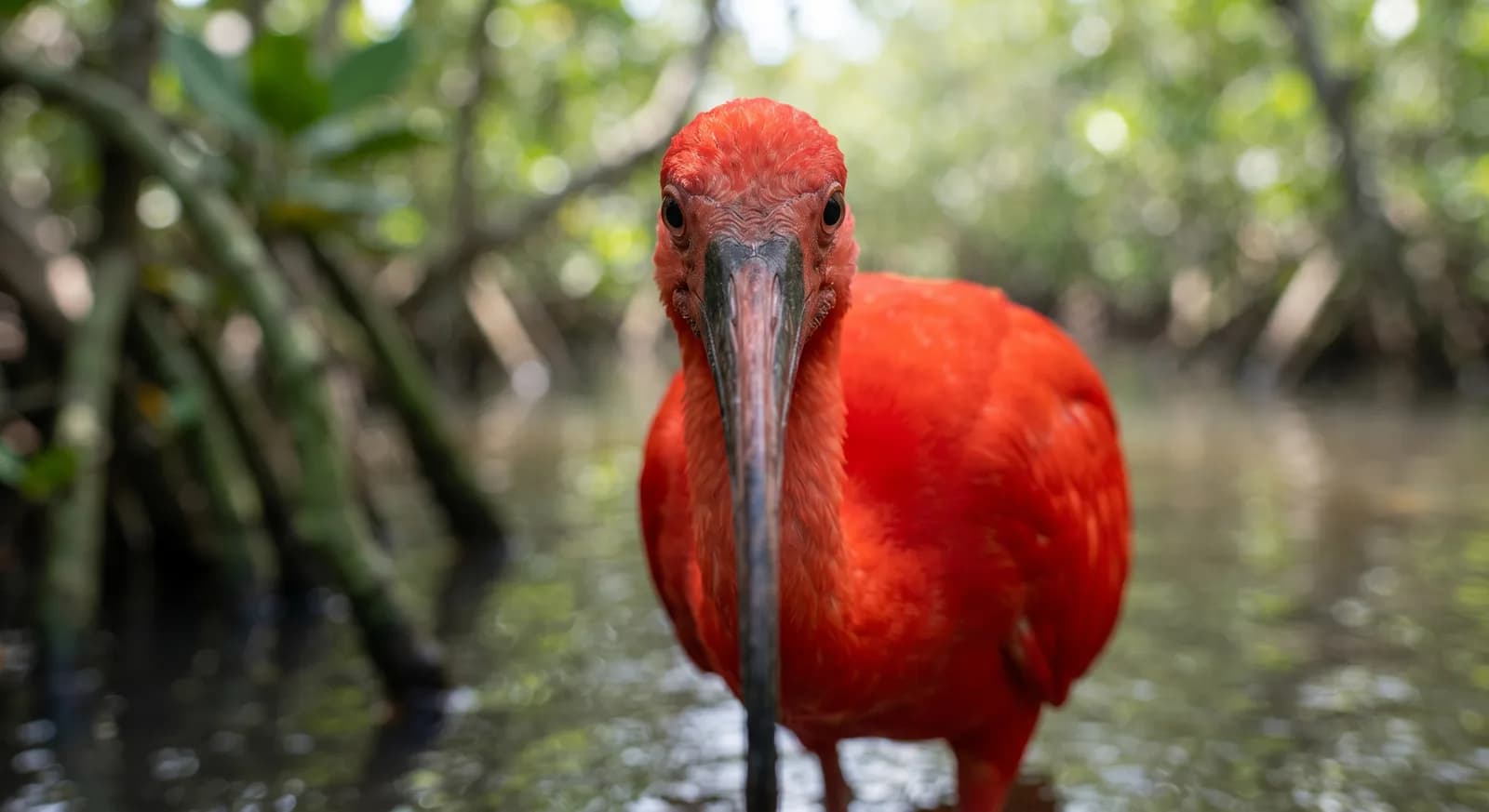
Scarlet IbisLeast Concern

Scarlet Ibis

Eudocimus ruber

Not Evaluated

Mayan Melipona

Melipona beecheii

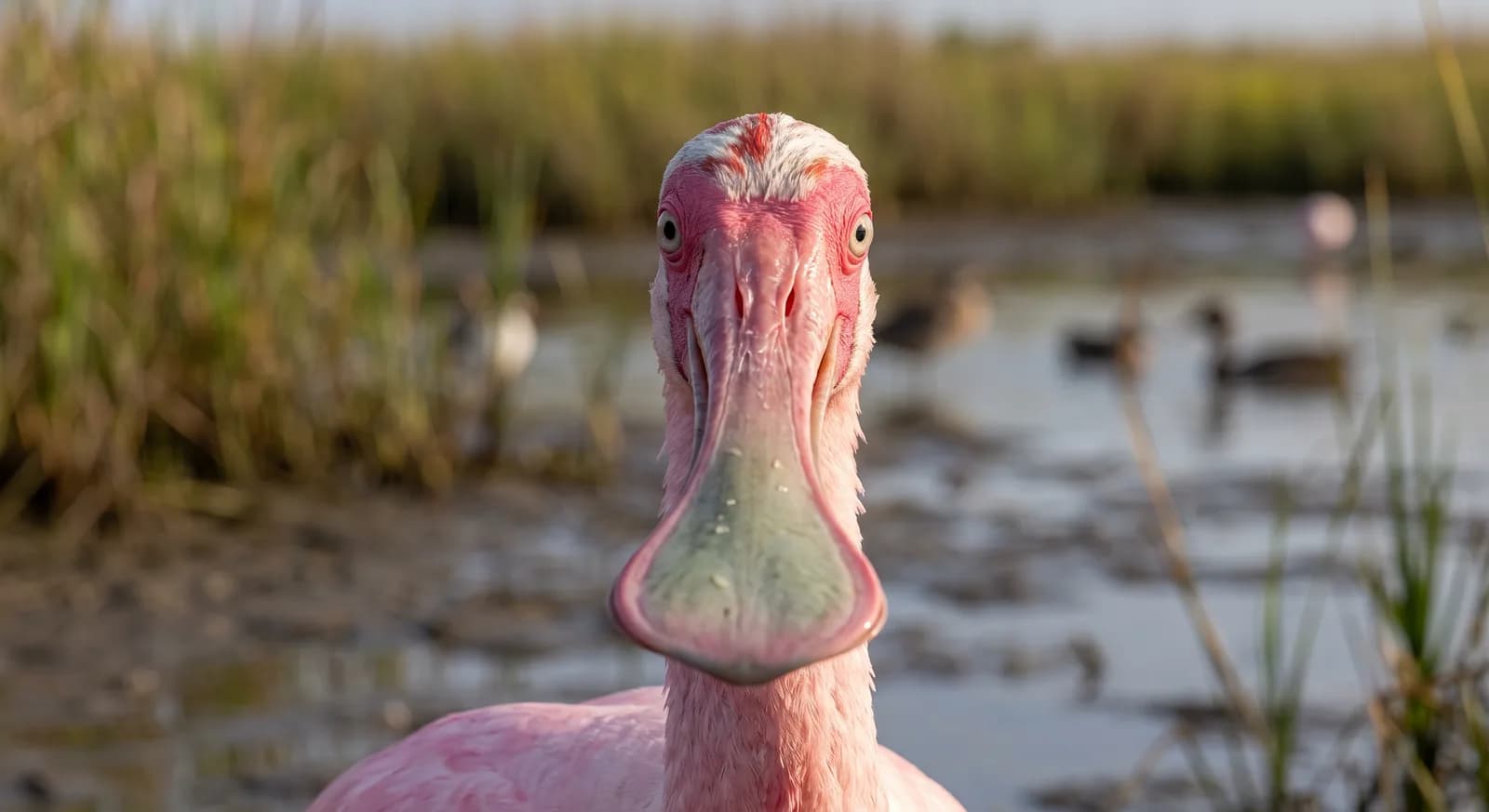
Roseate SpoonbillLeast Concern

Roseate Spoonbill

Platalea ajaja

Snowy EgretLeast Concern

Snowy Egret

Egretta thula

CountriesBrazil
ParksCorcovadoCosta Rica
TagsCarnivore
Carnivore
Diurnal
Colonial
Insect
Rainforest

South America11

North America8

Brazil
Costa Rica
Colombia
Panama
Peru
Guatemala
Argentina
Bolivia
Brazil
Colombia
Ecuador
French Guiana
Guyana
Paraguay
Peru
Suriname
Venezuela
Belize
Costa Rica
El Salvador
Guatemala
Honduras
Mexico
Nicaragua
Panama