Skip to content
WAnimals
  • Map
  • Species
  • Parks
  • Diving
Log inCreate account
WAnimals

The guide for travellers and animal lovers: discover, plan and share your wild adventures around the world.

Discover wildlife

  • Species
  • Ecosystems
  • Glossary
  • Tags

Explore places

  • Map
  • Countries
  • Parks
  • Diving

Plan experiences

  • Guides

Learn

  • Blog

Resources

  • About us
  • How we build our profiles
  • Help centre
  • Contact
  • Install the app

Follow us

Account

  • Log in
  • Create account

© 2026 WAnimals. All rights reserved.

Terms of servicePrivacyCookiesLegal notice
MapSpeciesParksDiving
  1. Home
  2. Species
  3. Argentine Ant

One of the 13 ants on WAnimals
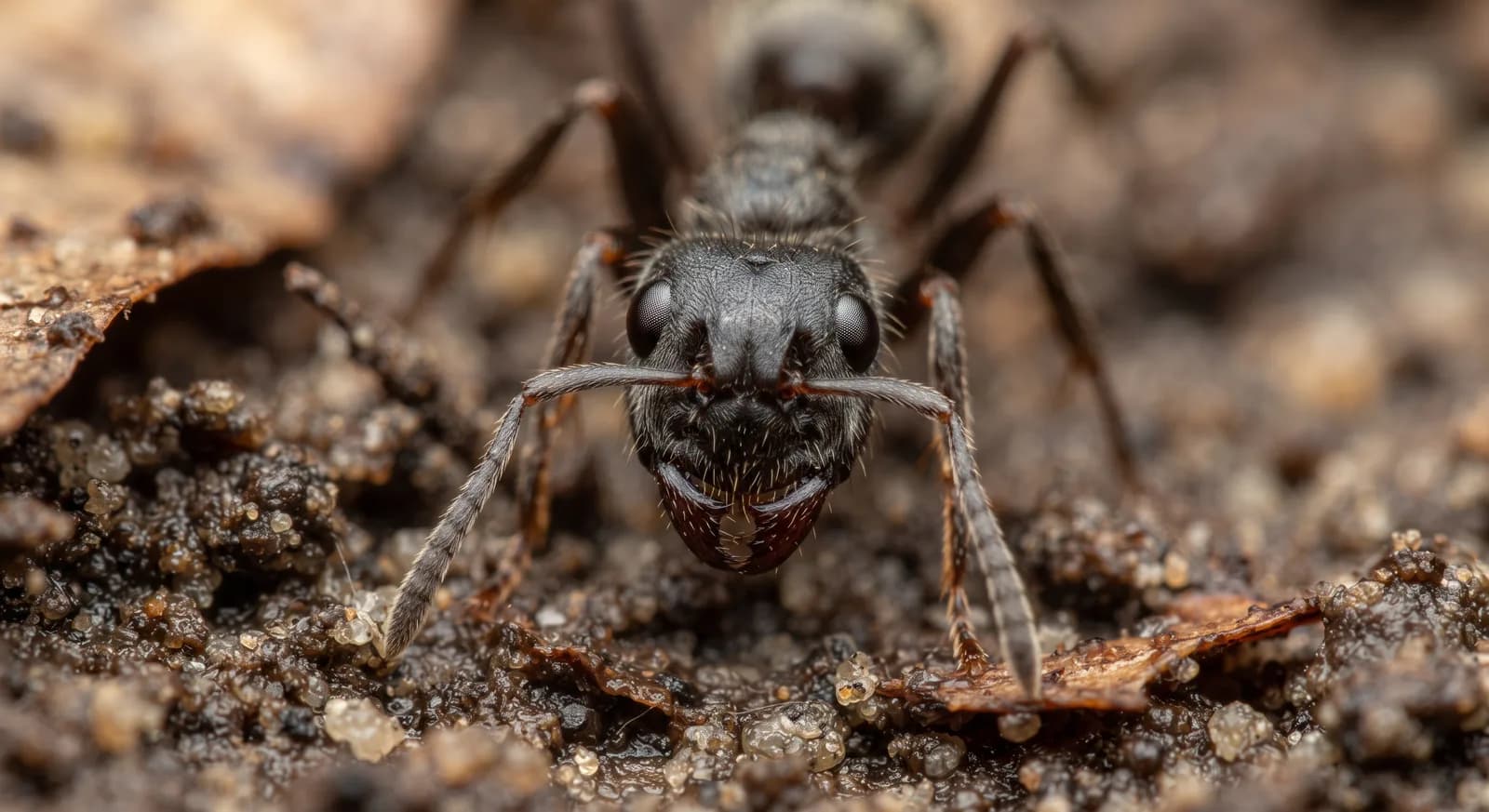
Argentine Ant (Linepithema humile)

Insects · Hymenoptera · Formicidae

Argentine Ant

Linepithema humile

Not Evaluated

It has not yet been assessed against the IUCN criteria.

Spotted something wrong?

The Argentine ant, described by Gustav Mayr in 1868, is a species native to north-eastern Argentina, Paraguay, Bolivia, Uruguay and southern Brazil, but it has spread to every continent except Antarctica and has reached isolated places a long way from its natural range, such as Hawaii, Japan, New Zealand and Norway. The queens measure some 4 mm and the workers between 2 and 3 mm. There is no division into castes among the workers.

Life expectancy

1 year

Diet

Omnivore

Combines animal and plant food depending on availability.

Activity

Diurnal

Active mainly during the day.
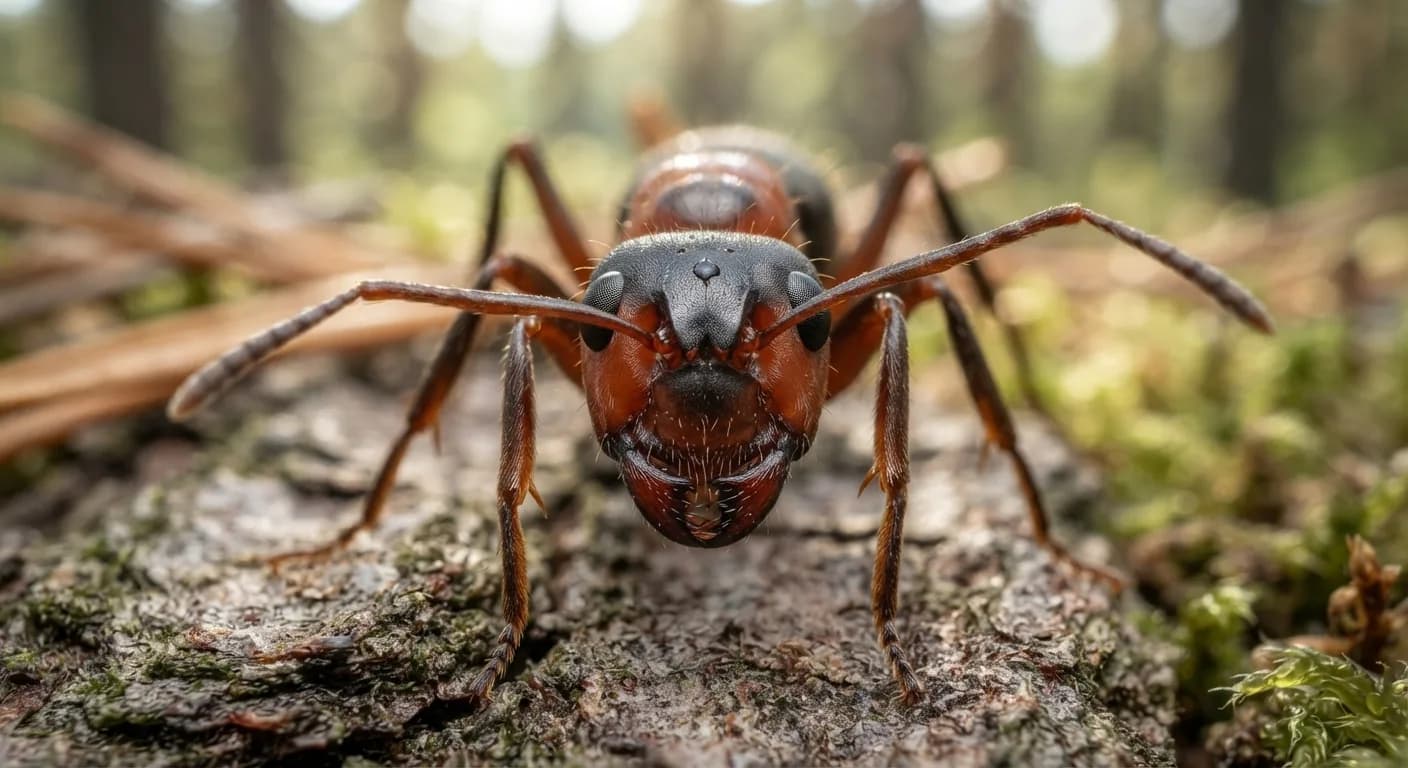
Social structure

Colony

Lives in large concentrations, often for breeding reasons.

Grassland
60countries10same family

AI-generated images: illustrations, not photographs.

Fun facts

  • GeneralIt forms supercolonies thousands of kilometres across, within which the workers never fight one another.
  • It is unicolonial: workers from nests hundreds of kilometres apart do not attack one another, and that lack of internal competition is what makes it so dominant.
  • The main European supercolony stretches some 6,000 km along the Mediterranean coast, from Portugal and Spain to Italy; in eastern Spain there is a second supercolony, the Catalan one, and workers from the two do fight to the death.
  • The introduced supercolonies descend from very few founding individuals, in some cases barely a dozen, which explains their extremely low genetic diversity.
  • It displaces native ants, protects the aphids that damage plants and comes into houses.

Life cycle and biology

Skeleton type
Invertebrate - chitin exoskeleton (insect)
Habitat and environment
Gardens, farmland and damp urban areas
Birth weight
Egg of about 0.02 mg
Size at birth
Elliptical egg 0.3 mm long by 0.2 mm wide
Gestation / incubation
Development from egg to adult worker takes 74 days on average
Litter / clutch size
The queen can lay up to 60 eggs a day; the colonies are polygynous, with hundreds of queens per supercolony

Sources consulted: Wikipedia (es): Linepithema humile · Texas Invasive Species Institute, ficha Linepithema humile · Texas Invasive Species Institute (obreras 12 meses) · BioKIDS (Univ. of Michigan), Linepithema humile

Where to find it

Loading map…

Related species

Other species in the catalogue with the most in common with Argentine Ant — same habitat, park, country, tags or family.

Same taxonomic family

Keep exploring

Based on what we already know about argentine ant.

Share an experience, a fun fact or a tip for seeing the argentine ant.
See full glossary
This page in other languages: Español · Deutsch · Français · Português · Italiano
See its range on the interactive map→
Not Evaluated

South American Fire Ant

Solenopsis invicta

Not Evaluated

Red Bull Ant

Myrmecia gulosa

Not Evaluated

Pharaoh Ant

Monomorium pharaonis

Red Wood AntNear Threatened

Red Wood Ant

Formica rufa

Not Evaluated

Kerengga Ant

Oecophylla smaragdina

Not Evaluated

Hercules Ant

Camponotus herculeanus

CountriesAlbania
TagsOmnivore
Omnivore
Diurnal
Colonial
Insect
Grassland

Europe37

South America9

Asia6

Africa4

North America2

Oceania2

Albania
Argentina
Australia
Austria
Belarus
Belgium
Albania
Austria
Belarus
Belgium
Bosnia and Herzegovina
Bulgaria
Croatia
Cyprus
Czechia
Denmark
Estonia
Finland
France
Germany
Greece
Hungary
Ireland
Italy
Latvia
Lithuania
Luxembourg
Malta
Moldova
Montenegro
Netherlands
Norway
Poland
Portugal
Romania
Serbia
Slovakia
Slovenia
Spain
Sweden
Switzerland
Ukraine
United Kingdom
Argentina
Bolivia
Brazil
Chile
Colombia
Ecuador
Paraguay
Peru
Uruguay
India
Israel
Japan
Russia
South Korea
Türkiye
Egypt
Kenya
Morocco
South Africa
Mexico
United States
Australia
New Zealand