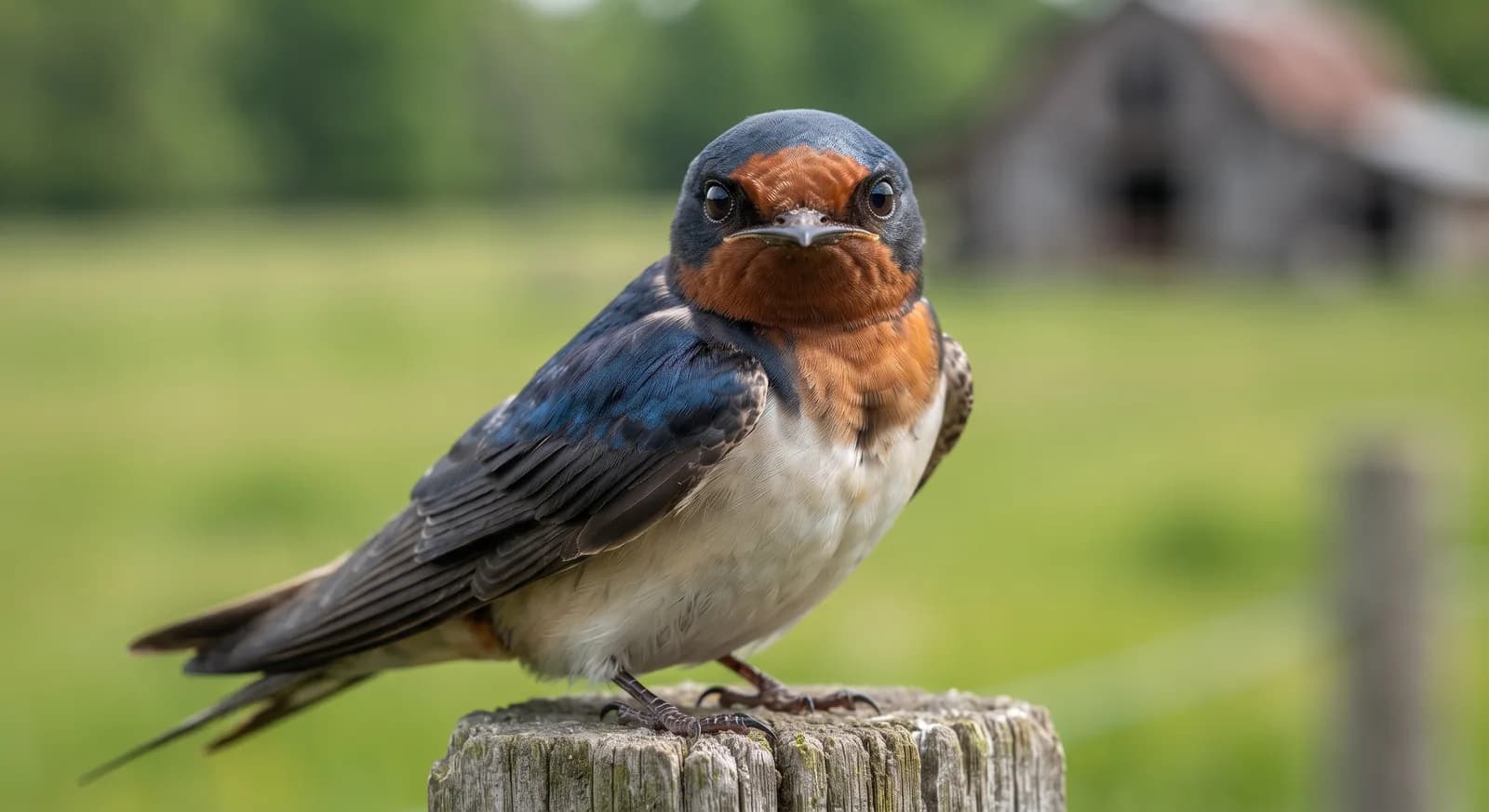
One of the 3 martins on WAnimals
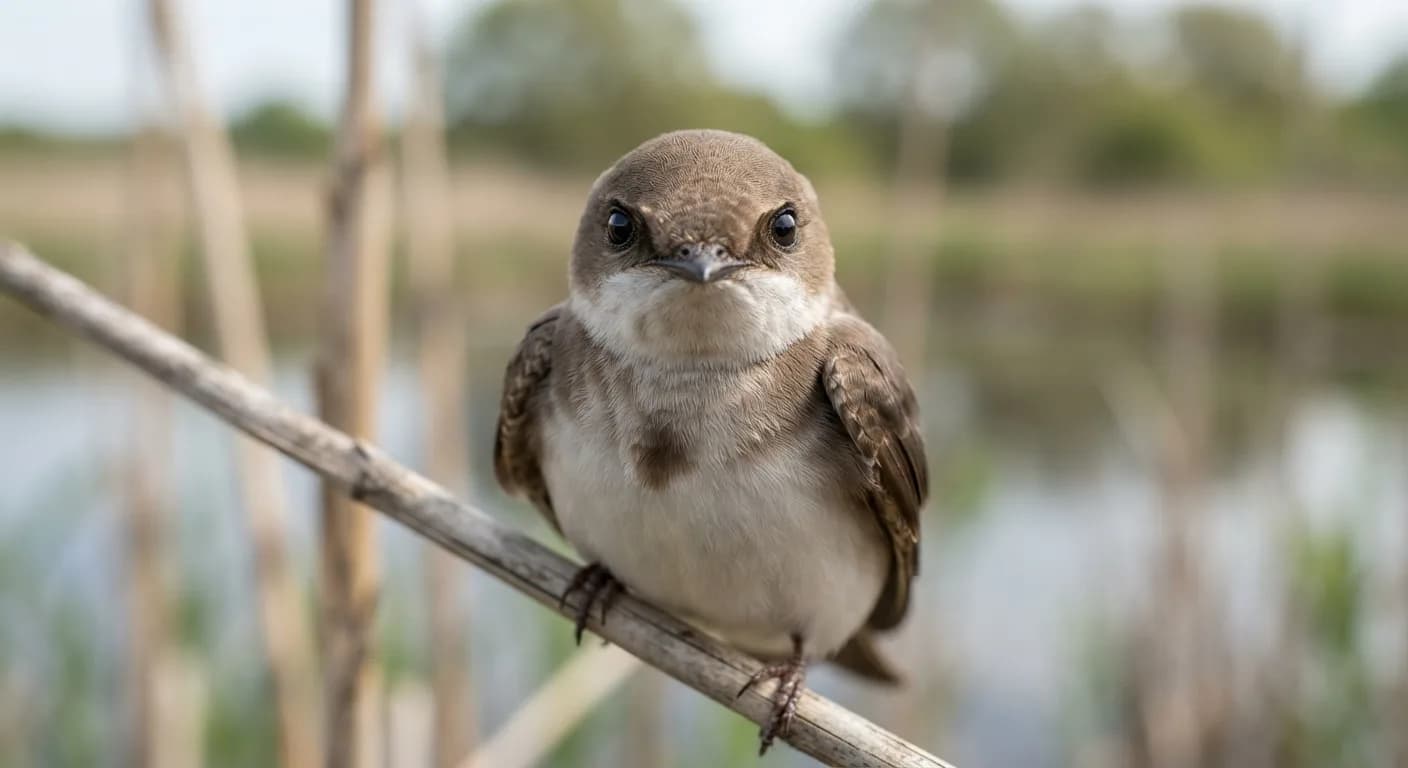
Birds · Passeriformes · Hirundinidae
Riparia riparia
The species is abundant and widely distributed; it faces no significant short-term risk.
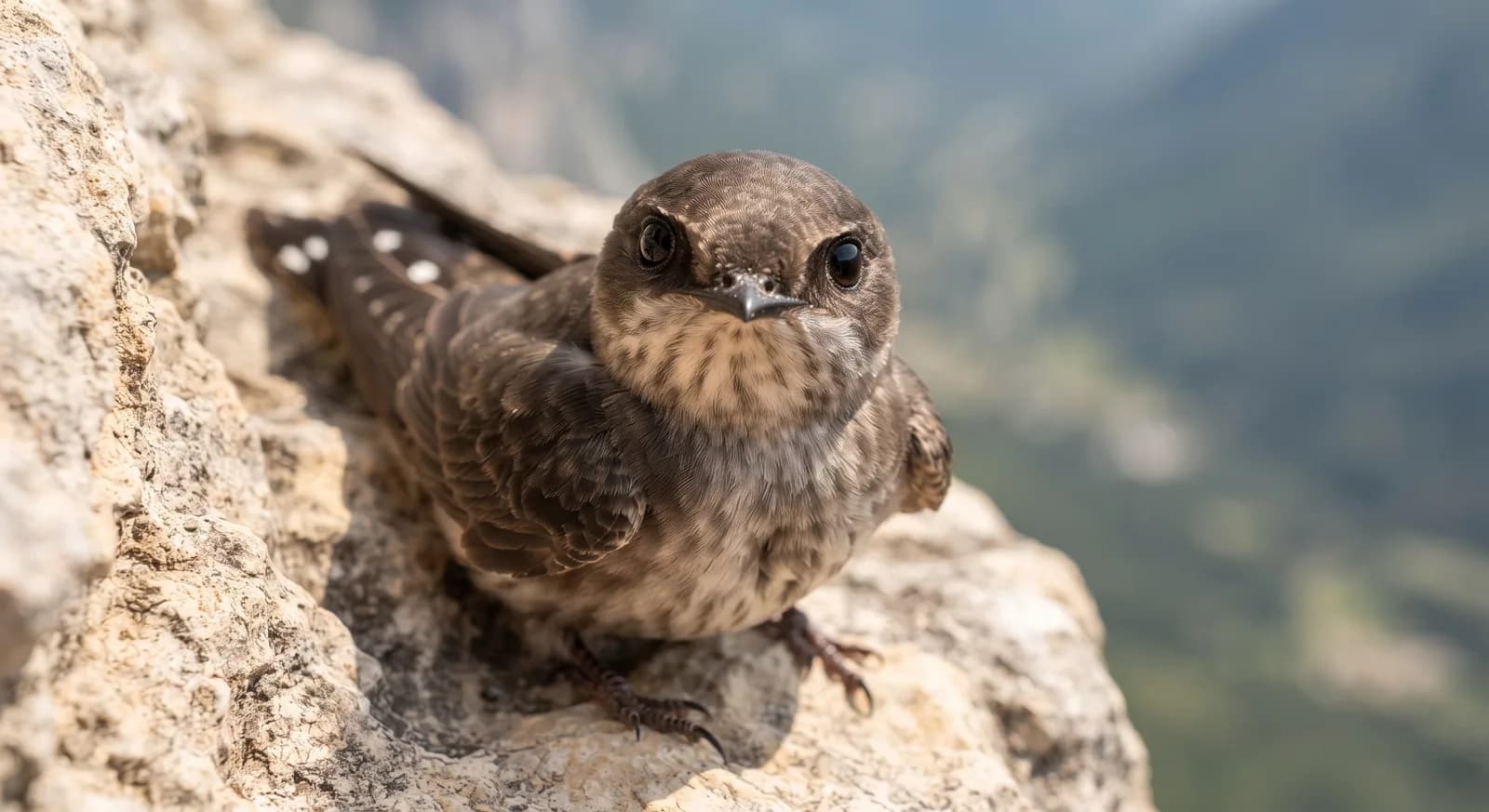
The smallest of the Iberian hirundines and probably the one with the lightest, fastest flight. Earthy brown on the back, head and tail, and white below, with a very characteristic brown breast band. The tail is notched, but less so than that of the house martin or the barn swallow.
Weight
10 g – 15 g
Size
12 cm on average
Diet
Insectivore
Feeds mainly on insects and other invertebrates.
Activity
Diurnal
Active mainly during the day.
Social structure
Colony
Lives in large concentrations, often for breeding reasons.
Estimated population
Between 13.4 and 19.8 million mature individuals in Europe. In Spain between 20,000 and 100,000 pairs are estimated: the SACRE scheme indicates that the national total is holding, but the northern population fell by more than 80 % between 1998 and 2011
AI-generated images: illustrations, not photographs.
Sources consulted: IUCN Red List · SEO/BirdLife (ficha y III Atlas: Fernández-García y Ruiz de Azua 2022) · Gobierno del Principado de Asturias (Plan de Manejo, BOPA 188) · Heneberg, Ibis 145 · Herrero y García 2005, Locustella 3 · Naturaleza Para Todos · Birding Málaga · Linnaeus 1758 · Forster 1817
Best time: From March to September; it is the first migratory bird to reach Europe in spring, even before the swallows
Parks and dive sites where this species has been documented — showing 10 of 170.
Other species in the catalogue with the most in common with Sand Martin — same habitat, park, country, tags or family.
Based on what we already know about sand martin.
The pins mark the parks where its presence is documented.