 Least Concern
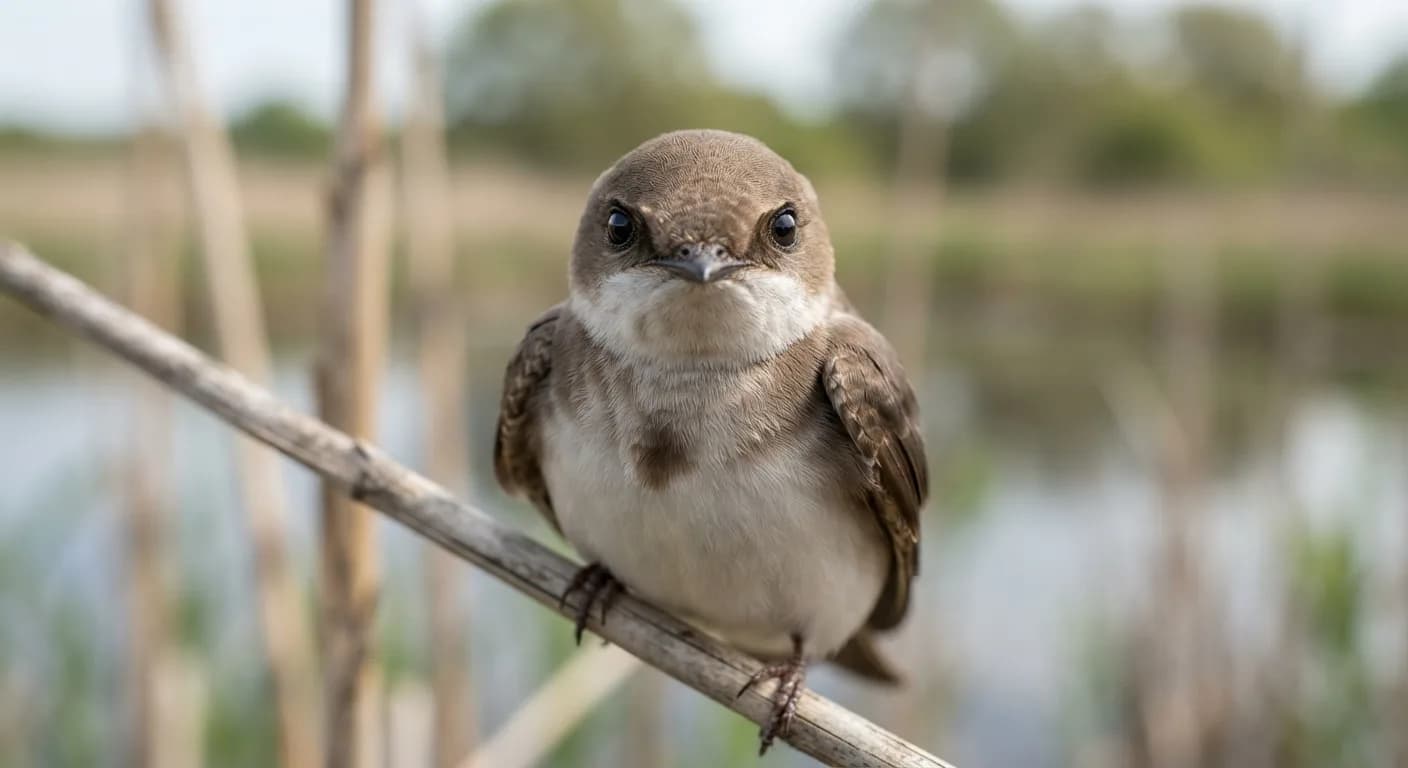
Sand Martin
Riparia riparia
One of the 3 martins on WAnimals
Birds · Passeriformes · Hirundinidae
Delichon urbicum
The species is abundant and widely distributed; it faces no significant short-term risk.
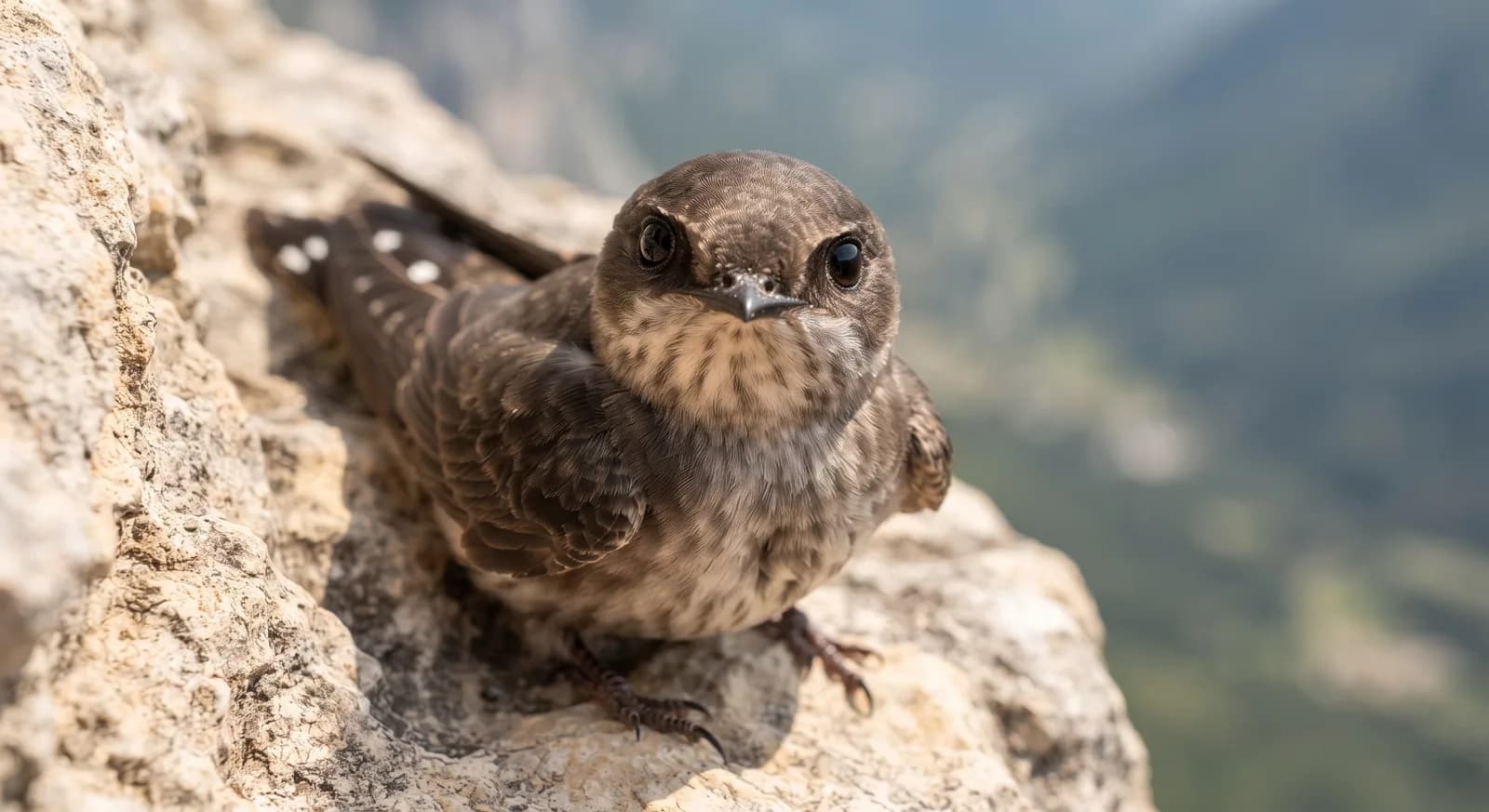
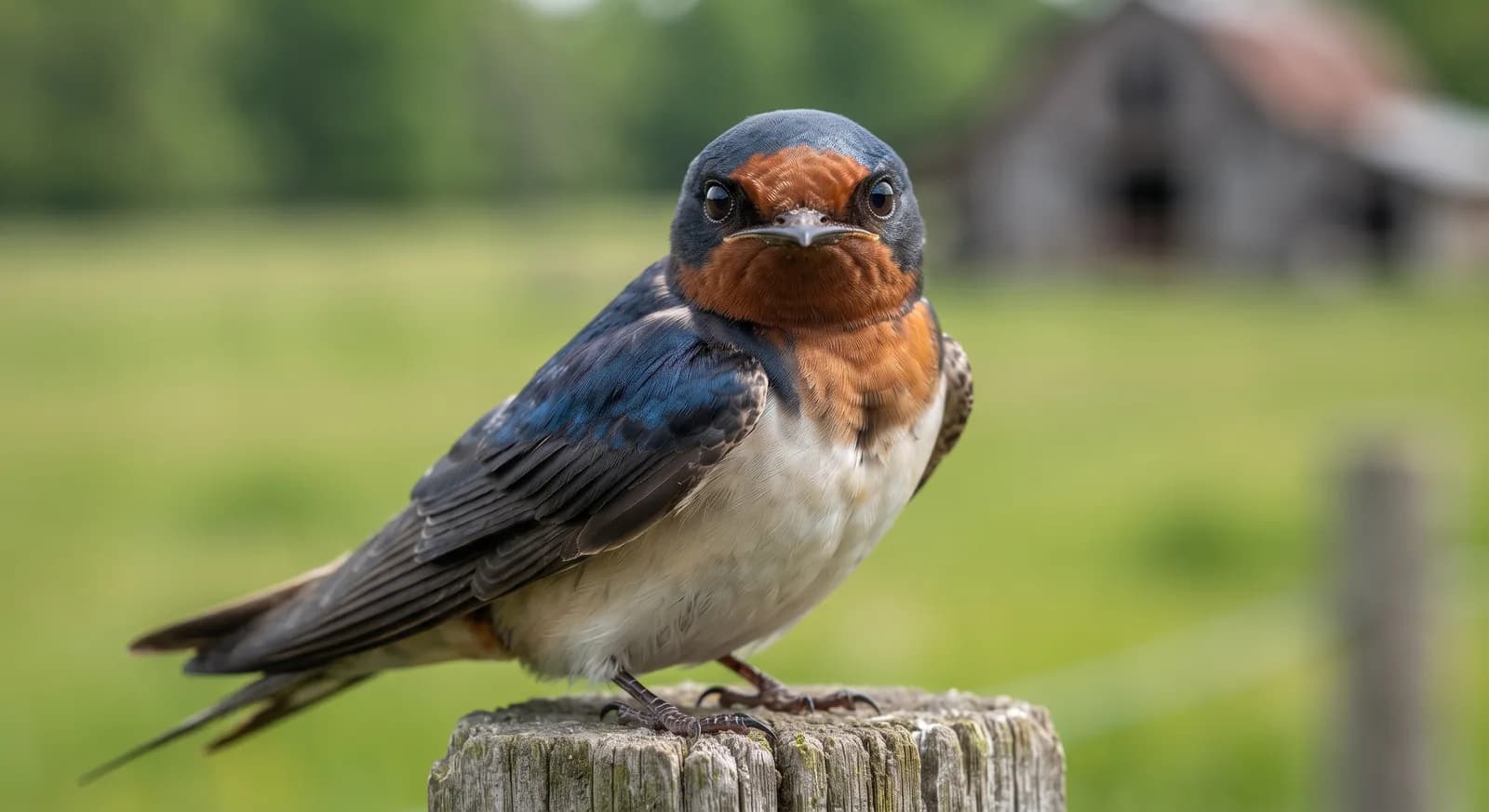
A small, compact hirundine, glossy blue-black above and white below, with a white rump that is the only pale area on its back. Originally a cliff-nester, it has long been associated with human buildings and today thrives even in large cities.
Weight
16 g – 25 g
Size
13 cm – 15 cm
Life expectancy
15 years
Diet
Insectivore
Feeds mainly on insects and other invertebrates.
Activity
Diurnal
Active mainly during the day.
Social structure
Colony
Lives in large concentrations, often for breeding reasons.
Estimated population
Between 10 and 24 million pairs in Europe, of which between 1 and 3 million are in Spain: the largest population on the continent
Sources consulted: SEO/BirdLife (ficha del avión común occidental) · IUCN Red List · Asturnatura · Turner y Rose 1989, Swallows & Martins · Carrascal y Palomino 2008, Las aves comunes reproductoras en España
Best time: From March to September in Spain; the first arrive in February in the south of the peninsula
Parks and dive sites where this species has been documented — showing 10 of 267.
Other species in the catalogue with the most in common with Common House Martin — same habitat, park, country, tags or family.
Based on what we already know about common house martin.
The pins mark the parks where its presence is documented.