Skip to content
WAnimals
  • Map
  • Species
  • Parks
  • Diving
Log inCreate account
WAnimals

The guide for travellers and animal lovers: discover, plan and share your wild adventures around the world.

Discover wildlife

  • Species
  • Ecosystems
  • Glossary
  • Tags

Explore places

  • Map
  • Countries
  • Parks
  • Diving

Plan experiences

  • Guides

Learn

  • Blog

Resources

  • Help centre
  • Contact
  • Install the app

Follow us

Account

  • Log in
  • Create account

© 2026 WAnimals. All rights reserved.

About usHow we build our profilesTerms of servicePrivacyLegal notice
MapSpeciesParksDiving
  1. Home
  2. Species
  3. Great Hornbill

One of the 8 hornbills on WAnimals
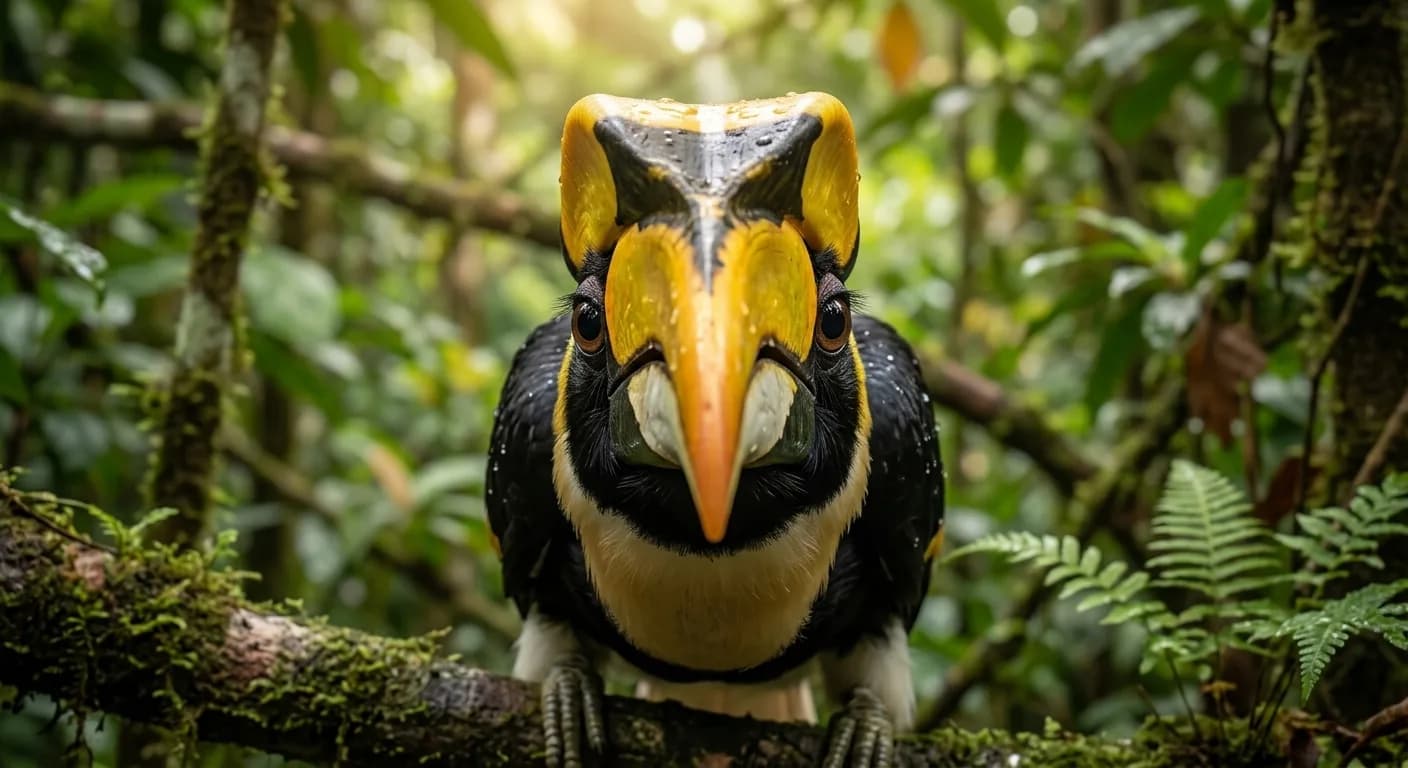
Great Hornbill (Buceros bicornis)

Birds · Bucerotiformes · Bucerotidae

Great Hornbill

Buceros bicornis

Vulnerable

At high risk of extinction in the wild over the medium term.

Spotted something wrong?

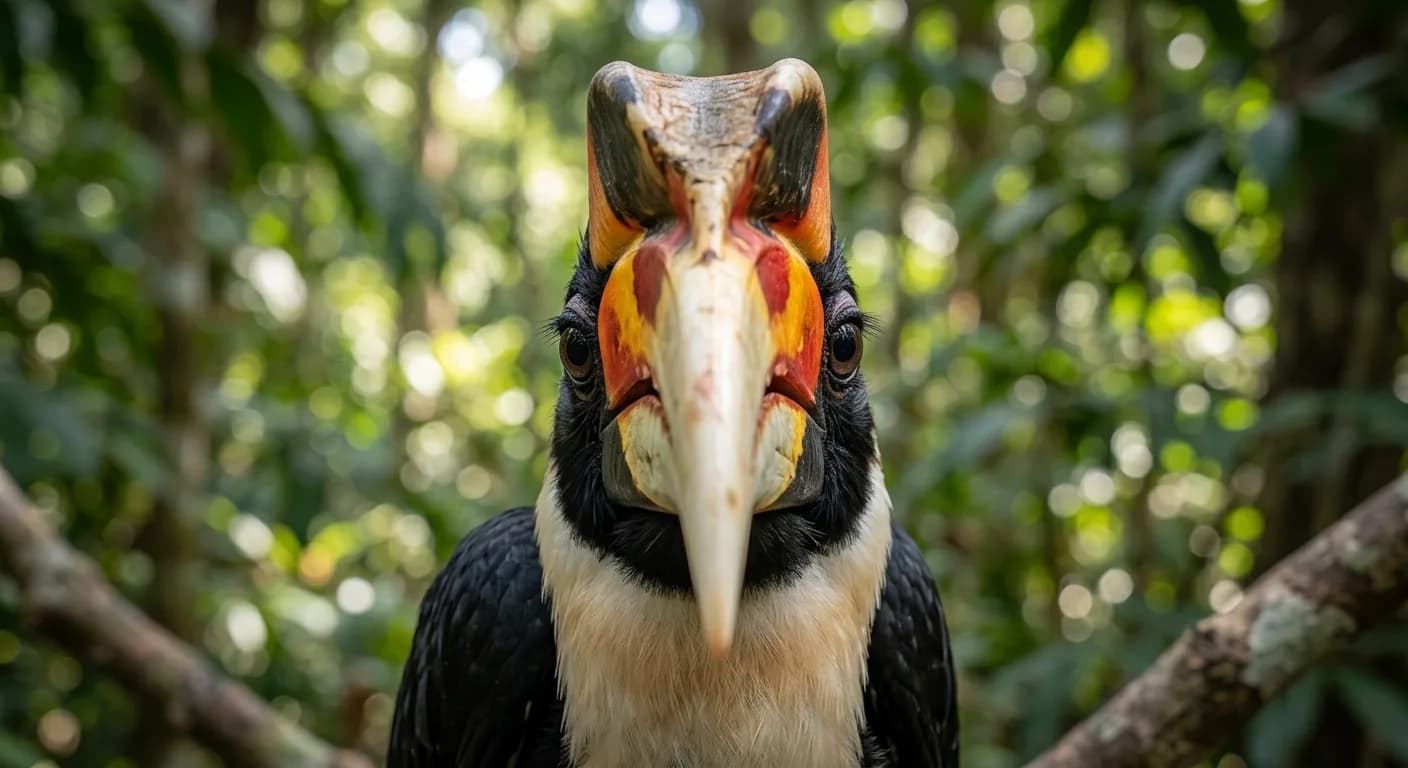
The great hornbill is a bucerotiform bird of the family Bucerotidae, unmistakable in appearance, that lives in the forests between north-eastern India, Indochina and the Malay Peninsula, and on the island of Sumatra. No subspecies are recognised.

Weight

2.8 kg on average

Size

95 cm – 1.3 m

Life expectancy

35 years
Diet

Herbivore

Feeds mainly on plants.

Activity

Diurnal

Active mainly during the day.

Social structure

In pairs

Usually lives in pairs, sometimes for life.

Sighting difficulty

Moderate

Estimated population

Between 13,000 and 27,000 mature individuals (20,000-49,999 animals in total), declining

Rainforest
14countries14parks7same family

AI-generated images: illustrations, not photographs.

Fun facts

  • GeneralThe female walls herself into a tree hollow and the male feeds her for months.
  • The female shuts herself inside a tree hollow and walls up the entrance with her own droppings, leaving only a slit through which the male feeds her throughout the incubation.

Life cycle and biology

Skeleton type
Vertebrate - internal bony skeleton (bird)
Habitat and environment
Primary lowland rainforest
Gestation / incubation
38-40 days of incubation, with the female sealed inside the nest
Litter / clutch size
1-2 eggs, two on average
Life expectancy in captivity
Up to about 50 years in captivity

Sources consulted: https://es.wikipedia.org/wiki/Buceros_bicornis

Where to find it

Best time: From February to May, during the breeding season, when the male makes constant trips to the nest tree

Loading map…

The pins mark the parks where its presence is documented.

Where to see it

Parks and dive sites where this species has been documented — showing 10 of 14.

Related species

Other species in the catalogue with the most in common with Great Hornbill — same habitat, park, country, tags or family.

Same taxonomic family
Shares a park
Shares a park
Shares a park
Shares a park

How to help

The great hornbill is classified as vulnerable. Organisations such as the IUCN, WWF and the Wildlife Conservation Society work specifically on its conservation and that of its habitat; looking into their programmes is a good starting point if you want to get involved.

It's documented in 8 protected areas — one reason why protecting these places matters for its conservation.

Related guides

Keep exploring

Based on what we already know about great hornbill.

Comments

Share an experience, a fun fact or a tip for seeing the great hornbill.

Be the first to comment.

See full glossary
This page in other languages: Español · Deutsch · Français · Português · Italiano
See its range on the interactive map→
Royal ManasBhutan
Khao YaiThailand
Phong Nha-Ke BangVietnam
BokorCambodia
Nam Et-Phou Louey National Protected AreaLaos
Hukaung Valley Wildlife SanctuaryMyanmar
Khao Sok National ParkThailand
ManasIndia
NamdaphaIndia
ThrumshinglaBhutan
See all 14 parks
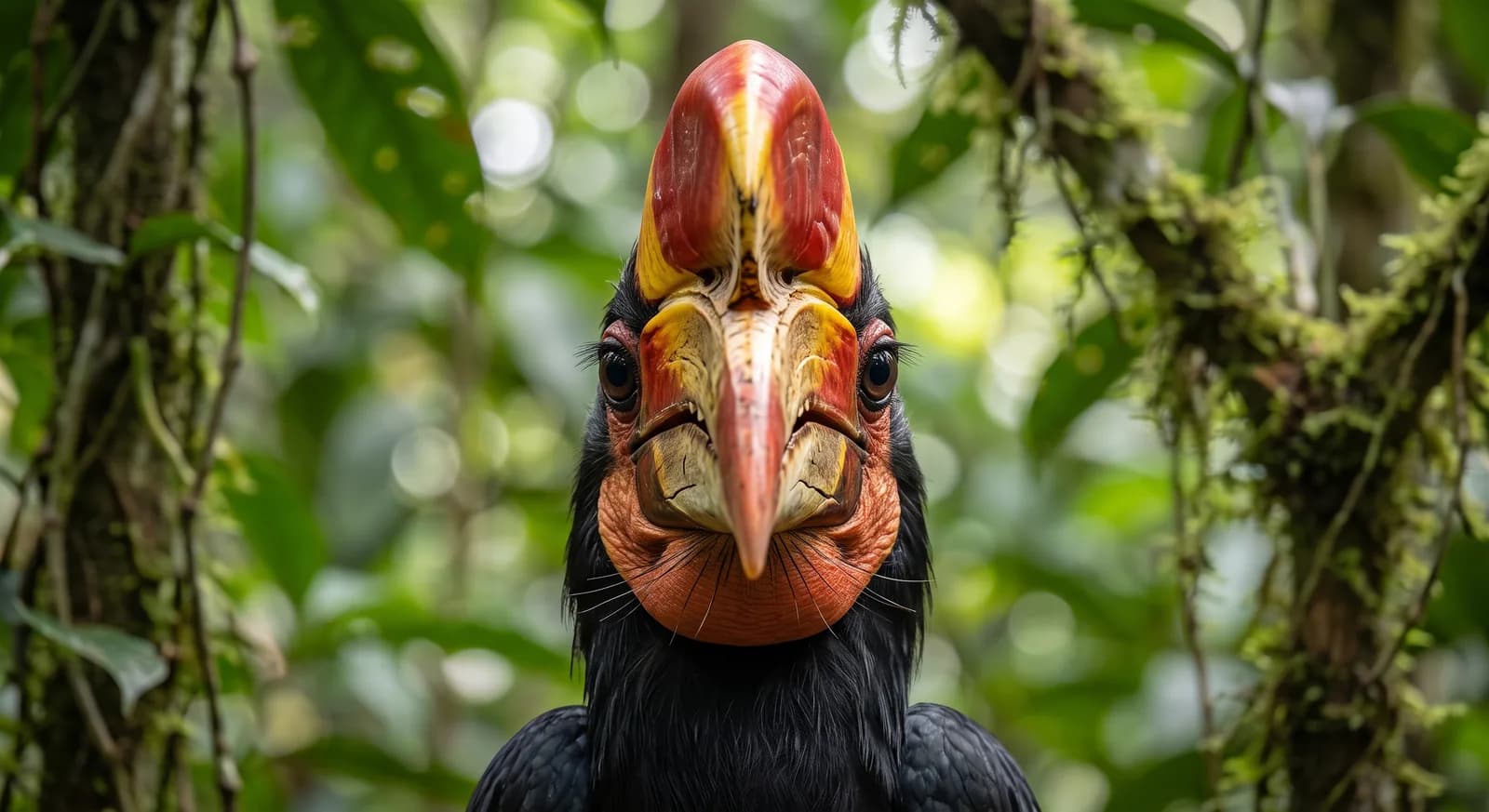
Rhinoceros HornbillVulnerable

Rhinoceros Hornbill

Buceros rhinoceros

Helmeted HornbillCritically Endangered

Helmeted Hornbill

Rhinoplax vigil

Vulnerable

Great Argus

Argusianus argus

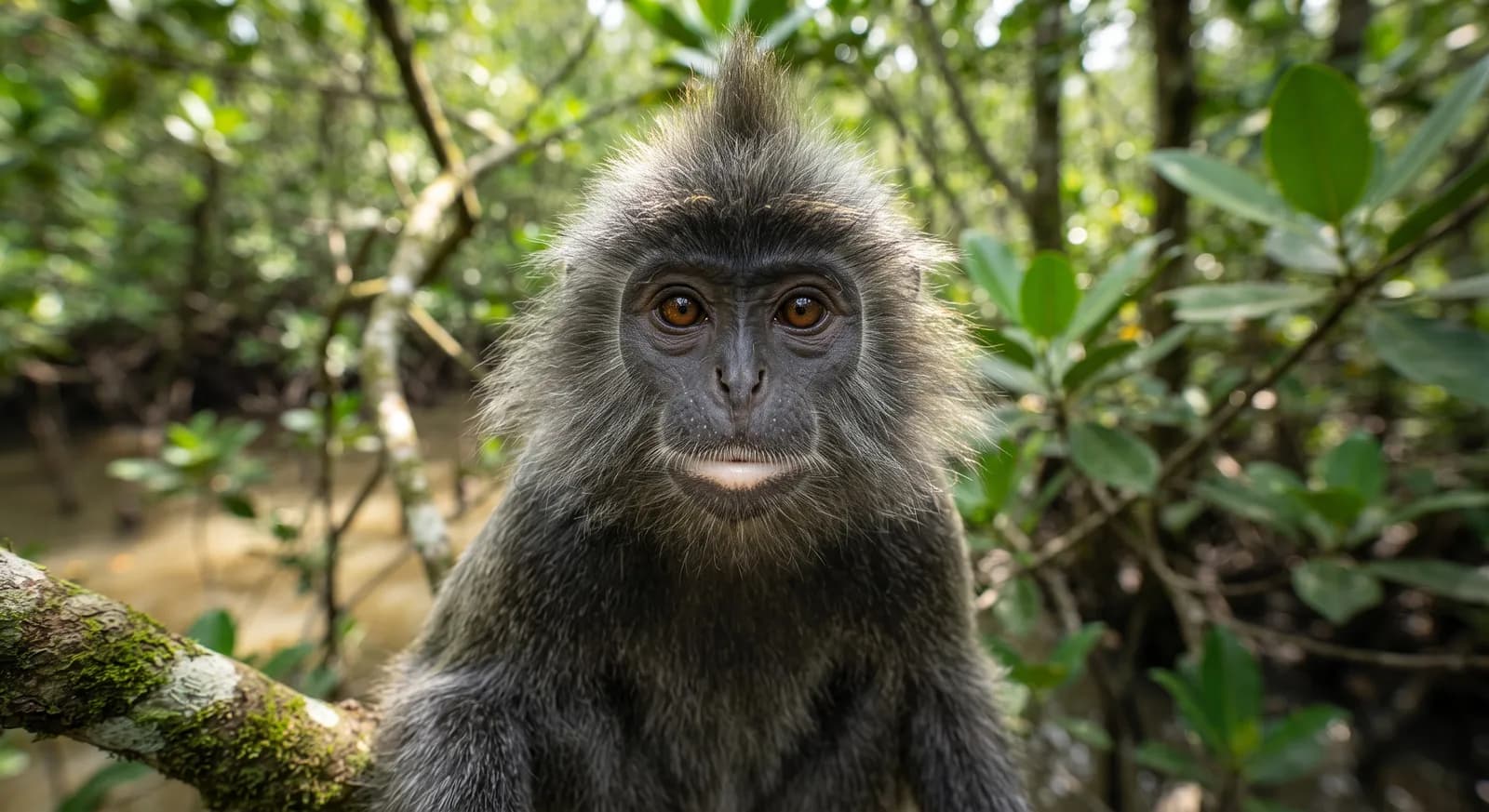
Silvery LutungVulnerable

Silvery Lutung

Trachypithecus cristatus

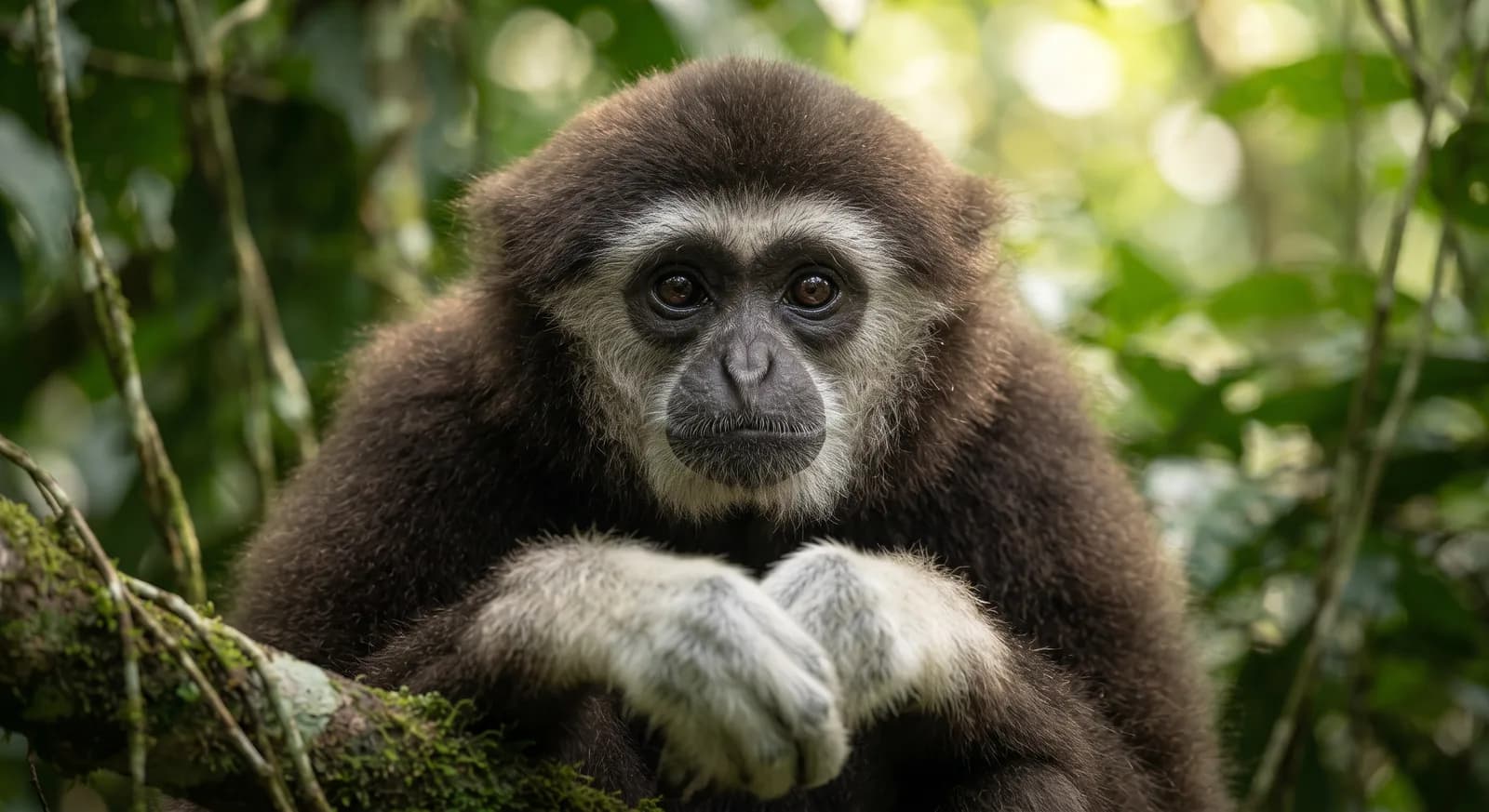
Lar GibbonEndangered

Lar Gibbon

Hylobates lar

Least Concern

Chinese Hwamei

Garrulax canorus

Where to see Great Hornbill14 places
CountriesBhutan
ParksRoyal ManasBhutan
TagsHerbivore
Herbivore
Diurnal
In pairs
Vulnerable
Bird
Rainforest
Bhutan
Thailand
India
Vietnam
Cambodia
China
Bangladesh
Bhutan
Cambodia
China
India
Indonesia
Laos
Malaysia
Myanmar
Nepal
Pakistan
Sri Lanka
Thailand
Vietnam