Skip to content
WAnimals
  • Map
  • Species
  • Parks
  • Diving
Log inCreate account
WAnimals

The guide for travellers and animal lovers: discover, plan and share your wild adventures around the world.

Discover wildlife

  • Species
  • Ecosystems
  • Glossary
  • Tags

Explore places

  • Map
  • Countries
  • Parks
  • Diving

Plan experiences

  • Guides

Learn

  • Blog

Resources

  • Help centre
  • Contact
  • Install the app

Follow us

Account

  • Log in
  • Create account

© 2026 WAnimals. All rights reserved.

About usHow we build our profilesTerms of servicePrivacyLegal notice
MapSpeciesParksDiving
  1. Home
  2. Species
  3. Green Toad

One of the 17 toads on WAnimals
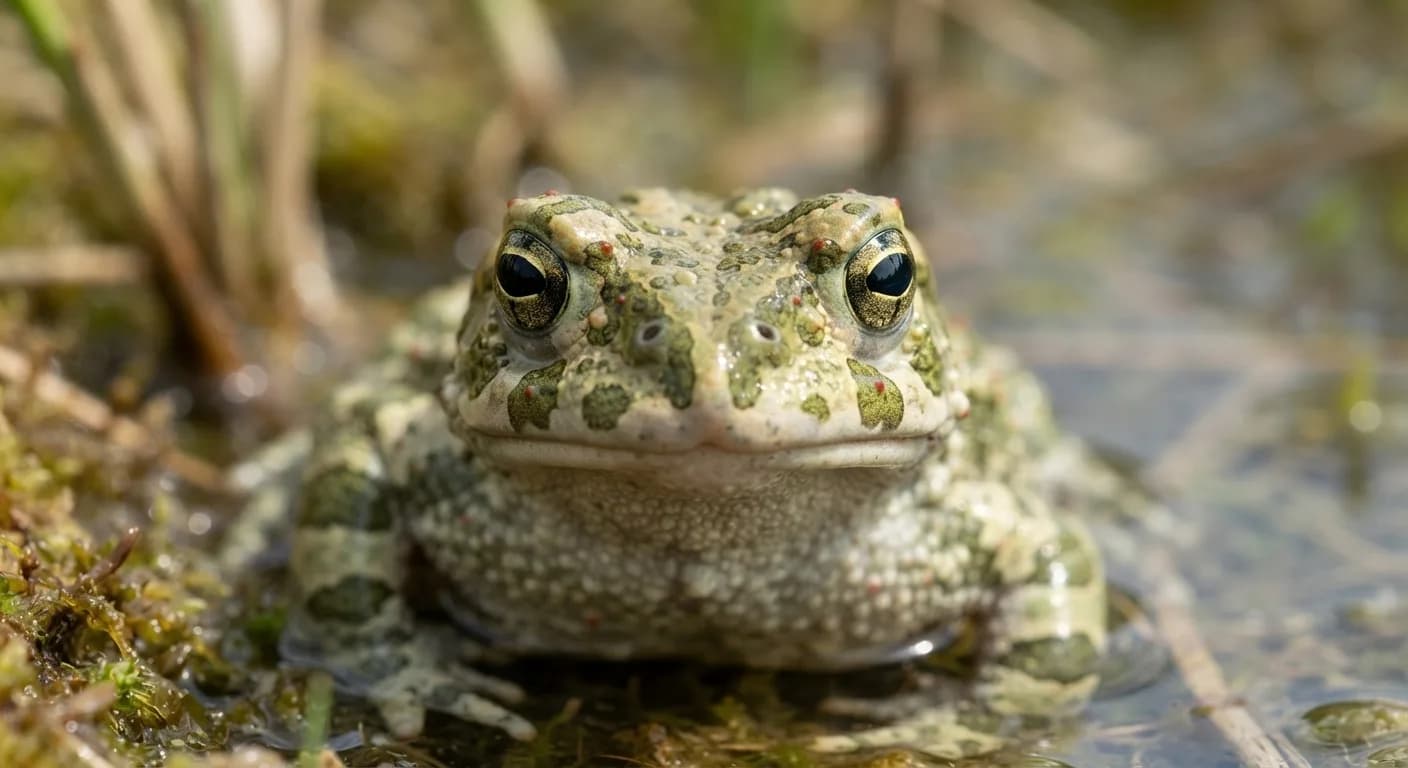
Green Toad (Bufotes viridis)

Amphibians · Anura · Bufonidae

Green Toad

Bufotes viridis

Least Concern

The species is abundant and widely distributed; it faces no significant short-term risk.

Spotted something wrong?

A medium-sized toad with tuberculate dorsal skin, greyish or olive, covered in very characteristic emerald-green blotches that can turn dark brown or red. A pale belly, a horizontal pupil and prominent parotoid glands.

Size

4.8 cm – 12 cm

Diet

Carnivore

Feeds mainly on other animals.

Activity

Nocturnal

Active mainly at night.
Social structure

Solitary

Lives and hunts alone, joining others only to breed.

Sighting difficulty

Easy

DesertGrassland
48countries67parks7same family

AI-generated images: illustrations, not photographs.

Fun facts

  • GeneralVery tolerant of salt and drought; its call is a long trill like a cricket's.
  • It changes colour in response to heat and light far more than other toads do.
  • Its glands produce bufotoxins as a defence.
  • It is strictly protected by the Bern Convention and the Habitats Directive.
  • It is among the amphibians most resistant to dryness and salt: it breeds in brackish waters that would kill other frogs and colonises quarries, spoil heaps and urban waste ground.
  • The male's call is a long, musical trill, very like that of the mole cricket, heard on spring nights right in the middle of town.
  • Its group is a striking case of polyploidy in vertebrates: within the green toad complex there are diploid, triploid and tetraploid species, something exceedingly rare outside fish and amphibians.
  • Precisely for that reason the complex has been split into several species: what used to be called Bufo viridis is today a set of species spread across Europe, North Africa and Asia.
  • It was credited with the ability to change colour, and indeed it adjusts its shade of green and brown according to substrate and temperature.

Life cycle and biology

Skeleton type
Vertebrate - internal bony skeleton (amphibian)
Habitat and environment
Steppe, dunes, farmland and town gardens
Litter / clutch size
Females can lay between 9,000 and 15,000 eggs at a time

Sources consulted: IUCN Red List; Convenio de Berna (Apéndice II) y Directiva Hábitats (Anexo IV); Muntaner Yangüela 2004, en Atlas y Libro Rojo de los Anfibios y Reptiles de España; Monaco Nature Encyclopedia

Where to find it

Best time: From spring to autumn; it is nocturnal and unobtrusive during the day

Loading map…

Where to see it

Parks and dive sites where this species has been documented — showing 10 of 67.

Related species

Other species in the catalogue with the most in common with Green Toad — same habitat, park, country, tags or family.

Same taxonomic family
Shares a park
Shares a park
Shares a park
Shares a park

Keep exploring

Based on what we already know about green toad.

Comments

Share an experience, a fun fact or a tip for seeing the green toad.

Be the first to comment.

See full glossary
This page in other languages: Español · Deutsch · Français · Português · Italiano

The pins mark the parks where its presence is documented.

See its range on the interactive map→
Alta MurgiaItaly
Mount OlympusGreece
Alonissos and the Northern SporadesGreece
PlitviceCroatia
DurmitorMontenegro
ValbonaAlbania
Danube DeltaRomania
Sutjeska National ParkBosnia and Herzegovina
Hortobágy National ParkHungary
Tara National ParkSerbia
See all 67 parks
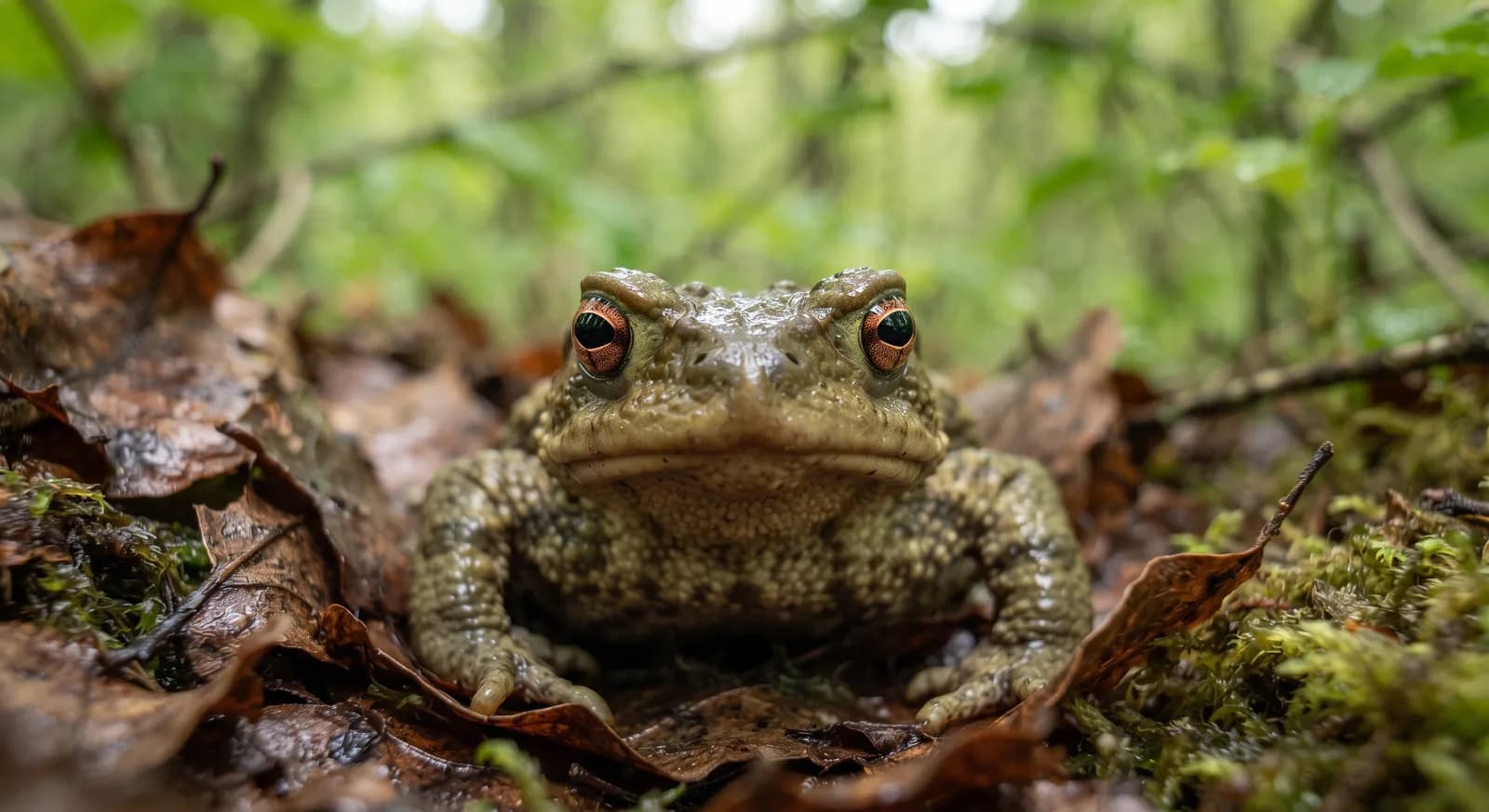
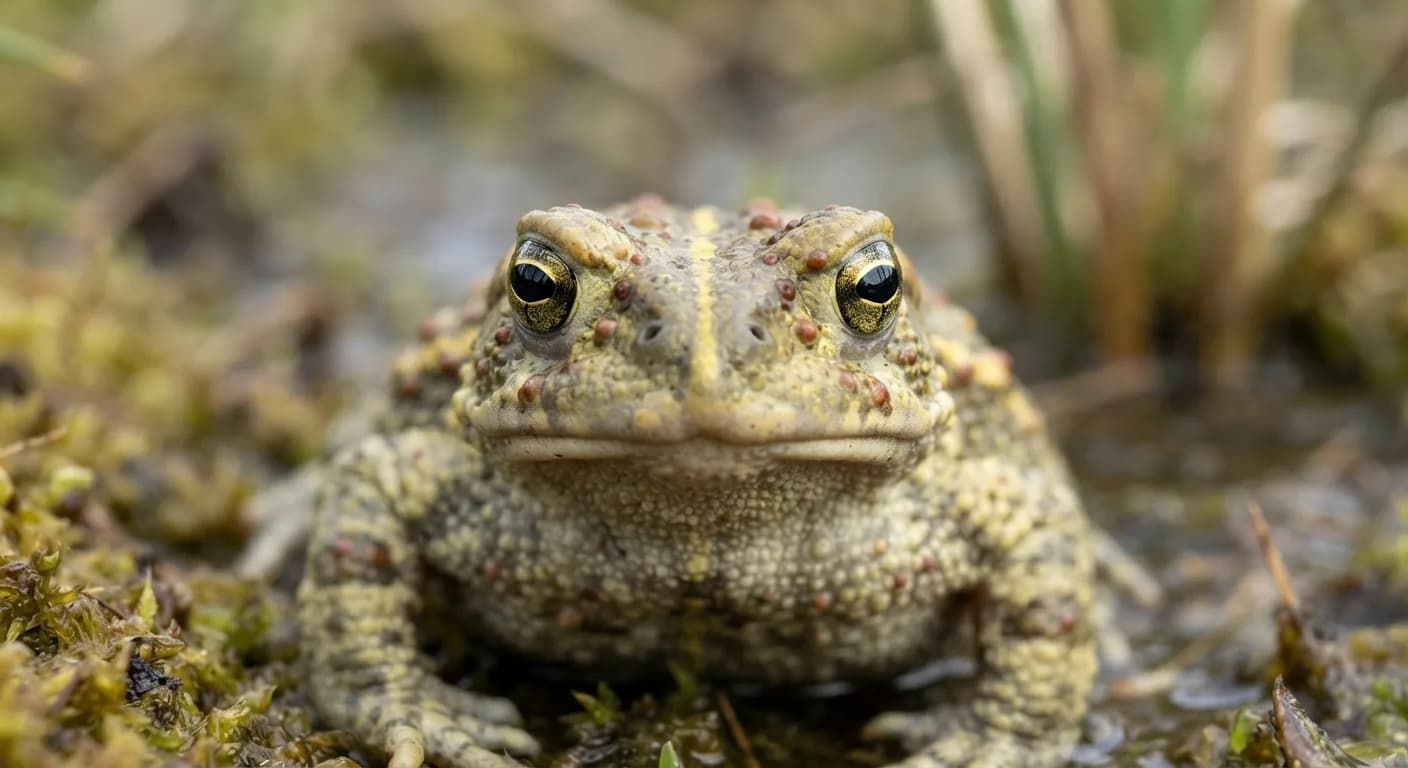
Natterjack ToadLeast Concern

Natterjack Toad

Epidalea calamita

Common ToadLeast Concern

Common Toad

Bufo bufo

Least Concern

Little Owl

Athene noctua

Least Concern

Smooth Newt

Lissotriton vulgaris

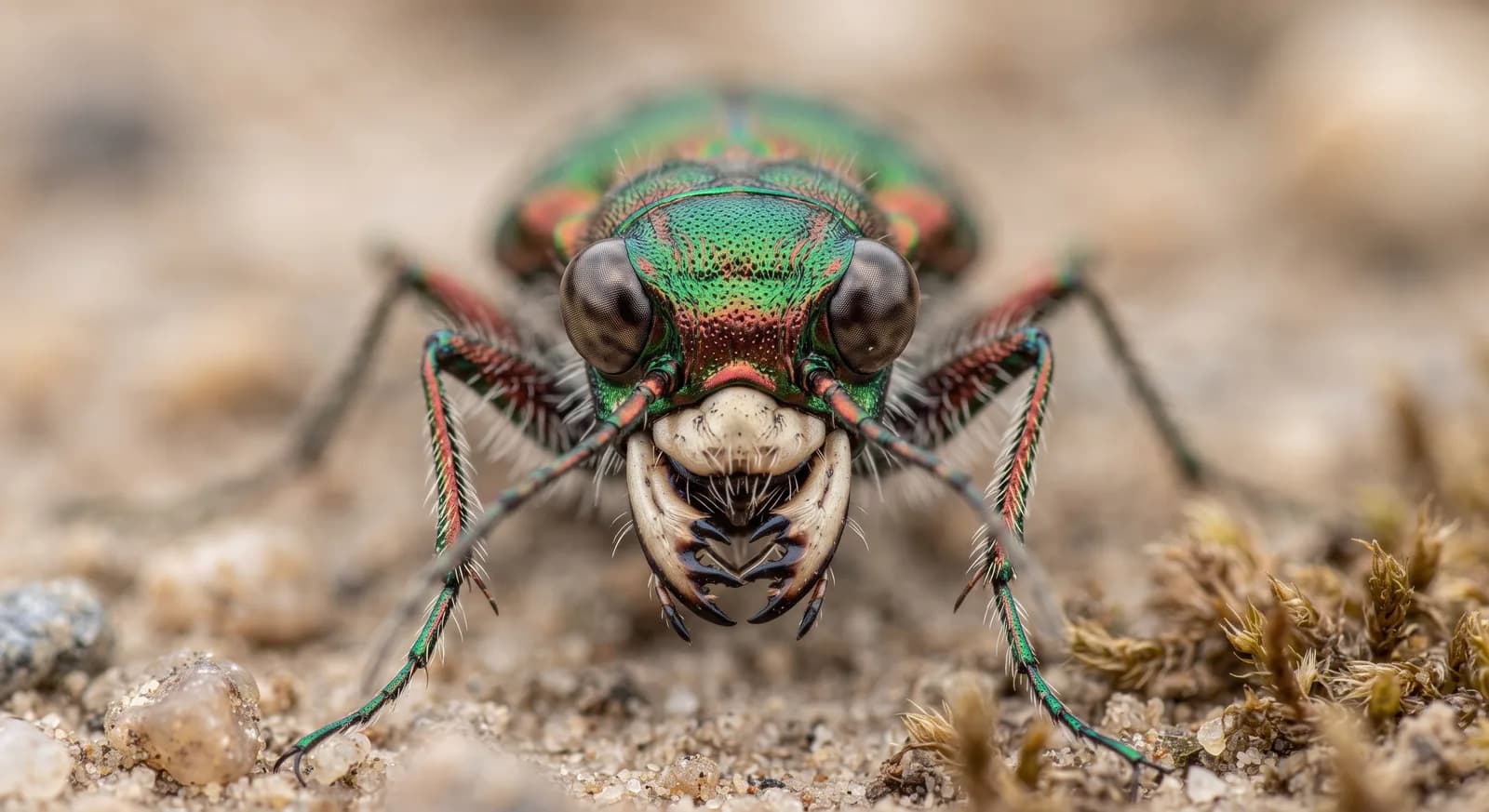
Green Tiger BeetleLeast Concern

Green Tiger Beetle

Cicindela campestris

Least Concern

Eurasian Blind Snake

Typhlops vermicularis

CountriesHungary
ParksAlta MurgiaItaly
TagsCarnivore
Carnivore
Nocturnal
Solitary
Amphibian
Desert
Grassland
HungaryGreeceCroatiaItalyAlbaniaMontenegro

Europe41

AlbaniaAndorraAustriaBelarusBelgiumBosnia and HerzegovinaBulgariaCroatiaCyprusCzechiaDenmarkEstoniaFinlandFranceGermanyGreeceHungaryIrelandItalyKosovoLatviaLiechtensteinLithuaniaLuxembourgMoldovaMontenegroNetherlandsNorth MacedoniaNorwayPolandPortugalRomaniaSan MarinoSerbiaSlovakiaSloveniaSpainSwedenSwitzerlandUkraineUnited Kingdom

Asia7

ArmeniaAzerbaijanGeorgiaIranKazakhstanRussiaTürkiye