Skip to content
WAnimals
  • Map
  • Species
  • Parks
  • Diving
Log inCreate account
WAnimals

The guide for travellers and animal lovers: discover, plan and share your wild adventures around the world.

Discover wildlife

  • Species
  • Ecosystems
  • Glossary
  • Tags

Explore places

  • Map
  • Countries
  • Parks
  • Diving

Plan experiences

  • Guides

Learn

  • Blog

Resources

  • About us
  • How we build our profiles
  • Help centre
  • Contact
  • Install the app

Follow us

Account

  • Log in
  • Create account

© 2026 WAnimals. All rights reserved.

Terms of servicePrivacyCookiesLegal notice
MapSpeciesParksDiving
  1. Home
  2. Species
  3. Eurasian Blind Snake

One of the 26 snakes on WAnimals

Reptiles · Squamata · Typhlopidae

Eurasian Blind Snake

Typhlops vermicularis

Least Concern

The species is abundant and widely distributed; it faces no significant short-term risk.

Spotted something wrong?

The Eurasian blind snake is the only blind snake on the continent and one of the smallest snakes in Europe. It lives underground, its eyes reduced to two dark dots beneath the scales, and it feeds on ants and termites, above all on their larvae and pupae. It goes entirely unnoticed and is often mistaken for an earthworm.

Size

20 cm – 38 cm

Life expectancy

10 years

Diet

Insectivore

Feeds mainly on insects and other invertebrates.

Activity

Nocturnal

Active mainly at night.

Social structure

Solitary

Lives and hunts alone, joining others only to breed.

Temperate forestDesertGrassland
12countries19parks1same family

Fun facts

  • It is the only blind snake in Europe and one of the smallest snakes on the continent: it lives underground, its eyes reduced to two spots beneath the scales, and it can only tell light from dark.
  • It goes into anthills and feeds on larvae and pupae without the ants attacking it, protected by smooth, tightly packed scales and probably by secretions that mask its scent.
  • Its body is of uniform thickness with a tail as blunt as its head, which means it is regularly mistaken for a large earthworm.

Life cycle and biology

Skeleton type
Vertebrate - internal bony skeleton (reptile)
Habitat and environment
Loose soils, stony slopes and dry scrub of the Balkans, Turkey and the Near East
Sexual maturity
2 years
Gestation / incubation
45 days of incubation
Litter / clutch size
6 eggs

Sources consulted: IUCN Red List · Animal Diversity Web · Wikipedia (es)

Where to find it

Loading map…

The pins mark the parks where its presence is documented.

Where to see it

Parks and dive sites where this species has been documented — showing 10 of 19.

Related species

Other species in the catalogue with the most in common with Eurasian Blind Snake — same habitat, park, country, tags or family.

Same taxonomic family
Shares a park
Shares a park
Shares a park
Shares a park
Shares a park

Keep exploring

Based on what we already know about eurasian blind snake.
Share an experience, a fun fact or a tip for seeing the eurasian blind snake.
See full glossary
This page in other languages: Español · Deutsch · Français · Português · Italiano
See its range on the interactive map→
Mount OlympusGreece
PrespaGreece
Samaria GorgeGreece
BeydağlarıTürkiye
Dilek YarımadasıTürkiye
Köprülü KanyonTürkiye
UludağTürkiye
ButrintAlbania
Divjakë-KaravastaAlbania
LlogaraAlbania
See all 19 parks
Least Concern

Brahminy Blindsnake

Indotyphlops braminus

Least Concern

Common Pipistrelle

Pipistrellus pipistrellus

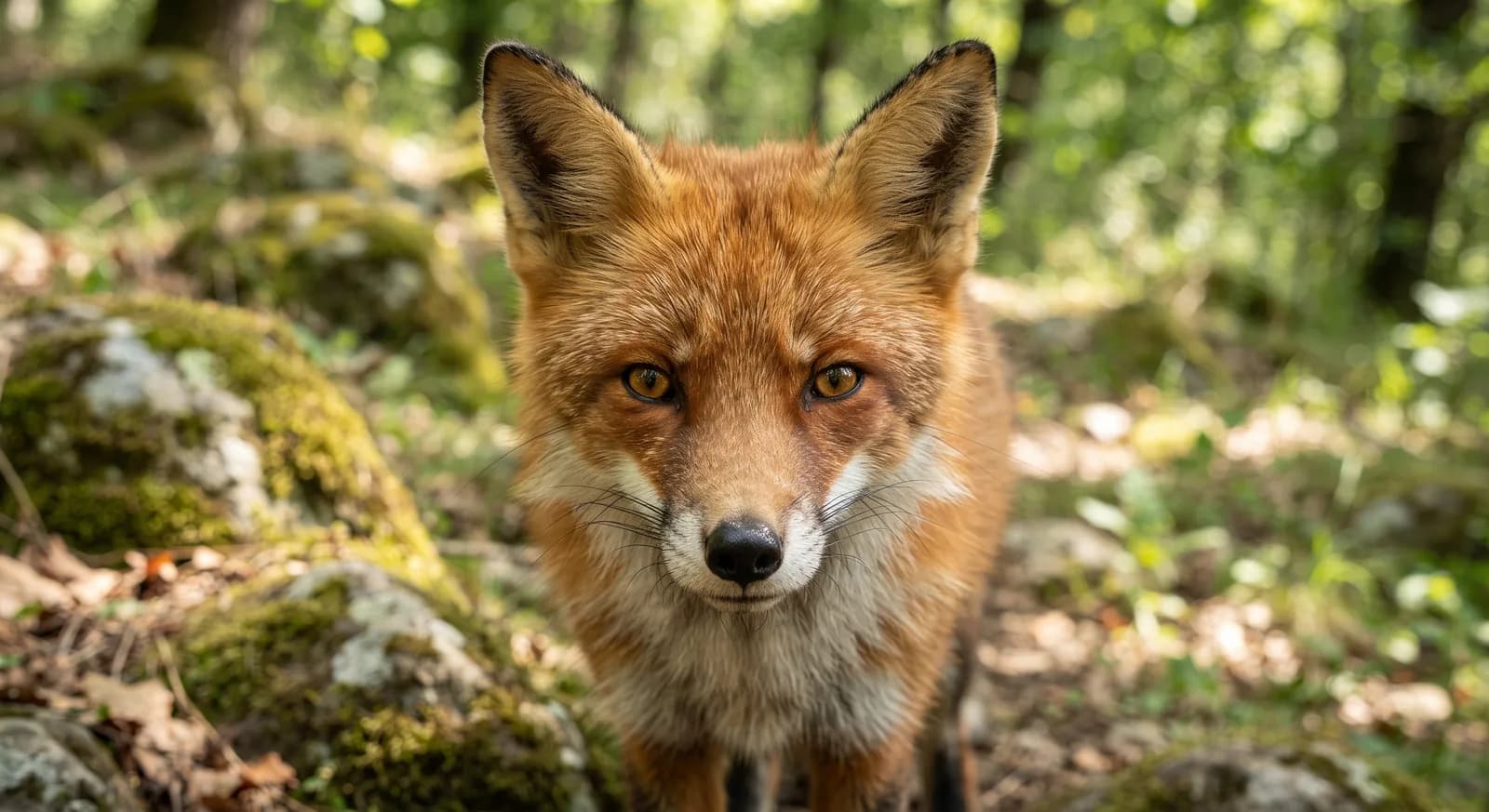
Red FoxLeast Concern

Red Fox

Vulpes vulpes

Least Concern

Sand Lizard

Lacerta agilis

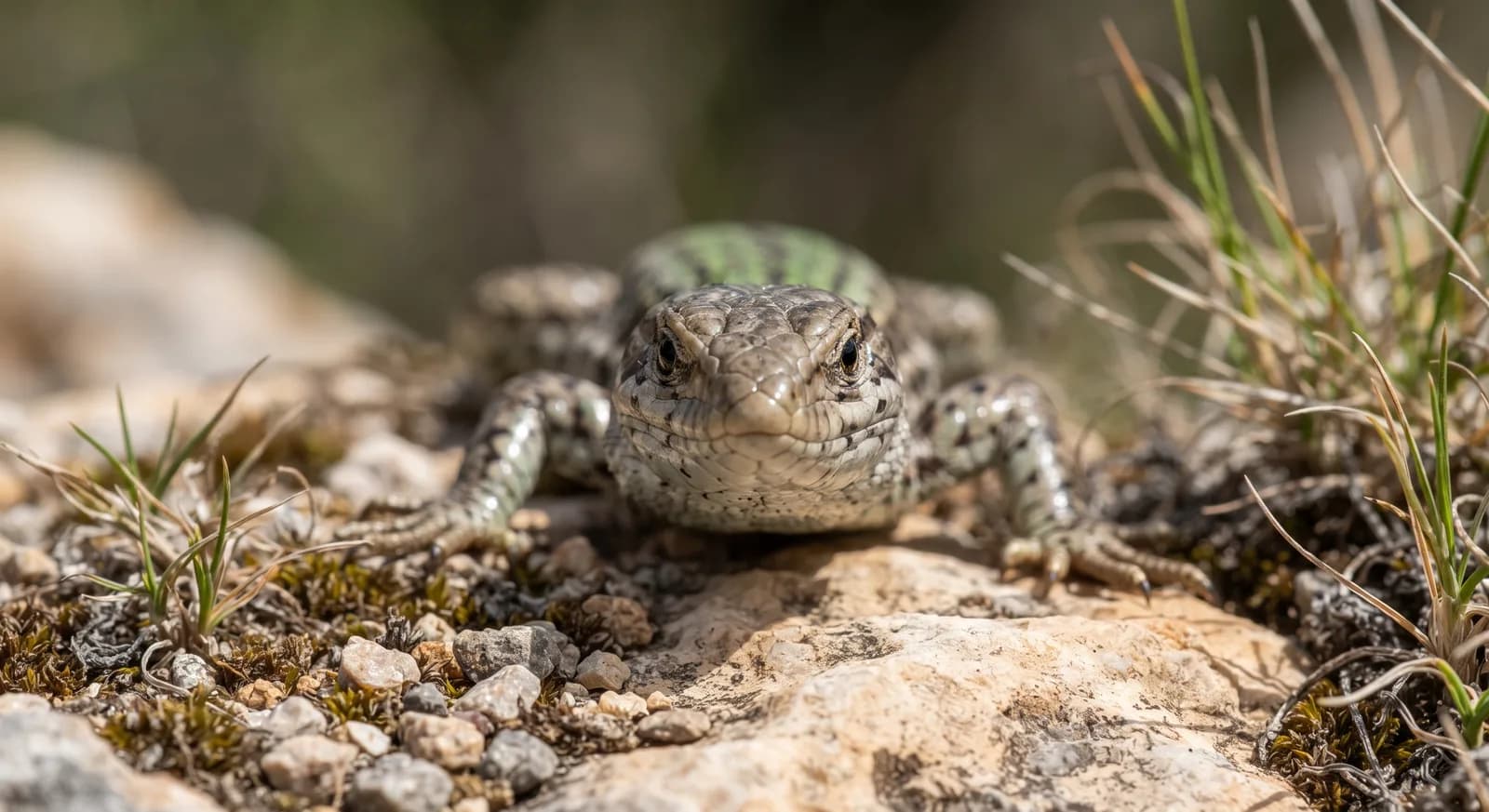
Common Wall LizardLeast Concern

Common Wall Lizard

Podarcis muralis

Least Concern

Nose-horned Viper

Vipera ammodytes

CountriesGreece
ParksMount OlympusGreece
TagsInsectivore
Insectivore
Nocturnal
Solitary
Reptile
Temperate forest
Desert
Grassland

Asia6

Europe6

Greece
Türkiye
Albania
Bulgaria
North Macedonia
Serbia
Azerbaijan
Georgia
Iran
Iraq
Syria
Türkiye
Albania
Bulgaria
Cyprus
Greece
North Macedonia
Serbia