Skip to content
WAnimals
  • Map
  • Species
  • Parks
  • Diving
Log inCreate account
WAnimals

The guide for travellers and animal lovers: discover, plan and share your wild adventures around the world.

Discover wildlife

  • Species
  • Ecosystems
  • Glossary
  • Tags

Explore places

  • Map
  • Countries
  • Parks
  • Diving

Plan experiences

  • Guides

Learn

  • Blog

Resources

  • About us
  • How we build our profiles
  • Help centre
  • Contact
  • Install the app

Follow us

Account

  • Log in
  • Create account

© 2026 WAnimals. All rights reserved.

Terms of servicePrivacyCookiesLegal notice
MapSpeciesParksDiving
  1. Home
  2. Parks
  3. Spain
  4. Sierras de Cazorla, Segura y Las Villas
Nature ParkBiosphere Reserve

Sierras de Cazorla, Segura y Las Villas

Southern EuropeDesignated in 19862,099 km²
Spotted something wrong?

Spain's largest protected natural area, where the Guadalquivir and the Segura both rise.

Area

2,099 km²

Designated in

1986

Region

Southern Europe

Highlight

Subbaetic ranges and the source of the Guadalquivir

The Sierras de Cazorla, Segura y Las Villas Natural Park occupies the north-east of the province of Jaén and links the eastern sector of the Sierra Morena with the Subbaetic System. At 209,762.7 hectares it is the largest protected natural area in Spain and the second largest in Europe, and its territory is shared by twenty-three municipalities with some 80,000 inhabitants, so that the degree of protection varies by zone and, across most of the park, conservation coexists with economic activity. Its highest point is the Empanadas peak, at 2,107 m.

It is a landscape of mid-altitude and high limestone mountains, with valleys, gorges and narrows cut by water, and a forest cover dominated by Spanish black pine. Two of the great Iberian rivers rise here: the Guadalquivir, which springs at the Cañada de las Fuentes and crosses the park from south to north before turning towards the Atlantic, and the Segura, which rises in the range of the same name and empties into the Mediterranean. That watershed position and its compartmentalised relief have favoured a high degree of endemism: the Cazorla violet, Valverde's lizard, a diminutive narcissus and several carnivorous plants are among the species exclusive or almost exclusive to the massif. The most representative flora is brought together in the Torre del Vinagre botanical garden.

Protection predates the natural park: in 1960 the area was declared a National Hunting Reserve, and in 1983 UNESCO recognised it as a Biosphere Reserve. Declaration as a Natural Park came with Decree 10/1986 and was ratified by Act 2/1989, which approved the Inventory of Protected Natural Areas of Andalusia. Later came designation as a Special Protection Area for Birds, accession to the European Charter for Sustainable Tourism in 2004, inclusion as a Site of Community Importance in 2006 and declaration as a Special Area of Conservation in 2017. It is one of the most visited natural areas in Spain.

Location

Loading map…

2 dive sites within 300 km are also shown.

Sierras de Cazorla, Segura y Las Villas: 213 documented species

Mammals20Birds113Reptiles11Amphibians

Flora and ecosystems

Ecosystems found in Spain, where Sierras de Cazorla, Segura y Las Villas lies.

Temperate forest

Experiences in this park

Diving and snorkellingBirdwatching

Nearby dive sites

Where can I dive near here?

195 km away

230 km away

Wildlife you can see now

What is worth looking out for this month in Spain?

Now is a good time: Common crane wintering at Gallocanta Lagoon (October to March (passage peaks in November and February))

Now is a good time: Soaring bird migration across the Strait of Gibraltar (Spring passage February to May and autumn passage July to November)
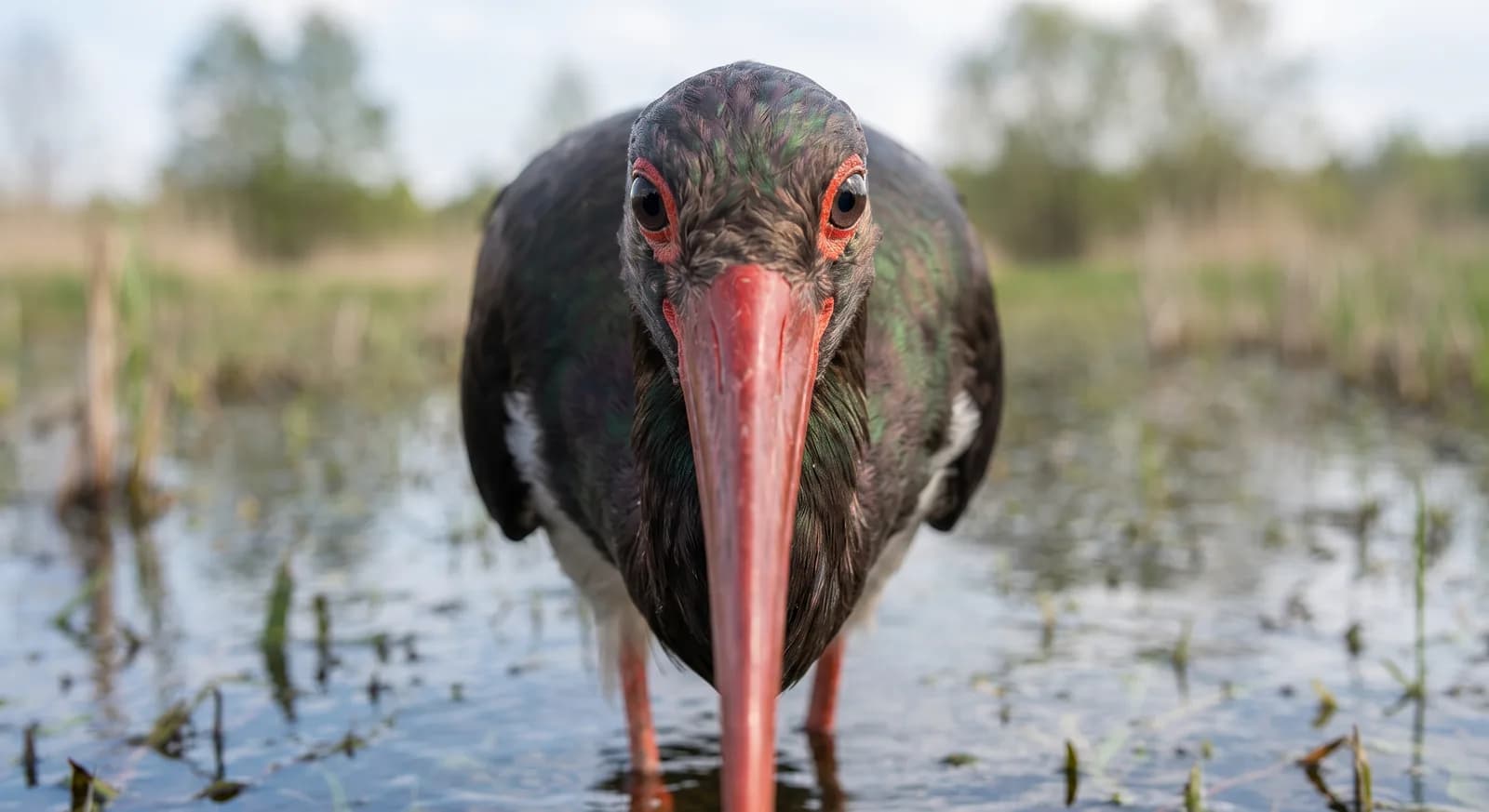
Now is a good time: Soaring bird migration across the Strait of Gibraltar (Spring passage February to May and autumn passage July to November)

Similar parks

Which other parks are like this one?

Same country: Spain

Same country: Spain

Same country: Spain

Same country: Spain

Keep exploring

Based on what we already know about this park.

Share your experience visiting Sierras de Cazorla, Segura y Las Villas, or a tip for other travellers.

Climate

Arid / desert, Temperate, Mediterranean, Mountain

Best season

All year round

Plan your visit

Best season
All year round
Area
2,099 km²
See location
6
Fish2
Insecta47
Arachnida8
Malacostraca2
Clitellata1
Diplopoda2
Chilopoda1

Threatened:,,,,,,,

Endemic species of Spain:

Now is a good time: Soaring bird migration across the Strait of Gibraltar (Spring passage February to May and autumn passage July to November)

Spain · Southern Europe
See on the interactive map→

Cabo de Palos

Alboran Island

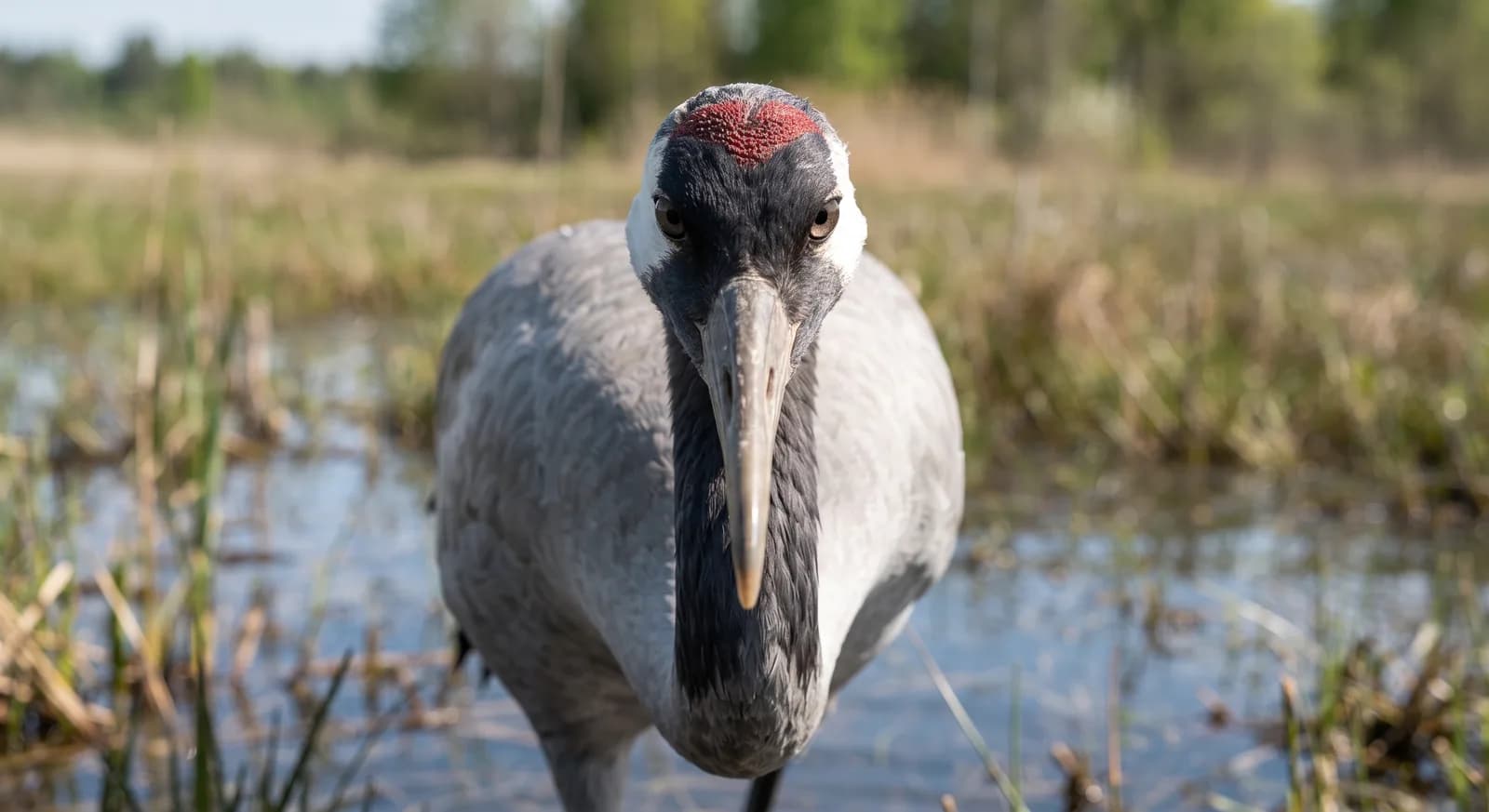
Common CraneLeast Concern

Common Crane

Grus grus

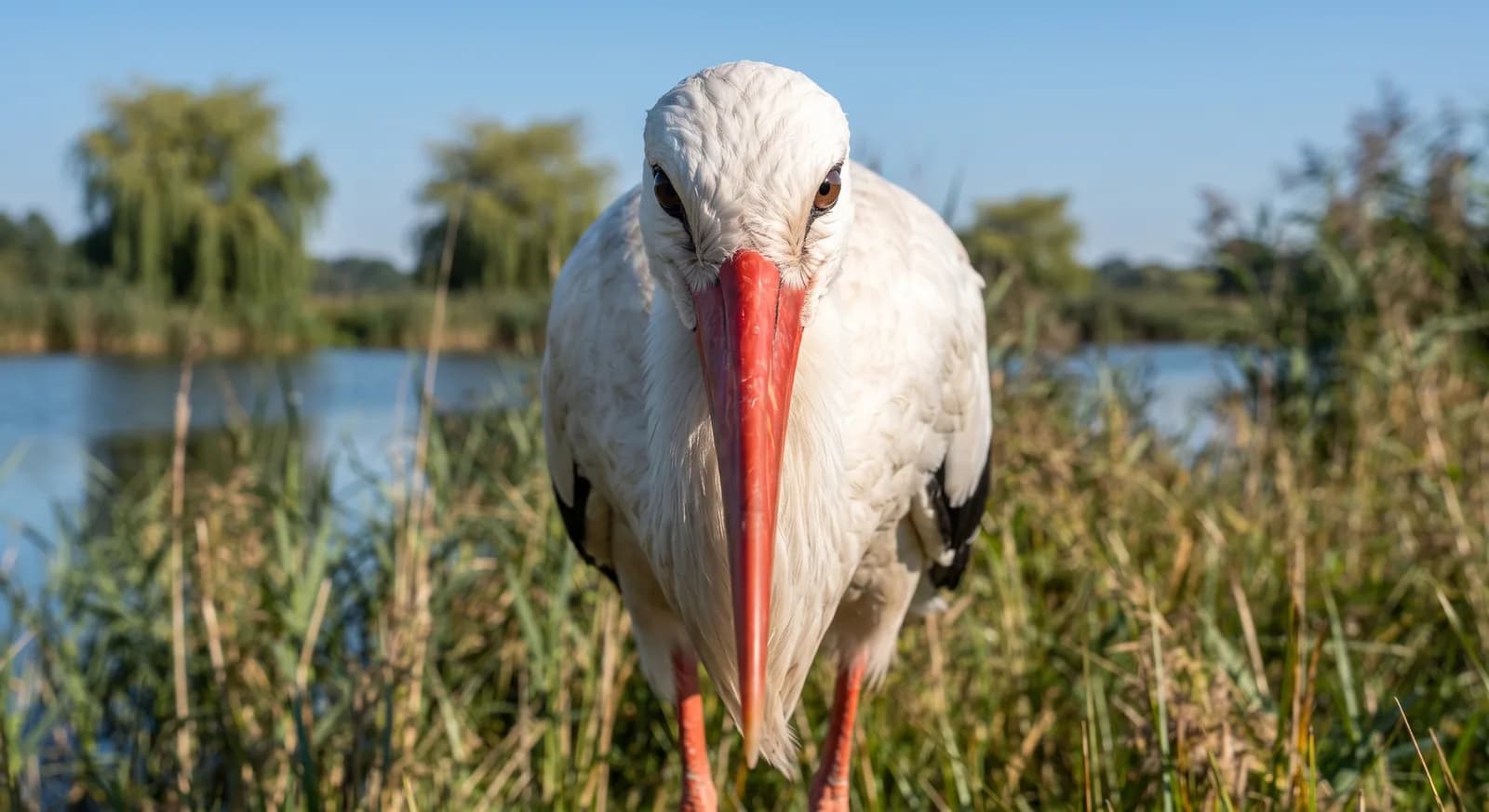
White StorkLeast Concern

White Stork

Ciconia ciconia

Black StorkLeast Concern

Black Stork

Ciconia nigra

Nature Park

Aiako Harria

Spain

Griffon Vulture · Egyptian Vulture

All year round

See park
Nature Park

Aizkorri-Aratz

Spain

Griffon Vulture · Peregrine Falcon

All year round

See park
Nature Park

Armañón

Spain

Mediterranean Horseshoe Bat · Griffon Vulture

All year round

See park
Nature Park

Bardenas Reales

Spain

Eurasian Eagle-Owl · Dupont's Lark

All year round

See park
DivingCabo de Palos195 km away
CountrySpain
This page in other languages: Español · Deutsch · Français · Português · Italiano
More places in Spain
White-clawed Crayfish
Iberian Lynx
Schreiber's Bent-winged Bat
Giant Noctule
Lataste's Viper
Cyren's Rock Lizard
Red-legged Partridge
Betic Midwife Toad
Iberian Lynx
Red Mason BeeLeast Concern

Red Mason Bee

Osmia bicornis

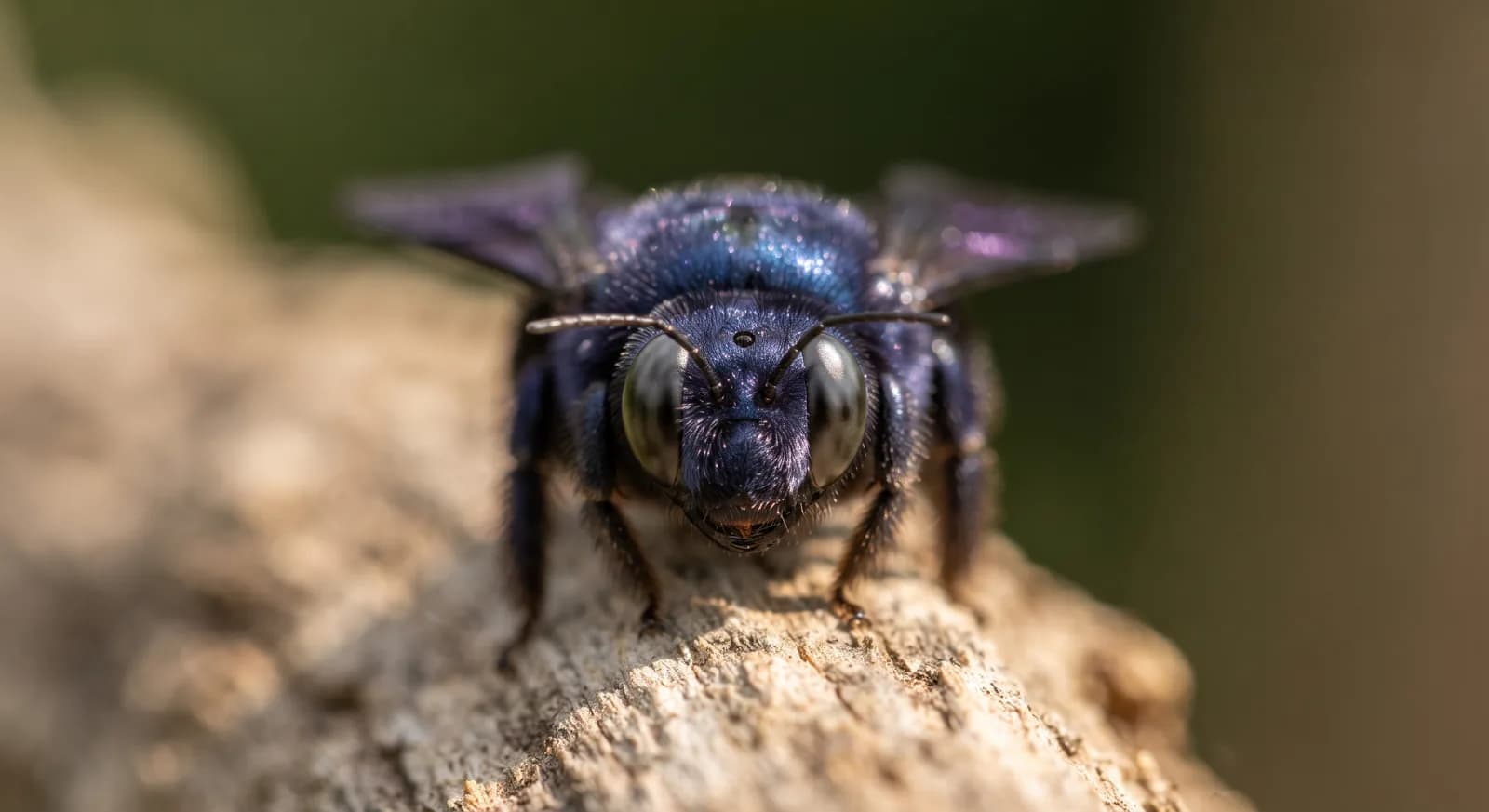
Violet Carpenter BeeLeast Concern

Violet Carpenter Bee

Xylocopa violacea

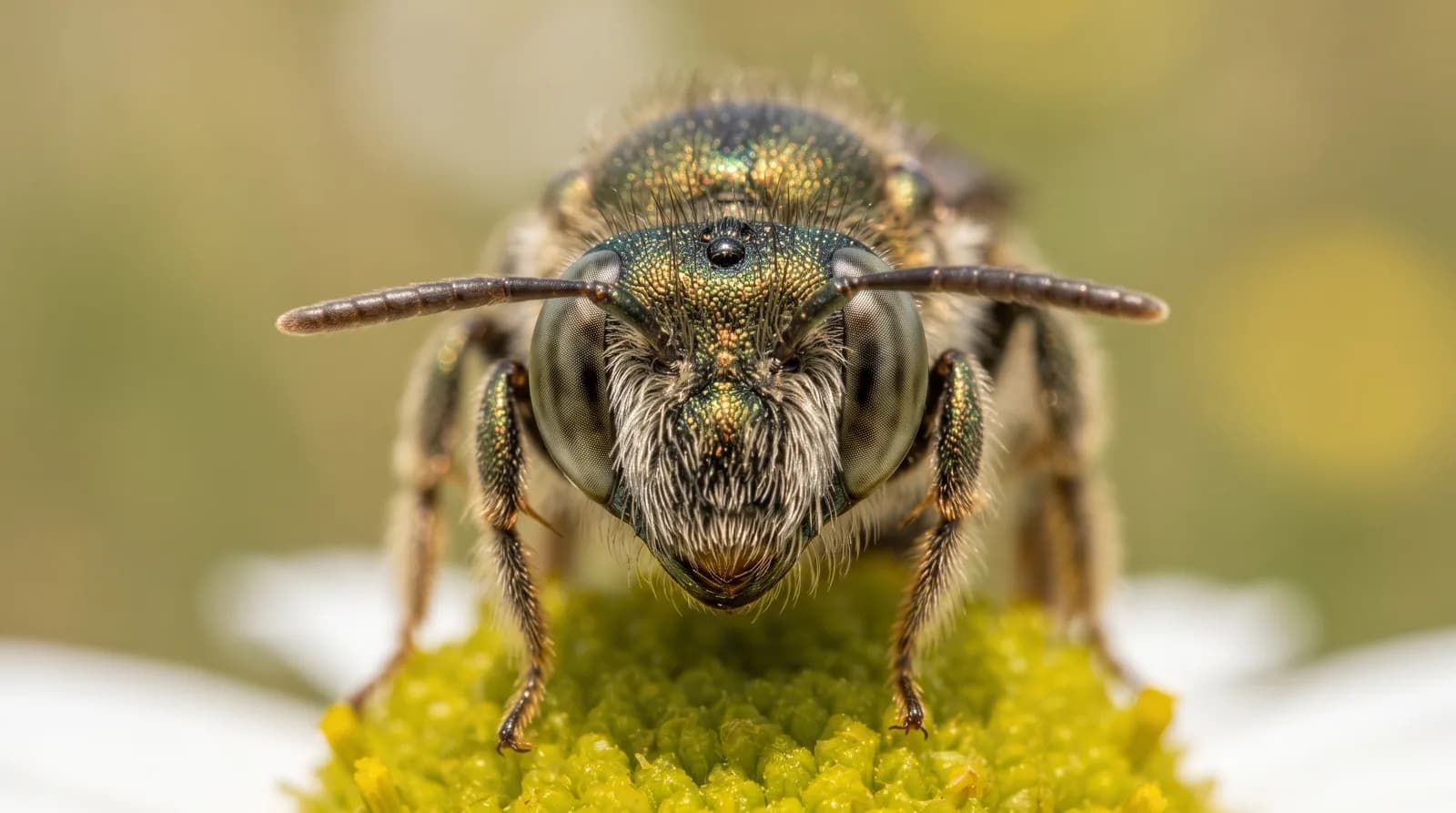
Sharp-collared Furrow BeeNot Evaluated

Sharp-collared Furrow Bee

Lasioglossum malachurum

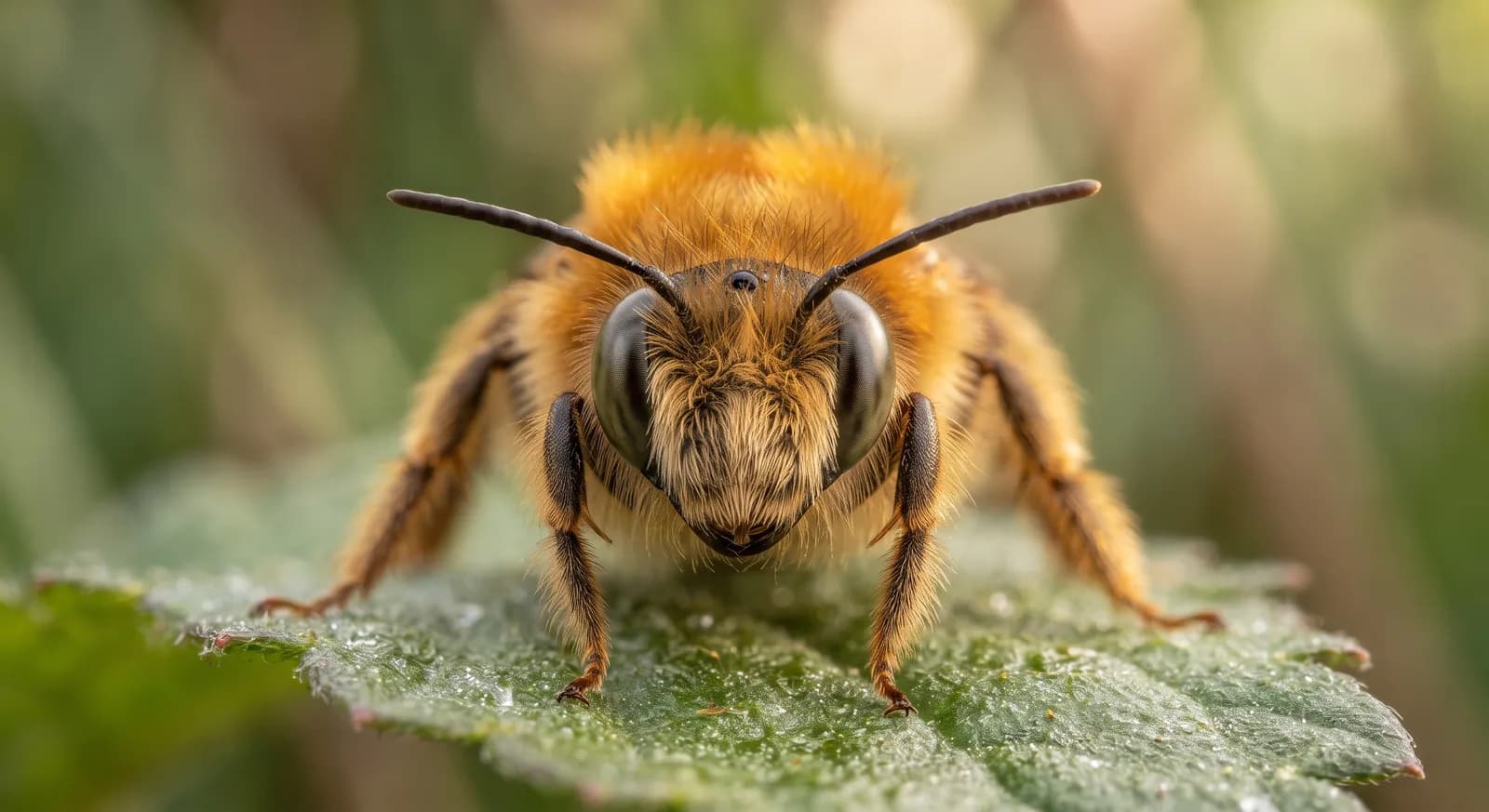
Tawny Mining BeeNot Evaluated

Tawny Mining Bee

Andrena fulva

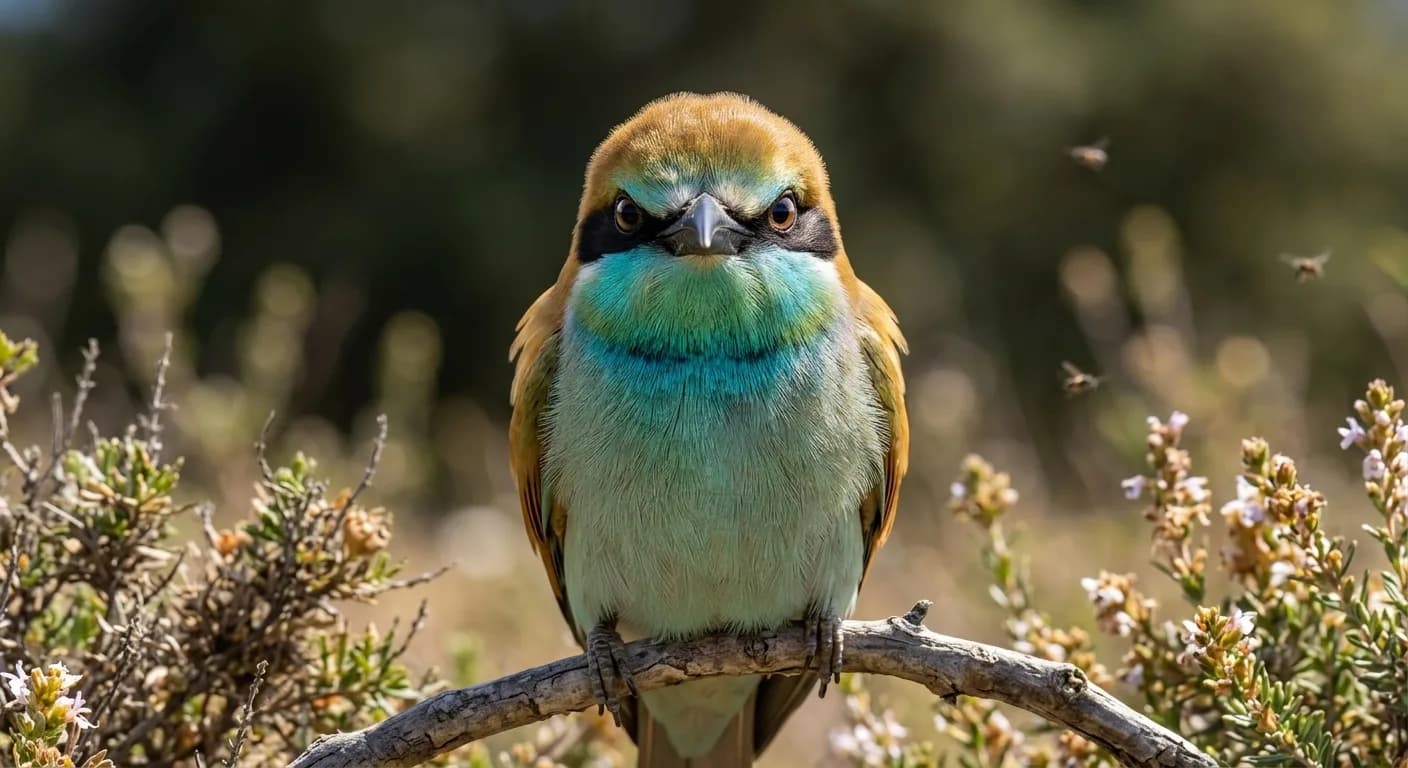
European Bee-eaterLeast Concern

European Bee-eater

Merops apiaster

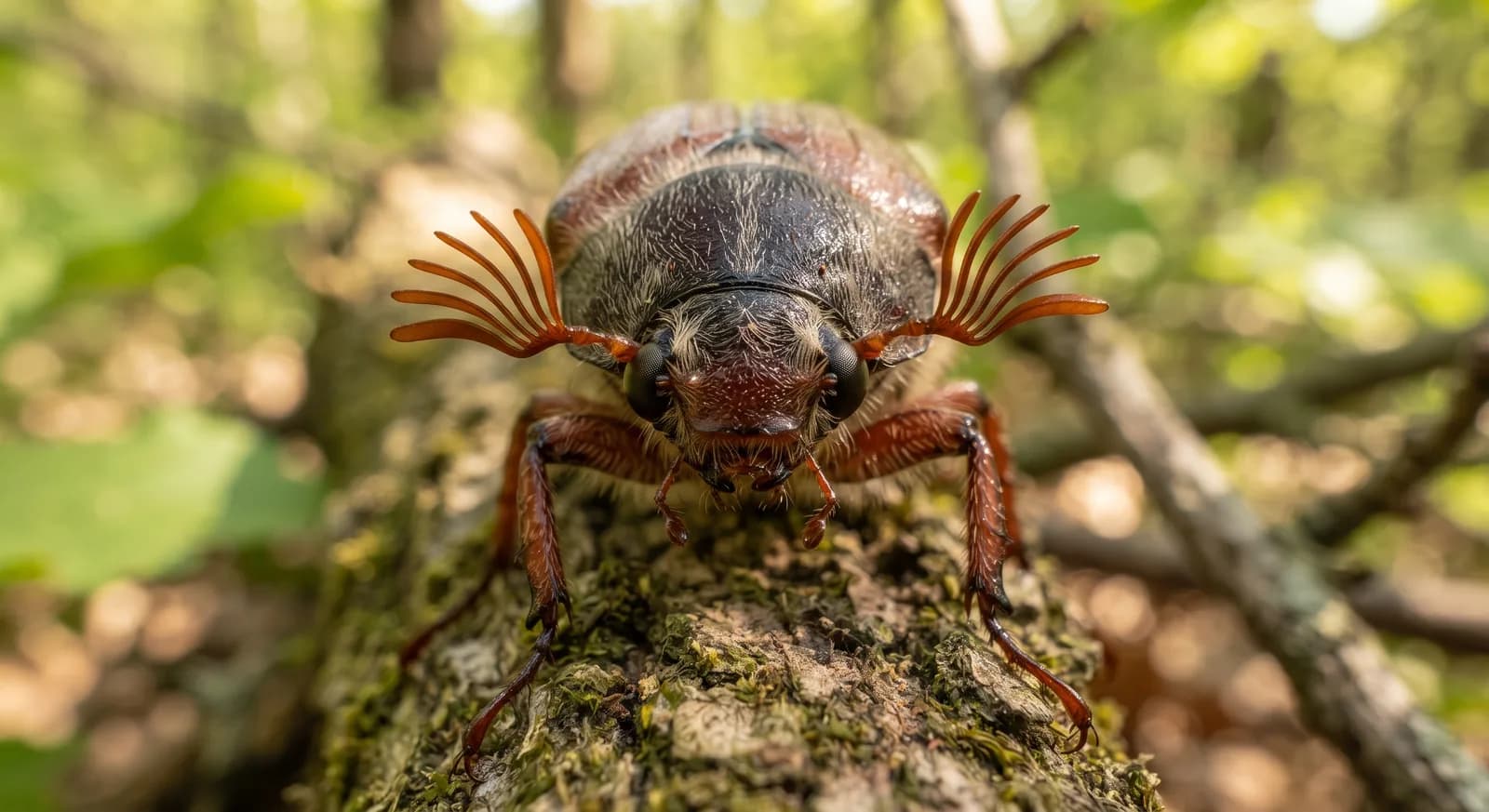
Common CockchaferNot Evaluated

Common Cockchafer

Melolontha melolontha

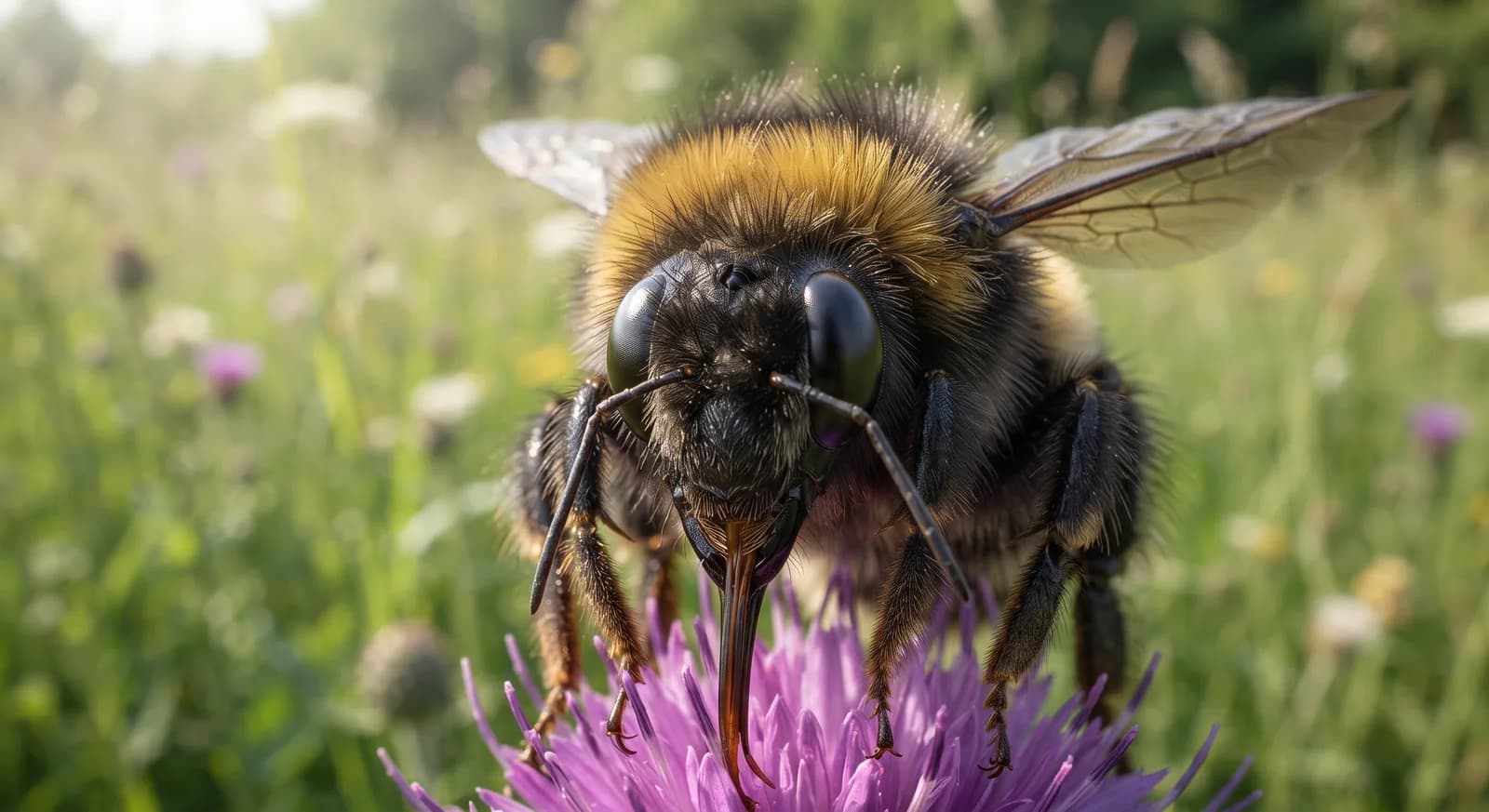
Buff-tailed BumblebeeNot Evaluated

Buff-tailed Bumblebee

Bombus terrestris

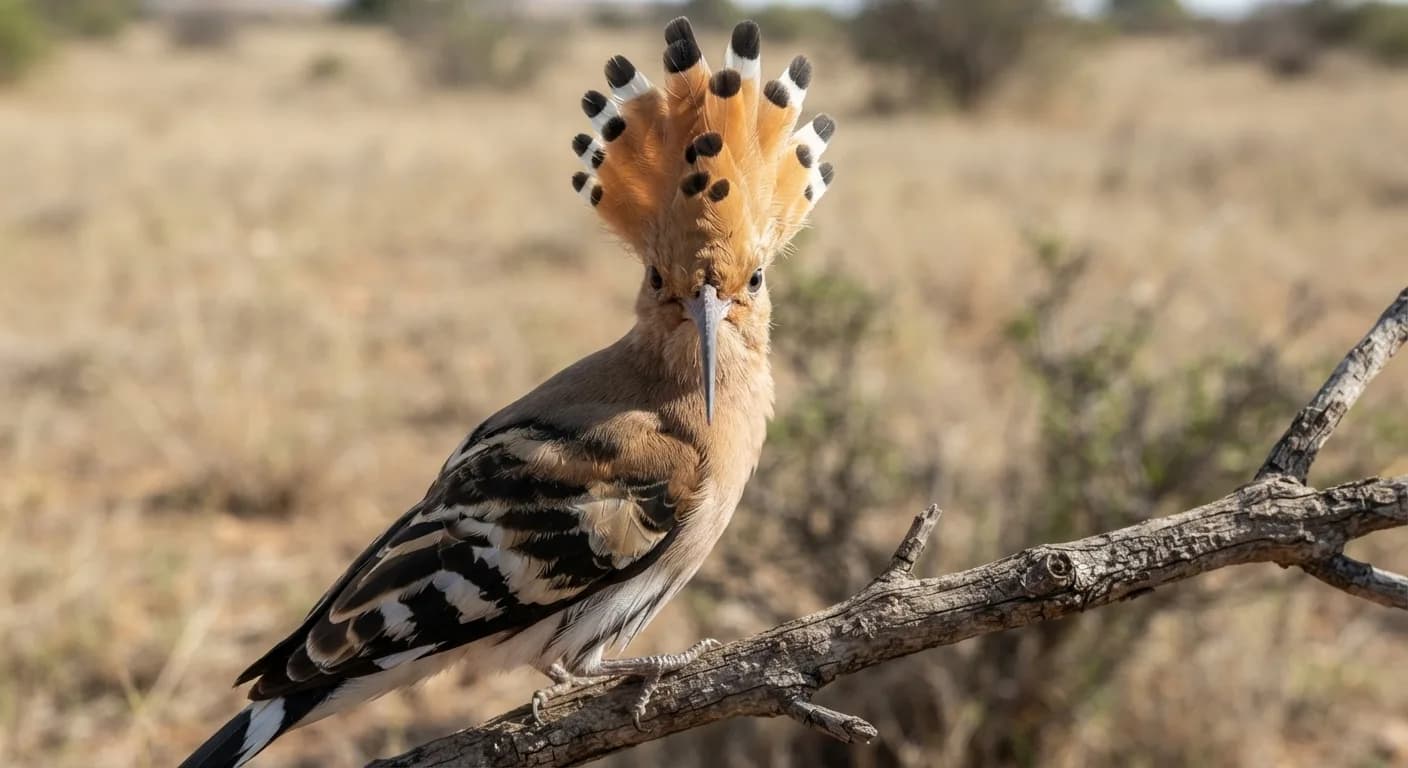
Eurasian HoopoeLeast Concern

Eurasian Hoopoe

Upupa epops

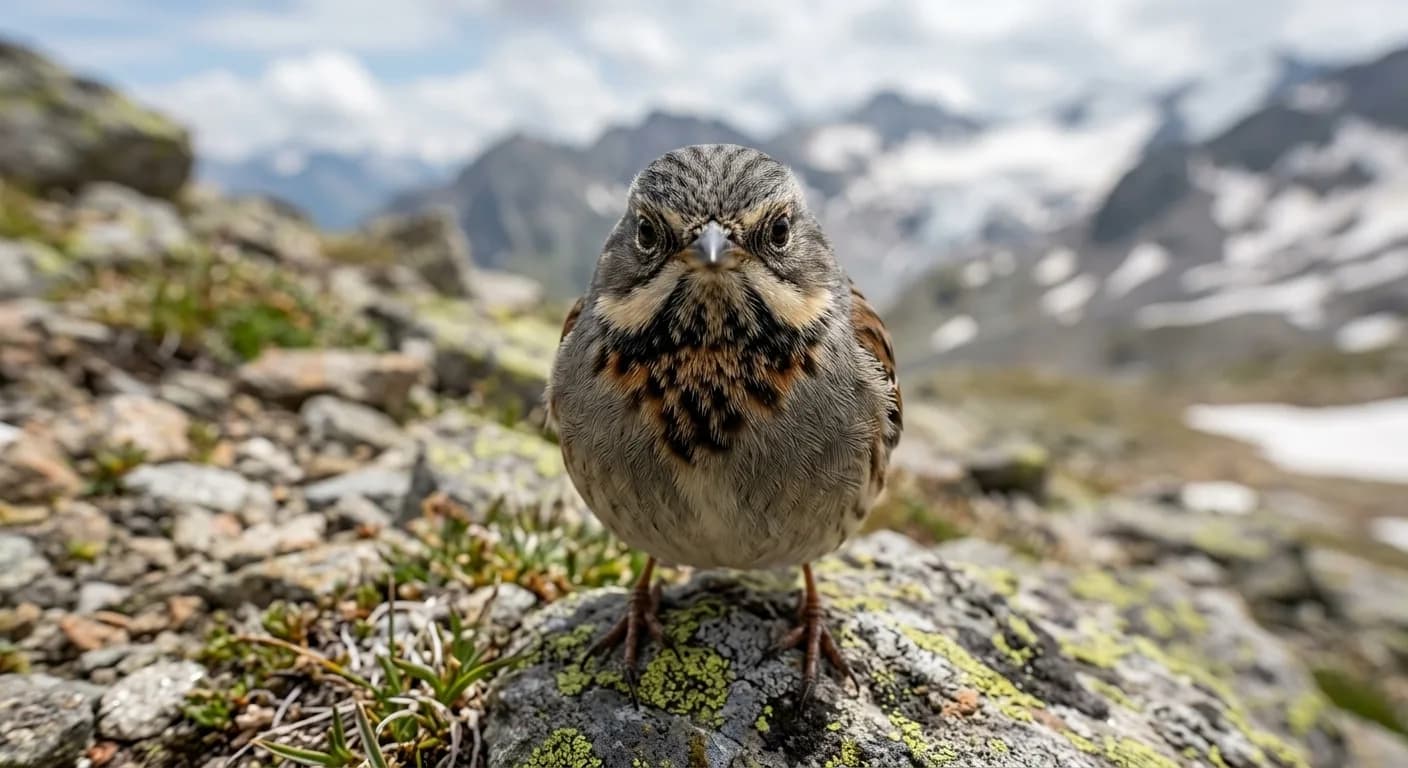
Alpine AccentorLeast Concern

Alpine Accentor

Prunella collaris

Booted EagleLeast Concern

Booted Eagle

Hieraaetus pennatus

Montagu's HarrierLeast Concern

Montagu's Harrier

Circus pygargus

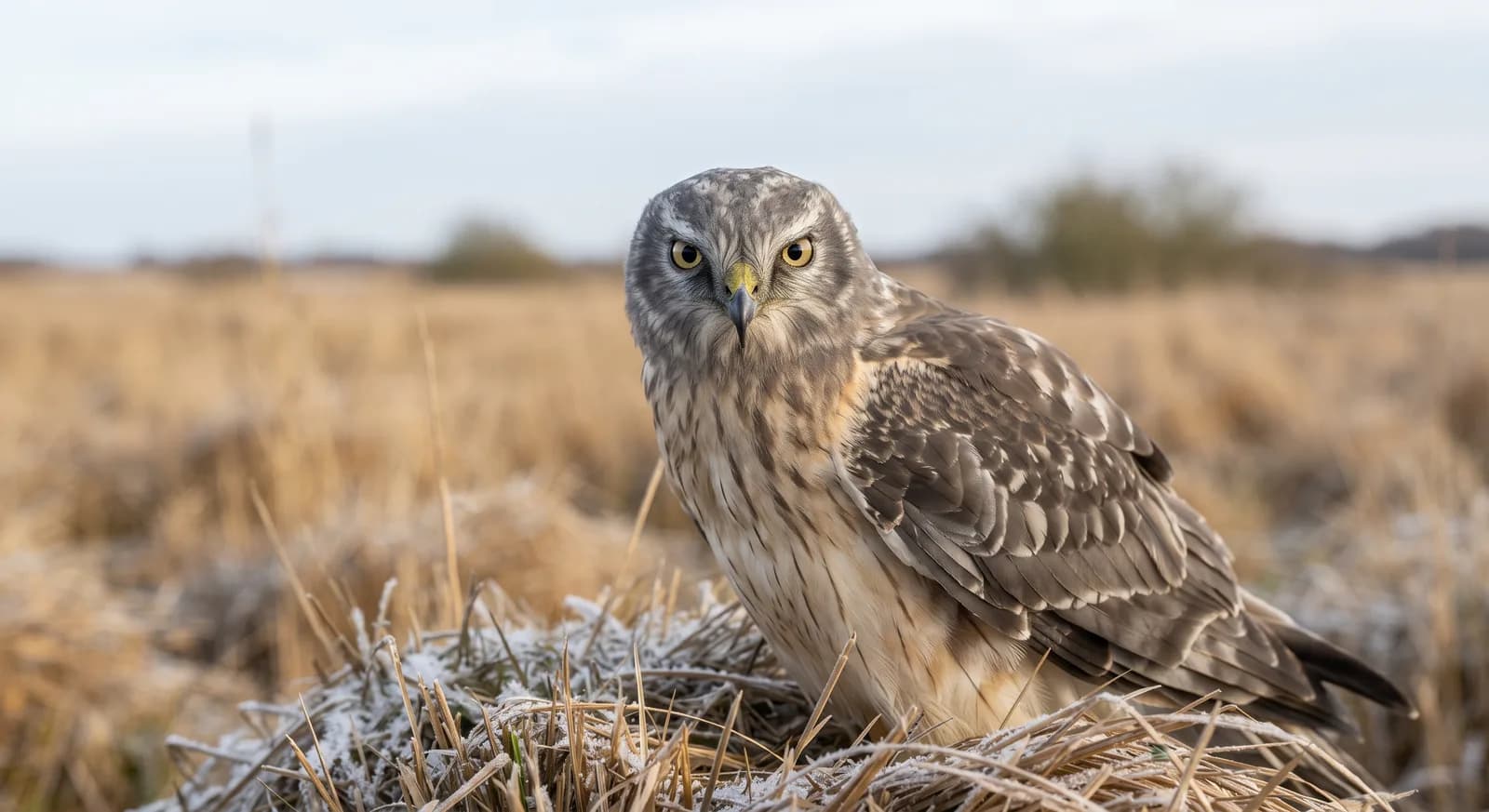
Hen HarrierLeast Concern

Hen Harrier

Circus cyaneus

See all 213 species found here
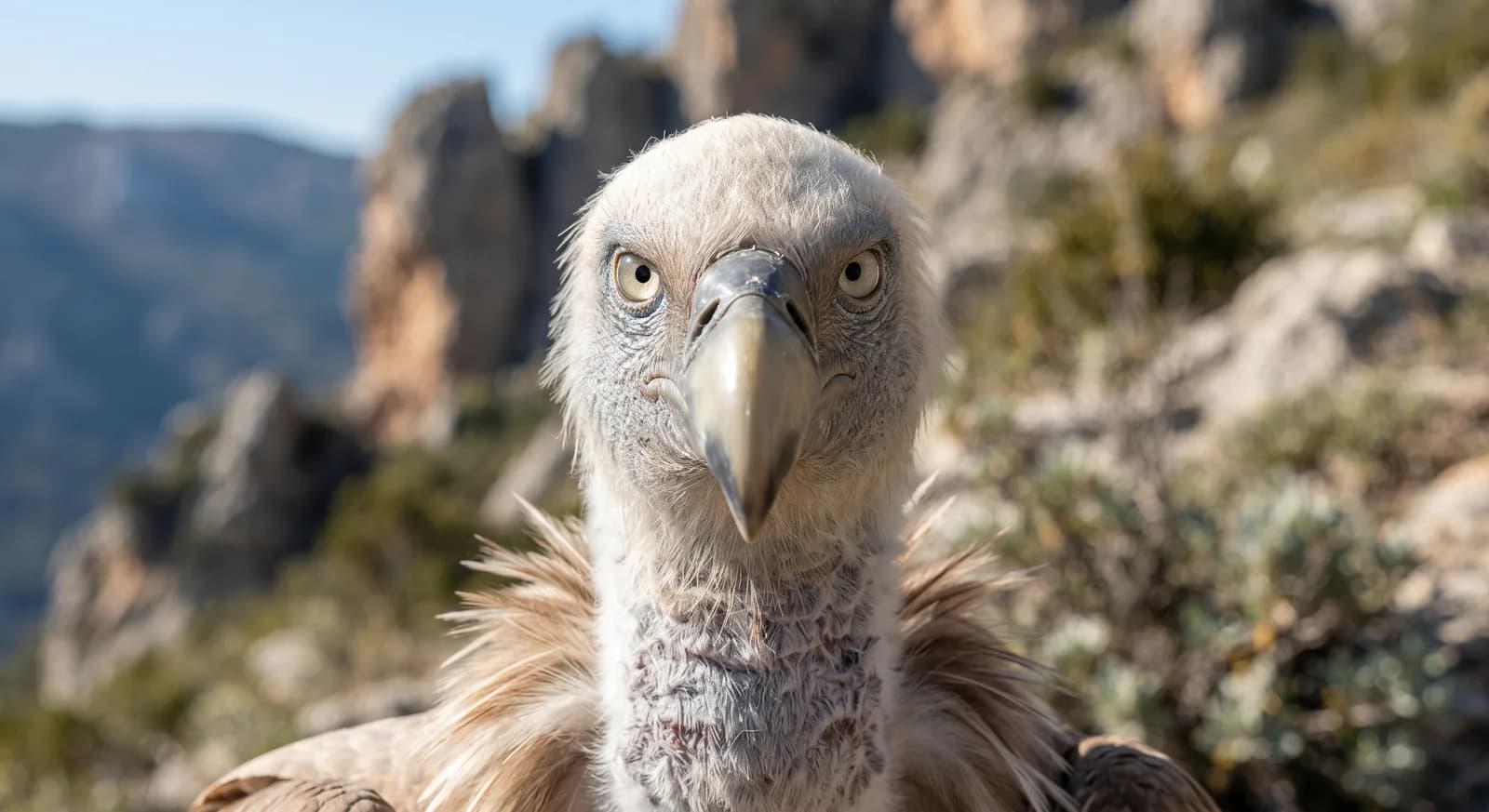
Griffon VultureLeast Concern

Griffon Vulture

Gyps fulvus

Biosphere Reserve